
Choosing the right lighting involves balancing functionality with comfort, especially when utilizing versatile fixtures like a spotlight touch magnetic. For hallways, a wider beam angle of 36 to 60 degrees paired with a moderate brightness of 150 to 300 lumens ensures safe navigation without blinding glare. Conversely, a bedside setting demands a narrower beam angle of 15 to 24 degrees and a lower, adjustable brightness of 50 to 150 lumens to provide focused reading light that does not disturb a sleeping partner. Understanding how to evaluate these specifications on product packaging allows you to select the ideal fixture for each unique space.
In modern homes, particularly in tropical climates like the Philippines where concrete walls and high humidity are common, magnetic touch spotlights offer an elegant, non-invasive lighting solution. These fixtures eliminate the need for extensive drilling when opting for rechargeable models, while their touch-sensitive controls provide effortless operation. However, because hallways and bedrooms serve entirely different purposes, installing the exact same lighting configuration in both areas can lead to poor visibility or disruptive glare. By analyzing beam spreads, lumen outputs, and installation requirements, you can create a cohesive and comfortable lighting scheme.
Understanding Lighting Needs: Hallway Pathways vs. Bedside Ambience
Hallways are transitional zones requiring consistent, clear illumination to facilitate safe movement, especially at night. In narrow corridors, the primary goal is to define the pathway, highlight potential obstacles, and prevent a claustrophobic feel. Because these spaces are often confined, harsh, direct light can bounce off walls and create uncomfortable glare. Therefore, hallway lighting must be soft yet sufficient to guide footsteps, making the placement and beam spread of your fixtures critical for daily safety.
Products mentioned in this guide
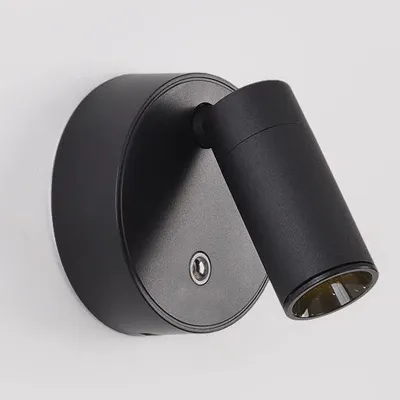
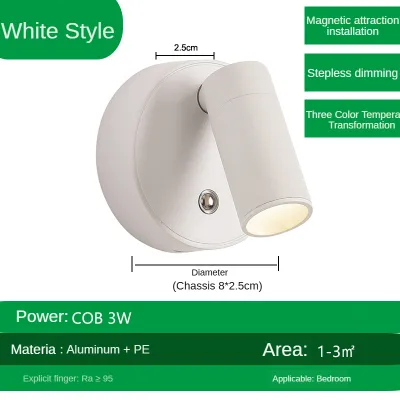
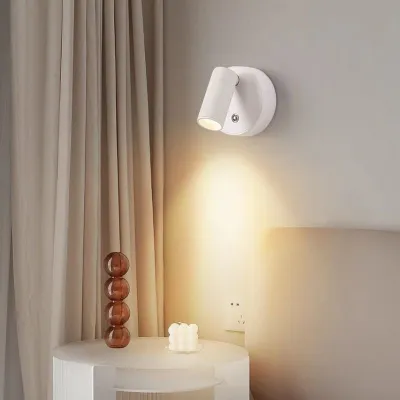
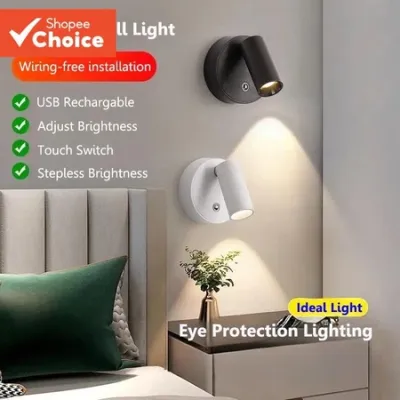
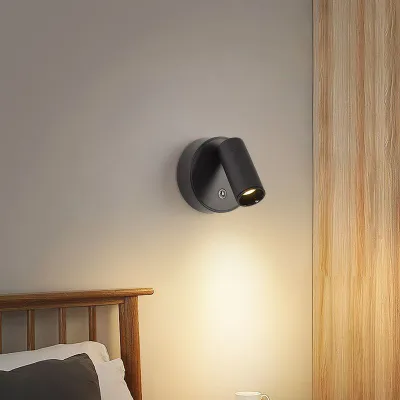
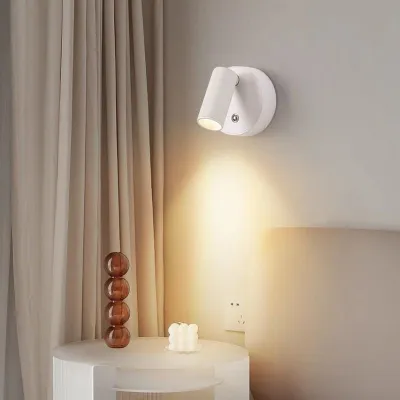
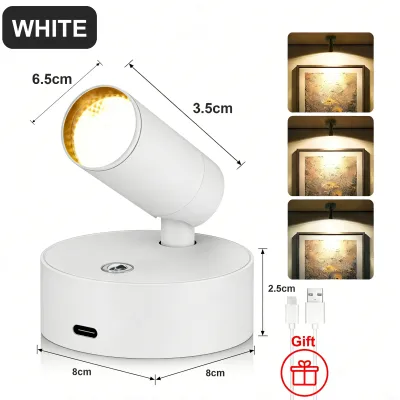
Prices are valid at publication and may change. Please refer to the product page for the latest price.
Bedrooms are personal sanctuaries dedicated to rest and relaxation. Bedside lighting must support activities like reading or navigating the room in the dark without triggering alertness. High-intensity or cool-toned light can disrupt the body’s natural sleep cycle by suppressing melatonin production. Visual comfort is the priority here, requiring a light source that is highly localized, easily adjustable, and gentle on tired eyes.
The integration of touch-sensitive controls on magnetic spotlights significantly enhances convenience in both environments. In a dark hallway, a simple tap on a wall-mounted fixture provides instant pathway illumination without searching for a traditional switch. At the bedside, touch controls allow you to turn off the light or adjust its brightness with a gentle tap from a comfortable reclining position. This tactile accessibility makes magnetic touch spotlights an incredibly user-friendly choice, provided the physical characteristics of the light match the room’s functional demands.
Selecting Brightness and Beam Spread for Hallway Spotlights
When planning hallway lighting, selecting the correct beam spread is essential to avoid a “flashlight” effect, where narrow beams create harsh, isolated spots of light on the floor. A wider beam angle, typically between 36 and 60 degrees, is highly recommended for corridors. This wider spread allows the light to wash over a larger surface area, blending the illumination from multiple fixtures to create a continuous, safe pathway. Wall-washing techniques, where the spotlights are angled to project light along the walls rather than directly down, can also make narrow hallways feel more spacious.

Brightness levels in hallways must be carefully calibrated to balance visibility with comfort. Reviewing manufacturer specifications on product packaging is the best way to verify the lumen output before purchase. For transitional spaces, a brightness range of 150 to 300 lumens per fixture is generally sufficient. This level of illumination provides clear visibility for walking while remaining low enough to prevent sudden eye strain when stepping out of a dark bedroom in the middle of the night.
Environmental factors such as ceiling height and wall reflectance should also influence your product selection. Homes with high ceilings may require fixtures with slightly higher lumen outputs or more concentrated beam spreads to ensure the light effectively reaches floor level. Conversely, if your hallway features light-colored or glossy walls, which are highly reflective, you can opt for lower lumen levels to achieve the same perceived brightness. Always check the product labels for details on light distribution and coverage areas to ensure compatibility with your hallway’s physical dimensions.
Selecting Brightness and Beam Spread for Bedside Spotlights
Bedside lighting requires a highly focused approach to prevent light spill from disturbing a partner sharing the bed. A narrow beam angle, ideally between 15 and 24 degrees, is the optimal choice for reading. This concentrated beam directs the light precisely onto your book or tablet, keeping the rest of the bed in comfortable darkness. By limiting the spread of the light, you can enjoy nighttime reading without creating a bright, disruptive environment in the rest of the room.
To support evening relaxation and prepare the body for sleep, bedside spotlights should feature lower lumen outputs. A range of 50 to 150 lumens is ideal for bedside tasks. Many magnetic touch spotlights come equipped with dimmable features, allowing you to customize the brightness level. When shopping for these fixtures, look for models that offer stepless dimming, which lets you adjust the light smoothly by holding down the touch sensor, rather than cycling through pre-set, potentially bright levels.
Color temperature is another critical factor to verify on the product packaging. For bedside use, prioritize warm white light, typically labeled between 2700K and 3000K. Warm light mimics the soft glow of sunset, promoting relaxation and helping you wind down. Avoid cool white or daylight spectrums (4000K to 6500K) in the bedroom, as these wavelengths can interfere with your sleep quality. Checking the color rendering index (CRI) on the label can also ensure that the light renders colors accurately, which is beneficial for reading.
Cross-Scenario Compatibility and Installation Checks
If you are looking for a versatile lighting solution, check for magnetic touch spotlights that feature adjustable heads. Many modern designs utilize a magnetic ball-and-socket joint, allowing you to rotate the light head 360 degrees and tilt it to various angles. This adjustability means you can easily repurpose the fixture, directing the beam toward the wall for indirect hallway lighting or angling it downward for focused bedside reading. Verifying this physical flexibility before buying ensures the product can adapt to changing household needs.
Before purchasing any lighting fixture, it is vital to perform essential electrical and compatibility checks. For hardwired models, verify the voltage requirements to ensure they match your home’s electrical system, which is standardly 220V in the Philippines. Check the dimensions of the fixture’s base against your existing wall junction boxes to ensure a seamless fit. If you are opting for battery-operated or rechargeable USB models, check the battery capacity and charging requirements to ensure they align with your usage habits.
Safety must always be the top priority during installation. For hardwired touch modules, always isolate the power at the main circuit breaker before handling any wires. Carefully read and follow the manufacturer’s installation instructions. If your installation involves running new wires through concrete walls, working at heights, or mounting fixtures in areas exposed to high humidity, stop the DIY process. In these scenarios, consult a qualified, licensed electrician to ensure the installation complies with local electrical codes and safety standards.
Frequently Asked Questions (FAQ)
Can I use the same magnetic touch spotlight for both the hallway and bedside?
Yes, you can use the same model in both locations, provided the fixture offers adjustable brightness levels and a flexible magnetic mount. This allows you to dim the light for bedside reading and brighten it for hallway navigation. However, keep in mind that if the fixture has a fixed, very narrow beam angle, it may create small, harsh pools of light in a hallway rather than a smooth, continuous path. When using the same model across different rooms, ensure the fixture’s aesthetic finish and the strength of its magnetic base are compatible with both your bedroom decor and hallway wall surfaces.
Do magnetic touch spotlights require special wiring?
The wiring requirements depend entirely on whether the spotlight is hardwired or battery-operated. Battery-powered and rechargeable USB models require no electrical wiring, making them incredibly easy to install on concrete walls or rented properties where drilling is restricted. Hardwired models, however, connect directly to your home’s electrical grid and may require a neutral wire depending on the touch-sensor design. Always check the product specifications for wiring diagrams, adhere to local electrical codes, and hire a licensed professional if you are uncomfortable working with live electrical circuits.

Community discussion
Share your experience or ask a question. Comments are reviewed before publication.