
Quick Answer: Core Features to Look For
Selecting the ideal butterfly party lights for an outdoor garden celebration requires balancing whimsical aesthetics with robust technical specifications. To ensure your garden gathering remains safely illuminated, the primary step is verifying that the lights carry an explicit outdoor-use rating and a certified weather-resistance level. Because outdoor environments expose lighting to moisture, wind, and temperature fluctuations, choosing products designed specifically to withstand these elements is crucial for preventing electrical failures.
The layout of your garden will largely dictate which of the three primary power sources—solar, battery, or plug-in—is most suitable. Solar-powered options offer excellent energy efficiency for open, sunny lawns, while battery-operated strings provide unmatched portability for remote trees or tabletop centerpieces. Plug-in models deliver consistent, bright illumination for expansive areas but require proximity to safe, outdoor-rated outlets. Ultimately, matching the butterfly material, light color, and brightness to your specific party theme and local climate conditions will create a captivating, reliable display.
Verifying Weather Resistance and Electrical Safety
When shopping on any online marketplace or local retail store, verifying the Ingress Protection (IP) rating is the most reliable way to confirm a product’s water resistance. The IP rating consists of two digits: the first measures protection against solid objects, and the second measures protection against liquids. For temporary outdoor garden parties, look for a minimum rating of IP44, which protects against splashing water. If you live in an area prone to sudden, heavy tropical downpours, opting for IP65-rated lights—which are protected against water jets—provides a much higher level of security and durability.
Products mentioned in this guide
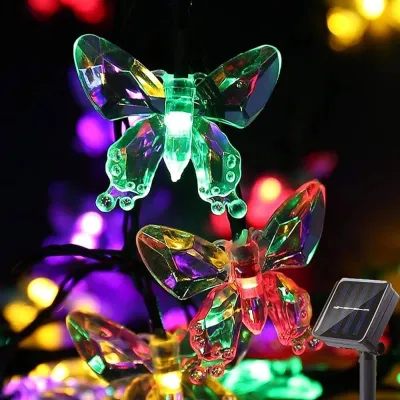
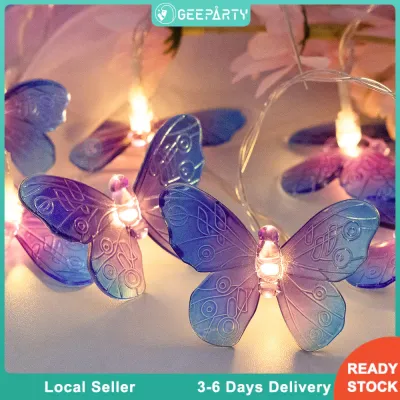
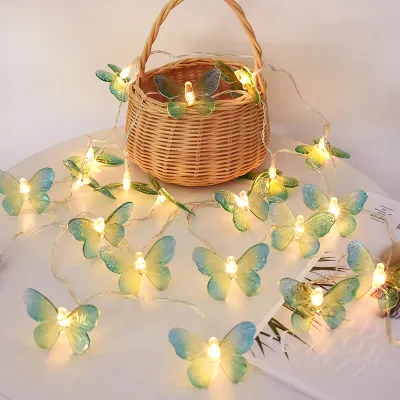
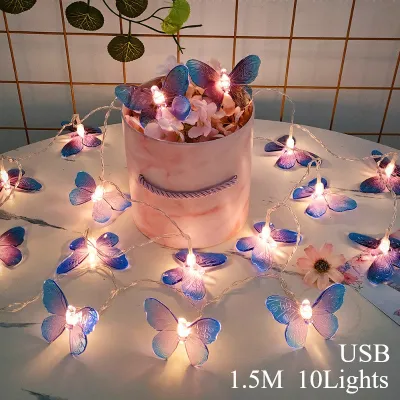
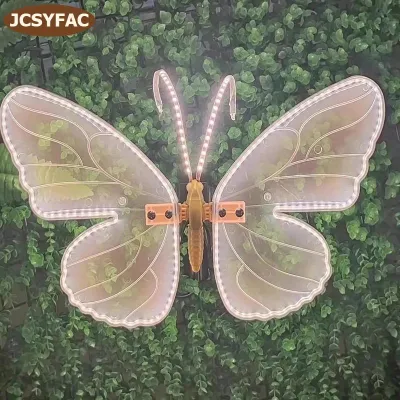
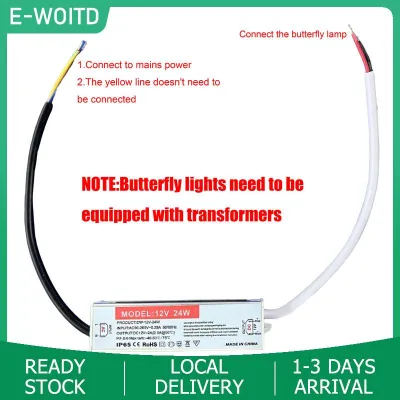
Prices are valid at publication and may change. Please refer to the product page for the latest price.

It is vital to distinguish between vague marketing terms like “water-resistant” and verified, certified waterproof ratings. Often, a manufacturer might advertise a string of lights as waterproof, but only the LED bulbs themselves are protected, while the battery box, plug, or controller remains vulnerable to moisture. Always check the individual ratings of every component, including the connectors and power adapters. If these parts are not rated for outdoor use, they must be housed inside a certified weatherproof enclosure.
Electrical safety should always be your top priority. Ensure that any extension cords used are specifically labeled for outdoor use and can handle the total wattage of your connected light strings. Avoid daisy-chaining multiple light strings together unless the manufacturer’s instructions explicitly state the maximum limit. For complex installations, high-voltage setups, or permanent garden wiring, always isolate the power source and consult a qualified professional to ensure compliance with local electrical codes.
Selecting the Best Power Source for Your Garden Layout
Choosing the right power source depends on your garden’s layout, outlet availability, and how long you need the lights to remain bright. Solar-powered butterfly lights are highly convenient because they require no external wiring. However, they rely entirely on the solar panel receiving direct, unobstructed sunlight for several hours during the day. In shaded gardens, under dense tree canopies, or during prolonged cloudy weather, solar panels may fail to charge fully, resulting in dim lights or a display that shuts off prematurely during your evening celebration.
Battery-operated butterfly lights offer exceptional flexibility, allowing you to decorate remote corners, hanging baskets, or dining tables without running cables across the lawn. When choosing battery power, check the manufacturer’s estimated battery life and plan accordingly. Keep in mind that high-brightness settings or multi-function flashing modes will drain batteries much faster. To avoid a sudden blackout mid-party, keep a fresh set of spare batteries on hand, or invest in high-quality rechargeable batteries to minimize long-term replacement costs and save extra ₱ over time.
Plug-in, or mains-powered, string lights are the preferred choice for large-scale decorations that require maximum, uninterrupted brightness. Because they draw power directly from your home’s electrical system, they do not suffer from the fading brightness associated with draining batteries. However, using plug-in lights requires careful planning regarding proximity to outdoor-rated outlets. You must ensure that all extension cords are safely routed along garden paths, taped down, or elevated to prevent tripping hazards, and that all connections are kept completely dry.
Matching Butterfly Designs and Light Colors to Your Party Theme
The visual appeal of your butterfly party lights depends heavily on the materials used for the butterfly motifs and how they interact with the light. Common materials include molded plastic, acrylic, and lightweight metal filigree. Before purchasing, check the manufacturer’s care instructions regarding UV resistance and wind durability. In tropical climates with intense sunlight, non-UV-treated plastics can quickly become yellow, brittle, and prone to cracking, while low-grade metals may rust when exposed to high humidity. Choosing durable, weather-resistant materials ensures your decorative butterflies retain their vibrant appearance.
The color temperature of the LEDs plays a significant role in establishing the mood of your garden celebration. Warm white lights emit a soft, golden glow that creates a cozy, whimsical, and romantic atmosphere, perfect for evening dinners or garden weddings. Cool white lights provide a bright, crisp illumination that highlights garden features with modern clarity. If you are hosting a lively birthday party or a festive family gathering, multicolor LEDs or color-changing options can add a playful, dynamic energy to the space. Consider how these colors will blend with your existing landscape lighting to avoid visual clutter.
Physical dimensions and spacing are also critical factors to evaluate before buying. Large, bold butterfly motifs are highly visible from a distance and look spectacular when draped over large pergolas, fences, or high tree branches. Conversely, smaller, delicately spaced butterflies are better suited for close-up viewing, such as wrapped around patio railings or woven into tabletop floral arrangements. Checking the product dimensions helps ensure the scale of the decorations matches the physical proportions of your garden features.
Planning the Layout and Safe Installation
A successful lighting setup begins with careful measurement and a clear installation plan. Before purchasing your butterfly string lights, use a measuring tape to map out the exact path where the lights will hang. Be sure to account for natural slack and decorative draping, as pulling string lights too taut can put unnecessary tension on the wires and connectors, leading to internal damage. Additionally, measure the distance from the end of the light string to the nearest power source to determine if you will need an outdoor-rated extension cord.
When hanging your lights, always respect the structural integrity of your garden features and follow the manufacturer’s weight limits. Use appropriate, non-damaging mounting hardware such as insulated cable clips, outdoor adhesive hooks, or reusable zip ties. Avoid using metal staples, nails, or screws directly through or against the light wires, as these can easily pierce the protective insulation and create a severe shock or fire hazard. If you are wrapping lights around living trees, secure them loosely to prevent constricting the bark.
Cable management is a critical safety consideration for any outdoor gathering. Route all electrical cords away from high-traffic areas where guests, children, or pets might trip over them. If cords must cross a walkway, use heavy-duty rubber cord protectors to secure them flat against the ground. Furthermore, keep all electrical connections, plugs, and control boxes elevated off the ground. Suspending these connections from hooks or placing them inside weather-resistant junction boxes prevents them from coming into contact with wet grass, morning dew, or pooling water.
Frequently Asked Questions (FAQ)
Can I leave butterfly string lights outside all year round?
Whether you can leave your butterfly string lights outside permanently depends on the manufacturer’s explicit specifications. While some heavy-duty commercial-grade lights are designed for year-round outdoor exposure, many decorative butterfly lights are intended only for temporary seasonal use or specific events. Even if the electrical components carry a high waterproof rating, prolonged exposure to intense UV rays, heavy rain, and wind will gradually degrade the decorative butterfly motifs, causing plastics to fade or become brittle and metals to corrode. To extend the lifespan of your lights, it is best to take them down and store them in a dry, cool place when not in use.
How do I clean the butterfly motifs if they get dirty?
To clean your butterfly string lights safely, always begin by disconnecting the power source, unplugging the cord, or removing all batteries. Refer to the manufacturer’s care label for specific cleaning instructions. For general maintenance, gently wipe the butterfly motifs and the wire with a dry or slightly damp microfiber cloth to remove dust, pollen, and outdoor debris. Avoid using harsh chemical solvents, abrasive scrubbing pads, or high-pressure water sprays, as these can damage the decorative finishes, scratch the acrylic, or compromise the water-resistant seals protecting the delicate LED bulbs. Allow the entire string to dry completely before reconnecting the power.

Community discussion
Share your experience or ask a question. Comments are reviewed before publication.