
Decorating outdoor spaces with butterfly fairy lights adds a whimsical, enchanting glow to gardens, patios, and balconies. However, when the Philippine rainy season arrives, bringing relentless downpours, high humidity, and strong winds, the durability of these delicate ornaments is put to the test. Whether butterfly fairy lights can survive these harsh tropical conditions depends entirely on their specific weather-resistance ratings, material construction, and how safely they are installed. Standard indoor decorative lights will quickly fail, short-circuit, or degrade when exposed to moisture, making it essential to select products specifically engineered for outdoor environments.
The unique climate of the Philippines presents several challenges for outdoor electrical decor. High ambient humidity can accelerate the corrosion of metal components, while heavy monsoon rains (habagat) can easily penetrate poorly sealed housings. Additionally, the intense heat and UV exposure during the dry intervals can make plastics brittle, leaving them susceptible to cracking when the next storm hits. To ensure your decorative lighting remains safe and functional throughout the wet months, you must look beyond aesthetic appeal and carefully evaluate the technical specifications and structural integrity of the lights before making a purchase.
Understanding Weather Resistance Labels for Outdoor String Lights
When shopping for outdoor lighting, relying on vague marketing terms like “waterproof” can lead to premature product failure and safety hazards. Instead, look for verified Ingress Protection (IP) ratings, which provide a standardized measure of a product’s resistance to solids and liquids. An IP rating consists of two digits: the first represents protection against solid objects like dust, and the second indicates protection against moisture. Understanding these numbers is crucial for choosing lights that can withstand the heavy rainfall typical of the Philippine monsoon season.
Products mentioned in this guide
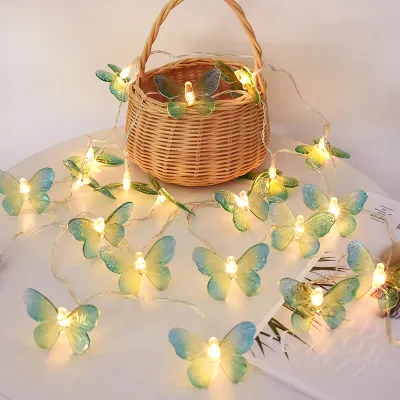
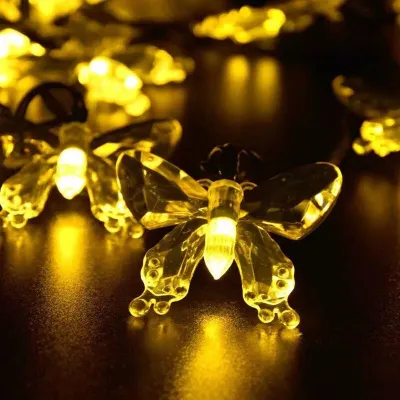
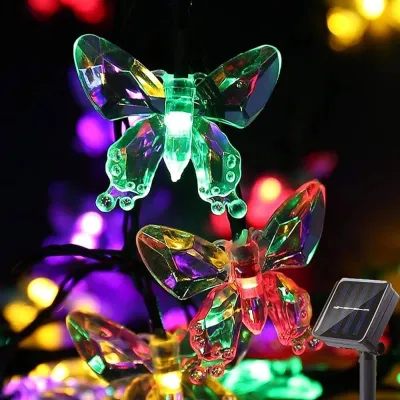
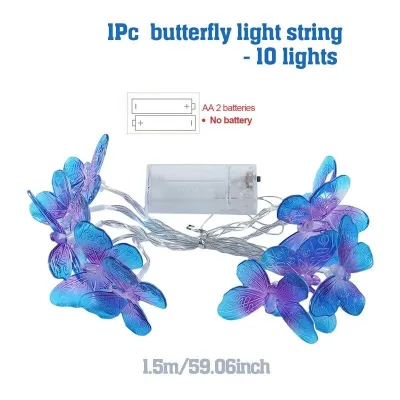
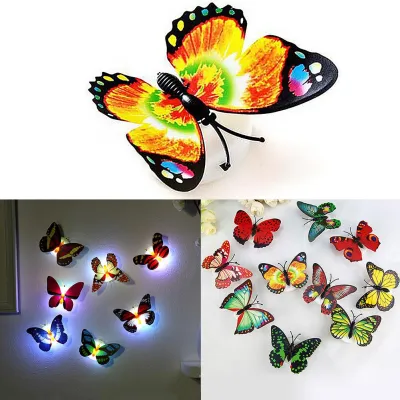
Prices are valid at publication and may change. Please refer to the product page for the latest price.
For outdoor decorative string lights, the minimum rating you should consider is IP44. An IP44 rating means the lights are protected against solid objects larger than 1 millimeter and splashing water from any direction. While suitable for semi-protected outdoor areas, such as a covered veranda or porch, IP44 lights are not designed to withstand direct, prolonged exposure to torrential downpours. If you plan to hang your butterfly fairy lights in fully exposed areas, such as along garden fences or open-air trellises, you should opt for lights with an IP65 or IP67 rating. An IP65 rating ensures the product is dust-tight and protected against water jets, while IP67 indicates the lights can survive temporary submersion in water, making them highly resilient against severe tropical storms.
Beyond checking the IP rating, physically inspect the critical vulnerability points of the light string before installation. Examine the battery compartment, plug connections, and solar panel joints, as these are the most common areas where water ingress occurs. High-quality outdoor lights feature thick rubber gaskets around battery compartments, threaded collar seals on plug connections, and tightly sealed housings for solar panels. Additionally, verify that the product carries recognized electrical safety certifications, such as the Philippine Standard (PS) mark, the Import Commodity Clearance (ICC) sticker, or reputable international certifications like CE and RoHS, ensuring it meets basic electrical standards for its intended environment.
Material and Build Quality for High Humidity Environments
The materials used to construct your butterfly fairy lights play a significant role in how well they resist degradation in high-humidity environments. In the Philippines, where relative humidity levels remain consistently high throughout the rainy season, cheap materials will rapidly deteriorate. The wiring is the backbone of the light string, and its construction determines both safety and longevity. Many budget-friendly fairy lights use thin, bare copper wires coated in a micro-thin layer of lacquer. While highly flexible and lightweight, these delicate wires are highly susceptible to oxidation, moisture penetration, and physical snapping under the strain of strong winds.

For reliable outdoor performance, look for light strings featuring heavy-duty, insulated cables, typically coated in thick PVC or weather-resistant rubber. These insulated jackets protect the internal copper conductors from moisture, preventing short circuits and corrosion. Furthermore, the decorative butterfly ornaments themselves must be evaluated. Butterflies made of delicate fabrics, paper, or cheap nylon will quickly waterlog, lose their shape, and become breeding grounds for mold and mildew in the damp tropical climate. Instead, choose ornaments molded from hard, UV-stabilized plastics (such as polycarbonate or acrylic) or durable resins. These materials resist water absorption, maintain their structural integrity, and are less likely to fade or become brittle under the intense tropical sun that often alternates with heavy rain.
Another critical factor is the quality of the metal contacts within the power source. In battery-operated models, look for battery boxes with corrosion-resistant contacts made of stainless steel or brass, as standard iron contacts will rust quickly in humid air. For solar-powered options, the solar panel housing should be constructed from high-grade, UV-resistant ABS plastic, with the solar cell protected by tempered glass or a robust epoxy seal to prevent delamination or water intrusion.
Safe Installation Practices for Wet and Windy Conditions
Proper installation is just as important as product quality when it comes to ensuring your butterfly fairy lights survive the rainy season. Before hanging your lights, carefully plan your installation zones to minimize exposure to extreme environmental stressors. Avoid low-lying garden areas where water is prone to pooling, and keep the lights away from direct downpour channels, such as overflowing roof gutters or downspouts. If you are wrapping lights around trees or shrubs, ensure they are not positioned against rough, heavy branches that could rub against the wire insulation and cause fraying when the wind blows.
When securing your lights, always use outdoor-rated, UV-resistant fastening accessories, such as specialized plastic mounting clips or heavy-duty nylon cable ties. Never use metal staples, nails, or bare wire twist-ties to secure the light string, as these can easily pinch, cut, or wear through the protective insulation, creating a severe shock or fire hazard. When hanging the lights, leave a small amount of slack in the wire. This slack prevents the string from being pulled too taut during strong winds, reducing the risk of tension-induced wire snaps or damage to the connection points.
Electrical safety must be your top priority when installing plug-in decorative lights outdoors. Always connect your lights to an outdoor-rated, weather-sealed electrical outlet equipped with a Ground Fault Circuit Interrupter (GFCI) to protect against electrical leaks. Ensure that all plug connections and extension cords are rated for outdoor use, and protect the connection joints using waterproof safety cover boxes. For any complex installations involving fixed wiring, damp-area setups, work at heights, or high-load configurations, always isolate the power source first and consult a qualified professional electrician to ensure compliance with local electrical codes.
Maintenance and Storage During Heavy Monsoons
Maintaining your outdoor butterfly fairy lights through the rainy season requires a proactive approach to inspection and care. After any major storm or period of prolonged heavy rain, perform a thorough post-storm inspection. Check the entire length of the light string for physical damage, such as loose or missing butterfly ornaments, sagging wires, or signs of insulation wear. Inspect the battery compartment or solar panel housing to ensure no water has bypassed the seals. If you detect any moisture inside these compartments, remove the batteries or disconnect the power immediately to prevent corrosion and short circuits.
Keeping the components clean is also essential for maintaining performance, especially for solar-powered lights. Dust, pollen, and wind-blown debris can accumulate on the solar panel, significantly reducing its ability to charge during the limited daylight hours of the rainy season. Clean the solar panel and the plastic butterfly ornaments using a soft, damp microfiber cloth. Avoid using abrasive scrubbing pads, steel wool, or harsh chemical solvents like bleach or acetone, as these can scratch the solar panel surface, degrade the plastic ornaments, or strip away protective waterproof coatings.
Finally, establish a clear protocol for extreme weather events. While high-quality outdoor lights are designed to withstand typical rainy conditions, they are not built to survive the extreme winds and flying debris associated with severe tropical storms or typhoons. When PAGASA issues typhoon signals or severe weather warnings, safely disconnect, dismantle, and store your lights indoors. Taking down the lights before a major storm strikes takes only a few minutes but can extend the lifespan of your decorative lighting by several years, preventing costly damage and eliminating potential safety hazards in your yard.
Frequently Asked Questions (FAQ)
Are solar-powered butterfly lights better than battery-operated ones for the rainy season?
Solar-powered and battery-operated butterfly lights each have distinct advantages and limitations during the wet months. Solar-powered lights are highly convenient because they eliminate the need for running outdoor extension cords, which significantly reduces the risk of electrical shock in wet conditions. However, during consecutive overcast or rainy days, solar panels will struggle to receive enough sunlight to fully charge, resulting in dim illumination or lights that fail to turn on at night. Battery-operated lights provide consistent brightness regardless of cloud cover, but their battery boxes are highly vulnerable to water ingress. If you choose battery-operated lights, you must place the battery box inside a weatherproof enclosure or wrap it securely in a sealed, waterproof plastic cover to prevent moisture from ruining the batteries and contacts.
What should I do if my outdoor fairy lights stop working after heavy rain?
If your outdoor fairy lights stop working after a heavy downpour, prioritize safety by immediately isolating the power source. Unplug the lights or turn off the corresponding circuit breaker before touching any wet components. Once the power is safely disconnected, carefully remove the light string and bring it to a dry, well-ventilated indoor area. Inspect the plug, controller, and battery compartment for signs of water ingress. Allow all components to air-dry completely for at least 24 to 48 hours; do not attempt to test or plug them back in while they are still damp. If you notice rusted contacts, melted plastic, exposed wiring, or if the lights fail to operate after drying completely, permanently discard them to prevent electrical hazards, short circuits, or fire risks.

Community discussion
Share your experience or ask a question. Comments are reviewed before publication.