
To determine if your Pixel Neon Lab string lights can survive the outdoor environment in the Philippines, you must first verify the specific Ingress Protection (IP) rating of your exact model. While flexible neon LED strips are highly popular for styling balconies, gardens, and commercial storefronts, not all products under the Pixel Neon Lab brand or similar categories are built to withstand tropical weather. Some models are strictly designed for indoor accent lighting, while others feature robust weatherproofing. Before hanging any lights outside, you must inspect the product packaging, user manual, or official manufacturer specifications to confirm their environmental limits.
Evaluating the Philippine Climate for Outdoor Lighting
The tropical climate of the Philippines presents unique and severe challenges for any outdoor electrical installation. Throughout the year, outdoor lighting must endure intense environmental stressors that can rapidly degrade substandard materials. The first major challenge is the monsoon season, which brings heavy, driving rains and sudden torrential downpours. Standard indoor or low-grade decorative lights will quickly fail when subjected to these high-volume water flows, leading to short circuits or permanent electrical damage.
Beyond direct rainfall, persistent high humidity is a constant factor across the archipelago. Relative humidity levels frequently exceed 80 percent, creating an environment where moisture can easily penetrate poorly sealed joints, causing internal condensation and gradual corrosion of the copper wiring or LED diodes. Over time, this moisture buildup can lead to flickering, dimming, or complete failure of the light strip.
Products mentioned in this guide
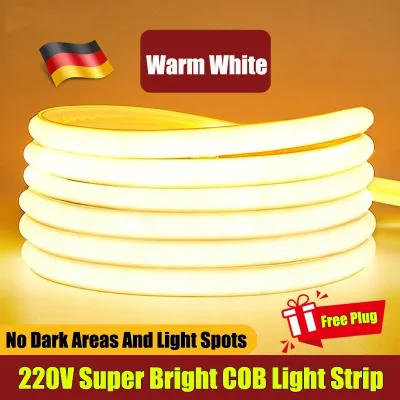
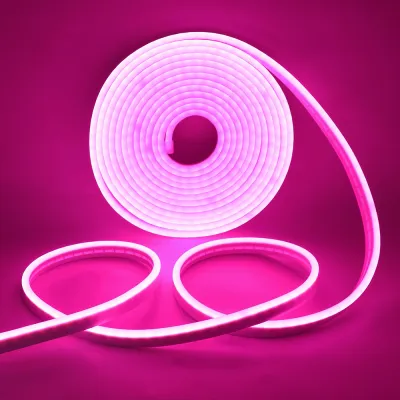
Prices are valid at publication and may change. Please refer to the product page for the latest price.
Furthermore, the intense tropical sun and high ambient temperatures accelerate the degradation of plastic and silicone components. Outdoor neon flex lights rely on flexible outer tubing—typically made of silicone or polyvinyl chloride (PVC)—to diffuse the light and protect the internal circuitry. Prolonged exposure to strong ultraviolet (UV) rays can cause low-quality tubing to turn yellow, become brittle, and eventually crack. Once the outer protective shell is compromised, rainwater and humidity can freely enter the system, creating a serious electrical hazard.
How to Verify the Waterproof Rating of Your Pixel Neon Lab Lights
Before installing your Pixel Neon Lab lights in an open outdoor area, you must locate and verify their Ingress Protection (IP) rating. This rating is typically printed on the product packaging, the user manual, or the technical specifications sheet provided by the manufacturer. The IP rating consists of two digits: the first digit (0 to 6) measures protection against solid objects and dust, while the second digit (0 to 9) measures protection against liquids.

For outdoor installations in the Philippines, understanding these ratings is critical for safety and longevity. An IP44 rating means the lights are splash-resistant; they can handle light moisture or occasional splashes but are not suitable for direct, heavy rainfall. These should only be used in fully covered outdoor spaces, such as a deeply recessed veranda or a well-protected porch. For open areas like gardens, fences, or exposed patios, you should look for an IP65 rating, which indicates resistance to water jets from any direction. If you plan to install the lights in areas prone to temporary pooling or flooding, an IP67 or IP68 rating is necessary, as these indicate temporary or continuous submersion capability.
It is equally important to check the waterproof status of the peripheral components. Even if the flexible neon strip itself is rated IP65 or higher, the power adapter, controller box, and plug connections are often the weakest links in the system. Many manufacturers package outdoor-rated light strips with indoor-rated (IP20) or splash-proof (IP44) power bricks. You must verify the voltage compatibility (the standard utility voltage in the Philippines is 220V, though many LED strips operate on 12V or 24V step-down transformers) and ensure that any non-waterproof components are housed in a dedicated, weather-resistant electrical enclosure. Look for local or international safety certifications, such as the Philippine Standard (PS) mark, Import Commodity Clearance (ICC) stickers, or equivalent international electrical safety seals, to ensure the device meets basic manufacturing standards.
Safe Installation Practices for Wet and Humid Environments
Installing outdoor neon string lights safely requires careful planning to minimize exposure to moisture and prevent electrical hazards. When routing your cables, always incorporate “drip loops” in the wiring. A drip loop is a simple downward curve in the cord just before it enters a plug, controller, or wall outlet. This loop forces rainwater running along the cable to drip off the bottom of the curve rather than flowing directly into the electrical connection.
All electrical connections must be elevated off the ground to prevent them from sitting in puddles during heavy downpours. Use outdoor-rated extension cords that match the wattage and voltage requirements of your lighting system. If you must connect multiple light strings or extension cords, seal the connection points with specialized weatherproof safety covers or wrap them securely with high-grade self-amalgamating electrical tape.
When mounting the flexible neon tubing, you must secure the lights without puncturing or pinching the outer silicone or PVC sleeve. Never use metal staples, nails, or tight zip ties that can cut into the protective casing. Instead, use mounting clips, channels, or brackets specifically designed for neon flex lights. Puncturing the outer sleeve immediately voids the waterproofing, allowing water to seep directly onto the live LED circuit board.
For any complex installations, such as connecting lights directly to your home’s fixed wiring, installing lights in highly damp areas like pool surrounds, or working at significant heights, you must prioritize safety. Always isolate the power supply at the main circuit breaker before handling any wiring. If you are unsure about voltage compatibility, load limits, or proper grounding techniques, stop the installation immediately and consult a qualified, licensed electrician to complete the work safely.
Maintaining and Troubleshooting Outdoor Neon String Lights
Regular maintenance is essential to extend the lifespan of your outdoor neon string lights and ensure they remain safe to operate. Perform routine visual checks at least once a month, especially after heavy storms. Inspect the entire length of the neon flex for any signs of yellowing, cracking, or physical damage. Pay close attention to the end caps and joint connections, as these are common entry points for moisture. If you notice internal condensation or water droplets trapped inside the tubing, disconnect the power immediately.
When cleaning your lights, always turn off the power source first. Use a soft, damp cloth to wipe away dust, dirt, and salt residue, which can accumulate in coastal or highly humid areas. Avoid using harsh chemical solvents, abrasive scrubbers, or high-pressure water washers, as these can degrade the protective outer coating and damage the seals.
If your lights begin to flicker, short out, or fail to turn on, follow a systematic troubleshooting process. First, isolate the power at the breaker or unplug the unit from the wall before touching any part of the installation. Check the power adapter and controller box for signs of water ingress or overheating. If you suspect water has entered the system, allow all components to dry completely in a well-ventilated indoor area for several days before attempting to test them again. Never attempt to patch a cracked or punctured neon tube with tape for outdoor reuse; if the protective sleeve is breached, the affected section or the entire string should be replaced. Always refer to the manufacturer’s warranty guidelines and user manual for specific troubleshooting steps and replacement parts.
Frequently Asked Questions (FAQ)
Can I leave neon string lights outside during a typhoon?
No, you should not leave neon string lights outside during a typhoon or severe weather warning. While high-quality outdoor lights may have an IP65 or IP67 rating to withstand normal rain, they are not designed to survive the extreme wind-driven rain, flying debris, and potential flooding associated with typhoons in the Philippines. Strong winds can tear the lights from their mountings, and flying objects can easily puncture the protective silicone tubing. Before a typhoon makes landfall, safely disconnect the power supply, unmount the lights, and store them indoors to prevent damage and eliminate electrical hazards.
What should I do if the controller box gets wet?
If the controller box of your string lights gets wet, you must immediately cut the power at the main circuit breaker or home distribution panel before touching the device or the outlet. Do not attempt to unplug the cord while standing on wet ground or if the plug itself is wet. Once the power is safely isolated, unplug the unit and move the controller to a dry, indoor location. Wipe the exterior dry and allow it to air dry completely for at least 48 hours. If the controller box was submerged or shows signs of internal water damage, such as corrosion or a burnt smell, do not reuse it; contact the manufacturer or a professional to source a compatible replacement.
Do solar-powered string lights offer better waterproofing for outdoor use?
Solar-powered string lights do not inherently offer better waterproofing than plug-in models, as both rely on similar IP-rated protective casings for their light strips. However, solar-powered systems operate on low-voltage direct current (DC) batteries, which significantly reduces the risk of severe electrical shock compared to high-voltage plug-in systems. When choosing solar lights, you must still verify the individual IP ratings of both the light string and the solar panel/battery unit. The solar panel must be positioned in direct sunlight, meaning it will be fully exposed to heavy rain and UV degradation, requiring a robust, high-quality waterproof design to survive the Philippine climate.

Community discussion
Share your experience or ask a question. Comments are reviewed before publication.