
Outdoor decorative lighting can transform a garden, patio, or commercial storefront into a warm, inviting space. However, when planning to install a tree branch with light display in the Philippines, the reality of the local climate must be the primary consideration. The country experiences intense tropical weather, characterized by the southwest monsoon (Habagat), frequent typhoons, and year-round high relative humidity that regularly exceeds 80 percent.
To determine if these decorative light installations can survive such demanding conditions, you must look beyond generic marketing claims of being “weatherproof.” Whether a tree branch with light setup can withstand the Philippine rainy season depends entirely on its structural build, its electrical specifications, and how safely it is installed and maintained. Understanding these technical factors will help you avoid electrical hazards, premature product failure, and unnecessary replacement costs.
Decoding IP Ratings for a Tree Branch with Light in Wet Weather
When shopping for outdoor lighting, the most reliable indicator of water resistance is the Ingress Protection (IP) rating. This international standard grading system consists of two digits that define exactly how well an electrical enclosure can resist solid objects and liquids. Relying on vague product descriptions like “water-resistant” or “monsoon-proof” is a common mistake; always verify the official IP rating on the manufacturer’s technical specification sheet or the physical product label before making a purchase.
Products mentioned in this guide
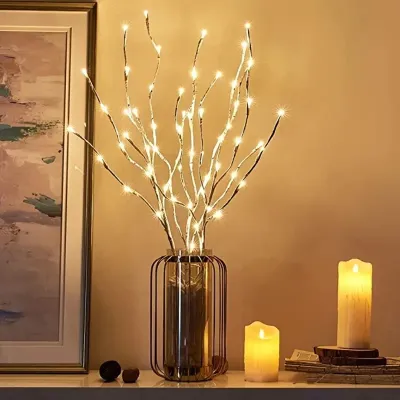
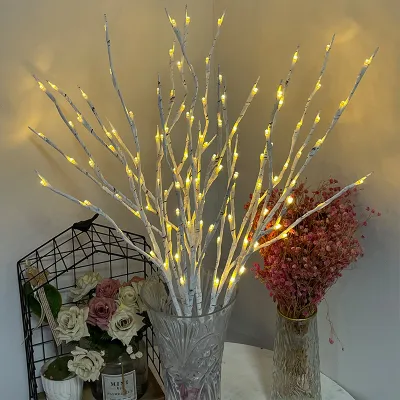
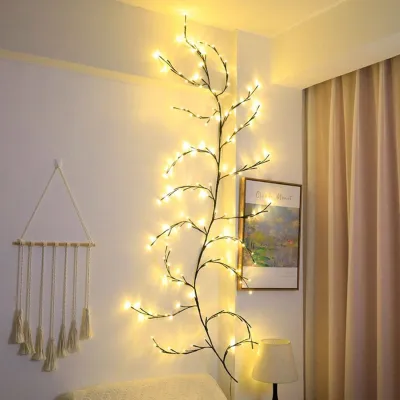
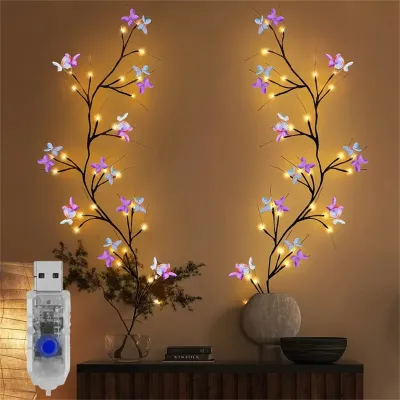
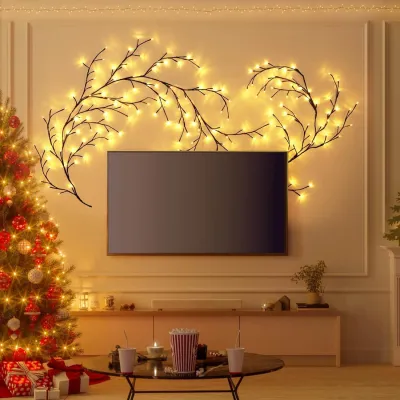
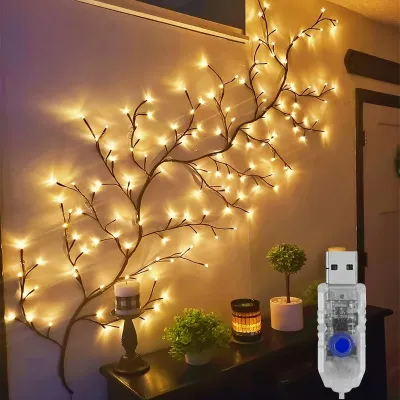
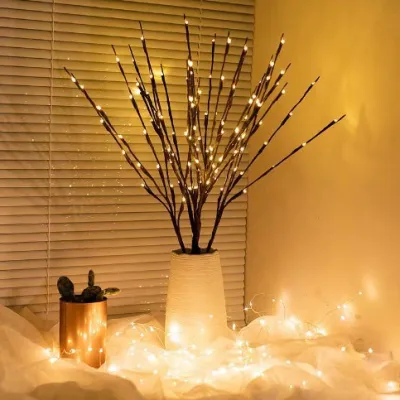
Prices are valid at publication and may change. Please refer to the product page for the latest price.
The first digit of an IP rating ranges from 0 to 6 and measures protection against solid particles such as dust, dirt, and insects. The second digit ranges from 0 to 9 and measures protection against liquids, which is the critical metric for the Philippine wet season. For instance, in an IP65 rating, the “6” indicates the unit is completely dust-tight, while the “5” means it can withstand low-pressure water jets projected from any angle without harmful effects.
Many entry-level decorative lights carry an IP44 rating, which only certifies protection against splashing water from any direction. While IP44 might suffice for a covered porch or a light drizzle, it is highly inadequate for outdoor tree installations exposed to full monsoon rains. Wind-driven rain during a tropical storm behaves more like high-velocity water jets than gentle splashes, easily forcing its way past basic IP44 seals and causing immediate short circuits.
For reliable outdoor performance on exposed tree branches, look for a minimum rating of IP65. If the lights will be positioned close to the ground where water might pool, or in highly exposed areas subject to torrential downpours, upgrading to IP67 is highly recommended. An IP67 rating certifies that the light enclosure can withstand temporary immersion in water up to one meter deep for 30 minutes, providing an exceptional safety margin during severe weather.
High tropical humidity introduces another silent threat: internal condensation. When a sealed light fixture heats up during operation and is suddenly cooled by a heavy downpour, a pressure differential is created. This differential can draw moist air through microscopic gaps in the seals; as the air cools inside the housing, it condenses into water droplets that slowly corrode the internal circuitry. High-quality outdoor lights often feature specialized breathable membrane vents or potting compound seals to prevent this moisture accumulation.
Essential Build and Electrical Specs to Verify Before Buying
The physical construction of the light string and the branch framework determines how well the installation will resist physical wear and environmental degradation. Cheap materials degrade rapidly under the intense ultraviolet (UV) radiation of the dry season, leaving them brittle and highly vulnerable to cracking when the heavy rains arrive. Inspecting the material composition of every component is essential for long-term durability.

First, examine the wire insulation. Avoid thin, stiff PVC (polyvinyl chloride) cabling, which degrades quickly under UV exposure and tropical heat. Instead, prioritize thick, flexible rubber (such as neoprene) or heavy-duty silicone cable jackets. These materials retain their flexibility, resist cracking, and provide a robust barrier against moisture ingress even when wrapped tightly around growing tree branches.
Second, evaluate the connector joints. The points where individual light strings connect to each other or to the main power lead are highly vulnerable to water penetration. Quality outdoor lighting systems utilize threaded, screw-tight connectors equipped with internal rubber O-rings. These O-rings compress when tightened, creating a watertight seal that prevents pressurized rainwater from reaching the metal electrical pins inside.
Third, inspect the bulb housing and the branch material itself. If the product features integrated LEDs, the light-emitting diodes should be fully encapsulated in a high-grade, UV-stabilized polycarbonate plastic or protective epoxy resin. For structural branch designs that use metal frames, ensure the metal is thoroughly treated—such as powder-coated aluminum or hot-dip galvanized steel—to prevent rust and structural failure caused by constant exposure to damp air.
Finally, pay close attention to the power supply. The transformer, plug, and controller unit are almost always the weakest links in an outdoor lighting system. In the Philippines, where the standard residential utility voltage is 220V AC at 60Hz, running high-voltage lines directly into wet trees presents a severe shock hazard. Ensure the system utilizes a step-down transformer that converts the 220V mains power to a safe low-voltage output, such as 12V or 24V DC, before the wiring reaches the outdoor branches. Additionally, verify whether the transformer itself is rated for outdoor use, or if it must be housed in a separate weatherproof enclosure.
Safe Installation Boundaries for Wet Outdoor Environments
Installing electrical fixtures in wet, outdoor environments requires strict adherence to safety protocols to protect both the property and human life. Before beginning any installation work, always isolate the power supply at the main circuit breaker. Never attempt to connect, adjust, or handle outdoor wiring while the power is live or when standing on wet ground.
Keep all plugs, transformers, and connection points elevated off the ground. Heavy tropical downpours in the Philippines can cause rapid, localized flooding and pooling water on lawns, soil, and patios. Mount these sensitive electrical components at least 30 to 50 centimeters above the maximum expected water level, ideally securing them to a wall, post, or elevated branch that is shielded from direct rainfall.
To prevent water from traveling along the power cable and directly into the electrical connections, always implement a “drip loop.” A drip loop is a simple, highly effective technique where you allow the cable to loop downward just before it enters a connector, plug, or outlet. Gravity forces rainwater to flow to the lowest point of the loop and drip harmlessly onto the ground, rather than running along the wire and bypassing the waterproof seals.
      [ Cable from Light String ]
                 \  /
                  \/
               (Loop) <-- Water drips off here
                  |
          [ Weatherproof Outlet ]
All outdoor electrical connections must be plugged into outlets protected by a Ground Fault Circuit Interrupter (GFCI) or Residual Current Device (RCD). These safety devices constantly monitor the electrical current and will instantly cut the power if they detect a leak, such as current escaping through water or a human body. Additionally, ensure that outdoor sockets are protected by heavy-duty, wet-location-rated, spring-loaded cover plates that keep the outlet sealed even when a plug is inserted.
When mounting lights onto living trees, prioritize the health and safety of the tree. Avoid using metal nails, staples, or tight wires that pierce the bark, as these wounds create entry points for fungal infections and pests, which thrive in the humid Philippine climate. Instead, secure the wiring using soft, UV-resistant outdoor utility straps, hook-and-loop ties, or specialized plastic cable clips that allow the tree to grow without constriction. If you are wrapping lights around dead decorative branches, verify their structural integrity beforehand; rotting wood can easily snap under the weight of water-logged lights and strong monsoon winds, creating a falling hazard.
For any fixed wiring installations, direct hardwiring to the home’s electrical panel, or complex setups in highly exposed or hazardous zones, you must consult and hire a licensed electrician. Never attempt to bypass local electrical codes or install custom high-voltage wiring yourself. If the product’s installation manual conflicts with local safety standards or if you are unsure of the electrical load limits, stop immediately and seek professional assistance.
Practical Maintenance to Protect Your Lights During the Monsoon
Preventative maintenance is key to extending the lifespan of your outdoor branch lights and ensuring they remain safe to operate throughout the rainy season. Routine care helps you identify minor wear before it escalates into a hazardous electrical fault.
Perform regular visual inspections, especially after major storms or consecutive days of heavy rain. Look closely for any signs of water ingress, such as visible moisture droplets, fogging, or condensation inside the LED caps. Inspect the length of the cable for physical damage, such as frayed insulation caused by wind friction against tree bark or animal activity. Check the metal pins inside the connector joints for green or white corrosion, which indicates that moisture has breached the seal.
Keep the installation clear of organic debris. Strong winds often plaster wet leaves, twigs, dirt, and organic matter onto the branches and light strings. This debris traps moisture against the wire jackets and connector seals, accelerating material rot and encouraging the growth of mold and mildew. While the power is completely disconnected, gently brush away accumulated debris using a soft-bristled plastic brush or a dry microfiber cloth.
When PAGASA forecasts an approaching severe tropical storm or typhoon, take proactive steps to protect your investment. The combination of extreme wind speeds and torrential rain can easily tear lights from branches, damage wire insulation, and flood electrical enclosures. Safely disconnect the system, carefully dismantle the lights, and bring them indoors. Allow all components to dry completely in a well-ventilated indoor space before packing them away in a dry, sealed storage container with silica gel packets.
Knowing when to discard and replace a damaged component is critical for safety. If you discover exposed copper wires, cracked silicone seals, or persistent flickering that cannot be resolved by tightening a dry connection, do not attempt to patch the damage with standard electrical tape. Water will inevitably find its way through temporary patches, leading to short circuits or fire hazards. Discard the compromised light string or component immediately and replace it with a new, factory-sealed unit.
Frequently Asked Questions (FAQ)
Can I leave tree branch lights outside all year round?
While high-quality, IP65-rated lights are designed to withstand outdoor conditions, leaving them exposed to the elements 365 days a year in a tropical climate will significantly shorten their operational lifespan. The intense ultraviolet (UV) radiation during the dry season degrades plastic coatings, making them brittle and prone to cracking when the rainy season arrives. To maximize your investment, it is highly recommended to take down or securely cover decorative lighting setups during extended periods of non-use, or at least during the peak typhoon months of July through October.
Do solar-powered branch lights perform better in the rainy season?
Solar-powered branch lights offer a distinct safety advantage because they operate on low-voltage DC power and eliminate the need to run 220V extension cords across a wet lawn. However, their performance drops drastically during the Philippine rainy season. The persistent overcast skies and heavy rain typical of the monsoon limit the solar panel’s ability to fully charge the internal battery, resulting in very dim illumination or lights that only stay on for an hour or two. If you choose solar, ensure the panel has at least an IP65 rating, place it in the least shaded area possible, and verify that the battery capacity is sufficient to store power on partially cloudy days.

Community discussion
Share your experience or ask a question. Comments are reviewed before publication.