
Choosing a ceiling led light involves decoding three primary specifications: lumens, wattage, and color temperature. Lumens measure actual brightness, wattage measures electricity consumption, and color temperature determines the color tone of the light. Together, these metrics dictate how a fixture will perform, how much energy it will use, and how it will alter the visual comfort of your home.
In the Philippines, where electricity rates are relatively high and tropical humidity is a constant factor, selecting the right LED specification is not just about aesthetics. It directly impacts your monthly utility bill and the long-term durability of your home fixtures. Understanding these metrics allows you to move past outdated lighting habits and select fixtures that provide the precise level of light your living spaces require.
Lumens vs. Wattage: Why Higher Power Doesn't Mean Brighter Light
For decades, consumers relied on wattage to judge how bright a light bulb would be. This association stems from the era of incandescent bulbs, where a 100-watt bulb was reliably brighter than a 40-watt bulb because both operated on the same inefficient technology.
Products mentioned in this guide
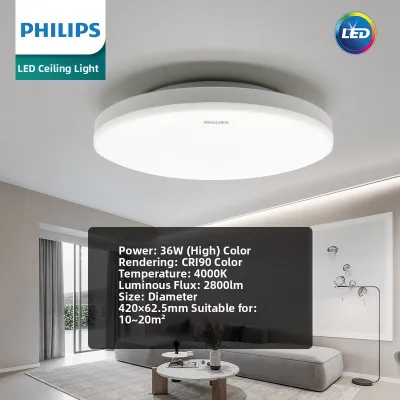
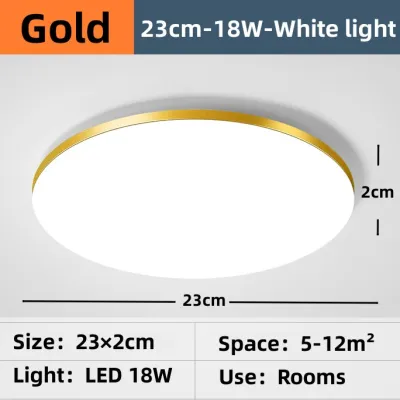
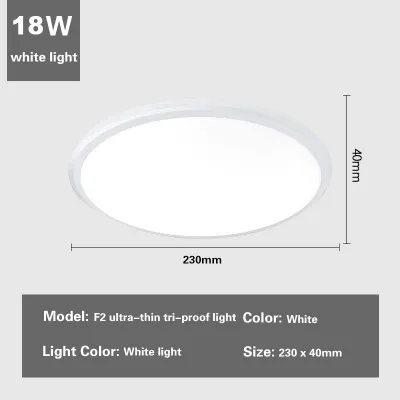
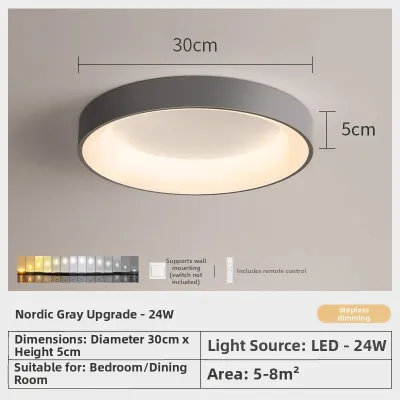
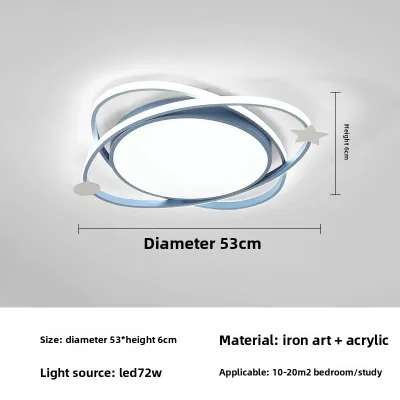
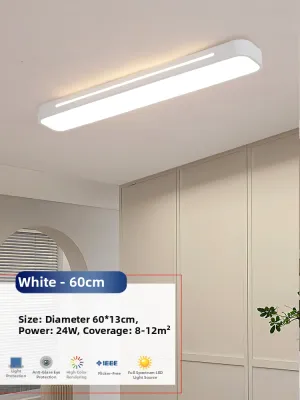
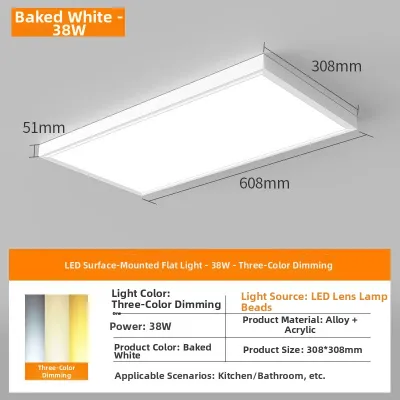
Prices are valid at publication and may change. Please refer to the product page for the latest price.
With modern LED technology, this direct link between power draw and brightness is broken. Lumens represent the total amount of visible light emitted by a fixture, whereas wattage simply measures the electrical energy the fixture consumes from your power supply.
The efficiency of an LED is expressed as luminous efficacy, measured in lumens per watt (lm/W). A high-quality ceiling led light can produce the same light output as an old 75-watt incandescent bulb while consuming only 9 to 12 watts of electricity.
This massive leap in efficiency is particularly beneficial for managing rising energy costs. Swapping older fluorescent tube lights or compact fluorescent lamps (CFLs) for modern LED panels can slash lighting-related energy consumption by up to 50% to 80%.
When shopping on online marketplaces or at local hardware stores, you must compare products using their lumen ratings rather than their wattage. A poorly designed 15-watt LED might only produce 1,200 lumens, while a highly efficient 12-watt model could deliver 1,400 lumens, giving you more light for less power.
Color Temperature Guide: Warm, Cool, or Daylight?
Color temperature describes the visual appearance of the light emitted by an LED, ranging from warm yellow tones to cool blue-white hues. This specification is measured in Kelvin (K) and dictates the mood and functionality of a room.

It is a common misconception that higher Kelvin ratings mean a brighter light. In reality, a 1,000-lumen light at 3000K provides the exact same amount of light energy as a 1,000-lumen light at 6500K; the only difference is how our eyes perceive the color contrast and tone.
- Warm White (2700K to 3000K): This range produces a soft, yellowish glow reminiscent of traditional incandescent bulbs. It promotes relaxation and warmth, making it ideal for spaces where comfort is the priority.
- Cool White (4000K): Often described as a neutral or natural white, this color temperature offers clean visibility without feeling overly clinical. It enhances contrast and reduces eye strain, making it highly versatile for active spaces.
- Daylight (5000K to 6500K): This range mimics bright, midday sun with a distinct blue-white tint. It maximizes visual acuity, keeps the mind alert, and is highly suited for detailed task work or security lighting.
Room-by-Room Guide: Matching Brightness and Color to Your Space
Selecting the perfect ceiling led light requires balancing lumens and color temperature to match the specific activities performed in each room. Below is a practical guide tailored for typical residential spaces.
| Room Type | Recommended Lumen Range | Ideal Color Temperature | Key Considerations |
|---|---|---|---|
| Living Room | 1,500 – 3,000 lm | 3000K – 4000K | Needs cozy ambiance but clear visibility for family gatherings. |
| Kitchen | 2,000 – 4,000 lm | 4000K – 6500K | High contrast is essential for safe food preparation and cooking. |
| Bedroom | 1,000 – 2,000 lm | 2700K – 3000K | Low, warm light promotes better sleep cycles and relaxation. |
| Home Office | 2,000 – 3,000 lm | 4000K – 5000K | Minimizes eye strain and maintains focus during long working hours. |
| Bathroom | 1,500 – 2,500 lm | 4000K | Clear, neutral light is best for grooming and applying makeup. |
Physical room characteristics play a major role in how light behaves. Rooms with high ceilings or dark-colored walls absorb more light, meaning you will need a higher lumen output to achieve the same perceived brightness as a smaller, white-painted room.
In many homes, concrete slab ceilings and open-plan layouts are common. These structural features can create shadows, which are best managed by installing multiple lower-lumen recessed downlights rather than a single, ultra-bright central fixture.
For multi-purpose spaces, such as a dining room that doubles as a homework station, consider installing tri-color LED panels. These fixtures allow you to toggle between warm, cool, and daylight settings using your existing wall switch.
Essential Checks for Recessed and Panel LED Installations
Beyond lumens and color temperature, several technical and physical specifications dictate whether a ceiling led light will operate safely and look correct once installed.
The Color Rendering Index (CRI) measures how accurately a light source reveals the true colors of objects compared to natural sunlight. For standard residential areas, look for a CRI of 80 or higher, while kitchens and vanity areas benefit from a CRI of 90+ to ensure accurate color representation.
Physical compatibility is critical when purchasing recessed downlights or flush-mount panels. You must measure the ceiling’s cut-out diameter and the available clearance depth behind the drywall or concrete slab before purchasing, as trim sizes and driver dimensions vary widely.
Electrical safety is paramount, especially given the standard 220V to 230V electrical grid in the Philippines. Ensure any ceiling led light you purchase carries local safety certifications, such as the Philippine Standard (PS) mark or Import Commodity Clearance (ICC) sticker.
Because ceiling installations involve fixed wiring, working at heights, and potential exposure to moisture in humid tropical climates, safety precautions are mandatory. Always isolate the power supply at the main circuit breaker before attempting any installation or replacement.
Always review the manufacturer’s installation instructions and the specifications of your specific ceiling material. If you are dealing with concrete ceilings, complex routing, or damp areas like bathrooms, consult a qualified professional electrician to handle the wiring and structural modifications safely.
Frequently Asked Questions (FAQ)
How many lumens do I need for a standard bedroom?
For a standard bedroom measuring around 10 to 15 square meters, you generally need a total of 1,500 to 3,000 lumens of light. This translates to roughly 150 to 200 lumens per square meter to ensure comfortable ambient visibility.
If you utilize layered lighting, such as warm bedside table lamps, reading lights, or wardrobe strip lighting, you can opt for a lower-lumen main ceiling led light. This prevents the room from feeling overly bright when you are winding down for sleep.
Is 6000K daylight too harsh for a living room?
For most residential living rooms, a 6000K daylight color temperature is considered too harsh and clinical. The strong blue-white light mimics midday sun, which can interfere with the body’s natural melatonin production and make evening relaxation difficult.
A more balanced choice for a living room is a color temperature between 3000K (warm white) and 4000K (cool white). This range provides sufficient clarity for social activities and reading while maintaining a welcoming, comfortable home atmosphere.

Community discussion
Share your experience or ask a question. Comments are reviewed before publication.