
In many homes across the Philippines, where tropical warmth and high humidity are daily realities, interior design often focuses on creating airy, open, and comfortable spaces. Lighting plays a pivotal role in this effort, transforming how we experience our homes after dark. A flower wall light is an exceptional choice for adding a touch of organic beauty, softening hard architectural lines with its botanical curves. However, the ideal fixture for a cozy bedside sanctuary is rarely the same as one meant to illuminate a busy, narrow hallway.
To choose the best flower wall light, you must balance the physical projection of the fixture with the specific visual tasks of each space. A bedside light benefits from soft, diffused materials like frosted glass or fabric petals paired with low-brightness, warm light to create a relaxing atmosphere. In contrast, a hallway requires a low-profile, flush-mounted floral design made of durable materials like metal or acrylic, paired with brighter, wider-casting illumination to ensure safe passage.
Understanding the Lighting Needs of Each Space
Your bedside is a deeply personal zone dedicated to rest, recovery, and quiet activities like reading or journaling before sleep. The lighting here must be highly adaptable, offering enough focused illumination for reading without casting harsh glare into your eyes when you are lying down. Because you are often looking at the fixture from a low angle while in bed, direct exposure to an unshielded bulb can cause eye strain and disrupt your body’s natural preparation for sleep.
Products mentioned in this guide
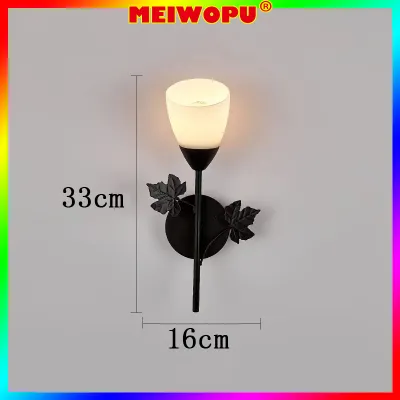
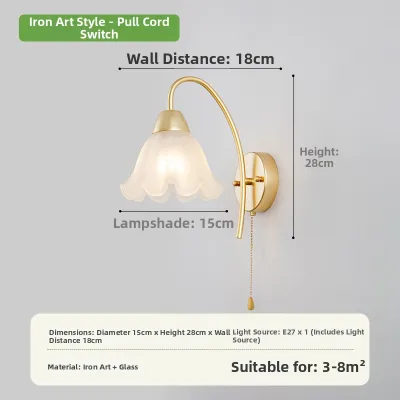
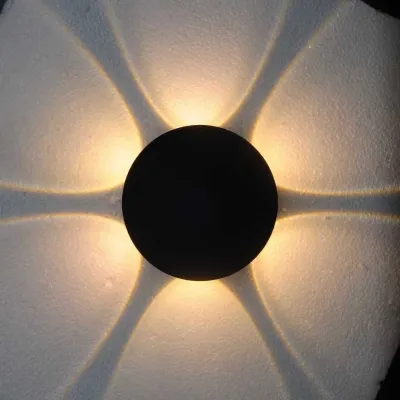
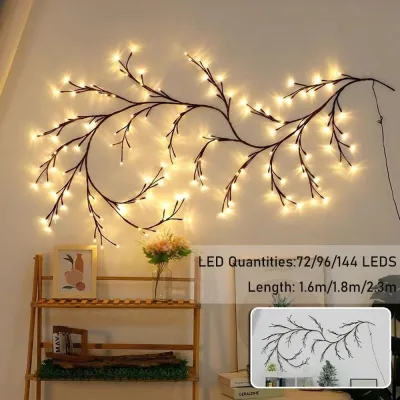
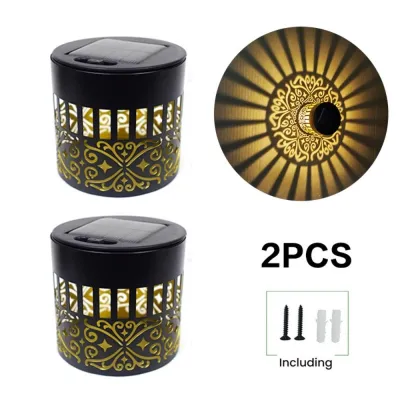
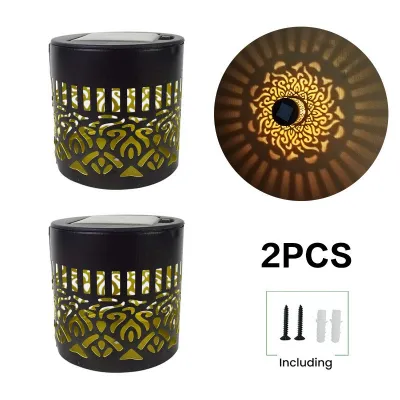
Prices are valid at publication and may change. Please refer to the product page for the latest price.
Furthermore, bedrooms in tropical climates often feature large windows to maximize airflow, meaning natural light dominates the space during the day. This makes the bedside wall light a purely decorative element for much of the day, but a critical tool for comfort once the sun sets. The transition from natural daylight to artificial evening light should be seamless, requiring a gentle, low-intensity glow that mimics the fading twilight.
In contrast, hallways are functional transition zones that experience high foot traffic throughout the day and night. The primary purpose of hallway lighting is safety, ensuring that family members can navigate steps, turns, and doorways without tripping. Clear, even illumination is necessary to eliminate dark corners where dust or household items might accumulate.
Unlike bedrooms, hallways in many residential layouts are enclosed spaces with limited or no access to natural light. This lack of daylight can make corridors feel cramped, dark, and uninviting even during the brightest hours of the afternoon. Wall lights in these areas must work harder to open up the space visually, casting light upward and outward to make the walls feel wider and the ceiling higher.
Selecting the Right Style and Design
When choosing a flower wall light for your bedside, the physical scale of the fixture must harmonize with your headboard, mattress height, and nightstands. A fixture that is too large can make the bedside feel cluttered, while one that is too small will look lost on the wall. The design should feel like an intentional extension of your bedroom’s decor.

The materials of the floral shade are crucial for controlling how light is dispersed. Frosted glass, delicate ceramic, or layered fabric petals are excellent choices for the bedside because they diffuse the light, preventing harsh hotspots. These materials soften the output, casting a gentle, romantic glow that enhances the relaxing atmosphere of the room.
For hallways, the physical profile and durability of the flower wall light take precedence. Because hallways are narrow, high-traffic pathways, fixtures with a deep projection can become physical hazards. A protruding metal branch or a delicate glass leaf can easily snag clothing, get bumped by carrying laundry baskets, or be damaged by active children.
To prevent these issues, look for flush-mounted or low-profile floral designs that sit close to the wall surface. Materials like sturdy wrought iron, brass, or high-quality acrylic are preferred for hallways because they can withstand occasional accidental contact. These durable materials ensure the fixture remains beautiful and intact despite the daily hustle and bustle of a busy household.
Before purchasing any fixture, always measure your hallway’s width and compare it to the manufacturer’s specified projection depth. Ensuring there is ample clearance space guarantees that your beautiful floral accent remains a source of style rather than a daily physical obstacle.
Determining the Ideal Brightness and Light Quality
Achieving the perfect lighting effect requires a careful look at the technical specifications of both the fixture and the bulb. Start by reviewing the manufacturer’s product label or spec sheet to identify the maximum wattage limit and the recommended bulb type. This step is vital for safety, as exceeding the wattage limit can cause overheating, particularly in enclosed or semi-enclosed floral shades.
For bedside applications, a low lumen output is ideal to create a calm, sleep-friendly environment. Pairing this low brightness with a warm color temperature, typically around 2700K, creates a cozy, candle-like glow. This warm light helps signal to your brain that it is time to wind down, making it much easier to fall asleep.
Incorporating a dimmable flower wall light at your bedside provides the ultimate flexibility for your evening routine. You can keep the light bright enough for reading, then dim it down to a soft whisper of light when you are ready to sleep. When planning this setup, ensure that both the LED bulb and your wall switch are certified as dimmable to prevent flickering or buzzing.
Hallways, on the other hand, require a brighter and more neutral light quality to ensure safe passage. A color temperature between 3000K and 4000K offers a clean, clear light that improves visibility without feeling cold or clinical. This range helps highlight the details of your floral fixture while making the entire corridor feel clean, bright, and spacious.
In tropical climates, heat dissipation is another important factor to consider when choosing bulbs. LEDs are highly recommended over traditional incandescent bulbs because they produce very little heat. This keeps the fixture cool to the touch, protecting delicate materials like fabric or resin petals from heat damage and helping to keep your indoor spaces cooler.
Installation and Safety Considerations
Proper installation is key to ensuring your flower wall light operates safely and remains securely attached to the wall. Before beginning any work, always isolate the power at your home’s main circuit breaker. Never rely solely on the wall switch to turn off the electricity, as wiring configurations can sometimes leave live currents running to the fixture box.
Inspect the existing wall junction box to ensure it is in good condition and securely fastened to the wall framing. If you are replacing an older fixture, check the existing wiring for any signs of wear, such as cracked insulation, corrosion, or loose wire nuts. In humid tropical environments, moisture can sometimes cause copper wires to oxidize, so ensuring clean, solid connections is vital for electrical safety.
If your project involves running new electrical lines through the wall, installing a fixture in a hard-to-reach spot, or if you feel uncertain about handling electrical wiring, it is time to hire a licensed electrician. A professional will ensure that the installation complies with local building and electrical codes, giving you peace of mind that your home is safe.
Finally, consider the weight of your chosen flower wall light. Intricate floral designs made of heavy metals, thick glass, or ceramic can be surprisingly heavy. Always verify the weight limits of your mounting hardware and use high-quality wall anchors if you are not mounting directly into a wooden wall stud. A secure mount prevents the fixture from sagging or falling, protecting both your family and your beautiful new light.
Frequently Asked Questions (FAQ)
Can I use the exact same flower wall light in both the bedroom and hallway?
Yes, you can use the same physical fixture design in both spaces to create a cohesive aesthetic throughout your home, but you should adapt how they function. For the bedside, pair the fixture with a lower-lumen, warm-toned bulb and a dimmer switch for a relaxing ambiance. For the hallway, install a brighter, neutral-toned bulb to ensure safe navigation and clear visibility. This approach allows you to maintain visual consistency while meeting the distinct lighting needs of each area.
How do I clean and maintain intricate flower wall light designs?
Decorative floral fixtures with detailed petals and crevices tend to collect dust over time, which can dim their light output. Always turn off the power at the wall switch or main breaker and allow the bulb to cool completely before cleaning. Use a soft, dry microfiber cloth or a static duster to gently wipe away dust from the petals. Avoid harsh chemical cleaners or wet cloths unless the manufacturer’s care instructions explicitly state they are safe for that specific material, as moisture can damage delicate finishes or electrical components.

Community discussion
Share your experience or ask a question. Comments are reviewed before publication.