
Finding the right light for bathroom spaces in low-ceiling Philippine condominiums requires balancing physical clearance, tropical humidity resistance, and adequate illumination. In typical high-rise developments across Metro Manila and other urban hubs, concrete slab ceilings or low-hanging dropped ceilings often limit vertical space, making bulky hanging fixtures impractical. A low-profile, moisture-rated flush mount light serves as an excellent solution, keeping the pathway clear while providing bright, even light.
To make an informed choice, you must evaluate the fixture’s physical depth, ingress protection against steam, and electrical compatibility with local residential standards. By focusing on these practical specifications, you can ensure your bathroom remains safe, functional, and visually open without sacrificing valuable headroom.
Key Selection Criteria for Low-Ceiling Bathroom Lights
Condo bathrooms in the Philippines often feature dropped ceilings designed to conceal plumbing lines and utility ducts, resulting in floor-to-ceiling heights of 2.4 meters or less. In these tight spaces, every centimeter of vertical clearance matters. A fixture with a profile of 5 centimeters or less is highly recommended to prevent tall users from accidentally bumping into it. Before purchasing, measure the clearance from the highest point of your shower door swing and the top of your medicine cabinet to ensure the light does not obstruct any moving parts.
Products mentioned in this guide
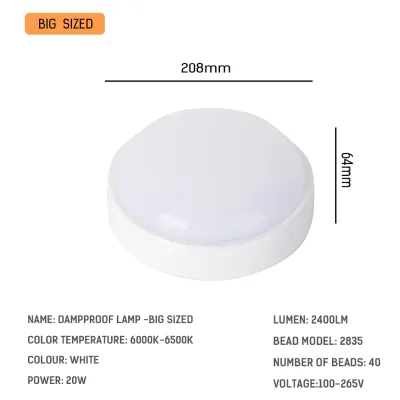
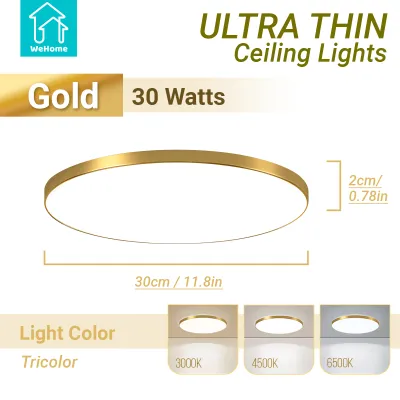
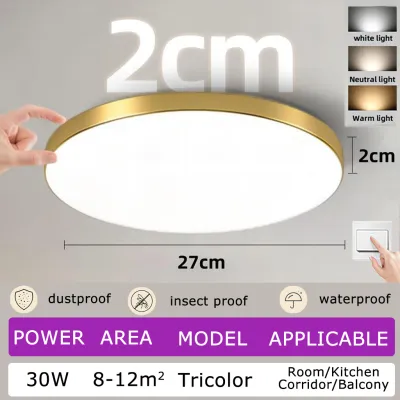
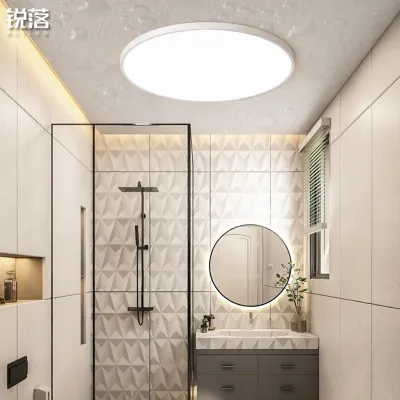
Prices are valid at publication and may change. Please refer to the product page for the latest price.
Instead of relying on wattage, which only measures power consumption, look at the lumen output on the product packaging to determine actual brightness. For a standard condo bathroom, which typically ranges from 3 to 6 square meters, a total light output of 800 to 1,500 lumens is generally sufficient. If your bathroom features dark tiles or paint, you may need to lean toward the higher end of this range to compensate for light absorption, whereas light-colored tiles reflect light and require fewer lumens.
Color temperature is measured in Kelvin (K) and dictates the visual warmth of the space. For task-oriented areas like the vanity mirror, neutral white light around 4000K offers a balanced view without distorting skin tones. If you prefer a cozy, spa-like atmosphere for long baths, warm white light around 3000K is a popular alternative. Some modern flush mount fixtures feature a physical toggle switch on the back of the housing, allowing you to select your preferred color temperature before final installation.
Moisture Resistance and Safety Ratings
The tropical climate of the Philippines, combined with hot showers in enclosed condo bathrooms, creates a highly humid environment. To prevent electrical failures and short circuits, you must verify the fixture’s Ingress Protection (IP) rating. An IP rating consists of two digits: the first indicates protection against solid particles, and the second indicates protection against liquids. For general bathroom ceiling installations, look for at least an IP44 rating, which protects against splashing water from any direction.

High humidity accelerates the corrosion of metal components, making material choice a critical factor. Avoid fixtures with exposed iron or low-grade steel frames, as they are highly susceptible to rust in damp environments. Instead, check product labels for corrosion-resistant materials such as polycarbonate, acrylic, aluminum, or treated stainless steel. A fully sealed diffuser is also crucial; it prevents steam, dust, and small insects from entering the housing and clouding the light output over time.
Residential electricity in the Philippines standardizes at 220V to 240V at 60Hz. When purchasing fixtures online or from local hardware stores, always verify that the operating voltage matches this standard. Importing fixtures designed for 110V systems without a compatible transformer will damage the unit and pose a fire hazard. Look for local safety certifications, such as the Philippine Standard (PS) mark or the Import Commodity Clearance (ICC) sticker on the packaging, to ensure the product has undergone rigorous safety testing.
Building Your Conditional Shortlist
In small powder rooms that lack a shower or bathtub, humidity levels are significantly lower, allowing for more flexibility in your choice. However, because these spaces are often exceptionally compact, an ultra-slim LED disc light is an excellent choice. Focus on fixtures with a wide beam angle of 120 degrees or more to distribute light evenly across the small floor area. Since task lighting is less critical here than in a full bathroom, a softer, warm-white light can create a welcoming environment for guests.
If your condo features a larger master bathroom with a bathtub or high-end shower fixtures, you may want to design a more versatile lighting scheme. Look for dimmable flush mount lights that allow you to adjust the brightness levels. Lowering the light intensity transforms the space into a relaxing sanctuary, while full brightness remains available for morning routines. Ensure that your wall dimmer switch is explicitly compatible with the specific LED driver inside the flush mount fixture to avoid annoying flickering.
Many high-rise condo layouts position bathrooms deep within the building’s interior, leaving them completely windowless. To combat the gloomy feel of a windowless space, prioritize fixtures with a high Color Rendering Index (CRI) of 90 or above. A high CRI ensures that colors appear natural and vibrant, mimicking the effect of natural daylight. Pair this with a daylight-balanced color temperature of 5000K to 6500K to make the windowless bathroom feel larger, cleaner, and more open.
Installation Checks and Professional Boundaries
Before purchasing any new fixture, turn off the main power breaker and inspect your existing ceiling junction box. Low-ceiling condos often use shallow concrete boxes or simple plasterboard anchors. Verify the weight limit of the existing support structure; lightweight plastic LED panels are generally safe for most ceilings, but heavier glass or metal fixtures require a securely anchored metal junction box. Inspect the condition of the existing wires, looking for any signs of brittle insulation, copper corrosion, or loose connections.
Most condominium corporations in the Philippines enforce strict guidelines regarding unit renovations and electrical modifications. Before scheduling any work, consult your building administration office to obtain the necessary permits and clarify the rules. Some properties require a licensed electrician to perform any hardwired installations, and unauthorized modifications to the ceiling slab or structural concrete are strictly prohibited.
While replacing an existing light fixture can sometimes be a straightforward DIY task, you must recognize when to call a professional. Stop immediately and consult a licensed electrician if you discover ungrounded wiring, damaged insulation, or if there is no existing junction box at the installation site. Working with electricity in a damp bathroom environment carries a high risk of shock; prioritizing professional installation ensures compliance with the Philippine Electrical Code and guarantees long-term safety.
Frequently Asked Questions (FAQ)
Can I use a standard flush mount light in a bathroom?
Using a standard, dry-rated flush mount light in a full bathroom is not recommended and can be highly hazardous. Standard fixtures lack the rubber gaskets and sealed housings required to keep moisture out of the electrical connections. Over time, steam from hot showers will penetrate the fixture, leading to rapid corrosion of the internal wiring, short circuits, and a significantly reduced lifespan for the bulb or LED driver. Always verify that the product packaging explicitly states it is rated for damp or wet locations before installing it in a bathroom.
How do I clean a flush mount bathroom light without damaging it?
To clean your bathroom flush mount light safely, always begin by turning off the power at the main circuit breaker and allowing the fixture to cool completely. Use a dry, soft microfiber cloth to wipe away accumulated dust and lint from the exterior diffuser. If there is sticky humidity residue or water spots, slightly dampen the cloth with water and a mild, non-abrasive dish soap. Avoid spraying liquid cleaners directly onto the fixture, and never use harsh chemical solvents or abrasive scrubbing pads, as these can scratch the plastic diffuser or strip the protective rust-resistant coating off the metal trim. Ensure the fixture is completely dry before restoring power.
Are LED flush mount lights better for low ceilings?
Integrated LED flush mount lights are highly advantageous for low-ceiling bathrooms due to their incredibly slim profiles. Unlike traditional fixtures that require space for a bulb socket and a replaceable bulb, integrated LEDs house the light source directly on a flat circuit board, allowing the entire fixture to be as thin as 1 to 2 centimeters. Additionally, LEDs generate significantly less heat than incandescent or halogen bulbs. In enclosed, low-clearance spaces where heat can build up quickly and degrade materials, the efficient heat dissipation of LEDs helps prolong the life of both the fixture and the surrounding ceiling materials.

Community discussion
Share your experience or ask a question. Comments are reviewed before publication.