
Selecting the right Aimo home landscape lighting for a compact garden in the Philippines requires balancing functional illumination with the physical scale of your outdoor space. In a small yard, over-lighting can quickly wash out natural textures, while under-lighting leaves hazardous dark spots along walkways. By choosing low-profile fixtures, verifying weatherproofing specifications, and positioning lights to highlight specific focal points, you can create an inviting, visually spacious outdoor retreat.
The ideal setup utilizes a mix of low-voltage path lights and adjustable accent spotlights that withstand tropical humidity and heavy seasonal downpours. By planning carefully, you can transform a modest garden into a beautifully balanced nighttime environment.
Assessing Your Small Garden's Layout and Lighting Needs
Before purchasing any Aimo home fixtures, you must map out the physical layout of your compact garden to identify distinct functional zones. A typical small residential yard often combines a narrow walkway, a few raised plant beds featuring tropical foliage like pocket palms or ferns, and perhaps a small seating area or patio. Walkways require clear, downward-directed light to ensure safe passage at night, while seating areas benefit from soft, indirect ambient illumination that encourages relaxation. Plant beds offer an opportunity for decorative accent lighting, which adds depth and makes the boundaries of a small yard feel more expansive.
Products mentioned in this guide
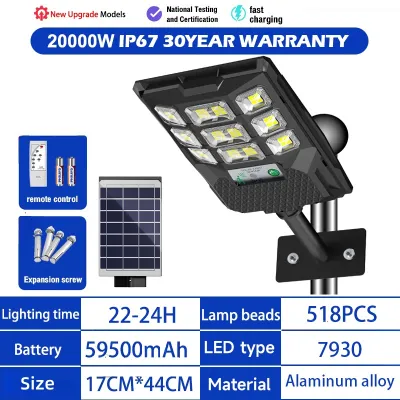
Prices are valid at publication and may change. Please refer to the product page for the latest price.
Evaluating the scale of your garden is critical to preventing visual clutter during the day and light pollution at night. In a limited space, installing too many fixtures or choosing overly tall bollards can make the garden feel crowded and industrial. Instead, aim for a minimalist approach where the light source itself remains largely hidden, focusing the eye on the illuminated plants or pathways rather than the physical hardware.
Identifying dark spots is another essential step in your layout planning. Walkway transitions, steps, and areas near entryways are primary candidates for safety illumination. Conversely, leaving certain corners in soft shadow can actually enhance the sense of depth in a small garden, creating a pleasing contrast between light and dark that makes the overall space feel larger than its physical dimensions.
Matching Fixture Types to Compact Garden Zones
Selecting the right Aimo home fixtures involves matching their light distribution patterns and physical dimensions to the specific scale of your garden zones. Large, wide-angle floodlights are generally unsuitable for compact yards because they spill excess light onto neighboring properties and create harsh, flat illumination. Instead, look for fixtures with narrow, controlled beams or downward-directed shields that keep the light focused exactly where it is needed.

Fixture height is equally important when maintaining proper proportions in a small garden. Tall path lights can look awkward next to low-growing ground cover, whereas low-profile stake lights blend seamlessly into the landscape. Always check the product specifications for the physical dimensions and recommended spacing of each fixture to ensure they align with the actual measurements of your garden beds and walkways.
Path and Bollard Lights for Narrow Walkways
For narrow walkways, selecting the correct height for path and bollard lights is essential to prevent glare. If a fixture is too tall, the light source may shine directly into your eyes as you walk, disrupting your night vision and detracting from the garden’s ambiance. Opt for low-profile path lights that stand close to the ground, ensuring the light source is shielded and directed downward onto the walking surface.
Spacing is another critical factor when planning walkway lighting in a compact yard. Placing fixtures too close together creates a cluttered look and can make your path resemble an airport runway. To avoid this, calculate the light spread of your chosen Aimo home fixtures and space them so that the edges of the light pools gently touch or leave small gaps of shadow between them, guiding movement naturally.
Always verify that the path lights feature a shielded design, such as a top cap or a louvers system, which prevents light from escaping upward. This design choice not only protects your eyes from direct glare but also helps preserve dark-sky compliance, keeping the focus on the natural beauty of your garden floor.
Spotlights and Accent Lights for Focal Points
Spotlights and accent lights are powerful tools for adding drama and depth to a small garden, but they must be used selectively. When highlighting a specific plant, such as a pocket palm, or an architectural feature like a stone wall, choose a fixture with an adjustable beam angle. A narrow beam of 15 to 30 degrees is ideal for tall, slender features, while a slightly wider wash light works better for low, broad shrubs.
Positioning these fixtures requires careful planning to avoid spilling light into neighboring windows or onto adjacent properties, which is a common issue in densely populated residential areas. Angle the spotlights away from property lines and direct the beam upward into the foliage of your plants, using the leaves and branches to naturally filter and contain the light.
You can control the intensity of the shadow effect and the overall brightness by adjusting the physical distance between the spotlight and the focal point. Placing the light closer to the base of a plant and aiming it straight up creates a dramatic, high-contrast shadowing effect on nearby walls, while moving the fixture further back softens the light and provides a more subtle, organic glow.
Verifying Technical Specifications and Outdoor Suitability
When selecting Aimo home landscape lighting for the Philippine climate, verifying technical specifications is paramount to ensure long-term safety and performance. The local environment presents unique challenges, including intense tropical heat, high humidity, and heavy rainfall during the wet season. First, check the Ingress Protection (IP) rating on the product packaging or manual. For outdoor fixtures exposed to direct rain, an IP65 rating is the minimum standard, indicating the light is dust-tight and protected against water jets, while IP67 is preferred for ground-level fixtures that might experience temporary pooling water.
Electrical safety and voltage compatibility must also be carefully evaluated. The standard residential voltage in the Philippines is 220V. If you choose low-voltage systems (typically 12V or 24V), you must install a compatible step-down transformer that converts the mains voltage safely. Low-voltage systems are highly recommended for DIY installations because they carry a significantly lower risk of severe electrical shock if a cable is accidentally damaged. For any mains-voltage (220V) installations, ensure the fixtures carry valid electrical safety certifications and that all fixed wiring is routed through protective conduits. Always isolate the power supply before handling any electrical connections, and consult a licensed professional electrician for all fixed wiring installations.
Additionally, examine the material construction of the fixtures. Aluminum with high-quality powder coating, brass, or heavy-duty composite plastics are excellent choices for resisting corrosion in humid tropical environments. Avoid cheap, untreated metals that will quickly rust when exposed to constant moisture and salty coastal air.
Planning the Layout and Avoiding Common Small-Space Mistakes
A successful small-garden lighting design relies on balance and restraint. One of the most common mistakes is over-illuminating the space, which eliminates the natural contrast that makes a garden appealing at night. Aim for a balanced level of brightness by using lower-wattage LED bulbs or fixtures with dimming capabilities, allowing you to adjust the intensity to match the quiet, relaxing atmosphere of a residential outdoor area.
To avoid the rigid, institutional look of a “runway effect,” stagger your path lights on alternating sides of the walkway rather than placing them in perfectly symmetrical pairs. This staggered arrangement guides the eye in a gentle, serpentine path through the garden, making the walkway feel longer and more organic.
Finally, ensure that the physical placement of the fixtures does not create practical problems. Avoid placing lights directly in the path of foot traffic where they could become trip hazards, and keep them clear of areas where you use garden tools, lawnmowers, or trimmers. Placing fixtures slightly inside plant beds or behind low borders protects the hardware from accidental damage during routine garden maintenance while keeping the light source neatly integrated into the landscape.
Frequently Asked Questions (FAQ)
Can I install Aimo home landscape lights myself?
Yes, you can safely install solar-powered or low-voltage (12V/24V) Aimo home landscape lights yourself, as these systems do not require complex electrical wiring and pose minimal safety risks. Always follow the manufacturer’s instructions for assembling stakes, routing low-voltage cables, and securing connections. However, if your layout involves mains-voltage (220V) wiring, deep trenching near water features, or connecting directly to your home’s main electrical panel, you must isolate the power and hire a licensed professional electrician to ensure compliance with local electrical codes and safety standards.
How do I maintain outdoor lights during the rainy season?
Maintaining your outdoor lights during the rainy season involves regular visual inspections to check for moisture ingress, condensation inside the lenses, or signs of corrosion on metal parts. Clean the light lenses and solar panels periodically using a soft, damp cloth to remove dirt, mud splatters, and algae buildup, which can significantly reduce light output. If you notice any damaged seals, exposed wires, or loose connections, turn off the power supply immediately and repair or replace the affected components strictly according to the manufacturer’s instructions.

Community discussion
Share your experience or ask a question. Comments are reviewed before publication.