
Finding the perfect aurora light for your room involves balancing visual performance, convenient controls, and safety specifications. To transform your bedroom or condo into a soothing sanctuary, the ideal projector must match your room’s dimensions and provide the exact level of customization you need. Instead of relying on a one-size-fits-all lamp, choosing the right device requires a close look at projection coverage, light source technologies, and dimming ranges.
An aurora light for room use serves primarily as ambient mood lighting rather than a main light source. In tropical climates like the Philippines, where evenings are spent unwinding from the daytime heat, these lights offer a visual escape that mimics the cool, dancing northern lights. Understanding the technical specifications ensures you choose a model that is both safe for long nights of operation and perfectly scaled to your walls.
Quick Guide: Core Specs for Room Ambient Lighting
Before diving into complex settings, it is essential to establish what an aurora projector is designed to do. Unlike standard ceiling fixtures or task lamps, these devices are engineered to cast wide, low-intensity washes of light and moving patterns. They are not meant for reading, studying, or general room illumination, but rather to lower visual stimulation before sleep or to set a relaxed mood for entertainment.
Products mentioned in this guide
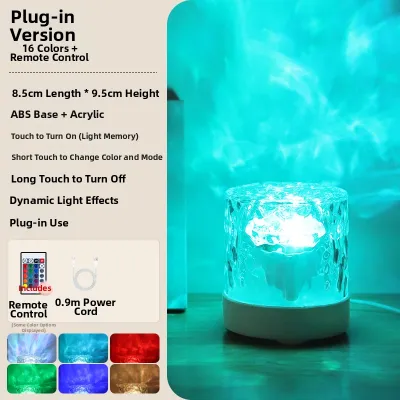
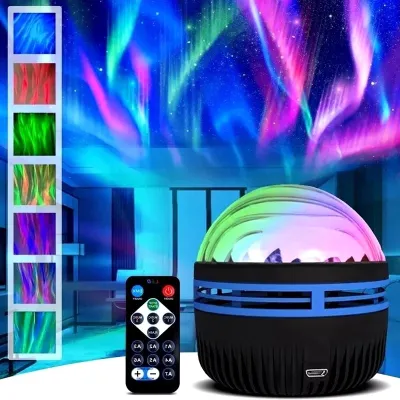
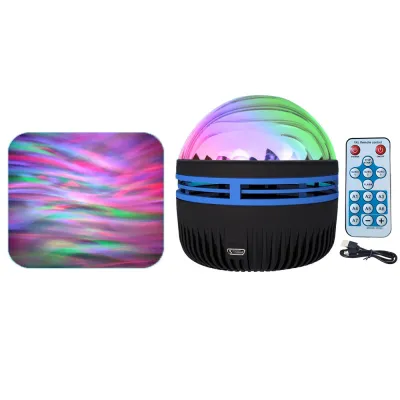
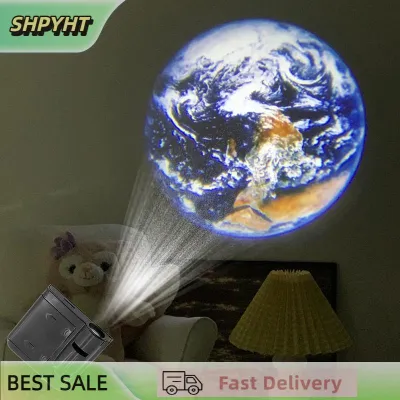
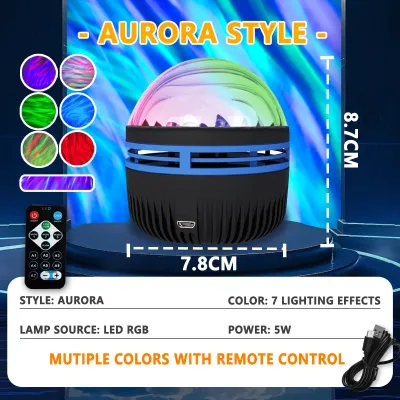
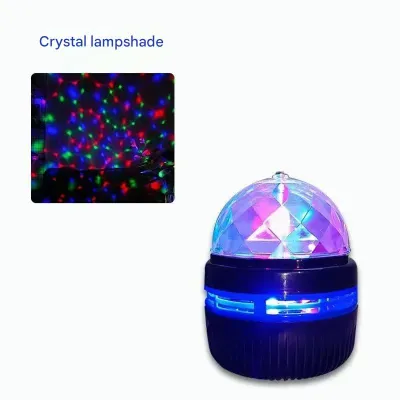

Prices are valid at publication and may change. Please refer to the product page for the latest price.
When browsing online marketplaces, you will encounter a wide variety of designs, from simple astronaut-shaped figurines to sleek, minimalist spheres. To cut through the marketing noise, focus on four key decision-making pillars:
- Projection Coverage: The physical area the light can paint without losing focus or distorting.
- Light Source Type: The combination of LEDs and lasers used to generate the nebula clouds and stars.
- Brightness Adjustability: The ability to dim the light to ultra-low levels suitable for sleeping.
- Control Methods: The choice between physical remotes, onboard buttons, or smartphone applications.
How you prioritize these features depends heavily on your daily routine. If you intend to use the projector primarily as a sleep aid, ultra-low dimming and reliable auto-shutoff timers are your most important considerations. On the other hand, if you want to elevate a gaming setup or host social gatherings in a living room, dynamic color modes and sound-reactive features will take priority.
Projection Coverage and Throw Distance Explained
The size of your room directly dictates how a projector will perform. Every aurora light has a specific throw distance, which is the physical span between the projector lens and the surface where the image is displayed. As this distance increases, the projected image naturally expands, but the light intensity decreases. If a projector is placed too far from a wall or ceiling, the aurora effect can become faint and blurry.

To ensure a sharp display, you must choose between fixed-focus and adjustable-focus models. Fixed-focus projectors are designed for average ceiling heights and work best within a narrow distance range, typically between two to three meters. If your room falls outside this standard range, look for a model featuring a manual focal adjustment ring or dial. This allows you to fine-tune the lens to achieve crisp, pinpoint stars rather than fuzzy, distorted shapes.
Before making a purchase, take a moment to measure your room’s ceiling height and the distance from your bedside table to the target wall. Compare these measurements with the manufacturer’s specified maximum coverage area, which is usually listed in square meters. For compact condo units in urban areas, a projector with a wide-angle lens and a shorter throw distance is ideal, as it can fill a small room with vibrant colors without needing to be placed far away.
Furthermore, consider how the light is distributed across the space. Some projectors feature a rotating dome or a multi-angled base that allows you to tilt the device. This flexibility lets you direct the aurora onto a single accent wall, sweep it across the entire ceiling, or angle it into a corner to minimize direct glare when you are lying down in bed.
Decoding Light Sources, Color Modes, and Brightness
The visual magic of an aurora projector relies on two distinct light sources that work in tandem. The primary ambient glow, representing the flowing waves of the northern lights, is generated by high-efficiency Light Emitting Diodes (LEDs). These LEDs produce soft, blended nebula clouds that slowly drift across the room. To complement this, many models include a secondary laser light source, which projects sharp, high-contrast points of light to simulate a starry night sky.
When evaluating the color capabilities, look for the distinction between standard Red-Green-Blue (RGB) and advanced Red-Green-Blue-White (RGBW) systems. RGBW models include a dedicated white light channel, which allows for much cleaner pastel tones, softer transitions, and a more natural-looking white light option. Having access to a broad spectrum of color modes lets you tailor the environment to your personal preference and circadian rhythm. For instance, warm amber and soft red tones are excellent for evening relaxation as they do not disrupt melatonin production, while cool blues and greens can create a refreshing, calm atmosphere after a hot tropical day.
Brightness levels and dimming capabilities are equally crucial for bedroom environments. While a high lumen output is great for daytime use or brightly lit social gatherings, it can easily disrupt your sleep at night. Therefore, you should prioritize models that offer stepless dimming or a wide range of incremental brightness settings, ideally allowing you to dim the light down to 10% or lower. A truly sleep-friendly projector should fade into the background, providing just enough visual interest to soothe the mind without casting harsh shadows or keeping you awake.
Evaluating Timers, App Controls, and Audio Sync
Convenience features play a major role in how seamlessly an aurora light integrates into your daily life. An essential feature to look for is a built-in auto-shutoff timer, which typically offers settings for one, two, or four hours. This function ensures the device does not run continuously throughout the night, which saves electricity, prevents the internal components from overheating, and preserves the overall lifespan of the LED and laser light sources.
How you interact with the projector also affects your user experience, especially in a dark room. Onboard physical buttons are useful for quick adjustments, but they require you to get out of bed. A dedicated physical remote control is a convenient step up, allowing you to change colors or adjust brightness from your pillow. For maximum flexibility, look for models that support smartphone applications via Wi-Fi or Bluetooth. App controls often unlock advanced features, such as custom color blending, precise scheduling, and seamless integration with smart home ecosystems.
Many modern ambient lamps also feature an audio sync or sound-reactive mode, often powered by a built-in microphone or an integrated Bluetooth speaker. In this mode, the movement and color transitions of the aurora synchronize with the beat of your music or game audio. While this is an excellent feature for lively entertainment, gaming setups, or home theater rooms, it is usually too distracting for sleep. If you choose a model with audio sync, ensure that this feature can be easily toggled off so it does not accidentally trigger from ambient room noises or snoring.
Power Requirements, Heat Dissipation, and Safety Specs
Because an aurora projector is an electrical device designed to run for hours at a time, safety and hardware specifications must not be overlooked. First, verify the power input requirements. Most consumer projectors are powered via a USB cable, which offers great flexibility. However, you must ensure that the USB power adapter you use matches the manufacturer’s recommended voltage and amperage (typically 5V/2A) and is compatible with the standard 220V electrical outlets used in the Philippines. Using an underpowered adapter can cause the projector to flicker or shut down, while an incorrect voltage input can permanently damage the internal circuitry.
Heat dissipation is another critical factor, particularly in warm, humid environments. As the LEDs and lasers operate, they generate internal heat that must be safely dissipated. Look for models designed with adequate ventilation grilles or quiet internal cooling fans. Before purchasing, check user reviews or product specifications for the fan’s noise level, measured in decibels (dB). A bedroom projector should ideally operate below 30 dB—roughly equivalent to a soft whisper—to ensure the mechanical hum does not disturb your rest.
Finally, assess the physical design and stability of the unit. A stable, wide base with anti-slip rubber pads is essential to prevent the projector from tipping over if placed on a bedside table or shelf. If you plan to mount the device on a wall or adjust it to extreme angles, verify that the mounting hardware or adjustable bracket is secure. Always consult the manufacturer’s instructions for proper placement, and ensure the unit is kept away from soft bedding, curtains, or damp areas to maintain safe airflow and prevent electrical hazards.
Frequently Asked Questions (FAQ)
Can I use an aurora light projector as my main room lighting?
No, an aurora light projector cannot replace your main room lighting. These devices are classified as decorative ambient lighting and are designed to produce low-intensity, atmospheric effects. They do not provide the high-lumen, focused illumination required for tasks like reading, writing, or cooking. For safe and comfortable room utility, always combine your aurora projector with dedicated task or general lighting fixtures.
Are laser aurora lights safe for children's eyes?
Laser safety depends entirely on the device’s classification and how it is positioned. Always check the manufacturer’s specifications to ensure the projector uses a low-power laser, typically classified as Class 1 or Class 2, which are generally considered safe for consumer use under normal conditions. However, you should never look directly into any laser beam. To protect children and pets, place the projector on a high shelf or stable surface out of their direct line of sight, ensuring the beams are projected upward onto the ceiling and away from beds or cribs.

Community discussion
Share your experience or ask a question. Comments are reviewed before publication.