
Finding the ideal bamboo lamp ceiling fixture for a low-ceiling condominium in the Philippines requires balancing natural tropical aesthetics with strict spatial limits. Standard condo units in metropolitan areas often feature ceiling heights of 2.4 to 2.7 meters, leaving little room for dangling chandeliers or low-hanging pendant lights. A flush mount bamboo fixture offers a practical solution, hugging the ceiling closely while introducing organic warmth, texture, and a relaxed tropical resort feel to compact urban spaces. To make the right choice, you must evaluate vertical clearance, material treatment for high humidity, bulb compatibility, and building safety regulations.
Measuring Clearance and Space Constraints
To ensure your new bamboo lamp ceiling fixture does not make your living space feel cramped, start by measuring the exact floor-to-ceiling height of your condo. Use a reliable steel tape measure from the floor to the concrete slab or drywall ceiling. Once you have this total height, subtract the height of your tallest household members and any high-profile furniture, such as tall wardrobes or bunk beds, to establish a safe clearance zone. Ideally, the bottom of the light fixture should remain at least 2.1 meters above the finished floor to prevent accidental contact.
Next, consider the horizontal footprint of the room to ensure the fixture’s diameter is visually proportional. A massive light fixture in a small studio condo can overwhelm the room, while an undersized flush mount might look lost. A helpful general guideline is to add the length and width of the room in feet, and convert that sum into inches to find an appropriate fixture diameter. For example, a 10×10 foot bedroom comfortably accommodates a fixture with a diameter of around 20 inches (approximately 50 centimeters).
Products mentioned in this guide
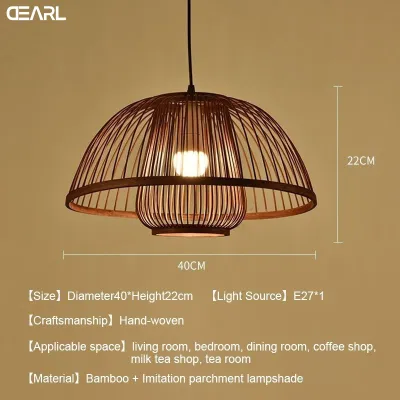
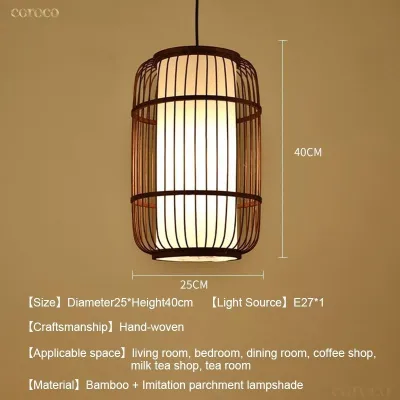
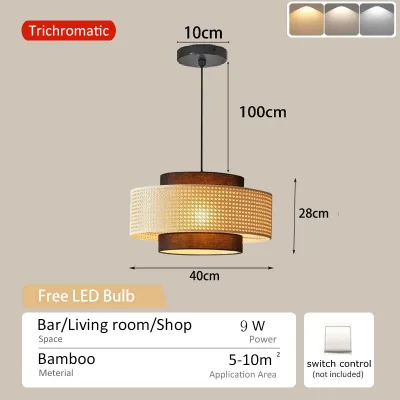
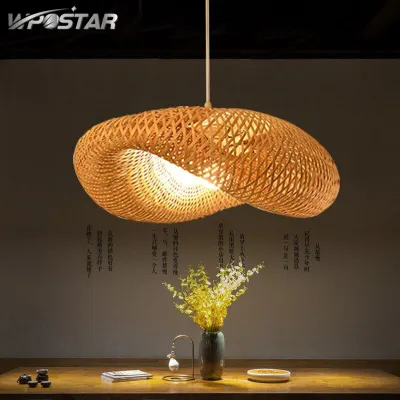
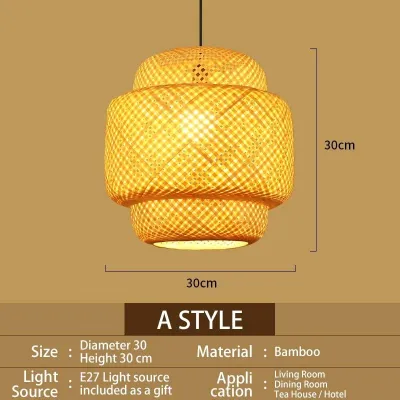
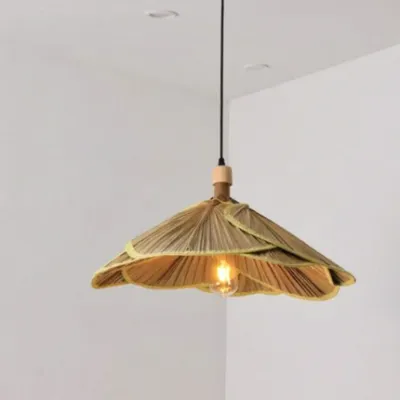
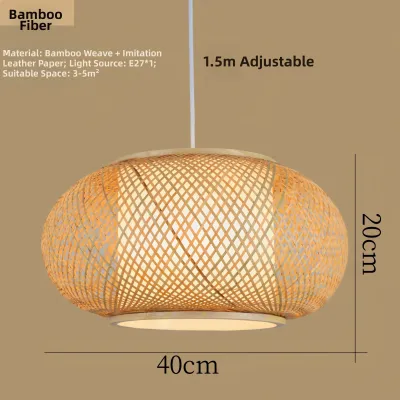
Prices are valid at publication and may change. Please refer to the product page for the latest price.
Finally, map out any structural obstacles on your ceiling before finalizing your purchase. Condo ceilings frequently house hidden or exposed utility lines, concrete beams, air conditioning vents, and active fire sprinkler heads. Ensure the flush mount base can sit completely flat against the ceiling surface without blocking or coming into close proximity with these essential safety and ventilation systems.
When dealing with exceptionally low ceilings, look specifically for ultra-low-profile flush mounts. These fixtures typically have a depth or drop of less than 15 centimeters. Choosing a shallow profile ensures that the bamboo weave sits as close to the ceiling plane as possible, maximizing the open air space below and maintaining an unobstructed line of sight across your living room or dining area.
Evaluating Bamboo Quality and Light Diffusion
Living in a tropical climate like the Philippines means dealing with high relative humidity throughout the year, which can severely impact natural materials. When selecting a bamboo lamp ceiling fixture, verify that the bamboo has undergone proper curing, treatment, and sealing. Untreated bamboo is highly susceptible to warping, mold growth, and wood-boring insect infestations, especially during the wet season. Look for products finished with a clear, moisture-resistant protective lacquer or polyurethane coating that seals the fibers without masking the natural grain.

The density of the bamboo weave directly dictates how light is distributed across your condo. A tightly woven bamboo shade acts as a natural diffuser, softening the glare of the bulb and casting a warm, gentle glow suitable for cozy bedrooms or living areas. Conversely, an open or loose weave creates dramatic, high-contrast shadow patterns on the ceiling and walls. While these patterns offer a striking decorative effect, they can sometimes cause visual fatigue in workspaces, so consider adding an inner fabric or acrylic diffuser if you require uniform, functional task lighting.
Do not overlook the structural integrity of the fixture’s frame and mounting hardware. Because bamboo is lightweight, some manufacturers use flimsy wire frames that can bend easily during installation or cleaning. Opt for fixtures built around a sturdy, powder-coated iron or steel chassis. This internal frame must securely support the weight of the bamboo shade and hold the electrical socket assembly firmly in place against the ceiling junction box, preventing any sagging over time.
Additionally, inspect the quality of the individual bamboo strips. High-quality fixtures feature smooth, sanded edges without splinters or rough patches that could snag cleaning cloths or trap dust. The color of the bamboo should be consistent across the entire weave, indicating that the material was harvested at maturity and dried uniformly. Investing in well-crafted bamboo ensures that the fixture remains an attractive centerpiece for years without degrading.
Matching Bulb Specifications and Heat Limits
Natural materials like bamboo require careful thermal management to prevent discoloration, drying, or potential fire hazards. Always check the manufacturer’s specified maximum wattage limit for the fixture before installing any bulb. Because flush mount fixtures sit close to the ceiling and trap heat within their enclosures, exceeding these limits can degrade the bamboo fibers over time. Utilizing energy-efficient LED bulbs is highly recommended, as they produce significantly less heat than traditional incandescent bulbs while delivering comparable or superior brightness.
The color temperature of your bulb will interact dynamically with the natural tones of the bamboo shade. Warm white bulbs (typically 2700K to 3000K) enhance the golden, earthy hues of the bamboo, creating an exceptionally cozy and inviting tropical ambiance. Cool white or daylight bulbs (4000K to 6500K) can make the bamboo look slightly gray or washed out, but they may be preferred in utility areas where high visibility is necessary. Test different color temperatures to find the balance that suits your personal preference and room function.
Additionally, confirm the exact socket type—such as the standard E27 screw base common in the Philippines—and the physical dimensions of the bulb. The bulb must fit entirely within the flush mount enclosure with adequate clearance on all sides. If the bulb physically touches the bamboo weave, the localized heat transfer can scorch the material, create dark spots, or compromise the structural safety of the light fixture.
If you plan to use a dimmable setup to adjust the mood of your condo, ensure both the LED bulb and your wall switch are fully compatible. Dimming a non-compatible LED can cause annoying flickering or buzzing sounds, which detracts from the serene atmosphere a bamboo fixture is meant to create. Always verify the dimming specifications on the bulb packaging before completing your lighting setup.
Navigating Condo Installation and Electrical Safety
Before purchasing or installing any new ceiling fixture, review your condominium corporation’s house rules and construction guidelines. Many condo properties have strict regulations regarding ceiling alterations, particularly concerning drilling into post-tensioned concrete slabs or modifying common-area electrical lines. Some property management offices require you to submit a work permit or use accredited in-house maintenance staff for any electrical installations to ensure compliance with building safety standards.
Inspect the existing ceiling junction box to verify its structural rating and mounting configuration. The junction box must be securely anchored to the concrete slab or ceiling joists and rated to support the weight of your chosen bamboo fixture. If you discover a flimsy plastic utility box or find that the previous fixture was mounted directly into drywall with simple anchors, you must upgrade the support system to prevent the light from falling.
Always prioritize electrical safety by turning off the main circuit breaker before attempting any installation work. If your condo’s wiring lacks a dedicated grounding wire, or if you encounter complex wiring configurations, stop your DIY efforts immediately. Consult a licensed electrician to handle the installation, verify proper grounding, and ensure all connections are safely insulated and compliant with the Philippine Electrical Code.
Working at heights also requires proper safety precautions. Ensure you use a stable, slip-resistant A-frame ladder rather than balancing on chairs or unstable condo furniture. Having a second person present to hold the ladder and hand you tools can prevent accidents and make the installation process significantly smoother and safer.
Creating Your Comparison and Purchasing Checklist
To streamline your shopping process on local online marketplaces or at physical home improvement stores, create a structured comparison matrix. Track essential specifications for each shortlisted bamboo lamp ceiling fixture, including its total height (profile), diameter, socket type, maximum supported wattage, and weight. Additionally, note the retailer’s return and exchange policies, as natural handmade items can sometimes vary slightly in color, shape, or weave consistency from the online product photos.
Verify the credibility of the seller or manufacturer before making a financial commitment. Look for listings that provide detailed technical specifications rather than vague descriptions. Read through customer reviews, paying close attention to real photos uploaded by buyers in the Philippines to assess how the fixture looks in actual condo settings. Reliable sellers will also be highly responsive to inquiries regarding electrical certifications and material treatments.
Once your bamboo fixture is delivered, conduct a thorough unboxing and visual inspection before scheduling installation. Carefully examine the bamboo weave for any cracked splints, loose ends, or signs of mold that may have developed during transit or storage in humid warehouses. Check that all mounting brackets, screws, and wire connectors are included in the package, and verify that the metal frame is completely straight and free of rust.
Keep a record of any warranty information provided by the manufacturer. While natural woven fixtures are generally simple, having a warranty on the electrical socket assembly and internal wiring provides peace of mind. Store your digital receipts and physical manuals in a dedicated folder so you can easily access them if you need to contact customer support in the future.
Frequently Asked Questions (FAQ)
Can I install a flush mount light if my condo ceiling has no existing junction box?
No, you should not attempt to mount a light fixture without a proper junction box. Running exposed surface wiring or hanging a fixture directly from drywall anchors violates standard electrical safety codes and poses a serious fire hazard. You must hire a licensed electrician to install a code-compliant, weight-rated junction box, which may involve running wire through surface-mounted conduits if your condo has solid concrete ceilings. Always consult your condo management before initiating this work.
How do I clean and maintain a bamboo ceiling lamp in a humid environment?
To maintain your bamboo lamp ceiling fixture, dust it regularly using a soft-bristled brush, a feather duster, or a dry microfiber cloth to prevent dust from settling deep into the woven crevices. Avoid using wet cloths, liquid cleaners, or harsh chemical sprays, as excess moisture can penetrate the bamboo fibers and lead to mold growth or structural warping. Periodically inspect the fixture for any signs of insect activity or discoloration, and ensure the room remains well-ventilated.
Are bamboo flush mount lights suitable for condo bathrooms or kitchens?
Generally, natural bamboo flush mount lights are not recommended for bathrooms or high-heat kitchen areas unless they carry a specific damp-location rating or a protective IP (Ingress Protection) certification. The high concentration of steam, moisture, and airborne grease in these spaces can quickly degrade the protective lacquer, causing the bamboo to mold, warp, or accumulate sticky residue that is difficult to clean. For these zones, opt for moisture-resistant materials or fully enclosed fixtures designed to withstand humid environments.

Community discussion
Share your experience or ask a question. Comments are reviewed before publication.