
Selecting the ideal battery wall lights for a narrow hallway requires prioritizing low-profile designs that maximize walking space while providing efficient, glare-free illumination. Because tight corridors are prone to accidental bumps, flush-mounted fixtures with motion sensors offer the most practical, energy-efficient solution to keep your pathways safe without the need for complex electrical wiring. Balancing physical dimensions, light distribution, and battery efficiency ensures your hallway remains both functional and visually appealing.
Assessing Your Narrow Hallway's Lighting Needs
Before purchasing any battery lights for wall mounting, take a close look at the physical dimensions of your corridor. Narrow hallways, common in many residential layouts, can quickly feel cramped if fixtures protrude too far from the wall. Measuring the clear walking width of your hallway is the first step to ensuring that any added lighting does not restrict movement or create a physical hazard.
Consider the ceiling height and the presence of any natural light from nearby doorways or windows. In tropical climates like the Philippines, homes often feature open layouts or high transoms that let in daytime light, meaning your wall sconces might only need to function during evening hours or during sudden power interruptions. Evaluating these natural light patterns helps you determine how often the lights will actually need to run.
Products mentioned in this guide
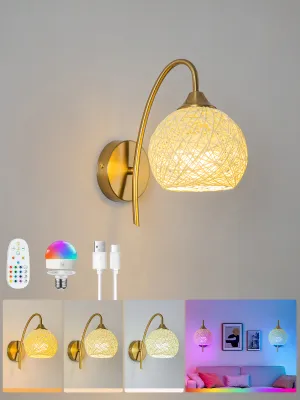
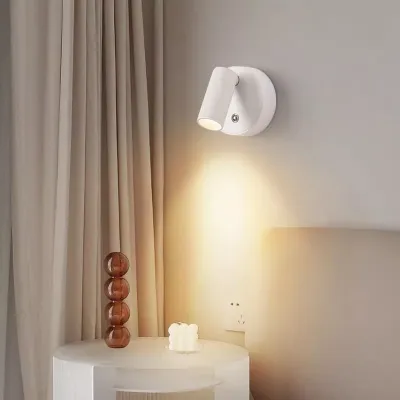
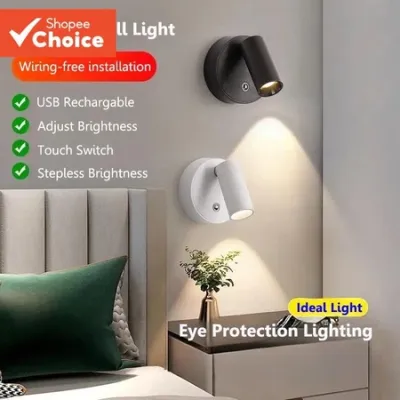
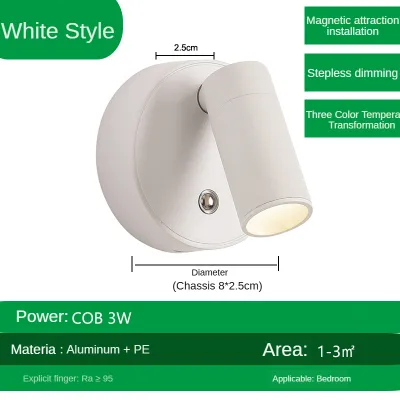
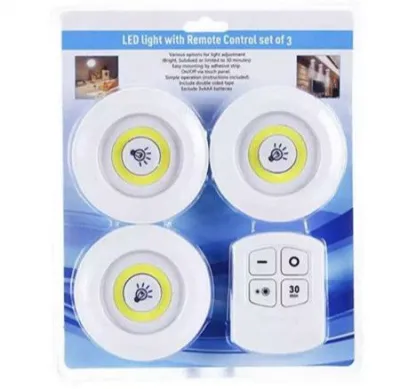
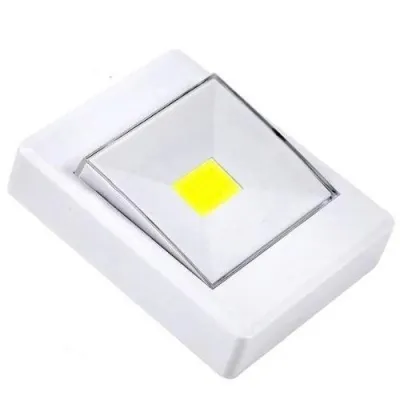
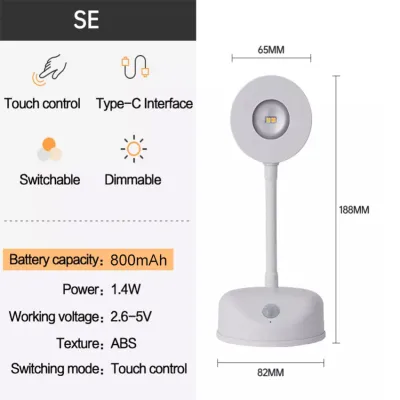
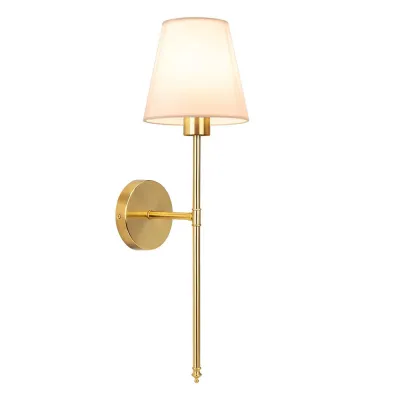
Prices are valid at publication and may change. Please refer to the product page for the latest price.
Identify the primary purpose of the illumination. Are you looking for a soft guide light to help family members navigate to other rooms safely at night, or do you want to highlight framed photos along the wall? Safe navigation requires consistent, low-glare path lighting, whereas accent lighting focuses on directing pools of light onto specific decorative elements. Knowing this purpose helps narrow down the light output and beam angles you require.
The visual weight of the fixture also plays a significant role in how spacious the hallway feels. Bulky, dark-colored sconces can make a tight corridor feel even narrower and visually cluttered. Opting for clean lines, neutral finishes, or fixtures that blend into the wall color helps maintain an open, airy atmosphere while still delivering the necessary illumination.
Essential Features for Battery-Powered Wall Sconces
When browsing online marketplaces or local lighting shops, the physical profile of the sconce is your most critical specification. Prioritize slim, flush-mount, or ultra-low-profile designs that protrude no more than a few inches from the wall surface. This minimizes the risk of shoulders, bags, or laundry baskets catching on the fixtures as people pass by daily.

Light distribution determines how comfortable the corridor feels to walk through. Direct, unshielded bulbs at eye level can cause uncomfortable glare in a confined space. Look for fixtures that offer downward-directed light or diffused panels that soften the output, casting a gentle glow along the floor and lower walls where visibility is needed most for safe footing.
Control mechanisms directly impact both convenience and battery longevity. Motion-activated sensors are highly practical for hallways, turning the lights on only when someone enters the space and automatically shutting them off after a set period of inactivity. Alternatively, models with remote controls or manual touch switches work well if you prefer continuous ambient lighting during specific hours, though they require more active management to prevent premature battery drain.
Aesthetic integration allows the fixtures to complement your home’s existing interior design. Whether your home features a modern minimalist aesthetic or a warm, rustic look, select finishes like matte black, brushed brass, or classic white that coordinate with your door hardware and trim. Ensure the materials can withstand local environmental conditions, as high humidity can affect certain metal finishes over time.
Placement and Installation Guidelines for Tight Spaces
Achieving balanced illumination along a narrow corridor depends heavily on proper placement. As a general guideline, mounting wall sconces at approximately eye level—around 1.5 to 1.7 meters from the floor—prevents direct glare while keeping the path well-lit. Space the fixtures evenly along the length of the hallway, typically leaving 1.5 to 2 meters between each light to avoid dark spots or overlapping pools of intense brightness.
Evaluating your wall surface is crucial before deciding on an installation method. Adhesive mounts are highly popular for renters because they require no drilling and leave minimal residue. However, in warm, humid tropical environments, standard adhesive strips can lose their grip over time, especially on textured plaster or matte-painted walls. For a more secure and permanent setup, screw-in brackets are preferable, particularly for heavier fixtures.
If you choose to drill and use screw-in brackets, safety must be your top priority. Always use a stud finder or wall scanner to check for hidden electrical wiring or water pipes behind the drywall or concrete before drilling. If your hallway walls are made of solid concrete or masonry, which is common in many local homes, you will need a masonry drill bit and appropriate wall anchors to secure the mounting plate.
For any installation that involves modifying existing electrical boxes, working at significant heights, or if you feel unsure about drilling into your walls, always consult a qualified professional. While battery-powered lights do not require fixed electrical wiring, ensuring they are physically secure prevents falling hazards that could cause injury or damage to your flooring.
Battery Management and Maintenance
Managing the power source of your hallway lights is essential for keeping them functional without constant hassle. Standard disposable alkaline batteries are widely available and easy to replace, but they can become costly and environmentally unfriendly over time. Rechargeable lithium-ion batteries or fixtures with built-in USB rechargeable ports offer a more sustainable, cost-effective alternative, especially for high-traffic hallways where the lights activate frequently.
Keep a close eye on the performance of your fixtures to identify when the batteries are running low. A noticeable dimming of the light output, flickering, or a delayed response from motion sensors are common indicators that it is time for a charge or replacement. When installing your lights, ensure the battery compartment remains easily accessible without needing to completely uninstall the mounting bracket from the wall.
Regular maintenance keeps your hallway lighting looking fresh and operating at peak brightness. Dust and airborne particles can accumulate on the fixture’s exterior and light diffuser, particularly in homes with open ventilation. Wipe the surfaces down periodically with a dry or slightly damp microfiber cloth, avoiding harsh chemical cleaners that could degrade the plastic or metal finishes.
If your hallway experiences high humidity, inspect the battery compartment during your regular cleaning routine. Moisture can sometimes lead to battery corrosion, which damages the internal contacts and shortens the lifespan of the fixture. Ensuring the compartment remains dry and clean will help preserve the electrical integrity of your wall lights.
Building Your Shortlist: What to Verify Before Buying
Before finalizing your purchase on any online marketplace or at a local home improvement store, carefully cross-check the manufacturer’s specified dimensions against your actual wall space. Measure the exact depth the fixture will protrude from the wall and compare it to your hallway’s clearance. Ensuring the light has a low profile will keep your walkway safe and comfortable for daily passage.
Verify the required battery type and the manufacturer’s estimated run time under normal usage conditions. Look for clear specifications regarding how many hours of continuous light or how many motion-activation cycles a single charge or set of batteries is expected to provide. This helps you plan your maintenance schedule and avoid the frustration of constant battery swaps.
Confirm the exact mounting hardware included in the package. Check whether the product comes with reliable adhesive strips, screws, or wall anchors suitable for your specific wall type, whether it is drywall, wood, or concrete. If the included hardware does not match your wall material, be sure to purchase the correct anchors or heavy-duty mounting tapes separately to ensure a secure, long-lasting installation.
Frequently Asked Questions (FAQ)
Can battery wall lights provide enough brightness for a completely dark hallway?
Yes, battery-powered wall lights can provide sufficient illumination for safe navigation in a completely dark hallway, provided you select fixtures with the appropriate light output. When comparing options, check the manufacturer’s specifications for the lumen rating rather than relying on vague marketing terms. For basic path-finding and safety in a narrow corridor, fixtures offering between 50 to 150 lumens per light are generally adequate, especially when paired with a wide beam angle that distributes the light evenly across the floor.
Are adhesive-mounted battery sconces safe for textured or painted walls?
Adhesive-mounted battery sconces can be convenient, but they carry risks depending on your wall’s surface and finish. Heavy adhesive strips can peel away paint, damage drywall, or fail to adhere properly to highly textured plaster, especially in warm and humid climates. To prevent damage, always test a small, inconspicuous area of the wall first, or opt for lightweight fixtures that require minimal drilling if you want to guarantee your wall finish remains intact.

Community discussion
Share your experience or ask a question. Comments are reviewed before publication.