
To create a cozy bedroom ambiance, the best curtain fairy lights are those that feature a warm color temperature between 2700K and 3000K, offer adjustable brightness levels with a remote or smart dimmer, and match the physical dimensions of your space. Unlike standard string lights that drape horizontally, curtain fairy lights cascade vertically to distribute a soft, indirect glow across a wider surface area. This vertical distribution mimics natural light patterns, helping to signal to your brain that it is time to wind down. By selecting the correct specifications and prioritizing electrical safety, you can easily transform your sleeping quarters into a peaceful, relaxing sanctuary.
The Visual Impact of Curtain Lights in a Bedroom
Curtain-style fairy lights offer a distinct visual advantage over traditional linear string lights by creating a continuous, vertical “waterfall” of illumination. Instead of drawing the eye along a single horizontal line, these lights distribute soft glow across an entire wall, window, or sheer curtain panel. This cascading effect softens the hard angles of a room, diffusing the light source so that it feels less like a direct lamp and more like a gentle, glowing backdrop.
For residents living in compact spaces, such as high-rise condominiums in busy urban centers, maximizing space is a constant priority. Floor lamps and bulky bedside table lights consume valuable surface area on nightstands and floors, sometimes making a small bedroom feel cluttered. Curtain fairy lights resolve this issue by utilizing vertical wall or window space. Hanging them directly against a wall or behind existing window treatments adds visual depth to the room without encroaching on your physical living space.
Products mentioned in this guide
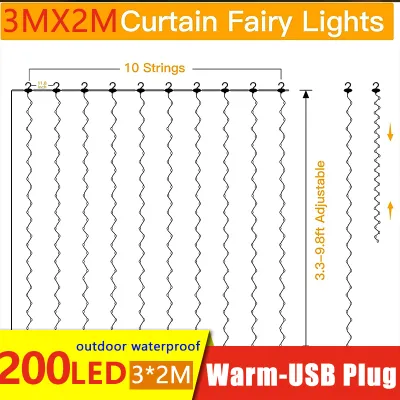
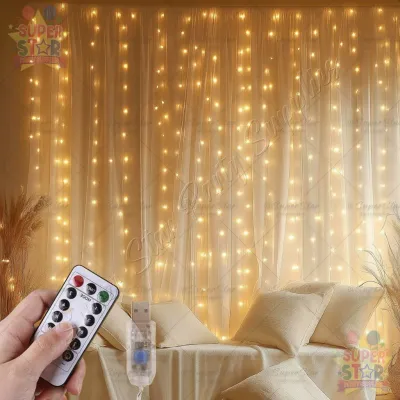
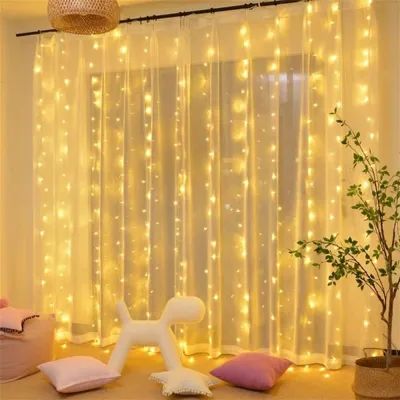
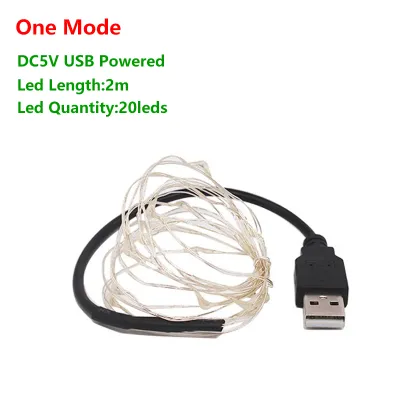

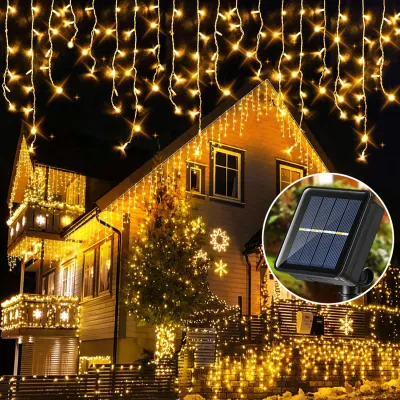

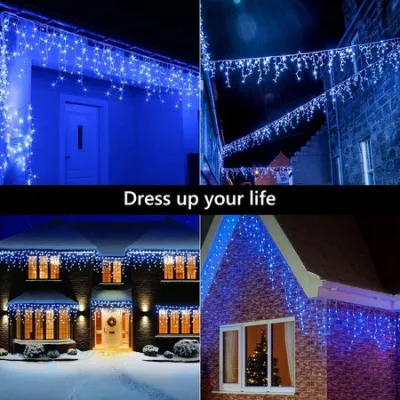
Prices are valid at publication and may change. Please refer to the product page for the latest price.
Integrating these cascading lights with your existing bedroom decor also helps establish a dedicated relaxation zone. When draped behind sheer drapes, the fabric acts as a natural diffuser, softening the individual LED points into a dreamy, cloud-like glow. You can also hang them behind a headboard or use them to illuminate a room divider, visually separating your sleeping space from a workspace or dressing area. This simple design trick helps mentally partition the room, reinforcing the bedroom’s primary purpose as a place of rest.
Choosing the Right Color, Brightness, and Size
Finding the perfect set of curtain fairy lights requires looking past basic aesthetic appeal. To achieve a truly relaxing environment that supports your natural sleep cycles, you must evaluate three primary technical specifications: color temperature, dimming capabilities, and physical dimensions.

Color Temperature for Relaxation
Color temperature is measured in Kelvins (K) and directly influences how your body responds to a space. To foster a cozy, sleep-ready atmosphere, select lights with a warm white rating between 2700K and 3000K. This range produces a rich, golden hue that closely mimics the gentle warmth of candlelight or a setting sun, which encourages the natural production of melatonin.
Avoid cool white or daylight tones, which typically range from 5000K to 6500K. These higher temperatures emit a significant amount of blue light, which mimics midday sun. Exposure to blue light in the evening alerts the brain, suppresses melatonin production, and can disrupt your natural sleep patterns. When shopping, always check the product packaging or online specifications for the exact Kelvin rating, as generic terms like “soft white” or “warm light” can vary significantly between different manufacturers.
Brightness and Dimmability
Because bedroom lighting needs to transition from early evening reading to pre-sleep winding down, adjustable brightness is essential. Standard, non-dimmable LED lights are often too bright for close-range bedside use, causing glare and eye strain when you are trying to relax. Opting for a set with a built-in dimmer allows you to dial down the lumen output to a soft, whisper-quiet glow as bedtime approaches.
In addition to dimming, many curtain lights feature multiple built-in lighting modes. For a restful bedroom environment, prioritize steady-on modes or very slow, gentle fades. Avoid fast-paced flashing, chasing, or strobing patterns, which stimulate cognitive alertness and can cause visual fatigue. A slow, rhythmic twinkle can add a touch of whimsy, but a steady, static glow remains the most reliable option for calming the mind.
For maximum convenience, look for lights that include a wireless remote control or smart home integration. Being able to adjust the brightness, switch modes, or turn the lights off entirely without having to climb out of bed is a major comfort upgrade. Many smart models also allow you to set automated schedules, gradually dimming the lights as your bedtime approaches and turning them off automatically once you are asleep.
Size, Drop Length, and Coverage
Before purchasing, take precise measurements of the area you plan to cover, such as your window frame, the wall behind your bed, or a canopy frame. Curtain fairy lights are defined by two main measurements: the horizontal width of the main power cable and the vertical drop length of the individual light strands. Matching these dimensions to your space ensures a clean, intentional look rather than an awkward, ill-fitting layout.
- Standard Drops (2 to 3 meters): These are ideal for standard floor-to-ceiling walls and large windows, allowing the lights to pool slightly at the floor or stop just above the baseboard.
- Short Drops (1 to 1.5 meters): Best suited for hanging directly above a headboard or covering shorter window frames without excess wire bundling at the bottom.
- Strand Density: Pay attention to the spacing between the vertical strands. High-density sets place the vertical drops closer together (around 10 to 15 centimeters apart), creating a fuller, more seamless sheet of light. Low-density sets space the strands further apart, resulting in a sparser, more delicate look.
Power Options and Safety Near Bedroom Fabrics
Because curtain fairy lights are designed to hang in close proximity to flammable bedroom textiles like drapes, bedding, and headboard upholstery, understanding your power options and safety boundaries is critical.
- USB-Powered: USB-powered lights are highly versatile and run on low 5V currents, making them incredibly safe and energy-efficient. You can plug them into standard phone wall adapters, USB wall outlets, or even portable power banks. This low-voltage operation keeps the wires cool to the touch, even after hours of continuous use.
- Battery-Operated: These offer complete wireless freedom, which is ideal if your bed or window is far from a wall outlet. However, they require frequent battery replacements or regular recharging, making them less practical for daily, long-term bedroom use.
- Direct Plug-In (Mains Power): These plug directly into 220V wall outlets. While they provide consistent brightness without worrying about battery drain, they operate at higher voltages. It is crucial to ensure the power adapter is of high quality and does not run hot.
To maintain a safe sleeping environment, always establish clear safety boundaries. Never drape power adapters, controllers, or heavy wire connections directly under pillows, blankets, or heavy drapes where heat can build up. Ensure that the lights you purchase carry recognized local safety certifications. In the Philippines, look for the Philippine Standard (PS) mark or the Import Commodity Clearance (ICC) sticker on the packaging or power adapter, which verifies that the product has been tested and approved for safe use on the local electrical grid.
Additionally, never overload your bedroom wall outlets or extension cords by daisy-chaining multiple high-draw light sets together. If you are using extension cords, ensure they are rated for the total wattage of all connected devices. Always check the manufacturer’s instructions for maximum run limits and recommended usage guidelines to prevent electrical hazards.
Damage-Free Installation and Styling Tips
Installing your curtain fairy lights does not require drilling holes or damaging your bedroom walls, which is especially important if you are renting your home. With the right tools and a systematic approach, you can achieve a clean, professional-looking installation in under an hour.
To begin, utilize existing fixtures in your bedroom. Hanging the main horizontal cable of the lights directly onto an existing curtain rod or tension rod is the easiest, most secure method. If you want to hang them behind sheer curtains, place the fairy lights on the inner rod closest to the window, and hang your sheer drapes on the outer rod. You can also drape the main cable along the top edge of a wooden or fabric headboard for an instant glowing frame.
If you are mounting the lights directly to a painted concrete wall or plaster ceiling, use damage-free adhesive hooks or cable clips. Before applying them, check the adhesive manufacturer’s instructions regarding weight limits and compatible wall surfaces, as humid tropical climates can sometimes affect adhesive strength. Clean the wall surface with rubbing alcohol, press the hook firmly for thirty seconds, and let the adhesive cure for the recommended time (usually one hour) before hanging any weight on it.
To avoid a tangled mess, keep the individual vertical light strands bundled up in their original packaging ties while you hang the main horizontal wire. Once the horizontal cable is securely mounted and positioned evenly across your wall or window, gently untie and let down each vertical strand one by one. This simple step prevents the delicate copper or silver wires from twisting together, saving you hours of frustration. Finally, conceal any excess power cords, control boxes, or battery packs behind your headboard, a bedside table, or a decorative fabric valance to keep your space looking tidy and organized.
Frequently Asked Questions (FAQ)
Can I leave curtain fairy lights on all night while sleeping?
While high-quality, low-voltage LED curtain lights generate minimal heat, it is generally recommended to turn them off or use a built-in timer to shut them down after you fall asleep. Leaving lights on all night, even dim ones, can interfere with your deep sleep cycles by tricking your brain into thinking it is daytime. For the best sleep hygiene and safety, utilize the timer function on your remote control to automatically turn the lights off after one to two hours.
How do I clean curtain fairy lights without damaging the wires?
To clean your curtain fairy lights safely, always unplug the power adapter or remove the batteries first. Use a dry microfiber cloth, a soft feather duster, or a clean makeup brush to gently sweep away accumulated dust from the wires and LED bulbs. Never use wet cloths, liquid cleaners, or chemical sprays, as moisture can penetrate the wire insulation or connection points, leading to electrical shorts, wire corrosion, and safety hazards.

Community discussion
Share your experience or ask a question. Comments are reviewed before publication.