
Quick Answer: Balancing Security Deterrence and Balcony Ambiance
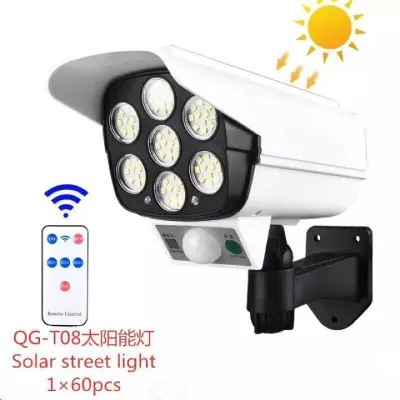
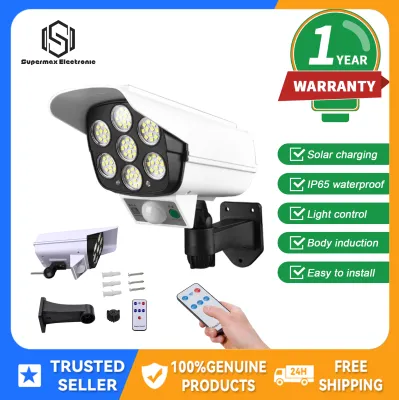
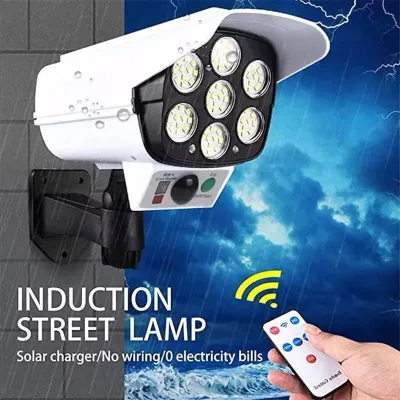
Selecting the right fake CCTV solar sensor light for a condo balcony requires balancing visual security deterrence with a welcoming outdoor atmosphere. The most effective models combine a highly convincing camera chassis—complete with a faux lens and a low-draw blinking red LED—with a secondary, downward-facing warm LED light source that activates upon detecting motion.
To ensure the fixture functions reliably on a high-rise balcony, prioritize weather-resistant designs with flexible solar panel configurations. A split-panel system allows you to position the solar collector in direct sunlight while keeping the light fixture under the balcony ceiling.
Ultimately, these devices do not record footage, so their success depends entirely on realistic physical placement and choosing a color temperature that complements your existing balcony decor rather than casting a harsh, institutional glare.
Products mentioned in this guide
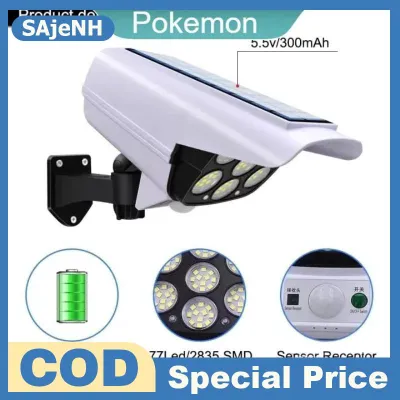
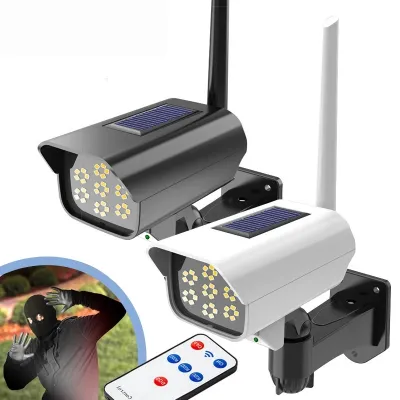
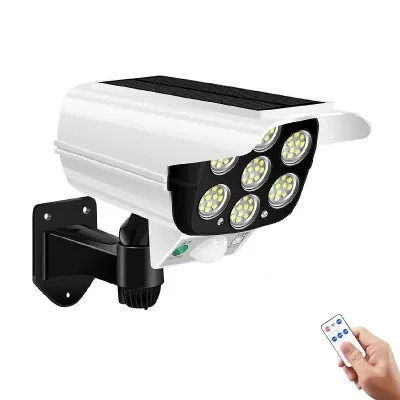
Prices are valid at publication and may change. Please refer to the product page for the latest price.
Key Features to Evaluate for Security and Aesthetics
When browsing online marketplaces for a fake CCTV solar sensor light, the physical design determines how well it mimics a functional security camera. Look for models molded from durable, UV-resistant plastics that replicate standard dome or bullet camera housings. A realistic faux lens, visible dummy cable conduits, and an independent, battery-powered blinking red LED are crucial details that convince onlookers the device is active.

For balcony ambiance, the quality of the integrated light is just as important as the security facade. Many standard solar security lights emit a cold, blue-white light that can make a cozy balcony feel like a commercial parking lot. Check the product specifications on the packaging for warm white options, typically labeled around 2700K to 3000K, or look for models featuring diffused lenses that soften the light beam. Note that perceived color temperature and spatial effects are conditional preferences that depend on your desired aesthetic.
The motion detection system relies on a Passive Infrared (PIR) sensor. Review the manufacturer’s specified detection angle and range to ensure it covers your balcony’s entry points without extending too far into common corridors or neighboring units. A wider sensor angle of 120 degrees is generally sufficient for most compact outdoor spaces.
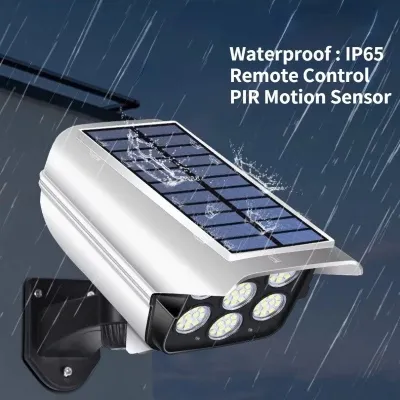
Given the tropical climate in the Philippines, weatherproofing is non-negotiable. High humidity, intense summer heat, and heavy monsoon rains can quickly degrade poorly sealed electronics. Verify the Ingress Protection (IP) rating on the product label, aiming for at least an IP65 rating to ensure the housing prevents water and dust from damaging the internal battery and circuitry.
Strategic Placement for Maximum Deterrence and Lighting
Achieving the perfect balance between security and aesthetic lighting depends heavily on where and how you mount the fixture. To maintain the illusion of active surveillance, install the unit at a height of approximately two to two and a half meters. This height mimics professional security installations and keeps the device out of easy reach, preventing casual inspection that might reveal it is a dummy camera.
Angle the faux lens directly toward high-traffic entry points, such as the balcony sliding glass door or an adjacent utility gate. This positioning ensures that any approaching individual immediately faces the camera housing, maximizing the psychological deterrent effect while directing the motion-activated light exactly where footstep illumination is needed most.
Solar panel exposure is a common challenge for high-rise condo dwellers. Balconies with deep overhangs or those facing away from the sun may not receive enough light to charge the internal battery. If your balcony is heavily shaded by neighboring buildings or large potted plants, opt for a model with a detachable solar panel connected by a long, thin cable. This allows you to mount the light in the shade while placing the solar collector on the outer railing where it can capture direct sunlight.
Align the PIR motion sensor carefully to avoid false triggers. If the sensor is pointed toward swaying foliage, hanging laundry, or outdoor air conditioning compressors, the light may cycle on and off repeatedly, draining the battery prematurely. Position the sensor downward and inward, focusing its detection zone strictly within your private balcony boundary.
Condo Installation Rules and Safety Compliance
Before mounting any fixture to your balcony structure, consult your condominium’s house rules or property management office. Many condo corporations enforce strict guidelines regarding exterior modifications, drilling into structural concrete, or altering the building’s uniform facade. Unauthorized drilling can compromise structural waterproofing or void building warranties, potentially leading to administrative fines.
If drilling is prohibited or if you are renting the unit, non-destructive mounting solutions are highly effective. Heavy-duty, weather-resistant adhesive mounting strips can secure lightweight plastic fixtures to smooth tiled walls or metal frames. Alternatively, tension rods placed between the floor and ceiling, or specialized metal clamps designed to attach to balcony railings, provide stable mounting points without leaving permanent marks.
Using solar-powered fixtures inherently improves electrical safety on your balcony. Because these units operate on low-voltage DC power supplied by an internal rechargeable battery, they eliminate the need for running extension cords or tapping into the building’s fixed electrical wiring. This completely bypasses the fire hazards and compliance issues associated with DIY high-voltage outdoor wiring. When purchasing, verify the product’s voltage, battery capacity, dimensions, and electrical certification labels on the packaging to ensure it meets safety standards for outdoor installation.
However, safety precautions must still be observed during installation. If your mounting process requires working at heights, leaning over balcony railings, or handling heavy tools, always secure your equipment and ensure you have a stable footing. For complex installations, working at height, or when mounting heavy fixtures near the edge of high-rise structures, consulting a qualified professional is the safest course of action to prevent accidental falls or dropped objects.
Maintenance and Longevity in Tropical Conditions
The tropical climate of the Philippines presents unique challenges for outdoor solar lighting, making regular maintenance essential for long-term performance. Dust, sea salt residue, and airborne pollutants can quickly accumulate on the surface of the solar panel, creating a barrier that blocks sunlight and reduces charging efficiency. Wipe the solar panel clean at least once a month using a soft, damp microfiber cloth, avoiding abrasive cleaners that could scratch the protective cover.
Periodically inspect the housing seals and battery compartment for signs of moisture ingress or condensation. High humidity can cause moisture to trap inside the casing, leading to corrosion of the battery terminals and wire connections. If you notice internal fogging or rust, carefully open the compartment during a dry day, wipe away any moisture, and ensure the rubber gaskets are properly seated before reassembling.
Rechargeable batteries inside solar lights gradually lose their capacity over time, especially when subjected to high ambient temperatures. If you notice the light remains active for significantly shorter periods at night, it may be time to replace the internal cells. Always follow the manufacturer’s instructions regarding battery specifications, and dispose of degraded rechargeable batteries at designated electronic waste recycling centers rather than throwing them in regular household trash.
Frequently Asked Questions (FAQ)
Do fake CCTV lights actually deter intruders?
Yes, fake CCTV lights can serve as an effective visual deterrent against opportunistic intruders. Most trespassers look for easy targets and will avoid properties that appear to have active surveillance systems. The combination of a realistic camera body and a blinking LED signal suggests that their actions are being monitored and recorded.
However, dummy cameras have limitations. Experienced or determined intruders may recognize the lack of real lenses, physical power cables, or brand markings associated with professional security systems. For comprehensive security, these lights should be treated as a supplementary layer of defense alongside sturdy door locks, window latches, and proper balcony access control.
Will the solar panel charge properly on a shaded balcony?
Solar panels require direct sunlight to charge their internal batteries to full capacity. If your condo balcony is deeply shaded by overhanging concrete slabs, neighboring towers, or dense tropical foliage, a standard integrated solar light may struggle to stay illuminated throughout the night.
To overcome this limitation, select a model that features a split-panel design. This configuration allows you to mount the camera-style light fixture deep within the shaded balcony ceiling while running a thin, weather-resistant cable to a separate solar panel mounted on the outer railing where sunlight exposure is maximized.

Community discussion
Share your experience or ask a question. Comments are reviewed before publication.