
Creating a dedicated reading corner in your living room requires balancing focused task lighting with the overall ambiance of the space. The ideal floor lamp for this setup must offer precise light direction, comfortable brightness, and a lamp shade design that complements your living room decor while minimizing glare. When selecting a lamp shade living room setups often require a balance between aesthetic appeal and functional light diffusion. In tropical climates like the Philippines, where warm evenings invite you to unwind with a book, choosing the right lighting setup also means considering heat emission and material durability under humid conditions.
By focusing on key specifications, placement strategies, and design choices, you can build a functional and inviting reading nook. This guide outlines the essential factors to consider when selecting and positioning your floor lamp to ensure a comfortable, strain-free reading experience.
Key Lighting Requirements for a Reading Nook
To prevent eye strain during prolonged reading sessions, the quality and adjustability of your light source are paramount. Reading requires focused task lighting that illuminates your book or e-reader clearly without forcing your eyes to overcompensate for dimness or excessive brightness. Adjustability is the first feature to look for when evaluating floor lamps. Models featuring a gooseneck, swing-arm, or adjustable head design allow you to direct the light beam precisely onto your reading material. This flexibility means you can adjust the angle as you shift positions in your chair, without needing to drag or reposition the entire heavy lamp base.
Products mentioned in this guide
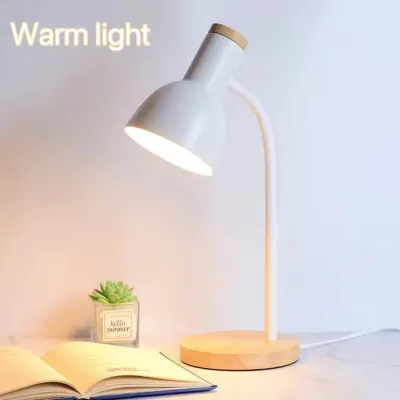
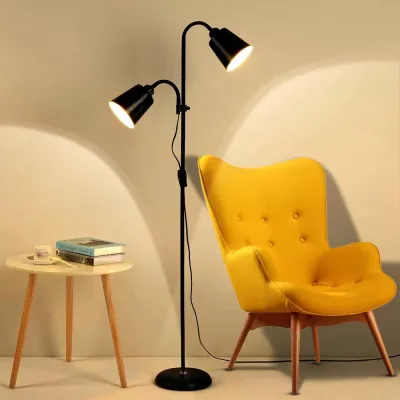
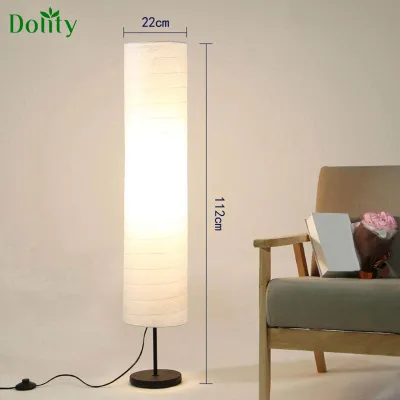
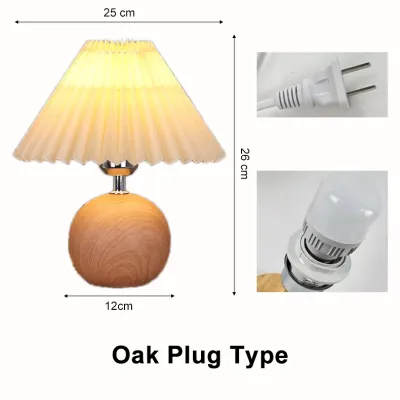
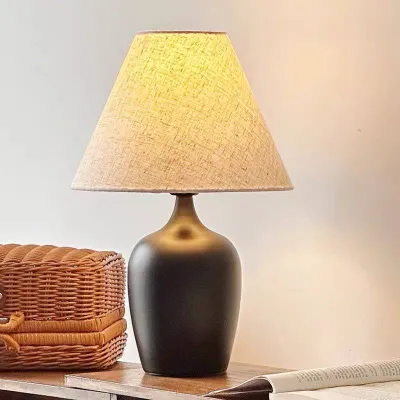
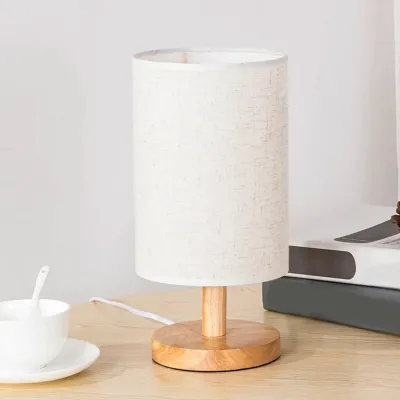
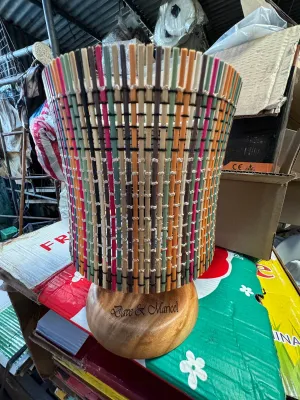
Prices are valid at publication and may change. Please refer to the product page for the latest price.
Glare control is another critical factor in maintaining visual comfort. Direct exposure to an unshielded light bulb can cause immediate discomfort and long-term eye fatigue. To prevent harsh hot spots from hitting your eyes, position the light source so that the bottom of the lamp shade sits below your eye level when you are seated. Utilizing diffusers or choosing opaque shades that direct light downward rather than outward will also help shield your eyes from direct glare, keeping the focus entirely on your pages.
When reviewing bulb options, check product labels for lumens and Kelvin ratings to ensure they suit reading tasks. Lumens measure the total amount of visible light emitted, and a range of 400 to 800 lumens is generally sufficient for reading. Color temperature, measured in Kelvin, is largely a matter of conditional preference. Some readers prefer a warm-white glow (around 2700K to 3000K) to create a cozy, relaxing atmosphere, while others find a cool-white light (around 4000K) provides better contrast for small text. Whichever you prefer, ensure the brightness of your reading nook balances with the rest of the room’s ambient light to avoid harsh, high-contrast shadows that tire the eyes.
Choosing the Right Lamp Shade for Living Room Ambiance
The material of your lamp shade plays a decisive role in how light is distributed throughout your reading corner and the wider living room. Fabric shades, such as linen or cotton, diffuse light softly through the sides while casting a direct glow upward and downward. This dual action provides both functional task lighting and a warm ambient contribution to the room. However, in humid environments, fabric and paper shades can attract dust and moisture over time, requiring regular maintenance. In contrast, metal shades are completely opaque, channeling all light into a concentrated, downward beam. This makes metal highly effective for dedicated reading tasks, though it contributes very little to the room’s general ambient lighting. Glass shades offer a middle ground; frosted glass diffuses light gently in all directions, while clear glass requires a carefully selected decorative bulb to prevent distracting glare.

Proportions and scale are equally important when integrating a floor lamp into your living room layout. The lamp shade should match the scale of both the lamp base and the surrounding furniture. A shade that is too wide can make the lamp top-heavy and prone to tipping, especially if placed near high-traffic walkways or within range of oscillating floor fans. Conversely, a shade that is too small may fail to cover the bulb adequately, exposing the raw light source to anyone sitting nearby. As a general rule, the width of the shade should be proportional to the height of the lamp pole, ensuring a balanced silhouette that complements your armchair or sofa.
Additionally, pay close attention to the color and inner lining of the shade. The interior lining of a lamp shade acts as a reflector, directly influencing the quality of the emitted light. A white or silver inner lining reflects a clean, bright, and neutral light, which is highly efficient for reading. A gold or brass lining, on the other hand, warms the light beam, casting a rich, amber glow that enhances the coziness of your reading nook but may slightly reduce the perceived brightness of the bulb. Consider how these visual effects align with your personal reading habits and the existing color palette of your living room.
Space Planning and Placement for the Reading Corner
Achieving physical comfort in your reading nook depends heavily on the spatial relationship between your seating, the floor lamp, and the surrounding room. For optimal ergonomics, position the floor lamp slightly behind and to the side of your reading chair. This placement allows the light to cast over your shoulder directly onto your book, preventing your head or shoulders from blocking the light and casting frustrating shadows across the pages. The bottom of the lamp shade should align closely with your eye level when seated, ensuring the bulb remains hidden from your direct line of sight while you read.
To maintain visual comfort, integrate your reading lamp into a layered lighting scheme rather than using it as the sole light source in a dark room. Reading in a single bright spot surrounded by pitch darkness forces your pupils to constrict and dilate repeatedly as your eyes wander off the page, leading to rapid eye fatigue. Soften this transition by keeping low-level ambient lighting active in the living room, such as dim overhead lights, wall sconces, or a secondary table lamp on the opposite side of the room. This balanced environment allows your eyes to transition smoothly between your book and the surrounding space.
Safety and cable management must also be prioritized during space planning. Floor lamps require a stable, flat surface to prevent tipping, particularly in homes with active pets, children, or high foot traffic. Ensure the lamp base is heavy and wide enough to remain steady on your flooring. Route power cords carefully along walls or behind furniture rather than stretching them across open walkways where they present a tripping hazard. If a cord must cross a high-traffic area, secure it with a low-profile rubber cord protector to keep your living room safe and tidy.
Essential Specifications to Verify Before Purchase
Before finalizing your floor lamp purchase, verify all electrical and physical specifications to ensure safety and compatibility with your home. Start by checking the electrical ratings of the lamp. Ensure the voltage compatibility matches the standard 220V electrical system used in the Philippines, and verify that the plug type is compatible with your wall outlets. Always observe the maximum wattage limit printed directly on the lamp socket. Exceeding this limit can cause excessive heat buildup, damaging the socket, the lamp shade, or the internal wiring. Look for certified safety marks on the product packaging or label to verify that the appliance has undergone proper electrical safety testing.
Consider the convenience of the lamp’s control mechanisms based on where you plan to sit. If the floor lamp will be tucked behind a deep armchair, a rotary switch on the socket or an inline cord switch might be difficult to reach. In such setups, a floor pedal switch that sits on the ground is often much easier to operate with a simple tap of your foot. Alternatively, lamps compatible with smart bulbs or those featuring built-in touch dimmers offer seamless control over brightness levels, allowing you to transition from high-intensity reading light to a soft evening glow without leaving your seat.
Finally, always consult the manufacturer’s guidelines and product manual before assembly and use. Review the instructions for specific bulb requirements, as some adjustable or dimmable lamps require specific LED types to function without flickering. Pay attention to any weight limits specified for adjustable arms or joints, as hanging heavy decorative accessories on the lamp can compromise its balance. Following these manufacturer recommendations ensures your floor lamp operates safely and remains a durable, stylish fixture in your living room for years to come.
Frequently Asked Questions (FAQ)
Can a floor lamp provide enough light for reading without overhead lighting?
While a high-quality floor lamp can deliver excellent, focused task lighting directly onto your book, relying on it as the sole light source in an otherwise dark living room is not recommended. Reading in a high-contrast environment—where the pages are brightly lit but the surrounding room is completely dark—forces your eyes to work harder, leading to strain and fatigue. To maintain optimal eye comfort, combine your floor lamp with low-level ambient lighting, such as dimmed ceiling lights or a soft table lamp, to create a balanced, layered lighting environment.
How do I clean and maintain fabric or paper lamp shades?
Fabric and paper lamp shades require gentle, dry cleaning methods to prevent staining, tearing, or warping. Regularly remove accumulated dust using a soft-bristled brush, a clean microfiber cloth, or a lint roller, which is particularly useful for fabric surfaces. In humid climates, dust can cling more stubbornly to these materials, so consistent dusting is key. Always check the manufacturer’s care label before attempting any spot cleaning, and avoid using liquid cleaners, wet cloths, or harsh chemicals, as moisture can permanently stain fabric or dissolve the adhesives in paper shades.

Community discussion
Share your experience or ask a question. Comments are reviewed before publication.