
Living in a high-rise condominium in the Philippines offers unparalleled convenience and vibrant urban views, but it also comes with unique architectural realities. Many modern condo developments in Metro Manila, Cebu, and Davao feature structural concrete ceilings that limit vertical clearance, often resulting in floor-to-ceiling heights of 2.4 to 2.6 meters. In these compact spaces, traditional hanging chandeliers, low-hanging pendant lights, or deep semi-flush fixtures can make a room feel claustrophobic and even present a physical hazard for taller residents. Selecting the right low ceiling lamp is essential to maximize headroom, distribute light evenly, and create an open, airy atmosphere.
To achieve the perfect balance of safety, functionality, and style, condo owners must navigate specific physical constraints and electrical standards. This guide outlines the essential criteria for evaluating your space, explores the most effective low-profile lighting styles, and details the technical steps required to install these fixtures safely in a typical concrete condo unit.
Key Selection Criteria for Low-Ceiling Condos
Before purchasing any lighting fixture, you must evaluate the physical and visual constraints of your condo’s ceiling. The most critical step is measuring your exact ceiling height. Standard residential building codes generally recommend a minimum headroom clearance of 2.1 meters (7 feet) from the floor to the bottom of any light fixture in high-traffic areas. If your ceiling stands at 2.4 meters, you have a maximum allowance of 30 centimeters (approximately 12 inches) for your lighting fixture. To maintain a comfortable, spacious feel, aiming for a fixture depth of 5 to 10 centimeters (2 to 4 inches) is highly recommended.
Products mentioned in this guide
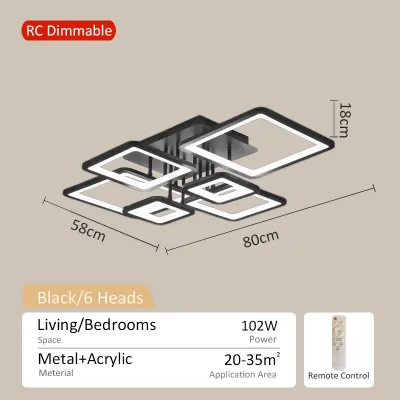
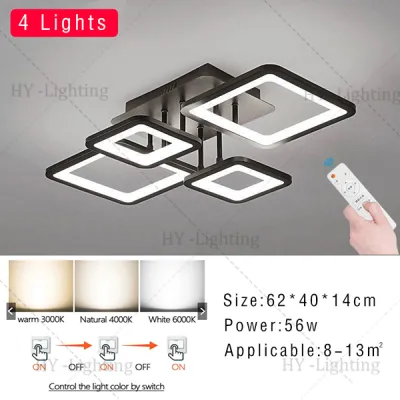
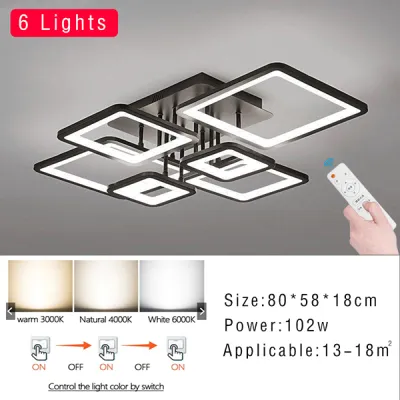
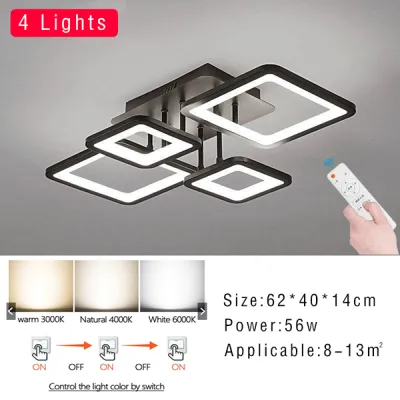
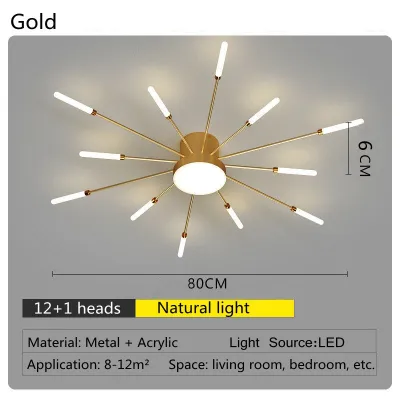
Prices are valid at publication and may change. Please refer to the product page for the latest price.
Visual weight is another crucial factor that influences how spacious a room feels. Heavy, dark-colored, or highly ornate fixtures draw the eye downward and create a distinct visual boundary, which can make a low ceiling feel even lower. Conversely, fixtures with slim profiles, light-colored bezels, or translucent diffusers blend seamlessly into the ceiling plane. This allows the eye to travel uninterrupted across the room, creating an illusion of a higher ceiling and a larger overall living space.
Light distribution also plays a pivotal role in compact rooms. Narrow beam angles tend to cast harsh, focused pools of light directly onto the floor while leaving the upper walls and ceiling in deep shadow. This phenomenon, often referred to as the “cave effect,” accentuates the low height of the room. To counteract this, look for flush mount lights that offer wide beam angles of 120 degrees or more, or fixtures designed to cast a soft glow outward and upward. Evenly distributed light bounces off the ceiling and walls, softening shadows and making the entire room feel brighter and more expansive.
Recommended Flush Mount Styles for Compact Spaces
Matching your lighting fixture’s style to the specific function of each room is key to optimizing both illumination and vertical clearance. Different areas of your condo—such as the kitchen, living room, and narrow hallways—require distinct lighting approaches to balance utility and design.

Ultra-Slim LED Panel and Disc Lights
For areas with the absolute lowest clearance, such as entryways, hallways, walk-in closets, and utility rooms, ultra-slim LED panel and disc lights are the premier choice. These fixtures feature incredibly thin profiles, often measuring between 1.2 to 2.5 centimeters (0.5 to 1 inch) in depth. Because they sit almost entirely flush against the ceiling, they provide maximum headroom while delivering clean, modern lines that complement minimalist interior designs.
When shopping for slim panels, it is helpful to understand the difference between edge-lit and direct-lit designs. Edge-lit panels place the LED chips along the inner frame, directing the light sideways into a specialized light guide plate that diffuses it downward. This technology produces an exceptionally even, glare-free glow that is gentle on the eyes. Direct-lit panels, on the other hand, position the LEDs directly behind the diffuser. While direct-lit models are sometimes slightly thicker, they are highly efficient and provide excellent brightness for task-heavy areas like kitchens.
One important consideration for ultra-slim panels is their integrated LED design. Unlike traditional fixtures, these units do not use replaceable bulbs; the LED chips and the driver are built directly into the fixture. While integrated LEDs boast long lifespans—often rated between 15,000 and 25,000 operating hours—the entire fixture must be replaced when the light eventually fails. To mitigate this, always verify the manufacturer’s warranty terms and choose reputable brands with a proven track record of driver reliability.
Low-Profile Drum and Shade Fixtures
If you want to add a touch of warmth and decorative texture to your living room or bedroom without sacrificing precious headroom, low-profile drum and shade fixtures are an excellent option. These fixtures typically feature a circular fabric, glass, or acrylic shade that encloses the light source, diffusing it softly to eliminate harsh glare. To keep your space feeling open, look for drum designs with a total depth of 10 centimeters (4 inches) or less.
Because drum fixtures are enclosed, heat dissipation is a critical factor to consider. Trapped heat can rapidly degrade electrical components and shorten the lifespan of your bulbs. When selecting a shaded fixture, ensure it is compatible with LED bulbs, which generate significantly less heat than traditional incandescent or compact fluorescent (CFL) bulbs. Always check the fixture’s maximum wattage rating and ensure there are small ventilation gaps designed into the mounting hardware to allow warm air to escape.
Additionally, consider the material of the shade. Frosted glass and high-quality white acrylic are excellent for maximizing light transmission while hiding the hot spots of individual bulbs. Fabric shades, particularly those in light linen or neutral tones, add a cozy, tactile element to bedrooms but may require more frequent dusting in humid tropical environments.
Recessed-Style and Gimbal Flush Mounts
In many Philippine condominiums, drilling deep holes into the solid concrete ceiling slab to install traditional recessed downlights is strictly prohibited by building administration. Surface-mounted recessed-style and gimbal flush mounts offer an elegant workaround. These fixtures sit in a shallow, surface-mounted housing that mimics the clean, architectural look of recessed lighting without requiring any ceiling penetration.
Gimbal flush mounts feature an adjustable inner ring that allows you to tilt and direct the light beam. This directional capability is incredibly useful for highlighting specific zones, such as a dining table, a gallery wall, or kitchen countertops, in open-plan condo layouts. By directing light toward key focal points, you can create depth and visual interest, drawing attention away from the low ceiling height.
Before purchasing a gimbal fixture, verify its mechanical stability and adjustment range. The tilting mechanism should feel sturdy and hold its position securely without drooping over time due to gravity or ceiling vibrations. Furthermore, ensure that the fixture’s mounting bracket and driver housing are compact enough to fit within the footprint of your existing ceiling junction box, preventing any unsightly gaps or installation complications.
Technical Specifications and Installation Boundaries
Installing new lighting fixtures in a concrete condo requires careful attention to local electrical standards and structural limitations. In the Philippines, the standard electrical supply is 220V to 240V at 60Hz. Many imported fixtures available online are designed for 110V or 50Hz grids. Connecting an incompatible fixture to your condo’s power supply can cause immediate driver failure, severe flickering, or even pose a fire hazard. Always inspect the product label on the fixture or its external driver to confirm it is rated for 220V-240V and 60Hz before proceeding.
Before mounting any fixture, you must assess the structural integrity of the existing ceiling junction box. Standard condo ceilings feature pre-cast octagonal plastic or metal junction boxes embedded directly into the concrete slab. Ensure the box is securely anchored and free of debris. While lightweight LED panels weighing under 1 kilogram put minimal stress on the junction box, heavier glass or metal drum fixtures require robust mounting brackets. If the existing junction box screws are stripped or loose, do not attempt to hang the fixture; instead, secure the mounting bracket directly to the concrete slab using appropriate masonry anchors.
Safety must always be your top priority when handling electrical installations. Before removing an old fixture or touching any wiring, isolate the power by turning off the corresponding circuit breaker at your condo’s main electrical panel. Use a reliable non-contact voltage tester to verify that the wires are completely dead.
Because condo ceilings are solid concrete, drilling and anchoring require specialized tools, such as a rotary hammer drill and masonry drill bits. Be extremely cautious when drilling into a concrete ceiling slab, as it often contains embedded electrical conduits, water pipes, or post-tension structural cables. Drilling into these utilities can cause catastrophic damage and expensive repairs. If you are uncomfortable working at heights, lack the necessary masonry tools, or are unsure of the conduit layout, stop immediately and hire a licensed electrician or coordinate with your condo’s building maintenance team.
Sourcing and Verifying Fixtures in the Philippines
When sourcing low ceiling lamps from local hardware stores or online marketplaces, diligent verification is key to ensuring you receive a safe, high-quality product. Do not rely solely on promotional images or seller descriptions, which can sometimes misrepresent the actual dimensions or electrical specifications of the fixture.
Upon delivery, unbox the fixture and use a ruler to measure its physical depth to ensure it matches your clearance calculations. Carefully read the technical label printed on the fixture’s driver or housing. Look for recognized safety certifications, such as the Philippine Standard (PS) mark or the Import Commodity Clearance (ICC) sticker. These marks indicate that the product has undergone rigorous safety testing and complies with local electrical standards. Avoid unbranded, ultra-cheap fixtures that lack these certifications, as they often utilize substandard drivers that are prone to overheating and premature failure under local voltage fluctuations.
While budget is always a consideration, prioritizing safety and build quality over unverified discounts is a wiser long-term investment. High-quality flush mount fixtures typically range from ₱800 to ₱2,500. This price point generally ensures better heat dissipation, more reliable LED drivers, and sturdier mounting hardware. Additionally, always review the return and exchange policies of your chosen ecommerce platform. If a fixture arrives with incorrect dimensions, a damaged driver, or lacks the necessary safety markings, a flexible return policy ensures you can exchange it without hassle.
Frequently Asked Questions (FAQ)
Can I install a flush mount light directly on a concrete condo ceiling?
Yes, but you must use the existing embedded junction box or install a surface-mounted conduit system. Because you cannot carve out space in a solid concrete slab, all wiring and driver components must fit within the fixture’s shallow canopy or the existing junction box. Never use double-sided mounting tape, hot glue, or weak plastic wall plugs to secure a light fixture to a concrete ceiling. The high humidity and ambient heat characteristic of the Philippine climate can rapidly degrade adhesives, causing the fixture to fall. Always use proper masonry anchors and screws secured into the concrete slab, and consult your condo’s building administration to obtain any required work permits before drilling.
How do I choose the right color temperature for a small, low-ceiling room?
Choosing the right color temperature depends on the room’s function and how you want to perceive the space. Warm white (2700K to 3000K) creates a cozy, relaxing ambiance that is ideal for bedrooms and living areas. Neutral white (4000K) closely mimics natural daylight and is excellent for kitchens, home offices, and bathrooms, as it makes small spaces feel brighter, cleaner, and more open. Cool white (6000K to 6500K) provides high-contrast utility lighting but can feel clinical in small living areas. To ensure colors look natural and vibrant, select fixtures with a Color Rendering Index (CRI) of 80 or higher. Additionally, maintain a consistent color temperature across open-plan zones (such as a combined living and dining area) to prevent visual fragmentation, which can make a small condo feel cluttered.
Are smart flush mount lights safe to use in enclosed condo spaces?
Smart flush mount lights are safe to use, provided they are designed with adequate thermal management. Smart LED fixtures contain delicate wireless modules (Wi-Fi or Bluetooth) and dimming circuitry that generate heat during operation. In a tightly enclosed, low-profile fixture, this heat can accumulate quickly if there is insufficient ventilation, potentially shortening the lifespan of the smart components. Always check the manufacturer’s maximum ambient operating temperature ratings and ensure the fixture is rated for enclosed installations. Keep in mind that smart lights require a continuous electrical supply to maintain their network connection; if you turn off the physical wall switch, you will lose smart control. If your chosen low-profile fixture has limited internal space, installing a smart wall switch instead of a smart bulb is often a more reliable and heat-efficient solution.

Community discussion
Share your experience or ask a question. Comments are reviewed before publication.