
Selecting the right heavy-duty solar street lights for your garden or yard in the Philippines requires moving past generic marketing buzzwords and focusing on verifiable technical specifications. In a tropical environment characterized by intense solar exposure, high humidity, heavy seasonal rainfall, and frequent typhoons, outdoor lighting must meet strict structural and electrical standards to survive. By understanding how housing materials, battery chemistry, solar panel efficiency, and ingress protection ratings interact, you can secure a reliable lighting system that keeps your outdoor spaces bright and safe night after night without inflating your electricity bill.
Investing in solar-powered landscape lighting eliminates the need for extensive trenching, conduit laying, and high-voltage outdoor wiring, making it an attractive option for expansive gardens and remote yard perimeters. However, because these fixtures operate entirely offline, their performance depends solely on the quality of their internal components and their physical placement. A systematic approach to evaluating these products ensures that your investment withstands the elements and delivers consistent illumination throughout the year.
Defining "Heavy-Duty" for Outdoor Landscape Lighting
In the context of outdoor landscape lighting, the term “heavy-duty” refers to a fixture’s ability to maintain structural integrity and electrical functionality under continuous exposure to harsh environmental stressors. Many standard solar lights utilize thin, non-UV-treated ABS plastic housings that quickly degrade, discolor, and crack under the intense tropical sun. A true heavy-duty fixture features a chassis constructed from robust materials such as die-cast aluminum or high-grade, UV-stabilized polycarbonate. Die-cast aluminum is particularly advantageous because it serves a dual purpose: it provides exceptional physical strength to resist impacts and wind loads while acting as an efficient heat sink to dissipate warmth away from the sensitive LED chips and internal driver circuitry.
Products mentioned in this guide
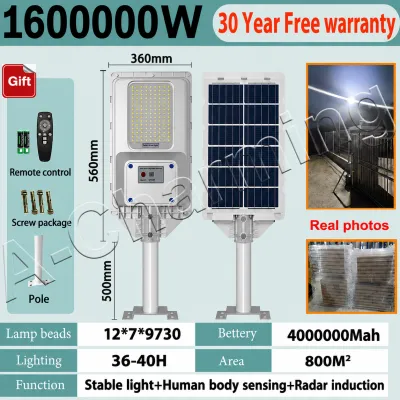
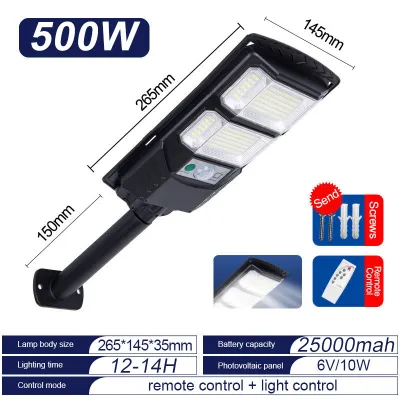
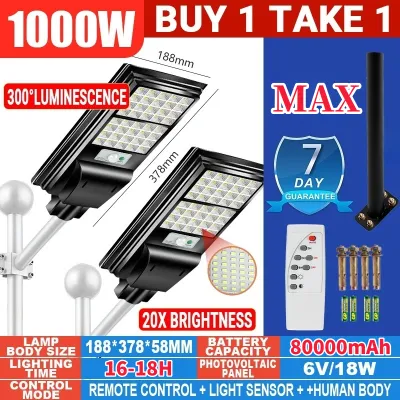
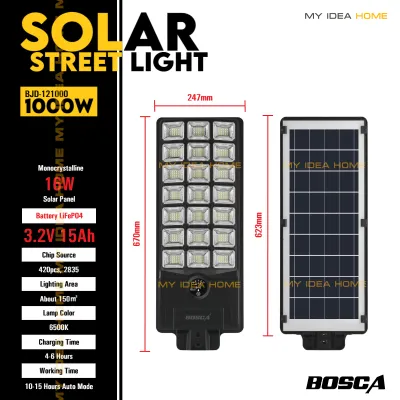
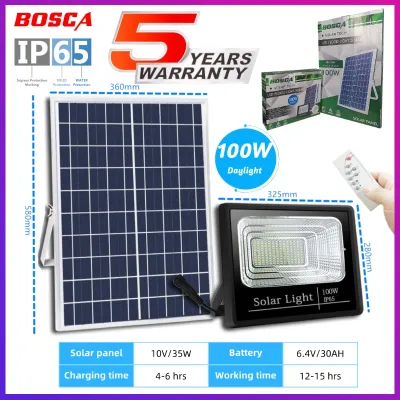
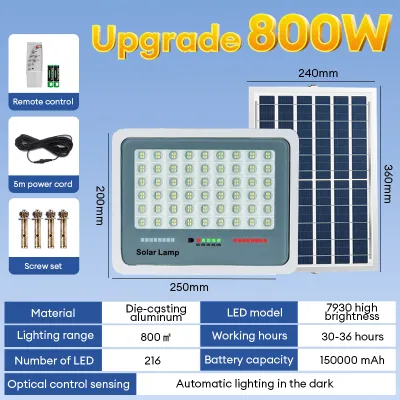
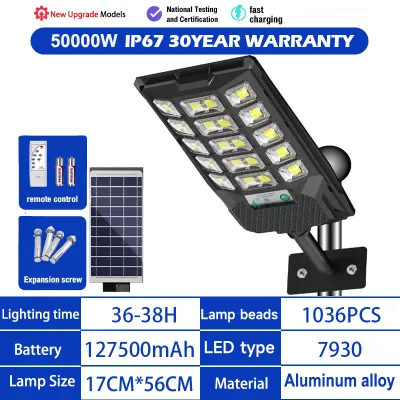
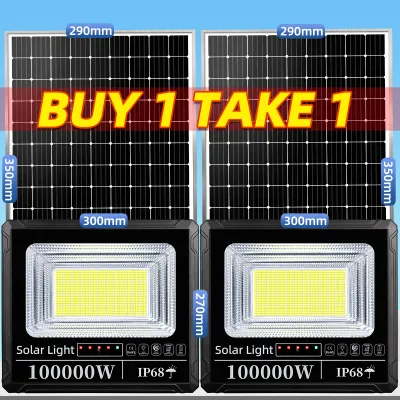
Prices are valid at publication and may change. Please refer to the product page for the latest price.
Weather resistance is another critical pillar of heavy-duty design, especially in regions prone to prolonged monsoon seasons and high ambient humidity. Moisture intrusion is the primary cause of premature failure in outdoor electronics, leading to short circuits, corrosion of battery terminals, and fogging of the optical lens. Heavy-duty fixtures are engineered with high-quality silicone gaskets, sealed cable entry points, and anti-corrosive coatings on all metal surfaces. For properties located near coastal areas, verifying that the metal components are treated with marine-grade or powder-coated finishes is essential to prevent salt-air corrosion from eating through the housing.
Structural stability is equally vital when selecting fixtures that must withstand the high-velocity winds associated with tropical storms. Pole-mounted street lights present a large surface area to the wind, creating significant aerodynamic drag that can bend cheap metal poles or snap weak mounting brackets. Heavy-duty systems feature thick-walled mounting arms, reinforced steel or heavy-gauge aluminum poles, and robust mounting plates secured by high-tensile bolts. Ground-spiked pathway lights must also feature rigid, metal stakes rather than flimsy plastic pegs to ensure they remain upright and aligned even when the surrounding soil becomes saturated and loose during heavy downpours.
Key Specifications to Check Before Buying
To accurately assess the performance of a solar street light, you must look closely at the technical specifications printed on the product packaging or detailed in the manufacturer’s datasheet. Brightness is measured in lumens, which indicates the total amount of visible light emitted by the fixture. For general garden pathways and accent lighting, fixtures delivering 100 to 500 lumens are typically sufficient, whereas security lighting and wide-area illumination for driveways or large lawns require heavy-duty street lights capable of producing 1,000 to over 5,000 lumens. The beam angle, which dictates the spread of the light, should also be evaluated; a wide beam angle of 120 degrees or more is ideal for broad area coverage, while narrower angles are better suited for highlighting specific architectural or landscape features.

Battery chemistry is the heart of any solar lighting system, determining both the nightly runtime and the overall lifespan of the fixture. Modern heavy-duty solar lights have largely transitioned away from older lead-acid and standard lithium-ion (ternary) chemistries in favor of Lithium Iron Phosphate (LiFePO4) batteries. LiFePO4 batteries offer superior thermal stability, which is crucial for safety in hot climates where internal fixture temperatures can soar during the day. Furthermore, they boast a significantly longer cycle life, often enduring over 2,000 charge-discharge cycles before capacity degrades to 80 percent, compared to the 300 to 500 cycles typical of standard lithium batteries. When checking specifications, look for the battery capacity expressed in Watt-hours (Wh) or Amp-hours (Ah) at a specific voltage, ensuring it is sized appropriately to power the LEDs through the night.
Solar panel efficiency directly impacts how quickly and effectively the battery charges, particularly during overcast or rainy days. Monocrystalline solar panels are the preferred choice for heavy-duty applications, offering conversion efficiencies of 18 to 22 percent, whereas polycrystalline panels generally range from 15 to 17 percent. This difference in efficiency means a monocrystalline panel can generate more power from a smaller surface area and perform better under diffused sunlight. Ensure the solar panel’s wattage rating is balanced with the battery capacity; an undersized panel will fail to fully charge a high-capacity battery, leading to shortened runtimes and accelerated battery degradation over time.
Ingress Protection (IP) ratings provide a standardized measure of a fixture’s resistance to dust and water. The IP rating consists of two digits: the first indicates protection against solid objects (ranging from 0 to 6), and the second indicates protection against liquids (ranging from 0 to 9). For heavy-duty outdoor solar street lights, a minimum rating of IP65 is required, meaning the fixture is completely dust-tight and protected against water jets from any angle. In areas exposed to severe typhoons and driving rain, opting for IP66 or IP67 ratings provides an extra layer of security, ensuring the internal electronics remain completely dry even when subjected to powerful water jets or temporary submersion.
Matching Light Styles to Garden and Yard Layouts
Integrating solar street lights into your landscaping requires matching the physical style of the fixture to the specific layout and functional needs of your yard. Pole-mounted solar street lights are the most effective option for illuminating expansive lawns, long driveways, and perimeter fences. Because they are elevated several meters above the ground, they cast a wide, even footprint of light that enhances visibility and security across large open spaces. These fixtures often feature integrated motion sensors that dim the light to a lower standby level when no activity is detected, conserving battery power and extending the runtime throughout the night.
Wall-mounted solar floodlights offer a versatile solution for securing entryways, patios, and the immediate perimeter of residential structures. These fixtures can be mounted directly to exterior concrete walls, wooden posts, or brick facades, directing bright, focused light downward onto specific zones. Many heavy-duty floodlights feature adjustable mounting brackets, allowing you to tilt the light head to eliminate dark corners and avoid casting glare into windows or neighboring properties. They are highly effective when positioned over garage doors, side pathways, or outdoor utility areas where bright, reliable illumination is needed for safety and task performance.
For defining garden beds, highlighting ornamental plants, and guiding foot traffic along walkways, ground-spiked pathway lights are the ideal choice. While smaller than street lights, heavy-duty pathway lights should still feature robust metal construction and thick glass or high-impact polycarbonate lenses. These low-level fixtures add depth and dimension to your landscape design by creating localized pools of light, guiding visitors safely through the garden without overpowering the natural nighttime ambiance. Placing them at regular intervals along winding paths prevents tripping hazards and visually connects different areas of your yard.
Adjustability is a key feature to look for when planning your layout, particularly in gardens with mature trees or architectural obstructions. All-in-one solar lights, where the panel, battery, and LEDs are integrated into a single housing, are easy to install but require the entire fixture to be placed in direct sunlight. Split-type solar lights, on the other hand, separate the solar panel from the light fixture via a heavy-duty, waterproof cable. This configuration allows you to mount the solar panel high on a roof or pole where it receives unobstructed sunlight all day, while positioning the light fixture itself under a shaded porch, dense tree canopy, or covered walkway where illumination is actually needed.
Installation and Safety Boundaries for Yard Settings
Proper installation is paramount to ensuring the longevity, safety, and performance of your heavy-duty solar street lights. Site selection is the most critical step in the installation process; solar panels must receive at least six to eight hours of direct, unobstructed sunlight daily to achieve a full charge. Avoid placing fixtures directly under mature tree canopies, roof overhangs, or near tall structures that cast shadows during peak daylight hours. Even partial shading on a small portion of a solar panel can drastically reduce its overall energy output, leading to poor nightly performance and premature battery failure.
Anchoring requirements vary significantly depending on the height of the fixture and the soil conditions of your yard. For low-profile pathway lights, pushing the metal spike firmly into compacted soil is usually sufficient, though dry or rocky ground may require pre-digging a small pilot hole to avoid bending the stake. For tall, pole-mounted street lights, a concrete foundation is essential to prevent the pole from leaning or toppling during high winds. This involves digging a footing hole to the depth recommended by the manufacturer, placing a mounting template with anchor bolts into the wet concrete, and allowing it to cure fully before mounting the pole and fixture.
While low-voltage solar installations are generally safe for DIY enthusiasts, clear boundaries exist where professional assistance should be sought. Installing high-mast poles exceeding three meters in height presents physical safety hazards, requiring specialized lifting equipment, scaffolding, and proper fall-protection gear to prevent injury. If your installation site is located near existing overhead utility lines, or if you plan to integrate a hybrid solar system that connects to your home’s main AC electrical grid, you must hire a qualified professional electrician. Always ensure that power is completely isolated before handling any electrical connections, and strictly follow the manufacturer’s installation instructions to maintain product warranties and comply with local building codes.
Maintenance and Troubleshooting for Long-Term Reliability
To keep your heavy-duty solar street lights operating at peak efficiency, establishing a routine maintenance schedule is highly recommended. Over time, a layer of dust, pollen, bird droppings, and organic debris can accumulate on the surface of the solar panel, blocking sunlight and reducing charging efficiency. Cleaning the panels every few months—or more frequently during the dry season—using clean water, a soft sponge, or a microfiber cloth will restore maximum solar absorption. Avoid using abrasive scrubbing pads, harsh chemical detergents, or high-pressure washers, as these can scratch the tempered glass or damage the waterproof seals surrounding the panel.
Battery degradation is a natural process that occurs over several years of continuous operation, even in high-quality LiFePO4 cells. If you observe that a light fixture’s runtime has significantly decreased, or if it fails to turn on despite receiving a full day of direct sunlight, the battery may be reaching the end of its useful life. Check the manufacturer’s guidelines to determine if the battery is user-replaceable; many heavy-duty fixtures feature dedicated, gasket-sealed battery compartments that allow you to swap out the old battery pack for a matching replacement. Always verify that the replacement battery matches the original voltage, chemistry, and capacity specifications exactly to prevent damage to the internal charging circuitry.
Regular physical inspections are crucial for identifying potential issues before they lead to complete fixture failure, especially after severe weather events. Inspect the housing joints, cable entry points, and rubber gaskets for any signs of wear, cracking, or moisture intrusion. If you notice condensation building up behind the optical lens, carefully open the fixture according to the manufacturer’s instructions, dry the interior thoroughly, and inspect the seal for damage. Applying a thin layer of silicone grease to the gaskets can help restore their water-resistant properties and extend their service life in high-humidity environments.
Building Your Shortlist: What to Verify on Product Labels
Before finalizing your purchase, compile a shortlist of candidate fixtures and carefully verify the information printed on their product labels and spec sheets. Look for clear, written warranty terms that cover the housing, LEDs, battery, and solar panel; reputable manufacturers of heavy-duty equipment typically offer warranties ranging from two to five years. Ensure that the manufacturer or local distributor provides readily available replacement parts, particularly batteries and mounting brackets, so that a single component failure does not render the entire fixture obsolete.
Verify that the products carry legitimate electrical and safety certification marks appropriate for outdoor use, such as CE, RoHS, or local quality assurance marks. These certifications indicate that the fixture has undergone rigorous testing to ensure it does not pose electrical hazards, emit harmful electromagnetic interference, or contain hazardous materials. Be wary of products that lack these marks or feature generic, unverified claims of high performance without providing detailed technical specifications.
Finally, cross-reference the manufacturer’s stated specifications with verifiable user feedback and reviews from local retail channels or online marketplaces. Pay close attention to comments regarding real-world runtime during consecutive rainy days, the ease of installation, and how well the physical materials hold up after a year or more of exposure to tropical weather. By combining technical verification with practical user experiences, you can confidently select heavy-duty solar street lights that will provide reliable, beautiful, and long-lasting illumination for your garden and yard.
Frequently Asked Questions (FAQ)
Do heavy-duty solar lights work reliably during the rainy season?
Yes, heavy-duty solar lights can operate reliably during the rainy season if they are equipped with high-efficiency monocrystalline solar panels and adequately sized battery storage. Many premium models feature intelligent power management systems (PMS) that automatically detect consecutive cloudy days and adjust the light output accordingly. By dimming the LEDs slightly or relying more heavily on integrated motion sensors, the system conserves battery power to ensure the light remains functional even when charging conditions are poor.
Can I replace the battery in a solar street light myself?
Whether you can replace the battery yourself depends entirely on the design of the specific fixture. Many heavy-duty solar street lights are designed with user-accessible battery compartments secured by screws and waterproof silicone gaskets, allowing for straightforward DIY replacement using matching battery packs. However, some all-in-one models feature completely sealed housings to achieve higher IP ratings; attempting to open these sealed units can void the warranty and compromise their water resistance, meaning they must be serviced by the manufacturer or replaced entirely.

Community discussion
Share your experience or ask a question. Comments are reviewed before publication.