
The best jellyfish solar lights for gardens in the Philippines are those engineered with high Ingress Protection (IP) ratings, UV-resistant optical fiber tentacles, monocrystalline solar panels, and robust rechargeable batteries capable of enduring intense tropical heat and heavy monsoon rains. Because these decorative fixtures rely entirely on solar energy and stand exposed to the elements year-round, their performance depends less on brand names and more on verifiable material specifications and proper placement. By focusing on structural durability and solar efficiency, you can select fixtures that transform your garden into a glowing, whimsical landscape while withstanding local weather challenges.
When shopping for these unique outdoor ornaments, understanding the technical specifications on the packaging is crucial. Since the local climate presents extreme conditions—ranging from scorching dry-season sun to torrential wet-season downpours—standard decorative lights can quickly degrade if they lack the proper build quality. Selecting the right fixtures requires a balance of aesthetic appeal, material resilience, and electrical safety.
Key Specifications to Check Before Buying
To ensure your jellyfish solar lights survive the local climate, you must look past promotional imagery and evaluate the technical specifications listed on the product label. The primary factors that determine the longevity and performance of these lights are their light output, material composition, and solar charging components.
Products mentioned in this guide
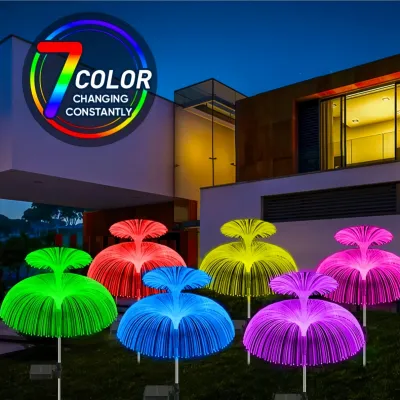
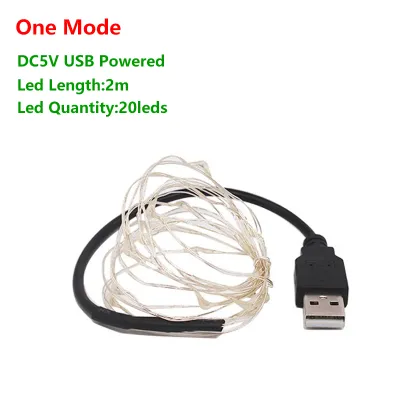
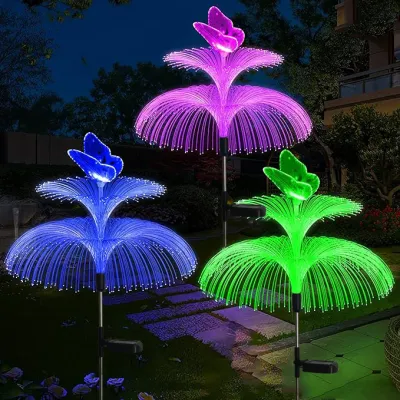
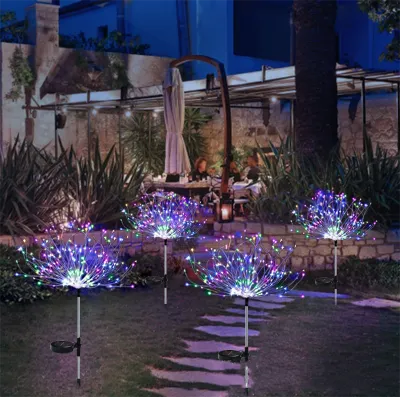
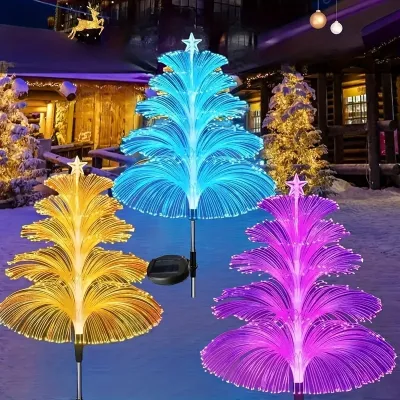
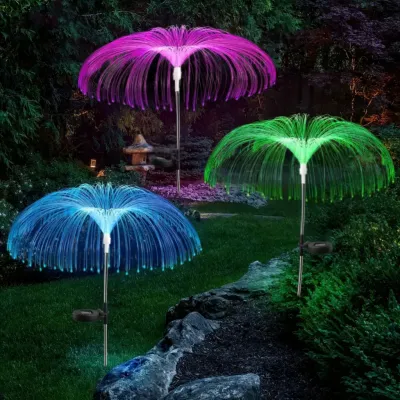
Prices are valid at publication and may change. Please refer to the product page for the latest price.
First, examine the lumens and color temperature specifications. Jellyfish solar lights are designed for ambient decoration rather than intense illumination, typically emitting between 2 and 15 lumens. If you want to line a pathway, look for fixtures that offer a clear, warm white light (around 2700K to 3000K) to provide subtle guidance. For a more whimsical, festive atmosphere, multi-color RGB (Red, Green, Blue) models that cycle through different hues are ideal. Ensure the product description specifies whether the colors are static or dynamic, as this affects the visual rhythm of your garden.
Second, scrutinize the material claims. The tentacles of jellyfish lights are made of optical fibers, which must be constructed from high-quality polymethyl methacrylate (PMMA) or advanced light-guiding plastics. These fibers must feature UV-resistant coatings; without this protection, intense tropical sunlight will cause the fibers to turn yellow, become brittle, and snap. Additionally, the ground stakes should be made of rust-proof materials such as stainless steel or heavy-duty ABS plastic. Standard metals will quickly corrode when exposed to highly humid soil and frequent rain.
Third, evaluate the solar panel type and battery capacity. Look for fixtures equipped with monocrystalline solar panels rather than polycrystalline ones. Monocrystalline panels have a higher energy conversion efficiency, which is essential for capturing sufficient sunlight during overcast days. The battery capacity, measured in milliampere-hours (mAh), should ideally range from 600mAh to 1200mAh. A larger battery capacity ensures the light can remain illuminated for 8 to 10 hours on a full charge, preventing the fixtures from going dark shortly after sunset.
Matching Light Designs to Your Garden Layout
Integrating jellyfish solar lights into your garden requires careful planning to maximize their visual impact while maintaining safety and accessibility. The unique shape of these fixtures, characterized by dangling fiber optic strands, means they interact with the surrounding environment differently than standard pathway stakes.

For pathway and lawn placement, stake stability is paramount. During the rainy season, garden soil becomes soft and muddy, which can cause top-heavy fixtures to lean or fall over. Choose lights with long, ribbed ground stakes that penetrate deep into the soil, or consider reinforcing the base with decorative gravel. Ensure the fiber optic tentacles are elevated high enough off the ground so they do not drape over walkways. Loose, dangling fibers can easily become tripping hazards for family members or get caught in lawnmowers and weed trimmers during routine garden maintenance.
If you plan to hang jellyfish lights from tree branches, pergolas, or patio ceilings, you must evaluate the hanging mechanism and weight limits. Hanging models rely on a central suspension wire or chain connected to a separate solar panel or an integrated top-mounted panel. Verify the total weight of the fixture and ensure the chosen branch or structure can support the load, especially when wet. Wind movement is another critical factor; hanging fixtures must have sufficient clearance from walls and other branches to prevent the delicate optical fibers from tangling or breaking during breezy evenings.
The flexibility and length of the tentacles also dictate where the lights should be placed. Longer, finer optical fibers create a beautiful, fluid motion in the breeze, resembling a swimming jellyfish. However, these require wider spacing—typically at least one to two meters apart—to prevent them from tangling with adjacent plants. Shorter, stiffer fiber designs offer less movement but are highly durable and can be placed closer together in dense flowerbeds or along narrow garden borders.
Safe Installation and Placement Guidelines
Proper installation is the key to maximizing the lifespan of your solar lights and ensuring they operate safely. While solar-powered fixtures do not require complex electrical wiring, they still demand strategic placement to function efficiently and avoid hazards.
The most critical step in installation is assessing daily sunlight exposure. Solar panels require direct, unobstructed sunlight to charge the internal batteries fully. Avoid placing the panels under the dense canopy of tropical plants, such as banana leaves, palms, or thick shrubs. Even partial shade during the peak hours of 10:00 AM to 2:00 PM can drastically reduce the battery’s charge, leading to dim lights or short runtimes at night. If your garden has shaded zones, look for jellyfish lights that feature a detachable solar panel connected by a long wire, allowing you to place the panel in a sunny spot while keeping the decorative lights in the shade.
Always verify the manufacturer’s Ingress Protection (IP) rating before finalizing your placement. For open garden areas exposed to heavy tropical downpours, a minimum rating of IP65 is highly recommended. The first digit (6) indicates complete protection against dust and solid particles, while the second digit (5) guarantees protection against water jets from any angle. Avoid using fixtures rated IP44 in unsheltered areas, as they are only splash-proof and may fail during intense rainstorms.
Finally, recognize the boundaries of safe DIY installation. While staking lights into the ground is straightforward, mounting fixtures on high tree branches or integrating them into permanent structural features can pose risks. If your installation requires working at heights, running long extension wires, or modifying structural elements of your home or patio, stop and consult a qualified professional. Ensuring that overhead fixtures are securely anchored prevents them from falling and causing injury or property damage during sudden wind gusts.
Maintenance Tips for Humid and Rainy Conditions
The high humidity and frequent rainfall in the Philippines can accelerate wear and tear on outdoor electronics. Implementing a regular maintenance routine will preserve the brightness of your jellyfish solar lights and extend their operational lifespan.
Keep the solar panels clean to maintain optimal charging efficiency. Over time, dust, pollen, bird droppings, and mineral deposits from rainwater can form a cloudy film over the solar panel’s surface. Clean the panels once a month using a soft, damp microfiber cloth and clean water. Avoid using abrasive sponges, steel wool, or harsh chemical cleaners, as these can scratch the protective glass or plastic coating, permanently reducing the panel’s ability to absorb sunlight. Gently wipe down the optical fiber tentacles as well to remove accumulated dirt and restore their original clarity and light transmission.
Conduct regular physical inspections, especially after major weather events. Check the connection points where the optical fibers meet the main light housing, as water can sometimes seep into poorly sealed joints. Inspect the ground stakes to ensure they remain upright and firmly anchored in the soil. If you notice any tangled fibers after a windy night, gently separate them by hand rather than pulling on them, which can detach the fibers from the light source.
Monitor the performance of the rechargeable batteries. Over time, all rechargeable batteries lose their capacity to hold a charge, a process accelerated by high ambient temperatures. If your lights begin to dim significantly earlier than usual, it is likely time to replace the battery. Open the battery compartment according to the manufacturer’s instructions, check for any signs of corrosion or moisture ingress, and replace the old battery with a high-quality rechargeable battery of the same chemistry (usually Ni-MH) and voltage. Ensure the compartment seal is clean and properly aligned before screwing it back together to maintain its water-resistant barrier.
Building Your Shortlist: What to Look for Online
When browsing online marketplaces or ecommerce platforms, it is easy to be swayed by enhanced product photos and glowing promotional claims. To make an informed purchase, you should build a structured comparison checklist based on verifiable product specifications.
| Feature | Standard Specification | Premium Specification |
|---|---|---|
| Solar Panel Type | Polycrystalline | Monocrystalline |
| Waterproof Rating | IP44 | IP65 or IP66 |
| Battery Capacity | 600 mAh Ni-MH | 800 mAh to 1200 mAh Ni-MH or Li-ion |
| Stake Material | Plastic / Thin Aluminum | Stainless Steel / Heavy-duty ABS |
| Light Modes | Single Color / Basic Flash | Multi-color RGB / Gradual Fade |
Use this matrix to filter out low-quality options. When comparing listings, prioritize sellers who clearly state the exact IP rating, battery capacity, and material composition of their products. If a listing uses vague terms like “highly waterproof” or “long-lasting battery” without providing numerical specifications, treat it as a red flag and look elsewhere.
Additionally, read through verified buyer reviews with a critical eye. Look for feedback from customers who have used the lights for several months, particularly during the wet season. Pay attention to comments regarding how well the stakes hold up in wet soil, whether the optical fibers retain their flexibility, and how long the lights remain illuminated on cloudy days. Check the seller’s warranty and return policies as well; reputable sellers often offer a replacement window or warranty period, providing peace of mind in case a fixture arrives with a manufacturing defect.
Avoid purchasing fixtures that are priced unusually low compared to the market average, such as those sold for under ₱150 per piece. Extremely cheap solar lights often utilize low-grade plastics that degrade rapidly under UV exposure, inefficient solar cells that fail to charge in overcast weather, and poorly sealed battery compartments that succumb to moisture within a few weeks. Investing in slightly higher-quality fixtures with verified specifications will save you money and frustration in the long run.
Frequently Asked Questions (FAQ)
Do jellyfish solar lights work during the rainy season?
Yes, jellyfish solar lights will continue to work during the rainy season, but their performance will be directly affected by the amount of sunlight available. Solar panels do not require direct, scorching sunlight to generate electricity; they can still harvest energy from ambient daylight on cloudy or overcast days, though at a much-reduced rate.
To ensure reliable performance during prolonged rainy periods, prioritize fixtures with monocrystalline solar panels and larger battery capacities (800mAh or higher). These components are more efficient at converting and storing limited sunlight. Keep in mind that on highly overcast days, the lights may not charge fully, resulting in a shorter runtime or dimmer illumination at night. Managing expectations during the peak of the wet season is key, as the lights may only run for a few hours instead of their usual full-night duration.
Can I leave them outside during typhoons?
It is highly recommended to temporarily remove and store your jellyfish solar lights indoors when a typhoon or severe storm warning is active. While high-quality fixtures with an IP65 rating can withstand heavy rain, the extreme wind speeds associated with typhoons pose a significant threat to their structural integrity.
Strong winds can easily uproot the ground stakes, causing the fixtures to blow away, break, or become lost. Furthermore, flying debris can shatter the solar panels or tear the delicate optical fiber tentacles. To protect your investment, gently pull the stakes out of the ground, bundle the optical fibers loosely to prevent tangling, and store the fixtures in a dry, safe indoor location until the storm passes. Once the weather clears, you can easily reinstall them in your garden.

Community discussion
Share your experience or ask a question. Comments are reviewed before publication.