
Koi fish decor brings a sense of fluid motion, tranquility, and traditional symbolism to outdoor living spaces. In many cultures, the koi represents perseverance, abundance, and good fortune, making it a popular motif for gardens, patios, and entryways. However, finding the perfect piece involves more than simply choosing an attractive design. To ensure your investment withstands the elements and complements your landscape, you must evaluate the material durability, stylistic alignment, and functional requirements of each ornament.
Selecting the right koi fish decor requires a thoughtful assessment of your garden’s microclimate and existing design language. In tropical environments like the Philippines, where intense sunlight, high humidity, and heavy seasonal rainfall are common, material choice directly impacts how long a piece retains its color and structural integrity. Whether you are investing ₱1,500 on a small resin accent or ₱12,000 on a large stone centerpiece, understanding the strengths and limitations of different materials will help you select ornaments that remain beautiful year-round. This guide explores the diverse styles of koi decor available, offering practical strategies for placement, safety, and long-term maintenance.
Evaluating Koi Decor Materials for Outdoor Durability
The longevity of your outdoor ornaments depends heavily on the materials from which they are crafted. Because garden decor is constantly exposed to changing weather conditions, understanding how different substances react to moisture, heat, and sunlight is essential for making an informed purchase.
Products mentioned in this guide
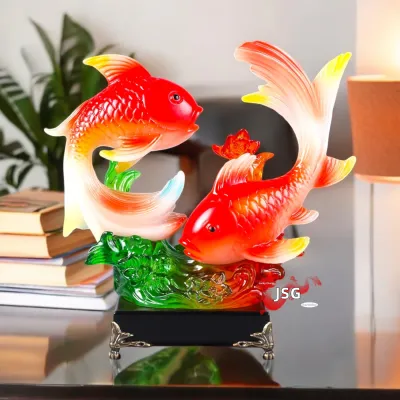
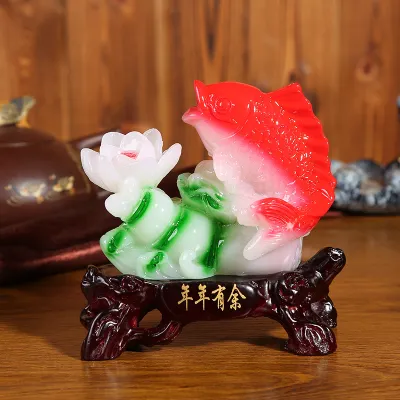
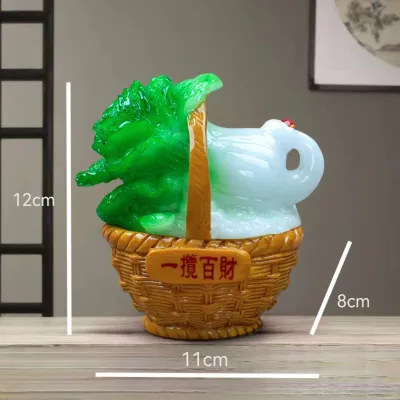
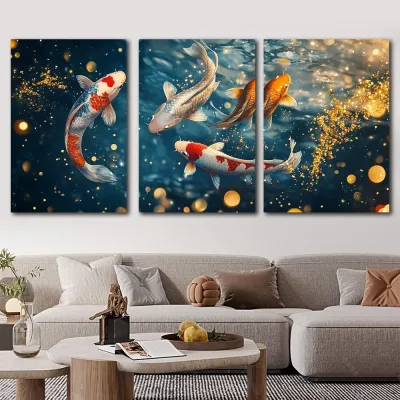
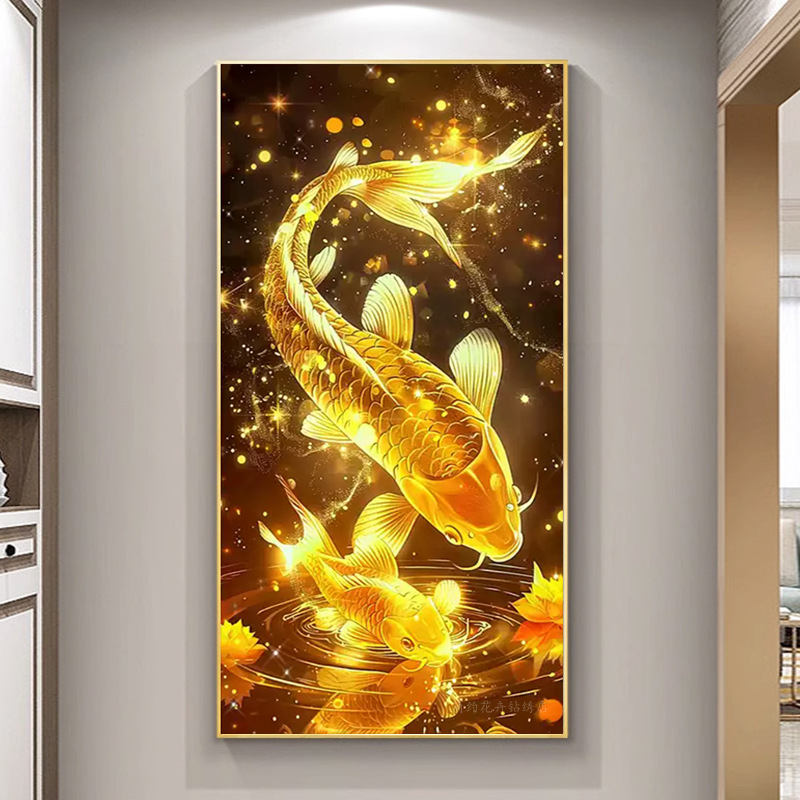
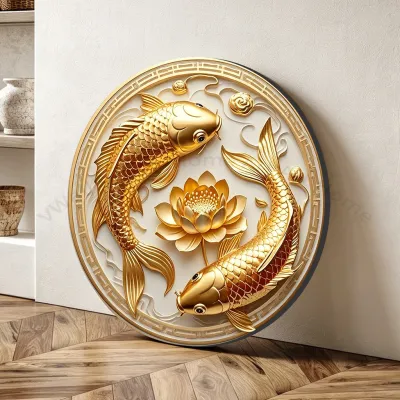
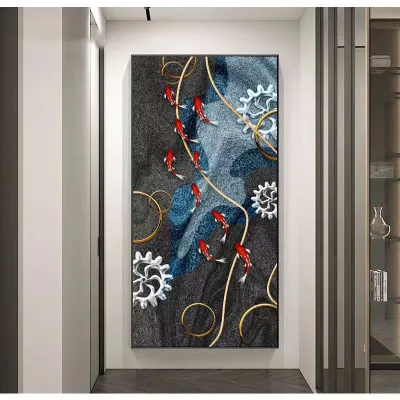
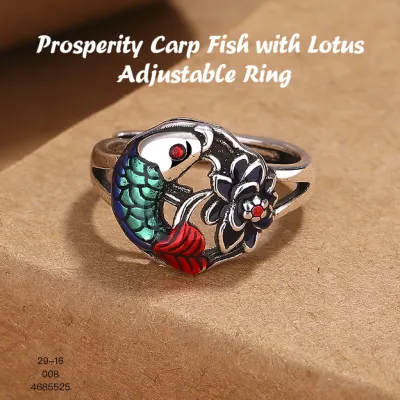
Prices are valid at publication and may change. Please refer to the product page for the latest price.
Resin and polyresin are highly popular choices for koi decor due to their versatility and lightweight nature. These materials allow manufacturers to capture intricate details, from individual scales to the delicate curves of a fish’s fins. However, when placing resin pieces in open garden beds, you must check the manufacturer’s labels for specific UV-resistant coatings. Without proper UV protection, prolonged exposure to intense tropical sunlight can cause the colors to fade, and the material may eventually become brittle or develop a chalky surface residue.
Metal sculptures, including those made of steel, copper, or cast iron, offer a distinct aesthetic that ranges from sleek and modern to rustic and weathered. When selecting metal koi decor, it is crucial to verify what rust-resistance treatments have been applied. Look for powder-coated finishes or specialized sealants that protect the metal from moisture-induced oxidation. Over time, untreated copper and bronze will naturally develop a greenish patina, which many homeowners appreciate for its antique charm, while iron will rust if not regularly sealed or treated.
Ceramic, concrete, and stone provide a classic, substantial feel that instantly grounds a garden design. These heavy materials are highly stable and unlikely to tip over during strong winds or tropical storms. However, ceramic pieces can be vulnerable to impact damage if struck by garden tools or falling branches. Porous stone and concrete also require periodic sealing to prevent water absorption, which can lead to mold growth, staining, or structural cracking over time in highly humid environments.
Matching Koi Ornament Styles to Your Garden Theme
A cohesive garden design relies on a harmonious relationship between your plants, hardscaping, and decorative accents. Koi ornaments come in a wide array of artistic styles, allowing you to choose pieces that either blend seamlessly into their surroundings or serve as striking focal points.

For traditional Asian-inspired landscapes, Zen gardens, or quiet meditation corners, look for koi decor that emphasizes natural textures and realistic forms. Ornaments crafted from natural stone, weathered concrete, or subdued ceramics fit beautifully into these spaces. Poses should be tranquil and flowing, mimicking the gentle movement of real fish swimming through water. Earthy tones, muted grays, and soft bronze finishes help these pieces feel like an organic extension of the landscape rather than an artificial addition.
Modern and contemporary outdoor spaces benefit from abstract interpretations of the koi motif. Minimalist metal silhouettes, geometric wireframe sculptures, or highly polished stainless steel pieces create a sophisticated, high-contrast look against clean architectural lines and structured plantings. These designs focus on the essence of the fish’s movement—using sweeping curves and reflective surfaces to capture the play of light and shadow without relying on literal, detailed representations.
If your outdoor space is designed for family enjoyment or has a whimsical, eclectic theme, brightly painted resin statues and playful configurations are excellent choices. Look for ornaments that depict koi in dynamic, leaping poses, or arrange multiple small fish together to create the illusion of a school swimming through a sea of green foliage. Vibrant oranges, deep reds, and brilliant whites add instant energy and cheer to flower beds, patio borders, or children’s play areas.
Integrating Functional Koi Decor: Solar Lights and Pond Pieces
Beyond simple aesthetics, some koi ornaments serve functional purposes, such as illuminating pathways or interacting directly with water features. Integrating these specialized pieces requires careful attention to installation guidelines and safety parameters.
Solar-powered koi lights combine decorative charm with practical night-time illumination. When choosing solar decor, evaluate the placement of the integrated solar panel to ensure it receives sufficient direct sunlight during the day to charge the internal battery. Additionally, inspect the product specifications for the Ingress Protection (IP) rating, which indicates how well the electrical components are sealed against dust and moisture. For general outdoor use, look for a rating of at least IP44, while areas directly exposed to heavy downpours may require higher levels of protection.
If you plan to place koi ornaments inside or directly adjacent to an active fish pond, material safety becomes a paramount concern. Many decorative items are treated with paints, glazes, or chemical sealants that can leach harmful toxins into the water, posing a severe threat to live fish and aquatic plants. Always verify that any ornament intended for submersion is explicitly certified as non-toxic and safe for aquatic life. Avoid placing untreated copper or brass items directly in the water, as metal leaching can alter water chemistry and harm your pond’s ecosystem.
Electrical safety must always be prioritized when installing illuminated or water-circulating decor. For solar-powered or low-voltage battery-operated pieces, maintenance is generally straightforward and low-risk. However, if you are integrating hardwired garden lighting or mains-powered water pumps to accompany your koi decor, you must rely strictly on the manufacturer’s installation instructions. Always isolate the power supply before handling any electrical components in damp environments, and consult a qualified professional electrician to handle the wiring and ensure compliance with local electrical safety standards.
Sizing and Placement Strategies for Garden Spaces
The visual impact of your koi decor depends heavily on its scale and where it is positioned within the landscape. Properly sizing and placing your ornaments ensures they enhance the beauty of your garden rather than cluttering the space or getting lost in the foliage.
To maintain visual balance, apply basic proportion rules when selecting your decor. A massive stone koi sculpture will easily overwhelm a small balcony or a narrow garden path, while a tiny resin figurine will be completely obscured in a dense, sprawling flower bed. Measure the height and spread of the surrounding plants, and choose ornaments that can hold their own visually without crowding the living elements of your garden.
Decide whether you want your koi decor to act as a primary focal point or a subtle accent. Large, striking sculptures are best positioned as centerpieces—perhaps at the end of a garden path, in the center of a circular lawn, or mounted on a pedestal near the main entrance. Smaller statues, on the other hand, work beautifully as hidden surprises tucked into border plantings, nestled among river rocks, or resting on the edge of a tiered planter where they can be discovered gradually.
Consider the primary sightlines from which the decor will be viewed. Position your pieces so they are easily visible from key vantage points, such as outdoor seating areas, patio dining tables, or large windows inside your home. Avoid placing delicate or highly detailed ornaments in areas with cluttered backgrounds, as the visual noise of dense twigs or variegated leaves can make it difficult to appreciate the form and craftsmanship of the piece.
Pre-Purchase Verification Checklist
Before finalizing your purchase of koi fish decor, taking a few moments to verify the practical specifications of the item can prevent installation headaches and ensure long-term satisfaction. Use this checklist to guide your decision-making process:
- Dimension and Weight Verification: Measure the exact footprint, height, and weight of the ornament. Ensure the intended display surface—whether it is a wooden deck, a stone pedestal, or a soft soil bed—can safely support the weight of the piece, especially if it is made of heavy concrete or cast iron.
- Weather and Care Labels: Carefully read the manufacturer's product description for specific care instructions. Look for explicit mentions of UV resistance, waterproofing, and rust-proofing. If you live in an area prone to extreme weather, check if the manufacturer recommends storing the item indoors during severe storms or seasonal shifts.
- Base and Stability Requirements: Examine the design of the ornament's base. Determine if it requires a perfectly flat, level surface to remain upright, or if it features built-in ground stakes or anchoring points to secure it against wind and accidental bumps. If the base is uneven, you may need to budget for a separate paving stone or pedestal to create a stable foundation.
Frequently Asked Questions (FAQ)
How do I clean and maintain outdoor resin koi statues?
To clean outdoor resin koi statues safely, use a soft cloth or sponge dampened with lukewarm water and a mild, non-abrasive dish soap. Gently wipe away dirt, pollen, and bird droppings, taking care not to scrub aggressively, which can scratch or peel the painted finish. Avoid using harsh chemical solvents, bleach, or high-pressure washers, as these can strip away protective UV coatings. Always defer to the manufacturer’s specific care labels, and consider applying a clear, UV-resistant acrylic spray annually if recommended by the maker to prolong the vibrant colors.
Can I place metal koi sculptures directly in a real fish pond?
You should not place metal koi sculptures directly into an active fish pond unless the product is explicitly certified by the manufacturer as safe for aquatic life. Standard metal decor made of iron, steel, or copper can rust or leach metallic ions into the water over time. This leaching can drastically alter the water’s pH and chemical balance, creating a toxic environment for live fish and beneficial pond bacteria. Always verify aquatic-safe certifications and look for non-toxic, food-grade sealants before submerging any decorative item.
What is the best way to secure lightweight koi decor against strong winds?
Securing lightweight koi decor requires stabilizing the piece without causing structural damage to the ornament or the surrounding landscape. For items placed on hard surfaces like patios or decks, you can use outdoor-grade museum wax or heavy-duty double-sided mounting tape designed for exterior use. For ornaments situated in garden beds or lawns, check if the piece has hollow cavities that can be filled with sand or gravel, or use metal landscape stakes hooked over the base of the statue. Always follow the manufacturer’s structural guidelines to avoid cracking the material.

Community discussion
Share your experience or ask a question. Comments are reviewed before publication.