
Navigating a narrow hallway in the dark is a common challenge in many Filipino households, where residential layouts often prioritize bedroom and living room space, leaving corridors tight and compact. To illuminate these transition zones successfully, selecting the right led wall light requires balancing physical clearance, light distribution, and electrical safety. The ideal fixture must provide sufficient illumination for safe passage without protruding so far into the corridor that it becomes a physical hazard, and without casting harsh, direct glare into your eyes as you walk past.
To achieve this balance, homeowners should prioritize slim-profile or flush-mount designs that extend no more than 10 centimeters from the wall surface. Additionally, choosing fixtures with indirect light distribution, such as up-and-down wall washers or heavily diffused lenses, ensures the light bounces softly off wall surfaces rather than shining directly into your line of sight. Finally, verifying that the chosen fixture is fully compatible with the Philippine electrical standard of 220V at 60Hz is essential for long-term reliability and safety.
Assessing Your Hallway's Dimensions and Lighting Needs
Before browsing through lighting catalogs or online marketplaces, you must gather precise physical measurements of your corridor. Use a standard tape measure to record the exact width of the hallway, the total length of the passage, and the floor-to-ceiling height. In many typical Philippine homes, hallways range between 90 and 120 centimeters in width. Knowing these exact figures prevents the common mistake of purchasing fixtures that look appropriately scaled in a spacious showroom but feel overwhelmingly large once mounted in a tight residential corridor.
Products mentioned in this guide
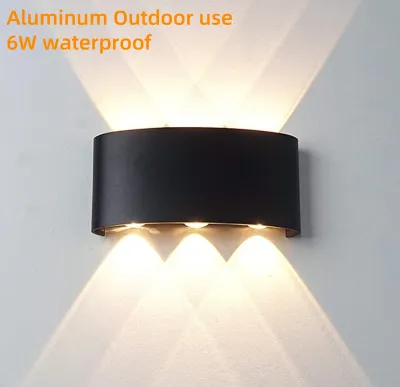
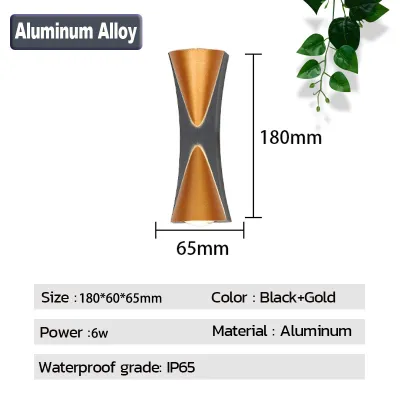
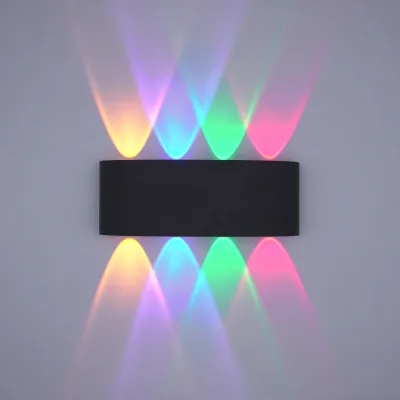
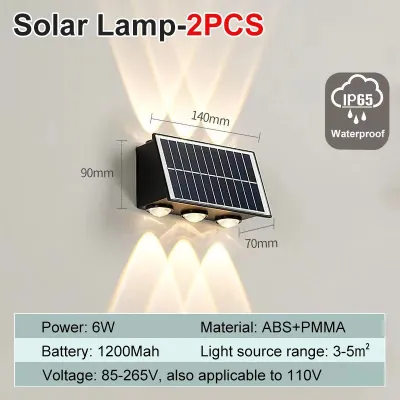
Prices are valid at publication and may change. Please refer to the product page for the latest price.
Next, evaluate the existing light sources that influence the space throughout the day and night. Observe how much ambient light spills into the hallway from adjacent spaces like the living room, kitchen, or bedrooms, and note if there are any existing ceiling downlights or transom windows. If the hallway completely lacks natural light—which is highly common in dense urban townhouses and subdivision homes—your wall lights will need to function as the primary source of ambient illumination. If the space already features ceiling lights, the wall fixtures can serve a secondary role, acting as low-intensity pathway guides for nighttime navigation.
Because narrow corridors in typical Filipino homes often lack external windows, they can become pitch-black zones during power outages or simple nighttime hours. This lack of natural ventilation and light makes strategic artificial light distribution critical for daily safety, preventing accidental trips over steps, thresholds, or misplaced items. Properly spaced wall lighting transforms these dark, utilitarian passages into bright, visually open pathways that connect the home seamlessly.
Selecting the Right Size and Profile to Avoid Clutter
When space is limited, the physical footprint of your lighting fixtures directly impacts both safety and comfort. Selecting low-profile, flush-mount, or semi-flush LED wall sconces is the most effective way to preserve valuable walking clearance. These designs hug the wall closely, minimizing the risk of family members accidentally bumping into them while carrying laundry baskets, moving furniture, or simply walking down the hall.

As a practical rule of thumb, look for fixtures with a protrusion depth of 10 centimeters (approximately 4 inches) or less. Checking this measurement on the manufacturer’s specification sheet is crucial, as product photos can often be visually misleading regarding depth. Ensuring this slim profile maintains adequate shoulder and hip clearance for adults, making the daily transition through the corridor feel unhurried and spacious rather than cramped.
Visual weight is another critical design factor that influences how large or small your hallway feels. Heavy, ornate fixtures with dark metal cages or wide projecting arms can make a narrow corridor feel visually crowded and oppressive. Instead, opt for minimalist designs with clean geometric lines, neutral finishes, or colors that match your wall paint. These styles blend into the background, providing light without drawing unnecessary attention to the physical boundaries of the tight space.
To avoid installation issues, always verify the exact physical dimensions on the product label or technical specification sheet before purchasing. Relying solely on broad category names like “hallway light” or “compact sconce” can lead to purchasing errors, as sizing standards vary wildly between brands. Knowing the exact height, width, and depth allows you to map out the physical placement on your walls before committing to any drilling or wiring.
Managing Light Distribution to Eliminate Glare
Illuminating a narrow space requires careful control over how light is directed. Direct, forward-facing light beams are generally unsuitable for narrow hallways because they project light straight out at eye level, causing uncomfortable glare and temporary visual fatigue as you walk past. Instead, look for fixtures designed for indirect light distribution, such as bi-directional up-and-down wall washers. These fixtures direct light toward the ceiling and floor, using the wall surfaces themselves as natural reflectors to bounce a soft, even glow back into the corridor.
To protect your eyes from harsh, exposed light sources, choose fixtures equipped with high-quality diffusers. Frosted glass, opal acrylic covers, or integrated metal shields are excellent at concealing raw LED chips from direct view. These materials scatter the light evenly across the face of the fixture, eliminating the intense, piercing pinpoint light associated with bare diodes and creating a much more comfortable visual environment.
Beam angle also plays a significant role in how light is perceived on your walls. Narrow, highly focused beam angles tend to create sharp, dramatic cones of light that result in harsh shadows and intense “hot spots” directly above or below the fixture. For a smooth, continuous pathway light, select fixtures with wider, softer beam angles. This allows the light output to blend seamlessly from one fixture to the next, reducing high-contrast shadows that can make a narrow space feel choppy and visually smaller.
Before finalizing your purchase, verify the optical design of the fixture by reading the detailed product descriptions or user manuals. Look for terms like “baffled,” “shielded,” or “indirect distribution” to ensure the light source is deeply recessed within the fixture housing. This structural shielding guarantees that even if you look directly at the fixture from a short distance, the bright LED emitter remains hidden from your direct line of sight.
Dialing in Brightness and Color Temperature
Determining the appropriate brightness level for a hallway requires looking at total lumen output rather than electrical wattage. Because modern LEDs are highly efficient, wattage only tells you how much power the fixture consumes, not how much light it emits. For a standard residential hallway, a general target of 300 to 500 lumens per fixture is typically sufficient to provide safe, clear visibility without overwhelming the senses in a confined space.
Color temperature, measured in Kelvin (K), dictates the color appearance of the light and heavily influences the mood of your transition spaces. For a cozy, relaxing, and welcoming atmosphere that transitions smoothly into bedrooms, warm white light ranging from 2700K to 3000K is highly recommended. If you prefer a cleaner, more alert environment that aids in cleaning or matches a highly modern aesthetic, neutral white light around 4000K is an excellent alternative. Avoid cool white light above 5000K in residential hallways, as it can feel clinical, harsh, and overly sterile in tight quarters.
Integrating dimmable LED drivers into your hallway lighting design offers excellent functional flexibility, especially for late-night navigation. A dimmable system allows you to keep the lights at full brightness during the early evening hours, and then lower them to a soft, low-intensity glow overnight. This low-level night lighting provides just enough visibility for safe trips to the bathroom or kitchen without waking up the rest of the household.
If you plan to use a dimming system, you must verify dimmer compatibility on the product specifications of both the wall light and the wall switch. Not all integrated LED wall lights support standard dimming, and using an incompatible dimmer switch can lead to annoying flickering, buzzing noises, or even permanent damage to the LED driver. Look for explicit labels indicating “triac dimmable” or “dimmable” on the product packaging before installation.
Installation Clearances and Electrical Safety
Proper placement is key to maximizing both the aesthetic appeal and the functionality of your wall lights. As a general guideline, mount your wall sconces so that the center of the fixture sits approximately 1.5 to 1.7 meters (about 60 to 66 inches) above the finished floor. This height keeps the light source at or slightly above average eye level for most adults, preventing them from looking directly down into an unshielded light source. If you are installing multiple fixtures along a long corridor, space them evenly at intervals of 1.8 to 2.4 meters to ensure continuous, balanced illumination.
When purchasing electrical products for use in the Philippines, always verify that the fixtures are rated for a 220V/60Hz power supply. The local electrical grid operates on this specific voltage and frequency, and installing fixtures designed solely for 110V or 50Hz grids can cause the internal LED driver to overheat, flicker, or fail prematurely. Always look for local certification marks, such as the Philippine Standard (PS) mark or the Import Commodity Clearance (ICC) sticker, to ensure the product has undergone proper safety testing.
Homeowners must also choose between hardwired and plug-in fixtures, each presenting distinct aesthetic and installation trade-offs. Hardwired fixtures offer a clean, seamless look with all wiring hidden behind the wall, which is highly desirable in narrow spaces where loose cords can easily be snagged or pulled. Plug-in fixtures are much easier to install without opening up walls, but they require securing the power cord flat against the wall surface using cable clips to prevent them from becoming dangling trip hazards.
Because working with electricity carries inherent risks, establishing clear safety boundaries during installation is paramount. Before attempting to mount, wire, or replace any light fixture, always turn off the main power supply at your home’s circuit breaker panel. If your home features solid concrete hollow block (CHB) walls—which are standard in Philippine construction—routing new internal conduits requires specialized tools and skills. For any new wiring runs, junction box installations, or if you are unsure about your home’s existing electrical load capacity, always consult a licensed utility professional or a registered master electrician to perform the work safely.
Frequently Asked Questions (FAQ)
Can I use outdoor LED wall lights indoors for a narrow hallway?
Yes, you can safely use outdoor-rated (IP-rated) LED wall lights indoors, but they may not always be the most practical choice for a narrow hallway. Outdoor fixtures are built to withstand harsh weather conditions and are often bulkier, heavier, and designed with higher lumen outputs to project light across wide, open exterior spaces. Before installing an outdoor fixture in a tight indoor corridor, carefully check its protrusion depth and brightness levels to ensure it does not overcrowd the physical space or produce blinding glare.
Do I need a dimmer switch for hallway wall sconces?
While a dimmer switch is not strictly mandatory, it is highly recommended for hallway wall sconces to improve nighttime comfort and energy efficiency. Having the ability to lower the light output during late-night hours prevents sudden eye strain when stepping out of a dark bedroom. If you decide to install a dimmer, always check the technical specifications of both the LED wall light and your wall switch to confirm they are explicitly rated as compatible with one another.

Community discussion
Share your experience or ask a question. Comments are reviewed before publication.