
To maximize headroom and enhance the spatial feel of a low-ceiling condo in the Philippines, selecting the right lighting fixture is a critical design decision. Modern condominiums in major metropolitan areas often feature structural concrete ceilings with heights ranging from 2.4 to 2.7 meters. In these compact spaces, traditional hanging chandeliers or deep semi-flush fixtures can make a room feel cramped and pose physical hazards. A low-profile, modern LED flush mount ceiling light offers an elegant solution by sitting close to the ceiling plane, preserving vertical clearance while delivering efficient, uniform illumination.
Transitioning to integrated LED technology allows homeowners to move away from bulky bulb housings. These modern fixtures distribute light evenly across the living space, helping to eliminate dark corners that visually shrink a room. By understanding the physical, electrical, and aesthetic requirements of your specific unit, you can choose a fixture that not only brightens your home but also complements its contemporary interior design.
Key Selection Criteria for Low-Ceiling Condos
When selecting a flush mount light for a low-ceiling condo, the physical profile of the fixture is your primary consideration. To maintain safe and comfortable headroom, aim for a maximum fixture depth or drop length of 5 to 10 centimeters. A fixture within this range remains unobtrusive, allowing tall occupants to move freely and preventing the visual clutter that occurs when a light hangs too low into the line of sight.
Products mentioned in this guide
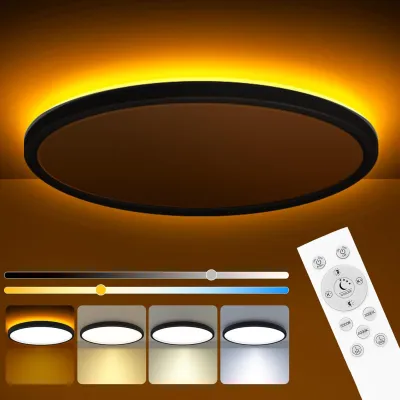
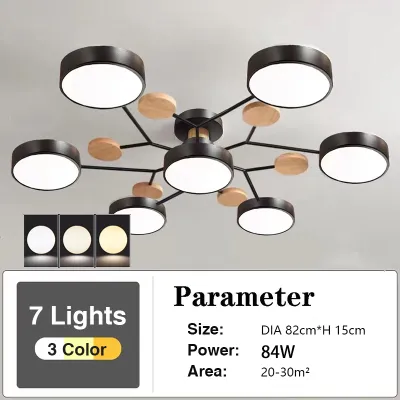
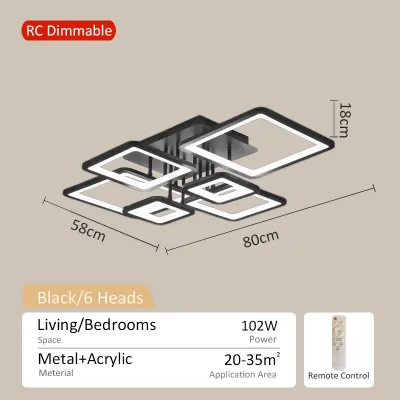
Prices are valid at publication and may change. Please refer to the product page for the latest price.
Lumen output and beam angle are equally important when choosing a low-profile fixture. Because the light source sits close to the ceiling, a narrow beam angle can create harsh, localized pools of light directly below the fixture, leaving the rest of the room in shadow. Opt for fixtures with a wide beam angle of 120 degrees or more to ensure the light spreads horizontally across the ceiling and walls. This wide distribution softens shadows and helps make the entire room feel more expansive. Ensure the total lumen output matches the room’s functional needs, typically ranging from 800 lumens for small utility areas to over 2,000 lumens for main living spaces.
Modern condo aesthetics benefit from clean, minimalist design elements. Edge-lit LED panels are highly effective for low ceilings because they guide light sideways through an internal plate before diffusing it downward, resulting in an ultra-thin profile and glare-free light. Geometric shapes, such as slim circular discs or square panels with thin, neutral-colored borders, blend seamlessly into the ceiling. Choosing a fixture frame that matches your ceiling color allows the unit to visually integrate into the surface when turned off, maintaining a clean and uninterrupted ceiling plane.
Electrical and Installation Requirements to Verify
Before purchasing a new LED flush mount, you must verify that the fixture is compatible with your condo’s existing electrical and structural setup. Begin by inspecting the ceiling junction box to ensure it can support the weight of the new fixture and that the mounting screw alignments match the new bracket. If you are replacing a larger fixture with an ultra-slim LED panel, measure the existing canopy area to confirm the new light will completely cover any unpainted plaster or holes left behind by the old installation.

Voltage compatibility is a critical safety factor in the Philippine market. Standard residential electrical systems in the Philippines operate at 220V to 240V at 60Hz. Ensure the integrated LED driver in your chosen fixture is rated for this specific voltage range to prevent electrical damage or premature failure. If you plan to use a dimmer switch, verify that the LED fixture is explicitly labeled as dimmable and matches the specifications of your existing dimmer. Standard dimmers designed for older incandescent bulbs often cause LEDs to flicker or buzz, requiring an upgrade to a compatible electronic low-voltage dimmer.
Concrete ceilings, which are standard in most Philippine high-rise developments, present unique installation challenges. Unlike hollow drywall ceilings, solid concrete slabs do not allow you to easily recess wiring or adjust junction box positions. If your condo does not have a recessed junction box in the desired location, you will need to use surface-mounted conduit or plastic molding to route the wires safely. When securing the mounting bracket to a concrete ceiling, standard wood or drywall screws cannot be used; you must use specialized concrete anchors, commonly known as tox screws, and a masonry drill bit to ensure a secure hold.
Safety boundaries must be strictly observed during any electrical installation. Always isolate the power supply by switching off the corresponding circuit breaker at the main panel before handling any wiring. Use a non-contact voltage tester to verify that the wires are completely de-energized. Always follow the manufacturer’s provided installation instructions carefully. If your installation requires structural drilling, running new conduit, or modifying complex wiring circuits, consult a licensed electrician to ensure the work is completed safely and complies with the Philippine Electrical Code.
How to Evaluate Modern LED Flush Mount Options
Evaluating product specifications carefully when browsing physical showrooms or online marketplaces ensures you select a high-performing and durable fixture. Look beyond simple wattage ratings and focus on the lumen output to determine actual brightness. To assess color quality, check the Color Rendering Index (CRI) on the product label. A CRI of 80 or higher is recommended for general residential use, while a CRI of 90 or above is ideal for dining areas and kitchens where accurate color representation enhances the appearance of food and decor. Color temperature, measured in Kelvin (K), should be selected based on the room’s function, with warm white (2700K to 3000K) suited for relaxation and cool white (4000K) or daylight (6500K) preferred for task-oriented spaces.
The build materials of the fixture play a vital role in its long-term durability, especially under the high humidity levels common in tropical climates. Inferior metals can rust quickly, while cheap plastics can degrade and discolor. Look for fixtures constructed with powder-coated aluminum or high-grade, UV-stabilized polycarbonate. The diffuser, which covers the LEDs, should be made of high-quality acrylic or PMMA to prevent yellowing over time. A yellowed diffuser not only looks unsightly but also reduces light transmission and alters the color temperature of the light.
Electrical safety certifications are essential indicators of quality and compliance. In the local market, look for products that carry the Philippine Standard (PS) quality mark or the Import Commodity Clearance (ICC) sticker. For imported fixtures, reputable international certifications such as CE, RoHS, or UL indicate that the product has met strict safety and environmental standards. Additionally, review the manufacturer’s warranty terms before purchasing; a reliable manufacturer should offer at least a one-to-two-year warranty covering both the LED light source and the integrated driver.
Maintenance and Cleaning for Long-Term Performance
Regular maintenance is necessary to keep your LED flush mount operating at peak efficiency and looking its best. Over time, airborne dust, cooking grease, and humidity can form a film over the diffuser, gradually reducing the light output. Before performing any cleaning, always turn off the light switch and allow the fixture to cool down completely to prevent thermal shock or electrical hazards. Use a dry, clean microfiber cloth to gently wipe away surface dust from the diffuser and frame.
Avoid using harsh chemical cleaners, abrasive scrubbing pads, or solvent-based solutions such as alcohol or window sprays on your fixtures. These substances can chemically damage acrylic diffusers, causing them to become cloudy, brittle, or cracked over time. They can also degrade protective powder coatings or anodized finishes on metal frames, leading to corrosion. If a deeper clean is required, use a microfiber cloth slightly dampened with water and a drop of mild dish soap, ensuring you wipe the surface dry immediately afterward and keep moisture away from the electrical connections.
In addition to cleaning, conduct periodic visual checks of the physical condition. Inspect the mounting hardware to ensure the fixture remains securely flush against the ceiling, as minor building vibrations can sometimes loosen screws over time. Watch for signs of insect ingress, which is a common issue in tropical environments where tiny bugs are attracted to the warmth of electrical fixtures. Choosing a fixture with a well-sealed housing or a high Ingress Protection (IP) rating can prevent insects and dust from accumulating inside the diffuser, preserving both the appearance and performance of your light.
Frequently Asked Questions (FAQ)
Can I install a flush mount light if my condo has a concrete ceiling?
Yes, you can install a flush mount light on a concrete ceiling, but the installation process requires specific considerations. Because you cannot easily recess wiring into a solid concrete slab without major structural work, you must work with the existing junction box location or use surface-mounted solutions. If you need to run new wiring, you will need to use surface-mounted plastic conduit or molding to route the wires safely along the ceiling. When choosing a fixture, look for models designed with shallow canopies or side knockouts that accommodate surface-run wiring. Always consult your condominium’s building administration to obtain the necessary permits and drilling guidelines, and hire a professional electrician to ensure the concrete anchors are installed safely without damaging embedded structural elements.
What color temperature is best for making a low ceiling feel higher?
While the choice of color temperature is a matter of personal preference, cooler color temperatures, such as cool white (4000K) or daylight (6500K), can visually recede, helping a low ceiling feel slightly higher and more open. Warmer color temperatures (2700K to 3000K) create a cozy and inviting atmosphere but can sometimes make a low ceiling feel more immediate if the light is concentrated in one spot. To maximize the perception of height, focus on achieving even, shadow-free light distribution across the entire ceiling plane. Avoid fixtures that cast narrow, downward-focused beams, as these leave the upper walls and corners in shadow, which emphasizes the low clearance. Many modern LED flush mounts feature adjustable tri-color technology, allowing you to switch between warm, neutral, and cool settings so you can test and select the best option for your room’s natural light and wall colors.

Community discussion
Share your experience or ask a question. Comments are reviewed before publication.