
To create a relaxing bedroom ambience in the Philippines, choosing the right night light involves balancing visual comfort, spatial constraints like compact condo layouts, and local electrical standards. The ideal setup transitions your mind from the high-stimulation daylight of tropical afternoons to a restful state. Achieving this does not require expensive renovations; instead, it relies on selecting fixtures with the correct color temperature, appropriate brightness levels, and safe form factors. By focusing on how light interacts with your bedroom’s surfaces and your personal evening routines, you can curate a space that promotes deep rest and recovery.
In many Philippine homes, the bedroom is a sanctuary from the bustling, humid outdoor environment. When the sun sets, the transition to a cool, air-conditioned room is enhanced significantly by the right lighting. Standard overhead lights are often too harsh and direct, mimicking daytime sun and delaying the body’s natural preparation for sleep. A well-chosen night light or mood lamp provides a soft, low-intensity glow that signals to your brain that the day is ending. This guide will help you navigate the technical specifications, physical designs, and safety requirements necessary to select the perfect lighting setup for your personal space.
Defining Your Bedroom Ambience Goals
Before browsing online marketplaces for lighting fixtures, define what you want your bedroom lighting to achieve. Different activities require different types of illumination. Sleep-prep lighting requires low-intensity, warm illumination that mimics twilight, signaling to your body that it is time to wind down. Reading accents require focused, directional light that illuminates a page without spilling over to the rest of the bed. Purely decorative mood lighting, such as sunset projection lamps, serves to alter the visual boundaries of the room, making small spaces feel more expansive or adding a dramatic wash of color to plain walls.
Products mentioned in this guide
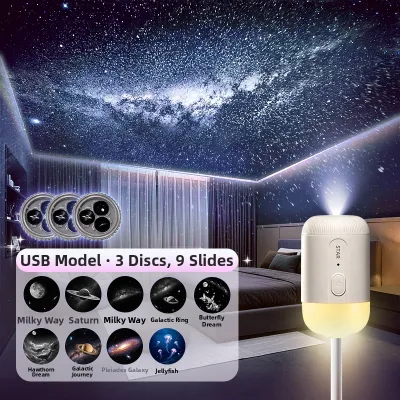
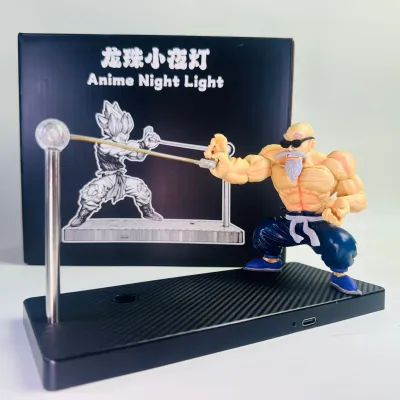
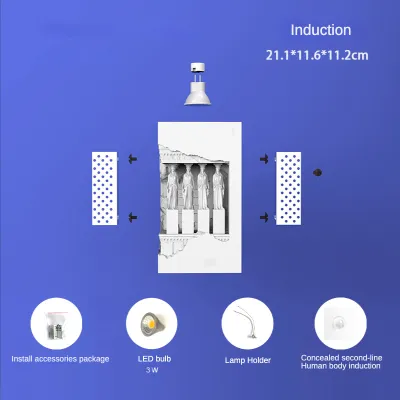
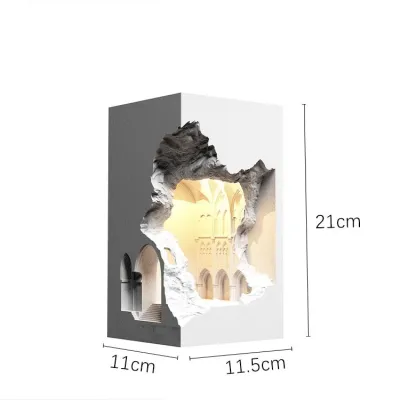
Prices are valid at publication and may change. Please refer to the product page for the latest price.
In many Philippine homes, particularly modern high-rise condominiums, bedrooms often serve double duty as home offices. This multi-functional reality means your lighting must be adaptable. A bright overhead light used during daytime work hours must give way to soft, localized ambient sources in the evening. When assessing your space, take note of where your power outlets are located and how much surface area your nightstands actually offer. If space is at a premium, bulky lamps will only clutter your bedside, creating visual noise that defeats the purpose of a relaxing environment.
Your choice between static warm tones and dynamic color-changing lights should align with your daily wind-down routine. Warm, amber tones (typically around 2200K to 2700K) are excellent for calming the nervous system before sleep. Dynamic color-changing lights, such as those that cycle through deep blues, purples, or sunset oranges, can be highly therapeutic for evening meditation, but they should feature easy controls to lock in a single, non-distracting hue when it is time to close your eyes.
Core Features to Evaluate in Night Lights
Color temperature is measured in Kelvin (K) and is one of the most critical specifications to check before purchasing. For a bedroom night light, look for specifications between 1800K and 2700K. Light in this ultra-warm spectrum contains minimal blue wavelengths, which are known to suppress melatonin production. When shopping on ecommerce platforms, verify the Kelvin rating in the product description rather than relying on generic terms like “warm white,” which can sometimes refer to cooler 3000K or 3500K sources. Cooler light is excellent for productivity but counterproductive for sleep preparation.

Brightness control is another critical factor. A night light that is too bright will disrupt your sleep cycle, while one that is too dim will cause eye strain if you try to navigate the room. Look for fixtures that offer step-less dimming or at least three distinct brightness levels. Glare prevention is equally vital; direct exposure to an exposed bulb can cause immediate eye fatigue. Opt for lamps with frosted diffusers, fabric shades, or designs that direct the light downward or against the wall to create a soft, indirect glow.
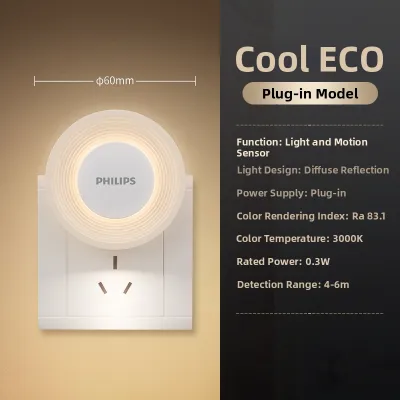
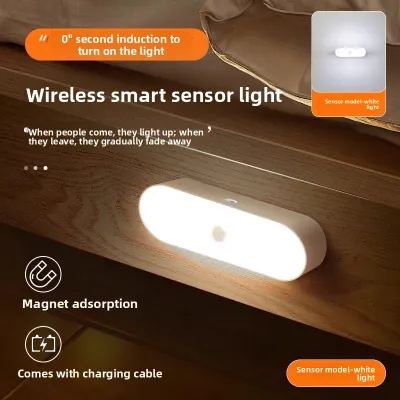
Power sources significantly impact both the aesthetics and placement of your night light. Traditional plug-in models offer continuous power but limit placement to the immediate vicinity of wall outlets. USB-rechargeable night lights provide excellent flexibility, allowing you to place the light on a floating shelf, inside a wardrobe, or on a bedside table without unsightly cords trailing down. However, rechargeable models require you to monitor battery life. If choosing a corded option, consider cord management accessories like adhesive clips to keep cables neatly tucked behind furniture, maintaining a clean, clutter-free visual environment that supports mental relaxation.
Choosing the Right Form Factor for Your Space
The physical design of your night light dictates how it distributes light and how much physical space it occupies. Choosing the right form factor requires balancing your aesthetic preferences with the practical layout of your bedroom furniture. A lamp that looks stunning in a spacious showroom might overwhelm a compact bedside table in a studio condo.
By understanding the strengths and limitations of different form factors—such as tabletop lamps, wall-mounted sconces, and projection lights—you can select a fixture that integrates seamlessly into your room, maximizing ambient effect while minimizing physical and visual clutter.
Tabletop and Shelf Lamps
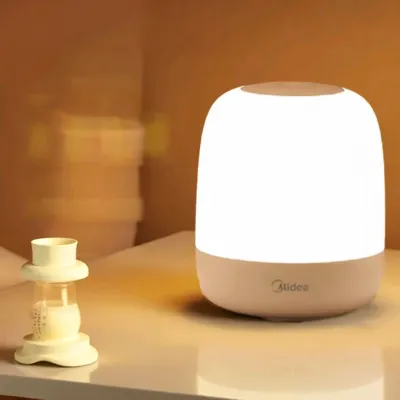
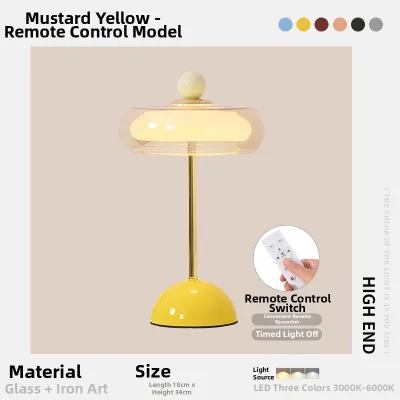
Tabletop lamps are the most traditional choice for bedside lighting. When selecting a tabletop model, measure the surface area of your nightstand first. A lamp base should ideally occupy no more than one-third of the available surface, leaving ample room for essentials. Look for models with weighted bases to prevent accidental tipping in the dark.
In the Philippines, interior design trends often favor natural materials like wood, ceramic, and woven rattan, which fit beautifully into minimalist tropical aesthetics. These materials naturally diffuse light, softening the overall output. Directional control is crucial for tabletop lamps placed close to the bed. If the lamp sits at eye level when you are lying down, an open-top shade can expose you to direct glare. Choose lamps with downward-facing shades or spherical, fully enclosed diffusers that scatter light evenly in all directions.
Wall-Mounted and Plug-In Sconces
For smaller bedrooms or minimalist design schemes, wall-mounted sconces and plug-in night lights offer an excellent space-saving alternative. These fixtures keep bedside tables completely clear. Plug-in models that fit directly into wall outlets are highly efficient for illuminating pathways or low-level areas, but their placement is entirely dependent on existing outlet locations.
If you are renting a condo in the Philippines, drilling holes into concrete walls to mount fixtures is often prohibited. In these cases, look for lightweight, rechargeable wall sconces that utilize non-damaging adhesive mountings. Before applying these adhesives, ensure the wall surface is clean, dry, and free of peeling paint. For corded wall lamps, use paintable cord covers to conceal dangling wires, blending them seamlessly into your wall color without permanent modifications.
Floor and Projection Lamps
Floor lamps and projection lights, such as sunset lamps, are designed to wash large areas of your bedroom with rich, atmospheric color. Floor lamps work best in corners, requiring dedicated floor space that does not obstruct natural traffic paths in the room. Ensure the base is heavy enough to remain stable on both tiled and carpeted floors.
Projection lamps rely on distance and angle to achieve their full effect. A sunset lamp placed too close to a wall will produce a small, intense circle of light rather than a soft, expansive gradient. Verify that your room layout allows for a projection distance of at least one to two meters from the target wall. Additionally, keep in mind that highly textured walls will absorb or distort the projected light, whereas smooth, light-colored walls will reflect the colors with maximum clarity and warmth.
Safety and Electrical Considerations
Safety should always be your top priority when introducing new electrical fixtures into your bedroom. In the Philippines, the standard household voltage is 220V at a frequency of 60Hz. When purchasing night lights online, particularly from international sellers, always verify that the product is rated for 220V. Using a 110V appliance without a proper step-down transformer can damage the device and pose a serious fire hazard. Additionally, ensure the plug type matches your wall outlets—typically Type A or Type B.
Heat emission is another critical safety factor, especially in the warm, humid climate of the Philippines. LED night lights are highly recommended because they emit significantly less heat than traditional incandescent bulbs. However, even LEDs can generate heat at their base or driver components. Maintain a safe clearance of at least 10 to 15 centimeters between your night light and flammable materials such as curtains, bedsheets, or wooden headboards. Never cover a night light with fabric or paper to dim its brightness, as this traps heat and creates an immediate fire risk.
For any fixed wiring installations, such as hardwired wall sconces, always isolate the power at the main circuit breaker before attempting installation. If you are unfamiliar with electrical wiring, or if your home’s electrical system requires modification, do not attempt a DIY installation. Always hire a qualified professional electrician to ensure the work complies with the Philippine Electrical Code, protecting your home and family from electrical faults.
Building Your Shortlist: Pre-Purchase Checklist
Before finalizing your purchase on any online marketplace, go through a systematic checklist to ensure the night light meets your expectations. First, verify the manufacturer’s specifications regarding bulb replacement. Many modern LED night lights feature integrated LEDs that cannot be replaced once they burn out; in contrast, fixtures with standard socket sizes (such as E14 or E27) allow you to swap out bulbs easily to adjust color temperature or brightness over time.
Second, carefully review the return policies and warranty terms offered by the seller. Electronic mood lamps and projection lights can occasionally suffer from manufacturing defects or shipping damage. A reliable seller should offer a clear return window and a warranty of at least three to six months.
Finally, scrutinize user reviews, paying close attention to uploaded photos and videos. Marketing images for sunset lamps and ambient lights are often heavily edited. Real user photos will give you a much more accurate representation of the light’s actual color output, brightness, and overall build quality. Look for comments regarding whether the lamp hums or flickers, as these issues can be highly disruptive in a quiet bedroom environment.
Frequently Asked Questions (FAQ)
Can I leave a sunset or mood lamp on all night?
It is generally not recommended to leave sunset lamps or high-intensity mood lights on throughout the entire night. While modern LED projection lamps are energy-efficient, their concentrated light engines can generate localized heat over extended periods of continuous operation. Prolonged use can shorten the lifespan of the internal components and may present a safety risk if the lamp lacks adequate ventilation. If you prefer to fall asleep to ambient light, look for models equipped with an automatic shutoff timer or use a separate smart plug to schedule an automatic power-off.
Do smart night lights require a separate hub?
Whether a smart night light requires a separate hub depends entirely on its wireless protocol. Lights that utilize Wi-Fi or Bluetooth protocols typically connect directly to your smartphone or home router, requiring no additional hardware. However, if the light uses Zigbee or Z-Wave protocols, a compatible smart home hub is necessary to bridge the connection. Keep in mind that Wi-Fi-based lights may lose smart functionality during local internet outages, though they will usually still operate via physical switches. For the most reliable and straightforward bedroom setup, direct Bluetooth or Wi-Fi control is generally the most user-friendly option.

Community discussion
Share your experience or ask a question. Comments are reviewed before publication.