
Finding the right outdoor canopy light for a low-ceiling condo balcony in the Philippines requires balancing tight physical space with harsh environmental conditions. High-rise balconies and covered outdoor areas are constantly exposed to intense tropical heat, high humidity, salt-laden air, and driving monsoon rains. At the same time, typical modern condominium designs often feature limited ceiling heights, leaving very little vertical clearance for hanging fixtures or bulky lanterns. Choosing an inappropriate light can lead to frequent bulb failures, structural corrosion, or even electrical hazards.
To navigate these challenges, you need a systematic approach that evaluates weather-resistance ratings, physical dimensions, and building-specific regulations. This guide provides a practical framework to help you select a low-profile, durable outdoor flush mount or canopy light. By understanding how to read safety labels, measure clearance, and verify electrical compatibility, you can find a fixture that keeps your outdoor space safe, functional, and beautifully illuminated.
Understanding Weather-Resistance Ratings for Covered Areas
When shopping for an outdoor canopy light, the first and most critical step is verifying its moisture and dust protection levels. Outdoor fixtures are categorized by their suitability for different environmental exposures, typically labeled as either damp-rated or wet-rated. Understanding the distinction between these two classifications is essential for preventing premature fixture failure and ensuring electrical safety.
Products mentioned in this guide
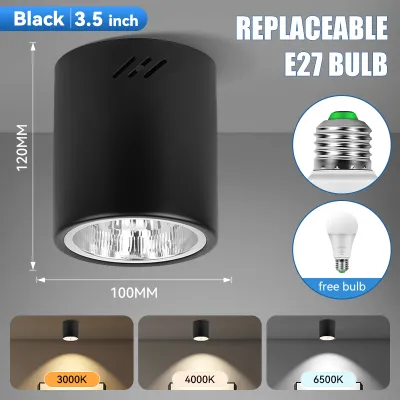
Prices are valid at publication and may change. Please refer to the product page for the latest price.
Damp-rated fixtures are designed for covered, protected areas that do not receive direct exposure to water, rain, or snow. These lights can handle high humidity and condensation, making them suitable for fully recessed balconies, deeply covered patios, or carports that are shielded from the wind. However, they are not sealed against direct water sprays. If your condo balcony is on a high floor where wind-driven rain can blow sideways, a damp-rated fixture may not offer sufficient protection.
Wet-rated fixtures, on the other hand, are engineered to withstand direct exposure to water, including rain, sleet, and direct washdowns. These fixtures feature specialized rubber gaskets, sealed wire compartments, and corrosion-resistant hardware to prevent water from contacting internal electrical components. For most condo balconies in tropical regions prone to sudden downpours and typhoons, choosing a wet-rated fixture provides an extra layer of safety and durability, even if the ceiling is partially covered.
To get a precise understanding of a fixture’s protective capabilities, look beyond generic marketing terms and check the manufacturer’s Ingress Protection (IP) rating. An IP rating consists of two digits: the first indicates protection against solid objects and dust (ranging from 0 to 6), while the second indicates protection against liquids (ranging from 0 to 9). For a covered balcony or outdoor canopy, a minimum rating of IP44 is generally recommended for basic splash protection. If the area is highly exposed to heavy, wind-driven monsoon rains, look for fixtures with an IP65 or IP66 rating, which indicates they are dust-tight and protected against powerful water jets.
Sizing and Visual Clearance for Low Ceilings
Low-ceiling condo balconies present a strict physical boundary that dictates the maximum allowable depth of your lighting fixture. Installing a light that protrudes too far down not only creates a safety hazard for taller residents and guests but also makes the outdoor space feel cramped and visually cluttered. To avoid these issues, you must take precise measurements and calculate the available clearance before making a purchase.

Begin by measuring the exact distance from the balcony floor to the ceiling slab using a reliable tape measure. In many modern Philippine condominiums, balcony ceilings range from 2.4 to 2.7 meters high. As a general rule of thumb, the bottom of any ceiling-mounted fixture should sit at least 2.1 meters above the finished floor. This ensures that people can walk underneath the light without any risk of head contact. If your ceiling is exceptionally low—around 2.4 meters—your fixture’s total depth should not exceed 10 to 15 centimeters.
In addition to vertical clearance, consider the horizontal proportions of the fixture relative to your balcony’s square footage. A massive, wide canopy light can overwhelm a narrow balcony, while an undersized fixture might look lost and fail to distribute light evenly. To find a balanced diameter, you can use a simple design guideline: add the length and width of your balcony in meters, and multiply the sum by 10 to get a rough starting diameter in centimeters. For example, a balcony that is 1.5 meters wide and 3 meters long (a sum of 4.5) would pair well with a fixture around 45 centimeters in diameter, though you can adjust this based on your personal aesthetic preferences.
To maximize both physical and visual space, prioritize low-profile designs and integrated LED options. Traditional flush mounts that use replaceable bulbs often require a deeper housing to accommodate the bulb socket and allow for heat dissipation. Integrated LED flush mounts, by contrast, utilize flat circuit boards lined with light-emitting diodes. This technology allows manufacturers to design ultra-thin fixtures—sometimes less than 2.5 centimeters thick—that sit almost flush against the ceiling. These low-profile designs provide a clean, modern look while preserving every possible centimeter of headroom.
Condo Rules and Electrical Compatibility Checks
Before purchasing or installing any outdoor lighting fixture, you must verify compliance with your condominium’s house rules and the existing electrical infrastructure. Condominium developments are governed by a Property Management Office (PMO) that enforces strict guidelines to maintain the building’s structural integrity, safety, and aesthetic uniformity.
Start by reviewing your condo’s tenant handbook or consulting the PMO directly regarding exterior modifications. Many buildings prohibit any changes that alter the external appearance of the facade, which means you may need to select a fixture color or style that matches the original developer-installed lighting. Additionally, drilling into balcony ceilings is often heavily restricted or entirely banned. This is because balcony slabs are frequently post-tensioned concrete structures containing high-strength steel cables under extreme tension; drilling into one of these cables can cause catastrophic structural damage. Always confirm whether you are permitted to mount new hardware or if you must utilize the existing mounting holes.
Next, inspect the existing electrical setup on your balcony. Turn off the main power at your condo’s circuit breaker panel before removing any existing fixture or touching exposed wires. Check the type and condition of the junction box installed in the ceiling. Some older buildings may use smaller utility boxes that require specific mounting brackets, while newer developments use standard octagonal junction boxes. You must also verify the weight capacity of the junction box; heavy glass or metal fixtures require a box rated to support their weight safely.
Electrical compatibility also extends to voltage and wiring standards. In the Philippines, the standard residential electrical supply is 220V to 240V at 60Hz. Ensure that any fixture you purchase is rated for this voltage range, as importing a 110V fixture designed for other regions will cause immediate damage or pose a fire hazard unless paired with a transformer. Look for local safety certifications, such as the PS (Philippine Standard) or ICC (Import Commodity Clearance) marks, on the product packaging. If your installation requires running new conduit, upgrading old wiring, or replacing a damaged junction box, always isolate the power and hire a licensed electrician to perform the work safely and in compliance with the Philippine Electrical Code.
Building Your Shortlist: Materials and Functional Features
Once you have established your physical and regulatory boundaries, you can begin comparing specific fixtures. To build a reliable shortlist, evaluate the construction materials, light output, and control features of each candidate light to ensure long-term performance in a tropical environment.
The choice of housing material is the single most important factor determining how well a fixture will resist corrosion. The high humidity and salt air common in coastal and urban areas of the Philippines can cause cheap steel, iron, or chrome-plated fixtures to rust within months. Instead, look for fixtures constructed from rust-proof materials such as high-grade polycarbonate, ABS plastic, marine-grade aluminum, or solid brass. Polycarbonate and ABS plastic are particularly durable choices for coastal condos, as they are completely immune to rust, lightweight, and highly resistant to UV degradation from intense tropical sunlight.
Next, evaluate the light output, measured in lumens, and the color temperature, measured in Kelvin (K). The ideal brightness depends on how you plan to use your balcony. For a relaxing, ambient outdoor lounge, a light output of 300 to 600 lumens is usually sufficient. If you plan to use the balcony for reading, dining, or task-oriented activities, look for a brighter fixture delivering 800 to 1,200 lumens. Color temperature is a matter of personal preference: warm white (2700K to 3000K) creates a cozy, inviting atmosphere well-suited for evening relaxation, while cool white (4000K to 6500K) provides a crisp, high-visibility light that is highly functional but can sometimes feel sterile.
Consider whether you require dimming capabilities or smart-home integration. If you want to adjust the brightness of your balcony light, verify that both the fixture (especially if it is an integrated LED) and your wall switch are explicitly labeled as dimmable. Non-dimmable LED fixtures connected to a dimmer switch will flicker, buzz, or fail prematurely. If you prefer smart controls, look for outdoor flush mounts with built-in wireless connectivity, allowing you to schedule lighting times, adjust brightness, or change color temperatures via a smartphone app or voice assistant.
Finally, establish a realistic budget in Philippine Pesos (₱) and compare manufacturer warranties. High-quality, weather-resistant outdoor flush mounts typically range from ₱1,500 to ₱5,000 or more, depending on the materials, IP rating, and smart features. While budget-friendly options under ₱1,000 are widely available on online marketplaces, they often lack proper weather seals and robust warranties. Prioritize brands that offer at least a one-year to three-year warranty specifically covering outdoor use, as this reflects the manufacturer’s confidence in the fixture’s ability to withstand moisture and heat.
Frequently Asked Questions (FAQ)
Can I use an indoor flush mount light on a covered condo balcony?
No, you should never use an indoor-rated flush mount light on a covered condo balcony. Indoor fixtures lack the specialized rubber gaskets, silicone seals, and corrosion-resistant coatings required to keep moisture out of the electrical housing. Even if your balcony is fully covered and protected from direct rain, the high ambient humidity and condensation typical of the Philippine climate will eventually penetrate an indoor fixture. This can lead to short circuits, rapid corrosion of the wiring, mold growth inside the diffuser, and a significantly increased risk of electrical shock or fire. Always verify that a fixture is explicitly rated for damp or wet locations before installing it outdoors.
How do I clean and maintain outdoor canopy lights in humid conditions?
To safely clean and maintain your outdoor canopy light, always begin by isolating the power at the main circuit breaker panel to eliminate any risk of electrical shock. Once the power is off and the fixture has cooled completely, use a soft, damp microfiber cloth to wipe away dust, salt residue, and insect debris from the exterior housing and lens. Avoid using harsh chemical cleaners, abrasive pads, or solvent-based sprays, as these can strip away protective UV coatings and damage plastic seals. While cleaning, inspect the fixture for any signs of water entry, condensation behind the lens, or cracked rubber gaskets. If you observe moisture buildup inside the unit or degraded seals, stop using the light immediately and consult a qualified professional to inspect or replace the fixture.
Do flush mount outdoor lights provide enough illumination for a balcony?
Yes, a single high-quality flush mount outdoor light can provide sufficient illumination for a standard condo balcony, provided you choose the correct lumen output and beam angle. Because flush mounts sit close to the ceiling, they naturally distribute light downward and outward in a wide, even pattern. For narrow or long balcony layouts, a single central fixture with a wide beam angle (120 degrees or more) is usually sufficient to light the entire space. However, if your balcony is exceptionally large, L-shaped, or divided into distinct zones—such as a dining area and a plant corner—you may want to supplement the main canopy light with weather-resistant wall sconces or portable, outdoor-rated plug-in lamps to eliminate dark corners and create a more layered, inviting lighting scheme.

Community discussion
Share your experience or ask a question. Comments are reviewed before publication.