
To create a warm, ambient glow in a condo living room using solar Christmas lights, you need a system that pairs a highly sensitive, weather-resistant outdoor solar panel with a low-intensity, warm-white LED string. Because indoor spaces do not receive the direct sunlight required to charge solar batteries, the setup relies on placing the solar panel on a sunny balcony or window ledge while routing the wire indoors. Opting for micro LEDs or small globe bulbs on copper or silver wire provides a soft, diffused glow that enhances the cozy atmosphere of a compact living space without overwhelming it.
By selecting lights with a warm color temperature—ideally between 2200K and 2700K—you can mimic the gentle flicker of candlelight or traditional incandescent bulbs. This approach allows you to enjoy the energy efficiency and automated convenience of solar power while maintaining a sophisticated, relaxing interior design. Achieving this balance requires careful planning around panel placement, wire routing, and bulb specifications to ensure your indoor sanctuary remains bright, cozy, and clutter-free.
Adapting Outdoor Solar Lights for Indoor Condo Spaces
Using outdoor solar lights inside a condominium requires a clear understanding of how solar technology interacts with indoor environments. The primary challenge is ensuring the solar panel receives enough direct sunlight to charge the internal battery fully. In the Philippines, where tropical weather brings intense afternoon sun alongside sudden downpours, placing the solar panel on an open balcony railing or a wide, unshaded window ledge is the most effective strategy. Standard window glass can reflect or filter out a significant portion of the ultraviolet rays needed for charging, which means placing the panel behind a closed window pane will drastically reduce its charging efficiency.
Products mentioned in this guide
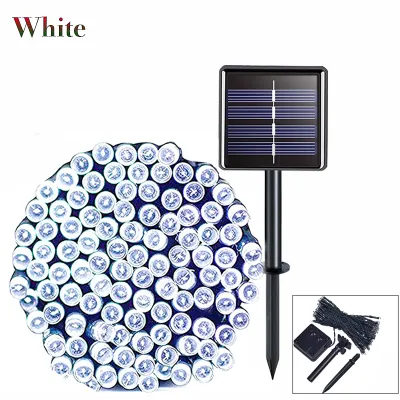
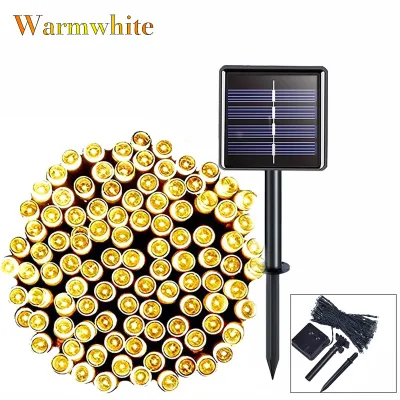
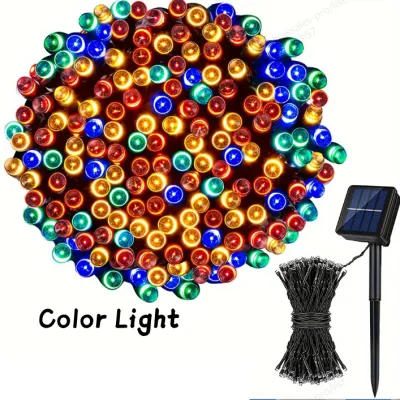
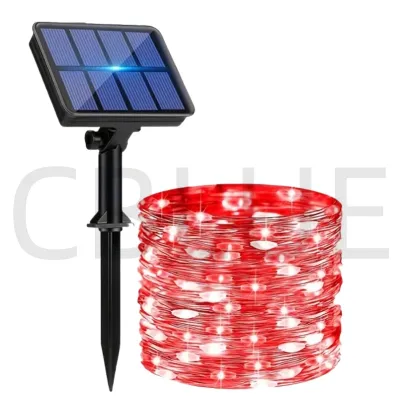
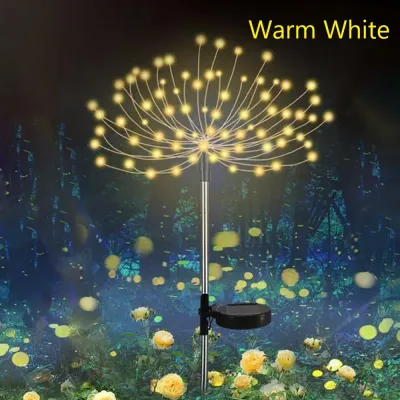
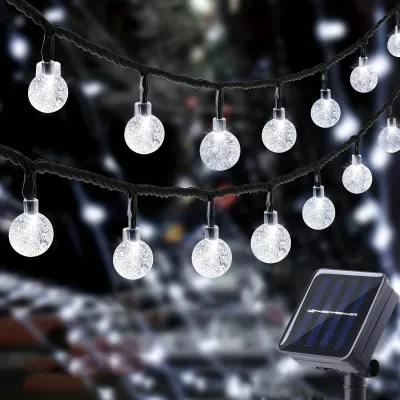
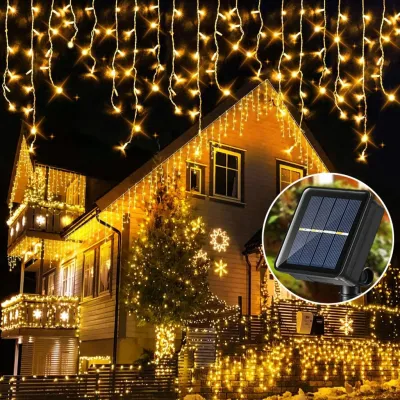
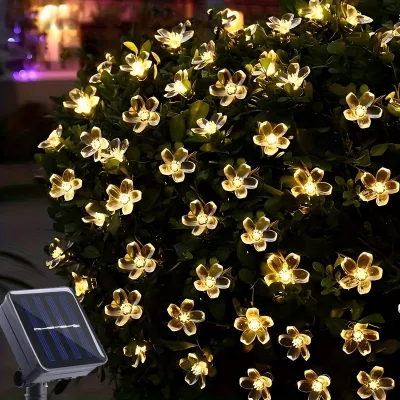
Prices are valid at publication and may change. Please refer to the product page for the latest price.
When planning your setup, the length of the lead cable—the unlit portion of wire running from the solar panel to the first LED bulb—is a critical specification to verify. Many standard outdoor sets have very short lead cables because they are designed to be staked directly into garden soil. For a condo living room, you need a lead cable long enough to stretch from your outdoor balcony or window ledge, past the door frame or window seal, and into the living room before the actual lights begin. If the lead cable is too short, you will end up wasting several feet of glowing light bulbs outside on the balcony rather than illuminating your indoor living space.
Another technical factor to consider is the behavior of the built-in light sensor. Solar panels are equipped with dusk-to-dawn sensors that automatically turn the lights on when the panel detects darkness. If your balcony is exposed to bright ambient light from neighboring units, streetlights, or corridor lamps, the sensor may register that it is still daytime and prevent the indoor lights from turning on, even if your living room is completely dark. Understanding how to position the panel to avoid these artificial light sources is essential for seamless automated operation.
Finally, because tropical weather can bring prolonged rainy seasons with consecutive overcast days, relying solely on solar energy can sometimes leave your living room dim. To counter this, look for dual-mode solar light models that offer alternative power options. Some advanced systems feature a detachable solar panel with a USB port, allowing you to charge the battery pack via a standard wall outlet or power bank when sunlight is scarce. This hybrid functionality ensures your warm ambient glow remains consistent regardless of the weather outside.
Selecting Light Specs for a Warm Ambient Effect
To achieve a cozy, relaxing atmosphere in your condo, the color temperature of the bulbs is the most important factor. You want to avoid the harsh, clinical blue-white light often associated with cheap outdoor security lighting. Instead, look for packaging or product descriptions that explicitly state a color temperature of 2200K to 2700K, often labeled as “warm white,” “warm yellow,” or “candlelight warm.” If you are shopping on an online marketplace, check user-uploaded photos in the review section to verify that the light emitted is a soft, golden hue rather than a bright, cool white.

Bulb style also plays a major role in how light is diffused throughout the room. For a delicate, whimsical look, micro LEDs on thin copper or silver wire (often called fairy lights) are highly effective. These tiny bulbs emit a soft, point-source light that looks beautiful when draped over shelves or woven through indoor plants. If you prefer a more structured, retro aesthetic, small globe bulbs (such as G40 plastic globes) offer a wider, more even distribution of light. Globe bulbs provide a classic bistro feel that can make a small condo living room feel like a high-end lounge.
When evaluating brightness, remember that ambient lighting is meant to complement the room, not serve as task lighting. High-lumen bulbs can cause uncomfortable glare in a compact indoor space. Instead, focus on LED density—the number of bulbs per meter of wire. A high density of low-lumen bulbs creates a continuous, gentle ribbon of light that is much easier on the eyes than a few widely spaced, ultra-bright bulbs. This soft illumination is perfect for winding down at the end of the day or watching television without distracting reflections.
Additionally, the color of the wire itself affects the overall look of your decor during the daytime. Copper wire has a warm, metallic sheen that blends beautifully with wooden furniture, warm paint tones, and tropical indoor plants like monstera or snake plants. Silver wire offers a clean, modern look that disappears against light gray or off-white walls. Green wire, which is standard for traditional holiday setups, is best reserved for wrapping around dark green artificial Christmas trees or dense indoor foliage, as it can look stark and distracting against a plain condo wall.
Sizing and Layout for Condo Living Rooms
Before purchasing your solar christmas lights outdoor models, take precise measurements of the areas you plan to decorate. Condo living rooms often feature unique architectural elements like floating shelves, window frames, media consoles, and sliding balcony doors. Use a flexible measuring tape to map out the exact path the wire will take. If you plan to frame a window, measure all four sides; if you want to drape the lights along a TV console, measure the width and depth of the surface to ensure complete coverage.
Once you have your base measurements, always add an extra 10% to 15% to your total length calculation. This extra slack is necessary for creating natural, relaxed drapes rather than pulling the wire taut, which can look cheap and put unnecessary tension on the connections. You also need to account for the distance required to route the wire around corners, behind furniture, and out to the balcony where the solar panel will reside. A wire that is even a few inches too short can ruin the symmetry of your layout.
In compact condo spaces, visual weight is an important design consideration. Heavy, thick green wires with large bulbs can look cluttered and messy during the day when the lights are turned off. To maintain a clean, minimalist aesthetic, opt for thin, flexible wire strings that can be easily tucked away or integrated into your existing decor. Micro LEDs on copper wire virtually disappear when unlit, ensuring your living room looks tidy and organized during the day while transforming into a cozy retreat at night.
Building Your Shortlist and Pre-Purchase Checks
When compiling a list of potential solar light models on your preferred online marketplace, a structured checklist will help you filter out low-quality options. First, verify the Ingress Protection (IP) rating of both the solar panel and the light string. Because the solar panel and the first few feet of wire will be exposed to the elements on your balcony, they must have a minimum rating of IP44 to protect against splashing water, though IP65 is highly recommended to withstand heavy tropical downpours. The indoor portion of the string is safe from rain, but the outdoor components must be durable.
Next, examine the battery specifications provided by the manufacturer. Look for the battery capacity, measured in milliampere-hours (mAh), and the battery type, such as Nickel-Metal Hydride (Ni-MH) or Lithium-ion (Li-ion). A higher mAh rating generally means the lights can run longer on a single charge. It is also wise to check if the battery is user-replaceable. Over time, intense tropical heat can degrade solar batteries; being able to swap out the battery prolongs the lifespan of your light set, saving you money in the long run.
While browsing, pay close attention to warranty terms and return policies. Reliable brands often offer a warranty of six months to a year, which provides peace of mind against premature component failure. Read through customer reviews specifically looking for mentions of battery longevity, wire durability, and how well the solar panel performs after several months of exposure to sun and rain. Avoid products with consistent complaints about rapid battery degradation or fragile wire connections.
Finally, confirm what mounting hardware is included in the package. Some solar panels come only with a ground stake, which is useless on a concrete condo balcony. Look for models that include a wall-mounting bracket, a clip, or a flat base that can be easily secured to a balcony railing, wedged into a heavy planter, or taped to a window ledge. Having the right mounting accessories included saves you the hassle of buying extra hardware separately.
Safe Installation and Cable Management
Installing your lights safely is crucial for protecting both your condo’s interior and your safety. Since many condo residents rent their units, damage-free mounting solutions are highly recommended. Use clear, removable adhesive clips or hooks to secure the light string along walls, shelves, or window frames. These clips hold the wire firmly in place without damaging paint or drywall when it is time to remove them. For window frames, tension rods can also be used to drape lights without any adhesive at all.
Cable management is equally important for preventing tripping hazards, especially in high-traffic living areas. Route the lead cable flat along baseboards and secure it with low-profile cable clips. If the wire must cross a walkway to reach a window or balcony door, cover it with a flat rubber cord protector or run it safely under a heavy rug. Never pinch the wire in door frames or window slides, as repeated opening and closing can cut through the protective insulation, creating a short circuit or fire hazard.
Lastly, be mindful of heat sources within your living room. Keep the light string and the lead cable away from appliances that generate heat, such as televisions, media consoles, internet routers, or space heaters. If your installation requires securing the solar panel to a shared balcony railing or drilling into exterior walls, stop and consult your condominium’s building management office (PMO). Many properties have strict guidelines regarding exterior aesthetics and structural modifications, and obtaining approval beforehand prevents potential fines or disputes.
Frequently Asked Questions (FAQ)
Will the lights turn on if the living room is dark but the balcony is still lit?
No, the lights will generally not turn on automatically if the balcony is bright. The light sensor is located inside the solar panel itself, not the light string. If the panel detects light from streetlights, corridor lamps, or neighboring balconies, it registers that it is still daytime and keeps the circuit open. To resolve this, you can manually cover the solar panel with a dark cloth, a piece of cardboard, or an opaque cover to trick the sensor into detecting darkness, allowing your indoor lights to glow.
How do I clean the solar panel to maintain charging efficiency?
To keep your solar panel charging at peak efficiency, clean it once a week to remove dust, soot from city traffic, and pollen. Wipe the surface gently with a soft, damp microfiber cloth. Avoid using abrasive scrubbing pads, steel wool, or harsh chemical cleaners, as these can scratch the protective plastic or glass coating. Scratches scatter incoming sunlight and permanently reduce the panel’s ability to charge the battery, shortening the nightly run time of your lights.

Community discussion
Share your experience or ask a question. Comments are reviewed before publication.