
Personalizing a condominium in the Philippines often requires a thoughtful balance between space-saving design and vibrant self-expression. Personalized neon signage letters have emerged as a premier choice for ambient lighting, transforming plain concrete walls into dynamic focal points without occupying valuable floor space. Whether you want to display a family name, an inspiring quote, or a minimalist monogram, these custom light installations offer a modern way to define your living room, bedroom, or home office. By choosing the right materials, understanding the technical requirements of local high-rise units, and selecting a design that complements your interior, you can create a safe, energy-efficient, and visually stunning lighting setup.
Unlike traditional commercial signs, modern residential neon letters are designed to integrate seamlessly with home decor. They provide a soft, indirect glow that can serve as primary accent lighting during the evening, reducing the need for harsh overhead fixtures. Because condo layouts often feature open-plan living and dining areas, a strategically placed neon sign can also help visually zone different parts of your home. To achieve the best results, it is essential to understand the underlying technology, design options, and installation methods that make these signs suitable for high-rise living.
Why LED Neon Flex is the Standard for Condo Signage Letters
When shopping for personalized signage letters, you will quickly find that modern LED neon flex has almost entirely replaced traditional glass neon for residential use. Traditional glass neon relies on hand-blown glass tubes filled with gas, operated by high-voltage transformers. While glass neon has a classic retro appeal, it is highly fragile, runs hot to the touch, and can emit a faint buzzing sound. These characteristics make it impractical and potentially hazardous for the compact, enclosed spaces typical of modern condominiums.
Products mentioned in this guide

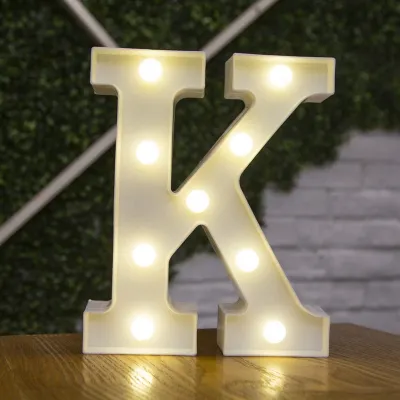

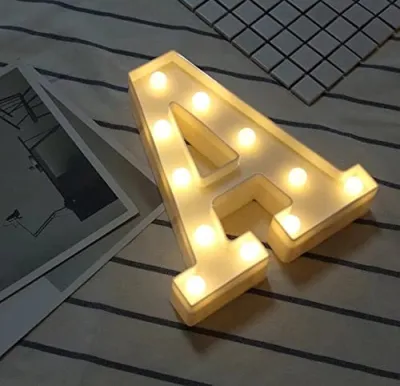
Prices are valid at publication and may change. Please refer to the product page for the latest price.
LED neon flex, on the other hand, utilizes high-density light-emitting diodes encased in a flexible, shatterproof silicone or PVC sleeve. This construction offers several safety benefits that are crucial for high-rise living. The silicone casing remains cool to the touch even after hours of continuous operation, eliminating the risk of burns if the sign is mounted near a bed, sofa, or hallway where people might brush against it. Furthermore, because there is no glass to break, you do not have to worry about dangerous shards if the sign is accidentally knocked down during cleaning or earthquake tremors.
From an efficiency standpoint, LED neon flex is highly advantageous for Philippine households facing high electricity rates. These signs typically operate on a low-voltage 12V or 24V DC system, consuming a fraction of the power required by traditional glass neon or standard incandescent bulbs. This low power consumption means you can leave your personalized sign on for extended periods to enjoy its ambient glow without worrying about a significant spike in your monthly utility bill. Additionally, the low-voltage operation minimizes electrical fire risks, making it a much safer option for continuous residential use.
Design Dimensions for Personalized Ambient Lighting
Designing your custom signage letters involves several visual and structural choices that will dictate how the sign fits into your condo’s overall aesthetic. The first consideration is font selection and stroke thickness. Script or cursive fonts are highly popular because the continuous lines are easier to manufacture and create a fluid, elegant look. Block or sans-serif fonts offer a clean, modern, and industrial feel but require precise cuts and wiring jumps between individual letters. Ensure the stroke thickness is proportional to the size of the letters; thin lines look delicate and sophisticated in small rooms, while thicker strokes are better suited for larger, double-height loft walls.

Color temperature and color selection play a massive role in setting the mood of your living space. If your condo features a warm, cozy interior with wooden accents and earth tones, choosing warm white (2700K to 3000K) or soft yellow neon letters will complement the existing decor beautifully. For ultra-modern, minimalist, or industrial spaces, cool white (4000K to 5000K) or ice blue can create a sleek, high-tech atmosphere. If you want maximum versatility, multi-color RGB options allow you to cycle through different hues or select specific colors to match your mood, the season, or a social gathering.
Another critical design element is the backing board that supports the flexible neon tubing. The backing is typically made of high-grade, clear acrylic, which provides structural rigidity while remaining virtually invisible when mounted on a wall. You can choose from three main backing styles: “cut-to-shape,” where the acrylic is cut closely along the contours of the letters; “whole board,” which uses a solid rectangular, square, or circular acrylic sheet; and “cut-to-letter,” where each individual letter has its own separate backing. Cut-to-shape is generally preferred for home decor because it minimizes the visible acrylic, allowing your wall paint or wallpaper texture to show through clearly.
Technical Specifications and Compatibility Checks
Before finalizing your order with a custom maker, you must verify that the electrical specifications of the sign match the local infrastructure in the Philippines. The standard utility voltage in the country is 220V AC at 60Hz. Because LED neon signs operate on low-voltage DC, they require a compatible power adapter (often called a transformer or driver) that steps down the 220V mains power to 12V or 24V DC. Always confirm that the seller includes a high-quality, certified power adapter with the correct input voltage rating to prevent overheating, flickering, or premature failure of the LED strips.
Physical connectivity is another practical detail that is easily overlooked. Ensure the power adapter comes with a plug type that matches your condo’s wall outlets, which are typically Type A (two flat parallel pins) or Type B (two flat pins with a grounding pin). Using loose or low-quality universal adapters can create a poor electrical connection and pose a safety hazard. Additionally, measure the distance from your desired mounting location to the nearest electrical outlet. Most custom signs come with a standard cord length of 1.5 to 2 meters, but you can often request a longer cord from the manufacturer to avoid using unsightly and potentially hazardous extension cords along your walls.
To maximize the utility of your ambient lighting, look for signs that include a dimmer switch or a remote control. Because a condo living room often serves multiple purposes—such as a bright workspace during the day and a cozy home theater at night—the ability to adjust the brightness of your neon letters is essential. A sign running at 100% brightness might be perfect for daytime viewing or hosting a party, but it can be blindingly bright when you are trying to wind down in the evening. A simple inline dimmer or a wireless remote allows you to dial the brightness down to a soft, subtle glow that enhances relaxation.
Sourcing and Evaluating Custom Makers
Finding a reliable manufacturer to bring your design to life requires careful evaluation, especially when ordering through online marketplaces or local social media shops. Start by thoroughly reviewing the seller’s portfolio of completed projects. Look for actual, unedited photos of physical signs rather than digital mockups or 3D renders. Pay close attention to the craftsmanship: the silicone tubing should be glued smoothly to the acrylic backing without visible adhesive residue, the end caps of the tubing should be sealed neatly, and the wiring connections between letters should be as discreet as possible.
Customer reviews and feedback are invaluable resources when evaluating a maker’s reliability. Look for reviews that mention the durability of the sign over several months of use, as low-quality LED strips can dim or lose color consistency quickly. It is also wise to inquire about the warranty terms. Reputable custom makers in the Philippines typically offer a warranty ranging from 3 to 12 months covering the LED strip and the power adapter. Clear communication regarding the proofing process is also a sign of a professional maker; they should provide you with a detailed digital layout showing the exact dimensions, font style, and backing shape for your approval before production begins.
Finally, consider the logistics of shipping and pricing. Custom neon signs in the Philippines can range in price from approximately ₱1,500 for small, single-word designs to ₱8,000 or more for large, complex multi-line phrases. Because acrylic backings are susceptible to cracking or scratching during transit, ask the seller about their packaging standards. Reliable sellers will ship the sign in a sturdy wooden crate or a thick, multi-layered cardboard box filled with bubble wrap and foam inserts to ensure it arrives at your high-rise unit in pristine condition.
Condo-Friendly Installation and Maintenance
One of the biggest challenges of decorating a condominium is adhering to strict building regulations or lease agreements that prohibit drilling holes into concrete walls. Fortunately, because LED neon signs with acrylic backings are relatively lightweight, you can easily mount them using non-destructive methods. Heavy-duty double-sided adhesive strips (such as Command strips) are highly effective for securing small to medium-sized signs directly to painted drywall or concrete. To ensure a strong bond, clean both the wall surface and the back of the acrylic board with isopropyl alcohol to remove any dust or oils before applying the adhesive.
For larger or heavier signs, or if you prefer a floating look, you can use adhesive utility hooks combined with the pre-drilled holes that most manufacturers include in the acrylic backing. Hanging the sign using a thin, high-strength nylon wire or a lightweight metal chain suspended from these hooks allows you to adjust the height easily without damaging the wall. If you are renting, always check the weight capacity of the adhesive strips or hooks against the weight of your sign to prevent it from falling and sustaining damage.
Maintaining your personalized neon letters is straightforward but requires gentle care to preserve the clarity of the materials. Dust can accumulate on the silicone tubing and the clear acrylic backing over time, which can slightly dim the light output. To clean the sign, always unplug the power adapter first to isolate the electrical current. Use a dry, clean microfiber cloth to gently wipe away dust. For stubborn smudges or fingerprints on the acrylic, use a slightly damp microfiber cloth with a tiny drop of mild dish soap. Never use alcohol-based glass cleaners, ammonia, or abrasive scrubbing pads on the acrylic backing, as these chemicals can cause the plastic to become cloudy, yellowed, or scratched.
If you ever experience electrical issues, such as a flickering sign, a hot power adapter, or a sign that refuses to turn on, immediately unplug the unit from the wall. Do not attempt to cut open the silicone tubing or splice the wires yourself. If the sign is under warranty, contact the manufacturer for assistance. For complex installations—such as hardwiring the neon sign directly into your condo’s wall switches or mounting a massive, heavy installation suspended from a high ceiling—always stop and consult a qualified professional electrician to ensure the setup complies with the Philippine Electrical Code and your building’s safety standards.
Frequently Asked Questions (FAQ)
Can I use neon signage letters in a bathroom or near a window?
Standard indoor LED neon signs are not designed to withstand high moisture levels or direct exposure to water. Bathrooms generate significant steam and humidity, which can penetrate the silicone casing and cause the internal LED strip to short-circuit or degrade prematurely. Similarly, placing a sign directly next to a window can expose it to rainwater leaks, high humidity, and intense tropical sunlight, which can degrade the acrylic backing and cause the silicone tubing to yellow. If you wish to place a sign in these areas, you must specifically request an outdoor-rated sign with an IP65 or higher water-resistance rating from your manufacturer.
How do I calculate the right size for my wall space?
To avoid ordering a sign that is too small to read or too large for your wall, use painter’s tape or masking tape to outline the proposed dimensions directly on your condo wall. Step back to your usual viewing distance—such as your sofa or bed—to evaluate the scale and readability of the outlined space. As a general guideline, a sign intended for a bedroom accent wall should occupy roughly 30% to 50% of the horizontal wall width above the headboard, while a living room sign can be slightly larger. Ensure there is at least 15 to 20 centimeters of clear space around the edges of the sign to prevent a cluttered appearance.
What happens if a single letter stops lighting up?
If a single letter or section of your personalized sign stops lighting up while the rest remains illuminated, the issue is usually a broken internal connection or a failed solder joint between the letters. Because LED neon flex signs are wired in series or parallel segments, a break in the circuit will cut off power to subsequent sections. First, check the physical wiring connections on the back of the acrylic board to see if any wires have come loose or been pinched. If the connections appear intact, contact the custom maker to arrange for a repair, as fixing internal LED connections typically requires specialized soldering tools and replacement LED strips.

Community discussion
Share your experience or ask a question. Comments are reviewed before publication.