
Selecting the right pinlights for ceiling installations in a low-ceiling condominium in the Philippines requires balancing physical space constraints with visual comfort. Standard residential developments in metropolitan areas often feature ceiling heights between 2.4 and 2.7 meters, leaving little room for bulky, protruding light fixtures. By choosing compact, low-profile pin lights, you can achieve a clean, modern aesthetic that maximizes vertical space while providing efficient, targeted illumination.
Understanding Pin Lights in Low-Ceiling Spaces
In the context of Philippine interior design, “pin lights” is a widely used term for compact downlights or spotlights that are either recessed into the ceiling or mounted flush against its surface. Unlike traditional hanging chandeliers, semi-flush mounts, or bulky dome lights, pin lights direct their illumination downward in a controlled beam. This design minimizes the physical footprint of the fixture, keeping the overhead space clear and unobstructed.
Low ceilings, which are standard in many modern condominium developments across the Philippines, present unique physical and visual challenges. When a ceiling is low, any fixture that protrudes significantly into the room physically reduces the vertical clearance, making the living space feel smaller and more confined. Furthermore, low ceilings bring the light source closer to eye level, which dramatically increases the risk of harsh glare and visual discomfort if the fixtures are not selected and positioned correctly.
Products mentioned in this guide
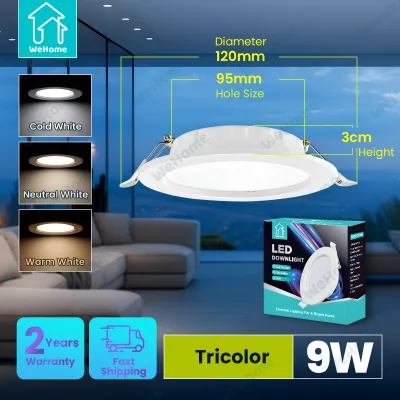
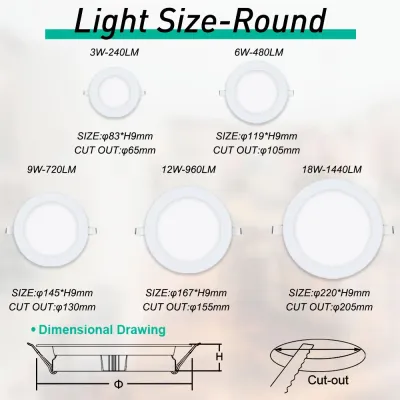
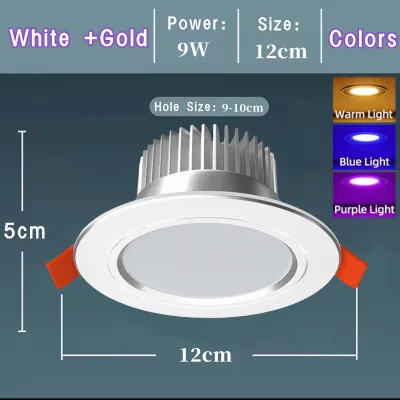
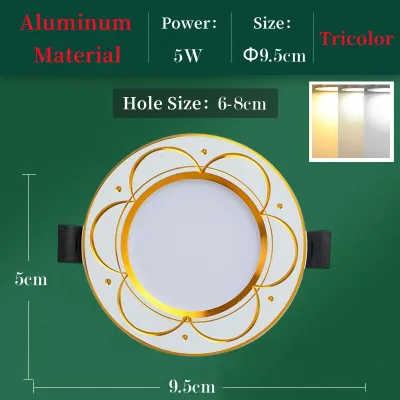
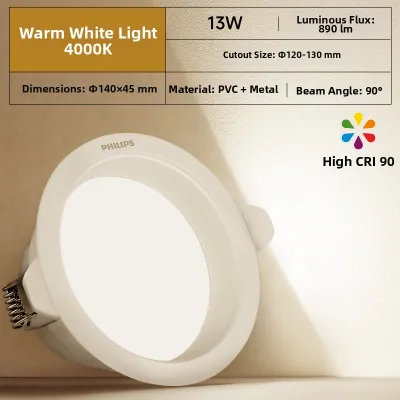
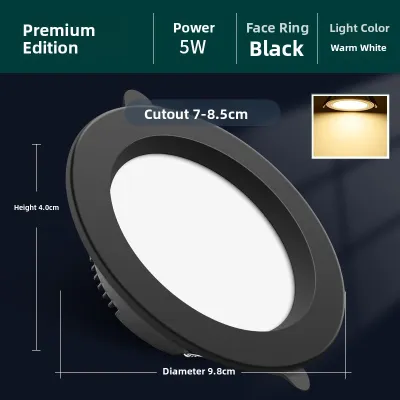
Prices are valid at publication and may change. Please refer to the product page for the latest price.
Using the wrong type of ceiling light can also lead to excessive visual clutter. A ceiling crowded with large, poorly spaced fixtures can make a studio or one-bedroom unit feel chaotic. Additionally, in a tropical climate like the Philippines, managing heat accumulation is a constant consideration. Traditional halogen pin lights generate substantial heat, which can strain air conditioning systems and increase utility costs. Transitioning to modern LED pin lights resolves these issues by providing cool, energy-efficient illumination that does not add to the thermal load of a compact condo.
Key Features to Evaluate in Pin Light Listings
Profile and Depth
When browsing local hardware stores or online marketplaces, the physical depth of the pin light is one of the most critical specifications to verify. For recessed installations, ultra-slim LED downlights—often referred to as slim panel lights—are highly advantageous. These fixtures typically feature a depth of less than two centimeters, allowing them to fit easily into shallow ceiling cavities. If your condo has a drop ceiling with limited clearance, or if you must navigate around structural concrete beams and utility pipes, a shallow-profile fixture ensures a successful installation without requiring major structural alterations.

Beam Angle and Glare Control
The beam angle of a pin light dictates how the light spreads across the room. For general ambient lighting in a low-ceiling condo, a wide beam angle of 90 to 120 degrees is highly effective because it distributes light evenly, reducing harsh shadows and making the room feel more open. Conversely, if you want to highlight specific areas, such as a dining table or a piece of wall art, a narrower beam angle of 24 to 36 degrees provides focused spotlighting. To prevent glare in a low-ceiling environment, look for fixtures designed with deep-recessed light sources or anti-glare baffles. These design elements shield the LED chip from direct line of sight, ensuring that the light is directed downward rather than directly into your eyes.
Color Temperature and Brightness
Selecting the appropriate color temperature and brightness level is essential for creating a comfortable atmosphere. Perceived color temperature is a matter of personal preference, but it significantly influences the spatial feel of a room. Warm white (2700K to 3000K) offers a cozy, relaxing glow that is ideal for bedrooms and living areas. Neutral white (4000K) provides a clean, natural light that works well in multi-purpose spaces, while cool white (5000K to 6500K) is highly suited for task-oriented zones like kitchens and study corners. To avoid overwhelming a small space, focus on the lumen output rather than just the wattage. A lower-wattage LED fixture (such as 5W to 9W) can deliver ample brightness for a low ceiling without creating an uncomfortably intense environment.
Recessed vs. Surface-Mounted: Choosing the Right Fit
Recessed Options
Recessed pin lights are designed to sit completely flush with the ceiling surface, offering the cleanest possible look. This installation type is ideal if your condo features a suspended or drop ceiling made of gypsum board or fiber cement board. The hollow cavity behind the board provides the necessary space to house the fixture’s body, driver, and wiring. When planning a recessed installation, it is crucial to measure the cavity depth beforehand to ensure the fixture fits comfortably without touching the concrete slab above. Additionally, cutting precise holes using a hole saw that matches the manufacturer’s specified cut-out dimension is essential for a neat, professional finish.
Surface-Mounted Options
If your condominium features a bare concrete ceiling and the building administration prohibits the installation of a drop ceiling or the chipping of concrete slabs, surface-mounted pin lights are the ideal solution. These fixtures do not require a ceiling cavity; instead, they are mounted directly onto the concrete surface, with the wiring and driver housed within a decorative cylindrical or rectangular casing. While surface-mounted fixtures do protrude slightly into the room, choosing models with a minimalist, low-profile design can turn these lights into stylish architectural accents that complement an industrial or modern interior theme.
Track Lighting Alternatives
For condo owners seeking maximum flexibility without major ceiling modifications, low-profile track lighting systems serve as an excellent alternative. A single track can be surface-mounted directly onto a concrete ceiling, powered by a single electrical junction box. You can then attach multiple adjustable pin-style spotlights along the track, directing light exactly where it is needed. This setup is particularly useful in open-plan studio apartments, as it allows you to reposition and re-aim the lights if you decide to rearrange your furniture layout in the future.
Building Your Shortlist: Pre-Purchase Checks
Cut-out Size vs. Outer Diameter
When shopping for recessed pin lights, always distinguish between the cut-out size and the outer diameter of the fixture. The cut-out size refers to the exact diameter of the hole that must be cut into the ceiling board for the fixture to fit. The outer diameter includes the decorative trim or bezel that covers the edges of the hole. Measuring your existing ceiling holes or planning your new layout with these precise dimensions in mind prevents costly mistakes, such as purchasing fixtures that are too small and fall through the holes, or too large to fit the available space.
Voltage and Driver Compatibility
The electrical grid in the Philippines operates at a standard voltage of 220V to 240V at a frequency of 60Hz. When selecting pin lights, verify that the integrated LED driver or bulb is fully compatible with these electrical specifications. Opting for fixtures equipped with wide-voltage drivers (such as 85V to 265V) can offer superior resilience against local voltage fluctuations and power surges, which are common during peak summer months or severe weather events. If you plan to install dimmer switches to adjust the ambiance of your condo, ensure that both the LED driver and the dimmer switch are explicitly rated as compatible to prevent flickering, buzzing, or premature driver failure.
IP Ratings for Specific Zones
The tropical climate and high humidity levels in the Philippines require careful consideration of where your lighting fixtures will be installed. For dry living areas and bedrooms, a standard IP20-rated fixture is perfectly suitable. However, for damp or wet zones—such as bathrooms, kitchen prep areas, or covered laundry balconies—it is essential to select pin lights with a higher Ingress Protection rating, such as IP44 or IP65. These fixtures feature specialized seals that protect the internal electrical components from moisture, steam, and water splashes, ensuring safe operation and preventing corrosion.
Warranty and Return Policies
Because LED drivers and chips can occasionally experience premature failure due to electrical surges or manufacturing defects, always review the warranty terms before finalizing your purchase. Look for reputable sellers on online marketplaces or local distributors who offer a clear warranty period, ideally spanning one to two years. A reliable warranty and a straightforward return policy provide essential protection, especially when you are purchasing fixtures in bulk for a comprehensive condominium renovation.
Installation Boundaries and Condo Safety Rules
Condo Admin Restrictions
Before purchasing any lighting fixtures or scheduling installation work, it is imperative to consult your condominium’s administration office and review the building’s house rules. Most high-rise residential buildings have strict regulations regarding structural modifications, electrical load limits, and permitted working hours. Chipping or drilling into structural concrete slabs to run electrical conduits is almost universally prohibited due to the risk of compromising the building’s structural integrity. Understanding these limitations beforehand will guide you in choosing between recessed drop-ceiling installations or surface-mounted options.
Professional vs. DIY
While replacing a simple light bulb is a manageable task for many homeowners, installing new pin lights, running fixed wiring, or modifying electrical circuits must be handled with extreme caution. Always isolate the power supply at the main circuit breaker before undertaking any electrical work. For complex installations, especially those involving new wiring runs, drop-ceiling modifications, or damp-rated zones, hiring a licensed electrician is highly recommended. A professional installer ensures that all connections comply with the Philippine Electrical Code, minimizing the risk of short circuits, electrical fires, or issues with your building’s insurance coverage.
Heat Dissipation
Although LED pin lights are highly efficient and generate significantly less heat than traditional incandescent or halogen bulbs, they still produce thermal energy that must be dissipated safely. When installing recessed fixtures in a drop ceiling, ensure there is adequate clearance around the fixture housing to allow air to circulate. Avoid covering the fixtures with ceiling insulation unless they are explicitly certified as insulation contact (IC) rated. Proper heat dissipation not only prevents potential fire hazards but also extends the operational lifespan of the LED chips and drivers.
Frequently Asked Questions (FAQ)
Can I install recessed pin lights in a bare concrete condo ceiling?
No, you cannot install recessed pin lights directly into a bare concrete ceiling without a drop ceiling. Chipping or chasing structural concrete slabs to create cavities for recessed housings is prohibited by condo administrations due to structural safety risks. If you have a bare concrete ceiling, the safest and most practical options are surface-mounted pin lights or low-profile track lighting systems, which mount directly to the surface without compromising the slab.
How many pin lights do I need for a small condo bedroom?
The number of pin lights required depends on the room’s dimensions and the lumen output of the fixtures. Instead of relying on complex mathematical formulas, you can check the lumen rating on the product packaging. For a standard small bedroom, aiming for a total of approximately 1,000 to 1,500 lumens is generally sufficient for comfortable ambient lighting. For example, you could space four 300-lumen (roughly 5W to 7W LED) pin lights evenly across the ceiling to ensure balanced illumination without creating dark corners or overwhelming the compact space.

Community discussion
Share your experience or ask a question. Comments are reviewed before publication.