
Selecting the right ambient lighting for a compact condo balcony requires balancing aesthetic appeal with strict spatial and environmental constraints. To find the best options from the Quenchua official store, you must prioritize compact, weather-resistant fixtures that maximize your vertical space without cluttering the limited floor area. By matching a product’s physical dimensions, power source, and weatherproofing with your balcony’s layout, you can create an inviting outdoor retreat that stands up to tropical conditions.
Condo balconies in the Philippines serve as valuable extensions of the living space, but their limited footprint demands careful planning. Before purchasing any fixtures, you must evaluate how your lighting choices will interact with the wind, rain, and electrical layout of your specific unit. Taking the time to verify product specifications on the label or instruction manual ensures a safe, durable, and visually pleasing setup.
Understanding Small Condo Balcony Lighting Needs
Before browsing the Quenchua official store, you must assess the physical dimensions of your balcony to avoid overcrowding. Compact condo balconies have very little floor space, which should ideally be reserved for seating, small tables, or potted plants. Introducing bulky floor lamps or large decorative lanterns can make the area feel cramped and restrict movement. Instead, look for unused vertical surfaces, such as brick walls, concrete pillars, or metal railings, which can host lightweight fixtures without sacrificing floor space.
Products mentioned in this guide
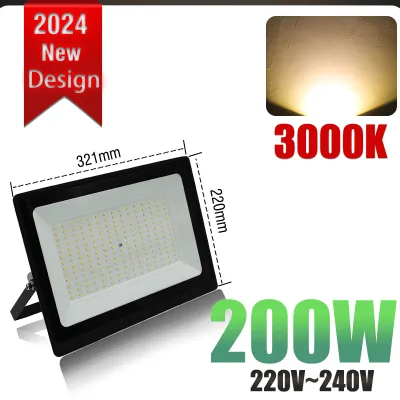
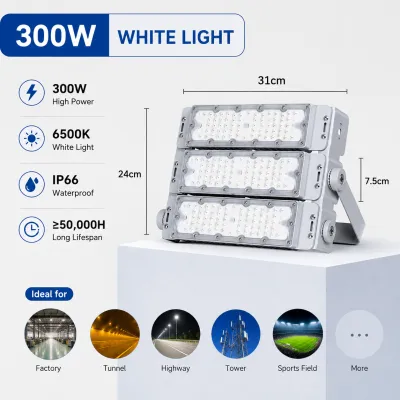
Prices are valid at publication and may change. Please refer to the product page for the latest price.
Power source availability is another critical factor that dictates your lighting choices. Many residential condo developments do not include outdoor electrical outlets on the balcony. You must locate your nearest power source, whether it is an indoor outlet near the balcony door or an existing outdoor socket. If you have an outdoor outlet, plug-in lights offer consistent power without the need for battery replacements. If you lack an outdoor outlet, you will need to focus on battery-operated or solar-powered alternatives. Keep in mind that solar lights require direct, unobstructed sunlight to charge effectively, which can be challenging on deeply recessed or covered balconies.
Environmental exposure is a major consideration in a tropical climate characterized by high humidity, intense heat, and heavy seasonal rainfall. Even if your balcony is partially covered by an overhanging roof, wind-blown rain and ambient moisture can easily reach your light fixtures. You must evaluate the degree of exposure your balcony receives during storms. Choosing lights that cannot withstand moisture can lead to rapid deterioration, electrical short circuits, or safety hazards. Identifying these environmental factors beforehand helps you filter out unsuitable products immediately.
Key Features to Check in the Quenchua Official Store
When evaluating options in the Quenchua official store, physical dimensions and mounting mechanisms should be your first checkpoint. Carefully read the product specifications to confirm the length, width, and weight of each fixture. Look for lightweight designs that feature integrated hooks, clips, or flat backings suitable for wall mounting. If you plan to hang string lights along a railing, verify the total length of the cord to ensure it fits your balcony perimeter without excess bundling, which can look untidy and create safety hazards.

Electrical compatibility is paramount for safe operation. In the Philippines, the standard residential electrical system operates at 220V and 60Hz. When looking at plug-in options, you must verify that the product specifications explicitly support 220V. Using a fixture designed solely for 110V without a proper step-down transformer can permanently damage the light and pose a fire risk. Additionally, check the plug type to ensure it matches your outlets, and verify if the product requires a specific adapter or external driver that must be kept dry.
Weather resistance ratings are essential for any fixture placed outdoors. Look for the Ingress Protection (IP) rating on the product packaging or specification sheets. For a semi-protected condo balcony, look for lights with a minimum rating of IP44, which indicates protection against splashing water from any direction. If your balcony is fully exposed to heavy downpours, a higher rating like IP65 is more appropriate to prevent water ingress. Avoid any products labeled for indoor use only, as they lack the necessary rubber gaskets and moisture-resistant seals.
Color temperature and brightness levels are conditional preferences that shape the overall spatial effect of your balcony. For a relaxing, cozy atmosphere, warm white light (typically between 2700K and 3000K) is generally preferred over cool white light, which can feel clinical. Because condo balconies are close to neighboring units, high-wattage or overly bright lights can cause uncomfortable glare and disturb others. Opt for low-wattage LED fixtures or models with adjustable brightness settings so you can customize the light level to suit your immediate needs.
Placement and Installation Strategies for Compact Spaces
To make a small balcony feel larger, plan your lighting placement to create visual depth. Instead of relying on a single, bright overhead light that flattens the space, map out distinct lighting zones. You can wrap weather-resistant string lights around the top railing to define the boundary, place a small, battery-operated lantern on a side table as a focal point, or mount low-profile sconces on the wall to draw the eye upward. This layered approach distributes light evenly and makes the balcony feel more spacious.
When installing your lights, always follow the manufacturer’s instructions for mounting and securing the fixtures. This is particularly important for overhead or railing attachments, where unsecured items could fall and cause injury or property damage below, especially during high winds or typhoons. Use durable, outdoor-rated mounting accessories such as UV-resistant cable ties, heavy-duty adhesive hooks, or specialized clamps. Ensure that all electrical cords are neatly routed, kept away from standing water, and secured to prevent tripping hazards.
While many ambient lighting setups are straightforward DIY projects, you must recognize when to stop and consult a qualified professional. If your lighting plan involves fixed wiring, installing new outdoor outlets, or modifying your condo’s electrical panel, do not attempt to do it yourself. Working with electricity in damp or outdoor environments carries significant risks of shock and fire. A qualified electrician will ensure that your installation complies with local electrical codes, uses the correct wire gauges, and is protected by a Ground Fault Circuit Interrupter (GFCI) for maximum safety.
Frequently Asked Questions (FAQ)
Can I use indoor Quenchua lights on a covered balcony?
Using indoor-rated lights on a covered balcony is highly discouraged due to safety and durability risks. Even if a balcony has a roof, it is still exposed to outdoor humidity, temperature fluctuations, and wind-blown rain. Indoor lights lack the specialized seals, rust-resistant hardware, and UV protection required to withstand these conditions. Over time, moisture accumulation inside an indoor fixture can cause electrical shorts, corrosion, or fire hazards. Always check the product label or specifications in the Quenchua official store to confirm the light is explicitly rated for outdoor use before installation.
How do I verify electrical compatibility before purchasing?
To verify electrical compatibility, start by checking the voltage of your balcony or indoor outlet, which is standardly 220V in the Philippines. When browsing the Quenchua official store, locate the technical specifications section on the product page or packaging. Look for the input voltage rating; it should list 220V or a wide range such as 100V-240V. Additionally, check the plug type shown in the product details to ensure it matches your wall outlets, and verify if the light requires a specific power adapter or transformer that is certified for safe local use.

Community discussion
Share your experience or ask a question. Comments are reviewed before publication.