
Finding the best waterproof solar garden lights in the Philippines requires looking past generic marketing labels and focusing on verified weatherproofing, durable housing materials, and efficient solar charging systems. The local climate—characterized by intense tropical heat, high humidity, and torrential monsoon rains—quickly degrades low-quality outdoor fixtures. To secure a lighting setup that lasts for years rather than a single rainy season, you must evaluate specific technical standards, match fixture designs to your garden’s layout, and implement strategic installation and maintenance practices.
Key Specifications for Weather-Resistant Solar Lights
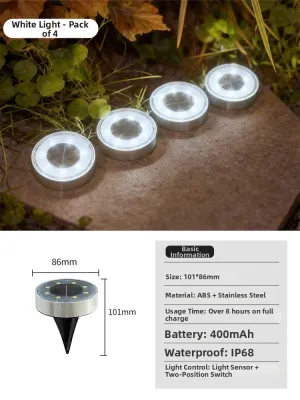
To identify solar garden lights that can truly withstand the Philippine climate, you must look closely at the technical specifications listed on the product packaging or manufacturer datasheet. The most critical indicator of water resistance is the Ingress Protection (IP) rating. This rating consists of two digits: the first represents protection against solid particles like dust, while the second represents protection against liquids. For outdoor garden lights, an IP44 rating is the bare minimum, offering protection against water splashes from any direction. However, for reliable performance during heavy monsoon downpours, look for fixtures rated IP65 or higher. An IP65 rating means the light is completely dust-tight and can withstand low-pressure water jets, while an IP67 rating indicates the fixture can survive temporary immersion in water, making it ideal for low-lying garden beds prone to pooling water.
Beyond water resistance, the materials used to construct the light housing play a massive role in long-term durability. The intense ultraviolet (UV) radiation from the tropical sun can cause cheap plastics to become brittle, yellow, and crack within a few months. When selecting plastic fixtures, prioritize those made from UV-stabilized polycarbonate or high-impact ABS plastic. If you prefer metal fixtures, ensure they are made from rust-resistant materials such as anodized aluminum or high-grade stainless steel. Check the manufacturer’s specifications to confirm if the metal has been treated with a corrosion-resistant coating, which is especially important if you live in coastal areas where salty sea breezes accelerate rust.
Products mentioned in this guide
Prices are valid at publication and may change. Please refer to the product page for the latest price.
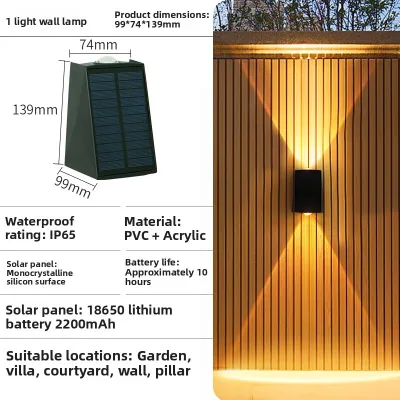
The solar panel type and battery chemistry are equally vital specifications. Monocrystalline solar panels are highly recommended for the local climate because they offer superior energy conversion efficiency, allowing them to charge the battery even on overcast or hazy days. For the battery, look for Lithium Iron Phosphate (LiFePO4) chemistry over standard Nickel-Metal Hydride (NiMH) or basic Lithium-ion. LiFePO4 batteries are exceptionally stable, handle high ambient temperatures without degrading, and support thousands of charge-discharge cycles, ensuring your lights remain functional for years. Finally, inspect the battery compartment to verify it features a thick rubber gasket or silicone seal to prevent humid air and moisture from corroding the internal contacts.
Matching Light Designs to Your Outdoor Layout
Zoning is key to a functional outdoor lighting plan. Divide your garden into distinct zones: pathways for safe navigation, accent areas to highlight landscaping features, and security perimeters for safety. Each zone requires a different balance of brightness (measured in lumens) and beam angles to achieve the desired effect without creating harsh glare or wasting battery power.

Pathway and Driveway Illumination
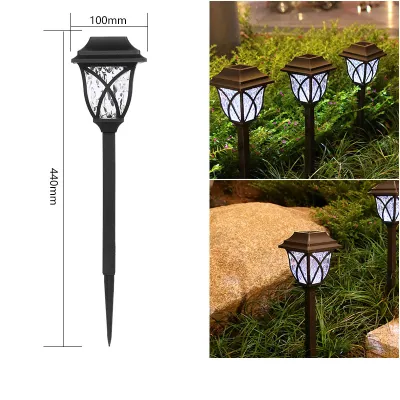
Pathway lighting relies heavily on stake or bollard lights to guide movement safely along walkways and driveways. When selecting these fixtures, pay close attention to the stake design and length. In the Philippines, garden soil can transition from hard, sun-baked clay in the dry season to soft, muddy earth during the monsoons. A longer, ribbed ground stake made of heavy-duty ABS or metal provides better stability in shifting soil, preventing the light from leaning or falling over.
Furthermore, check the light distribution pattern of the fixture. For pathways, you want downward-directed light that illuminates the ground directly beneath and around the post. Avoid fixtures with exposed, upward-facing LEDs that cast glare into your eyes as you walk. Downward light distribution not only improves visibility but also minimizes light pollution, keeping your garden ambiance relaxed and natural. To avoid a harsh “runway” look, space your pathway lights roughly six to eight feet apart, allowing the pools of light to overlap gently.
Accent and Landscape Highlighting
Accent lighting uses spotlights or decorative uplights to draw attention to architectural features, stone walls, or prized tropical plants like palms, ferns, and bougainvillea. To achieve precise targeting, look for fixtures with fully adjustable solar panels and light heads. This flexibility allows you to position the panel toward the sun while angling the light beam exactly where it is needed.
Color temperature is another critical factor to check on the product packaging. Warm white light (typically 2700K to 3000K) creates a cozy, inviting atmosphere that complements natural wood, stone, and foliage. Cool white light (5000K to 6500K) offers high visibility and a modern look, which is often preferred for security zones or modern architectural elements. Ensure you choose a consistent color temperature across your accent zones to maintain visual harmony. When positioning spotlights, try placing them at the base of a tree trunk and angling upward to highlight texture, or placing them behind plants to create dramatic silhouettes against a wall.
Installation and Placement Checks for Maximum Efficiency
To get the most out of your waterproof solar garden lights, placement is just as important as the hardware itself. Solar panels require direct, unobstructed sunlight to charge their internal batteries fully. In the Philippines, the sun’s path shifts throughout the year, so position your panels where they will receive at least six to eight hours of unshaded light daily. Be mindful of rooflines, roof gutters, and growing tree canopies that might cast shadows during peak daylight hours.
Another common installation mistake is placing solar lights too close to existing light sources, such as streetlights, porch lights, or security floodlights. Most solar garden lights feature integrated dusk-to-dawn sensors that automatically turn the light on when ambient light levels drop. If an external light source shines directly on the sensor, the fixture may “think” it is still daytime and fail to turn on. Test your planned locations at night before permanently securing the fixtures.
Finally, always refer to the manufacturer’s instructions regarding the initial charge. Most brands recommend charging the solar panel in direct sunlight for 24 to 48 hours before turning the switch to the “on” position for the first time. This initial deep charge helps condition the rechargeable battery, ensuring it reaches its maximum storage capacity and extends its overall operational lifespan.
Maintenance and Troubleshooting for Longevity
Regular maintenance is essential to keep your solar garden lights operating at peak efficiency in tropical conditions. Dust, pollen, bird droppings, and water spots can accumulate on the solar panel’s surface, blocking sunlight and reducing charging efficiency. Clean the panels every few weeks using a soft, damp microfiber cloth and clean water. Avoid abrasive sponges, harsh chemical cleaners, or dish soaps, which can scratch or degrade the protective coating on the solar cells.
In addition to cleaning, perform routine visual inspections of each fixture. Look for signs of moisture or condensation trapped inside the lens, which indicates a compromised seal. If you notice water ingress, turn off the fixture, open the battery compartment, and dry the components thoroughly. Check the battery contacts for any signs of white powdery corrosion or rust, which can be gently cleaned off with a small brush or contact cleaner.
Rechargeable batteries do not last indefinitely. Over time, constant charge and discharge cycles will reduce their capacity to hold a charge. If a light only stays illuminated for an hour or two after a full day of sun, it is likely time to replace the battery. Always consult the user manual to identify the correct battery type, voltage, and capacity (such as NiMH or Li-ion) before purchasing replacements, and ensure the battery compartment is sealed tightly after installation.
Frequently Asked Questions (FAQ)
Do solar garden lights work effectively during the rainy season?
Yes, solar garden lights can still function during the rainy season, but their performance will vary. Solar panels do not require hot weather to charge; they rely on light energy, which can still penetrate thin cloud cover. However, thick monsoon clouds and prolonged rainy days significantly reduce the amount of solar energy reaching the panel. During these periods, the internal battery will not charge fully, resulting in shorter runtimes and dimmer light output at night. To manage expectations during the wettest months, look for fixtures with larger battery capacities and high-efficiency monocrystalline solar panels, which perform slightly better in low-light conditions.
Should I bring my solar lights indoors during severe typhoons?
Yes, it is highly recommended to temporarily bring your solar garden lights indoors or store them in a secure shed during severe typhoons. While high-quality fixtures with IP65 or IP67 ratings can easily withstand heavy downpours, they are not designed to survive the extreme wind speeds, flying debris, and localized flooding associated with major tropical storms. Strong winds can easily dislodge stake lights, while falling branches can shatter solar panels and plastic housings. Before the storm hits, take a few minutes to pull up loose stake lights and unscrew mounted fixtures to protect your investment and prevent them from becoming hazardous projectiles.

Community discussion
Share your experience or ask a question. Comments are reviewed before publication.