
Selecting the right lighting for a low-ceiling condominium in the Philippines requires balancing physical clearance with visual comfort. The best soft film ceiling lights for these spaces are ultra-slim, flush-mount fixtures that measure under 5 centimeters in depth, feature a wide-angle tensioned membrane diffuser, and utilize a sealed chassis to protect internal electronics from tropical humidity. Because typical condo units in metropolitan areas like Manila or Cebu often feature concrete slab ceilings with a vertical clearance of only 2.4 to 2.6 meters, traditional hanging chandeliers or bulky surface-mounted domes can make a room feel cramped. Soft film diffusers solve this by scattering light evenly across the entire ceiling plane, eliminating the harsh “hot spots” of standard plastic covers and creating an open, airy atmosphere.
Why Soft Film Flush Mounts Work for Low Ceilings
Soft film ceiling lights utilize a flexible, translucent membrane—typically made from specialized polyvinyl chloride (PVC) or thermoplastic polyurethane (TPU)—stretched tightly over a lightweight frame. This material possesses unique optical properties that allow it to transmit light with exceptional uniformity. Unlike standard acrylic or glass diffusers, which often concentrate light directly beneath the bulb, a soft film membrane scatters light across its entire surface area. This wide-angle distribution minimizes harsh shadows in the corners of a room, making the walls feel further apart and the ceiling appear higher than it actually is.
The physical profile of these fixtures is another major advantage for compact condo layouts. With an ultra-slim flush mount design, the light sits almost flat against the ceiling surface. This minimal projection preserves precious vertical clearance, ensuring that tall residents and guests can move freely without the visual obstruction of a hanging fixture. Furthermore, the clean, borderless aesthetic of soft film lights integrates seamlessly into modern, minimalist interior designs. By mimicking the appearance of a natural skylight, these fixtures provide a clean architectural look that enhances the overall sense of space in studio and one-bedroom condo units.
Products mentioned in this guide
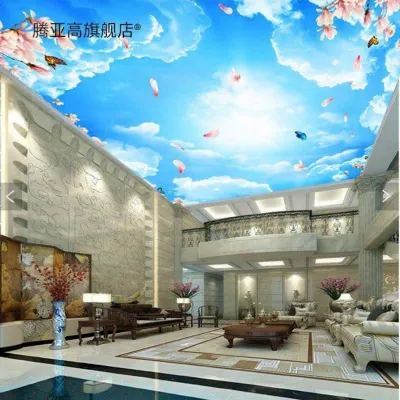
Prices are valid at publication and may change. Please refer to the product page for the latest price.
Essential Specifications to Check Before Buying
Before purchasing a soft film ceiling light, you must verify several critical physical and electrical specifications to ensure compatibility with your condo’s infrastructure. First, measure the overall dimensions and depth of the fixture, comparing them directly to the size of your existing ceiling junction box. Standard Philippine utility boxes are typically 4-inch octagonal or square configurations. Ensure the fixture’s mounting bracket and canopy can fully cover this opening without leaving gaps that could expose electrical wiring to dust or pests.

Electrical compatibility is equally vital. In the Philippines, the standard residential electrical supply is 220V to 240V AC at a frequency of 60Hz. Many imported lighting fixtures sold online are designed for 110V or 50Hz systems; installing these without a compatible transformer or driver will damage the LEDs and pose a serious fire hazard. Always check the product label to confirm that the integrated LED driver is rated for 220V-240V and 60Hz operation.
Additionally, pay close attention to wattage limits and heat dissipation. Because flush mount fixtures sit tight against the ceiling, heat can easily build up inside the enclosure. Look for models engineered with robust aluminum heat sinks that draw warmth away from the LED chips. In the warm, tropical climate of the Philippines, efficient heat dissipation is essential for preventing premature dimming or driver failure. Finally, if you plan to install the fixture near kitchen cooking zones or bathroom transitions, verify its Ingress Protection (IP) rating. A rating of IP44 or higher is recommended for these areas to prevent moisture, steam, and small insects from penetrating the housing and causing short circuits.
Matching Light Output to Your Condo Layout
Achieving the perfect balance of brightness in a low-ceiling condo depends on matching the fixture’s lumen output to the specific function of each zone. Lumens measure the total amount of visible light emitted by a source. For a standard living room or bedroom with a ceiling height of 2.5 meters, a general guideline is to provide approximately 30 to 40 lumens per square foot. For a 150-square-foot living area, this translates to a fixture emitting roughly 4,500 to 6,000 lumens. Because soft film diffusers slightly reduce raw light output in exchange for superior diffusion, you may want to select a fixture with a slightly higher raw lumen rating to compensate for this absorption.
Color temperature also plays a pivotal role in defining the mood and functionality of your space. Warm white light (2700K to 3000K) is ideal for bedrooms and dining areas, as it promotes relaxation and creates a cozy, welcoming ambiance. For multi-purpose living spaces and study areas, neutral white light (4000K) offers a balanced, natural daylight appearance that reduces eye strain during daily tasks. Cool white light (6000K to 6500K) is best reserved for kitchens and bathrooms where high visibility and task clarity are paramount.
To maximize flexibility in a compact condo, prioritize soft film lights that offer dimming capabilities. Dimmable fixtures allow you to transition a single room from a bright workspace during the day to a relaxed lounge in the evening. However, you must verify the dimming protocol used by the fixture. Some models require specialized triac wall dimmers, while others utilize low-voltage 0-10V systems or integrated smart wireless controls. Ensure the fixture’s dimming method is fully compatible with your existing wall switches or smart home ecosystem to avoid annoying flickering or buzzing sounds.
Installation Safety and Professional Boundaries
Installing a new ceiling fixture involves working directly with your condo’s electrical system, which demands strict adherence to safety protocols. Before performing any inspection, removal, or installation, you must turn off the power at the main circuit breaker panel. Never rely solely on the wall switch to isolate the electrical current. Use a reliable, non-contact voltage tester at the ceiling wires to confirm that the circuit is completely dead before touching any bare conductors.
Next, evaluate the structural integrity of your ceiling’s junction box. Concrete slab ceilings, which are standard in most Philippine high-rise developments, require secure anchoring. If the soft film fixture is larger or heavier than a standard plastic dome, you must use appropriate masonry expansion bolts or concrete anchors rather than simple drywall screws. Ensure the junction box itself is firmly anchored to the concrete slab and can support the weight of the new fixture without sagging.
Knowing when to stop and call a professional is crucial for your safety and the protection of your property. If you encounter outdated wiring, such as aluminum conductors or deteriorated insulation, do not attempt to connect the new fixture. Similarly, if your ceiling lacks a dedicated grounding wire (a common issue in older condo buildings), or if you need to cut into concrete to relocate the junction box, halt the installation immediately. In these scenarios, hire a licensed electrical contractor or a registered master electrician to safely upgrade your wiring and complete the installation in compliance with the Philippine Electrical Code.
Building a Reliable Shortlist: Trade-offs and Verification
When searching for the ideal soft film ceiling light in local showrooms or online marketplaces, you will need to navigate several design trade-offs. While ultra-thin profiles under 3 centimeters are visually appealing, they often leave very little room for internal drivers and heat sinks. This can result in a fixture that runs hotter or requires an external driver that must be tucked into a ceiling cavity. If your condo has a solid concrete ceiling with no drop-ceiling cavity, you will need a surface-mounted model with a slightly thicker chassis (around 5 centimeters) to house the driver safely.
To protect your investment, carefully evaluate the warranty terms and after-sales support offered by the seller. A reputable manufacturer should provide at least a one-year warranty on both the LED chips and the integrated driver. Avoid unbranded products that offer no clear return policy or customer service contact information, as replacing an integrated LED driver can be difficult if the original seller cannot supply matching spare parts.
Finally, always verify the safety credentials of any lighting fixture before making a purchase. In the Philippines, electrical products must undergo rigorous testing to receive safety certifications. Look for the Philippine Standard (PS) quality mark or the Import Commodity Clearance (ICC) sticker on the product packaging or the fixture’s chassis. These labels prove that the light has been evaluated by the Bureau of Philippine Standards and meets all local safety and performance regulations, giving you peace of mind that your new soft film ceiling light is both beautiful and safe for your home.
Frequently Asked Questions (FAQ)
How do I clean a soft film ceiling light without damaging the diffuser?
To clean a soft film diffuser safely, always turn off the power at the wall switch and allow the fixture to cool completely. Use a clean, dry, and lint-free microfiber cloth to gently wipe away surface dust and cobwebs. If the film has accumulated light grease or smudges, slightly dampen the microfiber cloth with clean water or a highly diluted, mild dish soap solution. Never spray water or cleaning agents directly onto the fixture, and avoid harsh chemical solvents, alcohol, or abrasive pads, as these can permanently cloud, scratch, or degrade the delicate translucent membrane.
Can I install a soft film flush mount light on a sloped condo ceiling?
Standard soft film flush mount lights are engineered for flat, horizontal ceilings and may not perform optimally on sloped surfaces. Installing a flush mount on an angle can cause uneven heat distribution, potentially shortening the lifespan of the LED driver, and may result in awkward light distribution. If your condo features a sloped ceiling, check the manufacturer’s specifications to see if the fixture supports angled mounting or if a specialized sloped-ceiling adapter is available. If no adapter is supported, it is best to choose a semi-flush or suspended fixture designed specifically for angled installations.

Community discussion
Share your experience or ask a question. Comments are reviewed before publication.