
Decorating the final resting place of a loved one is a deeply personal tradition in the Philippines, especially during Undas and throughout the year. Placing a solar cemetery light on a grave offers a continuous, self-sustaining tribute that keeps the memorial illuminated through the night without the safety hazards of open candle flames or the logistical challenges of running electrical wiring. However, selecting the right solar light requires balancing aesthetic respect with the harsh realities of the Philippine climate. The ideal fixture must provide a gentle, dignified glow while surviving intense tropical heat, high humidity, and torrential monsoon rains.
To make an informed choice, you must evaluate how these outdoor fixtures operate under local environmental conditions. A solar light left in an open cemetery faces constant exposure to ultraviolet rays, sudden downpours, and potential shading from nearby monuments or large trees. By understanding the technical specifications, material limits, and installation requirements, you can select a memorial light that remains a reliable, beautiful beacon for years to come. This guide establishes a practical framework to help you assess product labels, compare materials, and choose the best configuration for your family’s memorial site.
Key Performance Features to Evaluate
When browsing retail shelves or online marketplaces for a solar cemetery light, it is easy to be swayed by decorative designs alone. However, the internal components dictate whether a fixture will function reliably or fail after a few weeks of exposure. Reading the product packaging and manufacturer specifications carefully is the first step toward a successful purchase. You should look for clear indications of light output, battery capacity, solar panel type, and electrical certifications.
Products mentioned in this guide
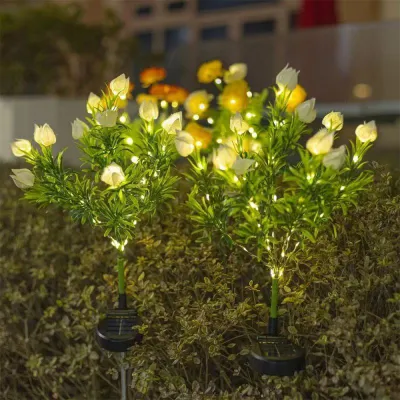
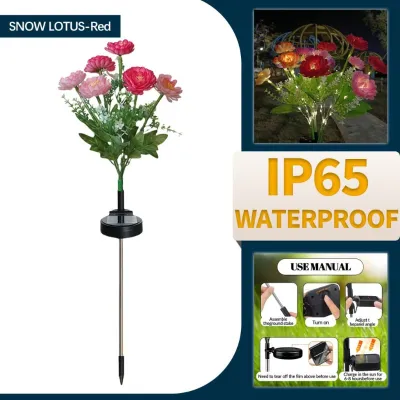
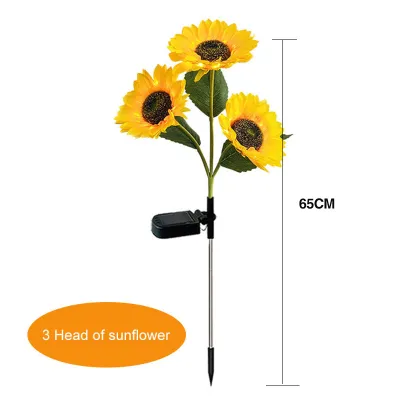
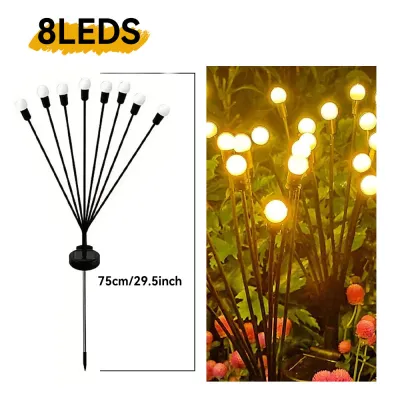

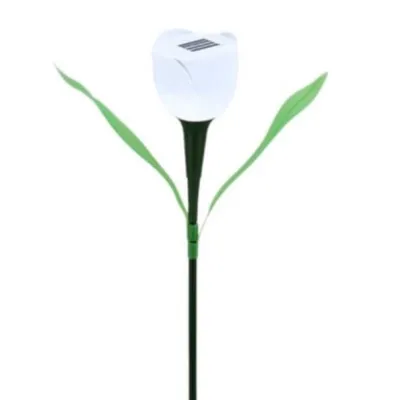
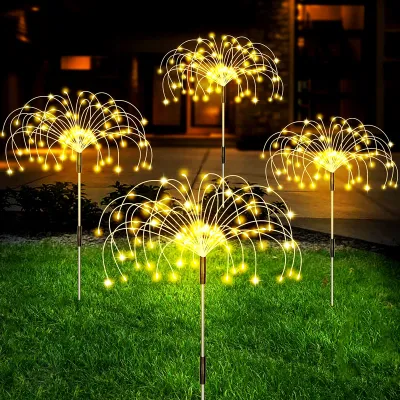
Prices are valid at publication and may change. Please refer to the product page for the latest price.
Many low-cost solar lights omit these technical details, which often signals lower-quality internal components that may not survive outdoor conditions. High-quality manufacturers provide explicit ratings for lumens, milliampere-hours (mAh), and material compositions. Understanding these metrics allows you to compare different models objectively, ensuring you invest in a light that balances energy collection with nightly performance.
Additionally, look for safety and quality certifications on the packaging. Certifications such as CE, RoHS, or local compliance marks indicate that the product has undergone standardized testing for electrical safety and environmental impact. While solar lights operate on low-voltage direct current (DC) and pose virtually no risk of severe electrical shock, certified products are built with better internal wiring and solder joints. This prevents premature failure caused by internal corrosion when humid air inevitably penetrates the outer casing.
Brightness and Color Temperature for Memorial Settings
The brightness of a solar cemetery light is measured in lumens, not watts. For a grave marker or memorial garden, the goal is typically to create a soft, respectful accent rather than a harsh floodlight. A light output of 2 to 15 lumens is generally sufficient for pathway marking or gentle illumination of a headstone. If you require higher visibility to read inscriptions or secure a larger family plot, look for fixtures rated between 20 and 50 lumens. Avoid excessively bright lights that exceed 100 lumens, as they can cause distracting glare in a quiet cemetery setting and deplete the battery rapidly.
Color temperature, measured in Kelvin (K), significantly influences the mood of the memorial. Warm white light, ranging from 2700K to 3000K, mimics the gentle, flickering glow of traditional candles, making it a popular and comforting choice for gravesites. Cool white light, ranging from 5000K to 6500K, provides a crisp, daylight-like illumination that enhances visibility and makes details stand out, though some may find it too clinical for a solemn environment. When selecting a light, check the packaging for these Kelvin ratings to ensure the visual effect aligns with your family’s aesthetic preferences.
When evaluating brightness, consider the surrounding environment of the cemetery. If the cemetery is well-lit by municipal streetlights or security floodlights, a low-lumen accent light (2 to 5 lumens) is sufficient to mark the grave without being drowned out. In contrast, if the cemetery is completely dark at night, a slightly brighter light (10 to 20 lumens) will create a beautiful, visible focal point. You can test the brightness at home before installation by covering the solar panel completely in a dark room to trigger the automatic light sensor, allowing you to observe the beam pattern and intensity.
Battery Capacity and Solar Charging Efficiency
The relationship between the solar panel and the battery determines how many hours the light will stay illuminated after the sun sets. The battery capacity, listed in milliampere-hours (mAh), indicates how much energy the unit can store. Standard solar garden lights often use Nickel-Metal Hydride (NiMH) batteries, typically rated between 600mAh and 1200mAh. While affordable, NiMH batteries can struggle to maintain capacity when exposed to the extreme ambient heat common in Philippine cemeteries. For superior thermal tolerance and longer lifespans, look for fixtures equipped with Lithium Iron Phosphate (LiFePO4) or Lithium-ion (Li-ion) batteries, which often feature capacities exceeding 1500mAh.
The solar panel itself must be efficient enough to charge this battery fully during the day. Monocrystalline solar panels are highly recommended for cemetery settings because they offer the highest energy conversion rates, even in overcast weather or under the partial shade of trees and neighboring mausoleums. Polycrystalline panels are more affordable but require longer exposure to direct, unobstructed sunlight to achieve a full charge. Check the product specifications to verify the panel type, prioritizing monocrystalline options if the gravesite is partially shaded.
The choice of battery chemistry also directly impacts how often you will need to replace the battery. Standard NiMH batteries generally last for 300 to 500 charge-discharge cycles, which translates to roughly one to one and a half years of nightly use. Lithium Iron Phosphate (LiFePO4) batteries, while more expensive initially, can endure 1,500 to 2,000 cycles, lasting up to five years before requiring replacement. This makes LiFePO4 an exceptionally cost-effective and low-maintenance choice for remote gravesites that you cannot visit frequently.
Durability and Material Considerations for Tropical Climates
The Philippine climate presents unique challenges for outdoor electronics, characterized by intense solar radiation, high humidity, and seasonal typhoons. A solar cemetery light must be constructed from materials that can withstand these elements without cracking, rusting, or fading. Choosing the wrong materials can lead to rapid degradation, leaving the gravesite looking neglected.

To prevent this, you must look beyond the initial appearance of the fixture and evaluate its structural integrity. This involves checking the manufacturer’s claims regarding weatherproofing and material treatments. Investing in durable materials ensures the light remains functional and visually appealing, reducing the need for frequent trips to the cemetery for replacements or repairs.
Weather Resistance and IP Ratings
The most reliable way to verify a solar light’s water and dust resistance is by checking its Ingress Protection (IP) rating, which is standard on certified electrical products. The IP rating consists of two digits: the first represents protection against solid objects (0 to 6), and the second represents protection against liquids (0 to 9). For a solar cemetery light exposed to heavy tropical downpours, a minimum rating of IP44 is required to protect against splashing water from any direction.
However, for long-term durability during the monsoon season, look for fixtures rated IP65 or higher. An IP65 rating indicates the light is completely dust-tight and can withstand low-pressure water jets, ensuring that heavy rain will not penetrate the housing and short-circuit the internal electronics. If the gravesite is prone to temporary pooling water or flooding, an IP67-rated light, which can survive temporary immersion, provides the ultimate level of protection.
To understand these ratings fully, break down the digits. In an IP65 rating, the ‘6’ means the enclosure is completely dust-tight, preventing fine dust, dirt, and insects from entering the housing. The ‘5’ indicates protection against water jets projected by a nozzle from any direction. For a tropical environment prone to sudden, intense downpours, this level of protection prevents water from bypassing the seals. An IP44 rating only protects against splashing water, which may fail during a severe tropical storm where water is driven horizontally by strong winds.
Material Longevity and Aesthetic Respect
The housing material of the solar light determines how well it resists physical wear and environmental exposure. Cheap, untreated plastics degrade rapidly under intense tropical UV rays, becoming brittle, yellowed, and prone to cracking within a few months. If you choose a plastic fixture, ensure the product label explicitly states it is made from UV-stabilized or UV-treated ABS or polycarbonate, which resists solar degradation.
For a more permanent and dignified appearance, metal and resin housings are excellent alternatives. Stainless steel (preferably 304 or 316 grade) and powder-coated aluminum offer exceptional resistance to rust and corrosion caused by high humidity. High-quality resin fixtures can mimic the appearance of stone or bronze while remaining lightweight and highly weather-resistant. Always check the packaging for rust-proof coatings or weather-resistant guarantees to ensure the fixture maintains its respectful appearance over time.
Another critical reason to avoid low-grade metals is the risk of staining. When cheap iron or low-grade steel rusts, rainwater carries the iron oxide residue down the sides of the fixture. If the light is placed directly on a light-colored marble or granite headstone, this rusty runoff can leave permanent, unsightly orange stains on the stone that are extremely difficult to clean. Opting for high-grade 304 stainless steel, anodized aluminum, or UV-resistant resin protects both the light fixture and the structural integrity of the memorial itself.
Placement, Installation, and Maintenance Guidelines
Proper placement is critical to maximizing the performance of your solar cemetery light. Before installing the fixture, observe the gravesite at different times of the day to identify potential obstructions. Trees, large monuments, neighboring mausoleums, and even tall grass can cast shadows that block sunlight from reaching the solar panel. Position the light where the panel will receive at least six hours of direct, unobstructed sunlight daily to ensure a full charge.
Installation methods must respect the cemetery’s rules and the integrity of the grave marker. For ground-level graves or lawn plots, stake lights can be easily inserted into the surrounding soil, provided they do not interfere with lawn maintenance or mowing equipment. For concrete, marble, or granite headstones, avoid drilling or using permanent adhesives that could damage the stone. Instead, utilize heavy-duty, outdoor-rated mounting tapes, weighted bases, or freestanding lanterns that can sit securely on flat surfaces.
Regular maintenance is essential to keep the solar light functioning at its best. Dust, pollen, fallen leaves, and bird droppings can accumulate on the solar panel, significantly reducing its ability to absorb sunlight. Wipe the panel clean with a damp, soft cloth every few weeks or during your regular visits to the cemetery. Additionally, keep an eye on the battery’s performance; even high-quality rechargeable batteries eventually lose their ability to hold a charge. Plan to replace the internal rechargeable batteries every one to two years, following the manufacturer’s instructions for battery type and voltage to prevent damage to the light’s circuitry.
Building a Conditional Shortlist by Light Type
To choose the right solar cemetery light, you must match the fixture’s design to the physical layout of the grave and the specific rules of the cemetery. Different light types serve distinct decorative and functional purposes:
- Stake Lights: These are ideal for ground-level graves, lawn plots, or defining the perimeter of a family memorial area. They feature a pointed stake that inserts directly into the ground. Ensure the stakes are made of durable, rust-proof metal or heavy-duty plastic, and place them where they will not be damaged by grass cutters.
- Lantern or Pillar Lights: Designed to sit flat on headstones, pedestals, or concrete grave covers, these fixtures offer a classic, architectural look. They often feature weighted bases or flat mounting brackets to prevent them from tipping over in strong winds.
- Hanging or Clip-On Lights: If the gravesite features a wrought-iron fence, a small gate, or an overhanging structure, hanging lanterns or clip-on solar lights can be suspended safely. This keeps the light off the ground and away from potential physical damage.
Before making a final purchase, create a personalized checklist. Verify the cemetery’s guidelines regarding outdoor decorations, as some memorial parks prohibit ground stakes or have strict height limits. Assess the daily sunlight exposure of the specific plot, and choose a light type that fits securely without damaging the headstone material.
Frequently Asked Questions (FAQ)
How long do solar cemetery lights typically last on a full charge?
Most manufacturers state that their solar lights can run for 8 to 12 hours on a full charge under optimal conditions. However, real-world runtime in a cemetery setting depends heavily on daily sunlight exposure, the age of the rechargeable battery, and seasonal weather. During the rainy season or on heavily overcast days, the solar panel may not collect enough energy to fully charge the battery, resulting in a shorter runtime of 3 to 6 hours.
Can solar lights withstand heavy rain and typhoons in the Philippines?
High-quality solar lights with an IP65 or IP67 rating are designed to withstand heavy rain and high humidity. However, extreme weather events like typhoons present risks beyond water ingress, such as flying debris, falling tree branches, and severe flooding. To preserve your investment and prevent damage, it is highly recommended to temporarily remove the solar lights from the gravesite and store them in a secure location when a severe typhoon warning is active in the area.

Community discussion
Share your experience or ask a question. Comments are reviewed before publication.