
Bringing the warm, festive glow of holiday lighting into a high-rise home requires a balance of aesthetics and practical planning. To successfully use solar Christmas lights inside a condo bedroom or living room, you must prioritize specific features: a generous lead cable length, adjustable brightness levels, warm color temperatures, and flexible wire materials. Selecting the right specifications ensures your indoor spaces remain cozy and inviting without the clutter of visible extension cords or the frustration of undercharged batteries.
While solar-powered options are highly sustainable and eliminate the need for nearby wall outlets, they rely entirely on light exposure that can be limited indoors. By focusing on how these systems collect power, distribute light, and fit into compact layouts, you can easily create a seamless, energy-efficient ambient setup that lasts throughout the holiday season and beyond.
Understanding Solar Panel Placement for Indoor Condo Use
The most critical factor when using solar-powered lighting indoors is the physical separation between the solar panel and the light string itself. Because concrete condo walls and deep window frames block natural light, you must choose a product that features a long, detachable lead cable. This design allows you to position the solar panel directly against a window pane or out on a balcony while routing the decorative string deep into your living room or bedroom.
Products mentioned in this guide
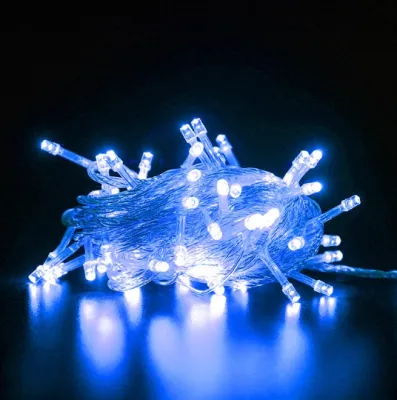
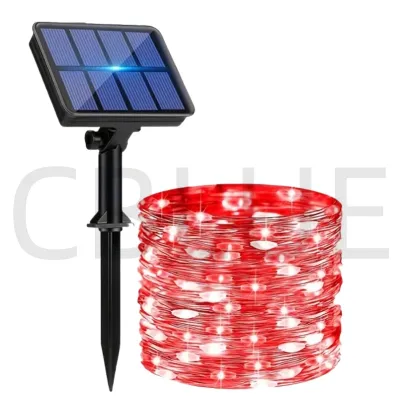
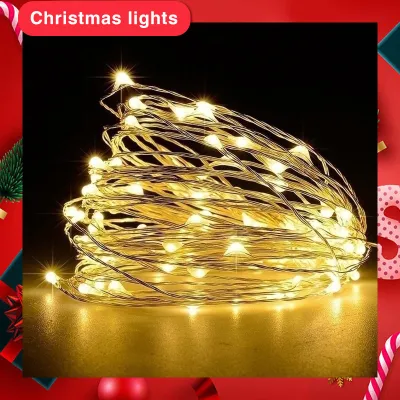
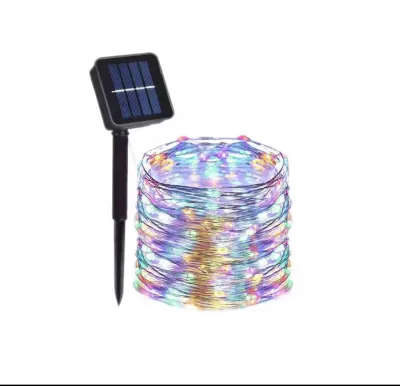
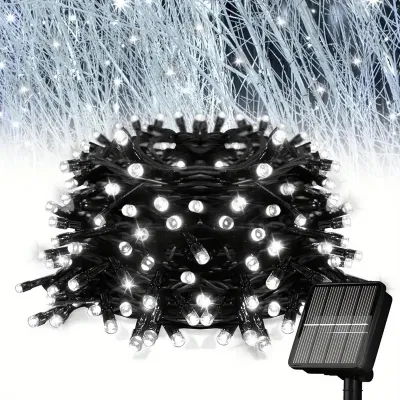
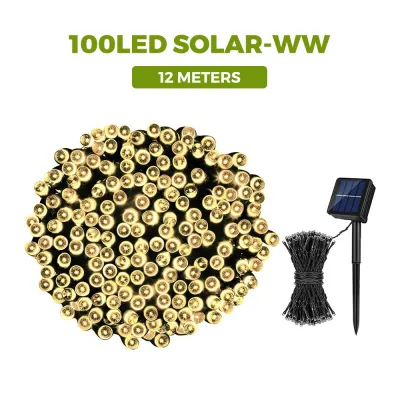
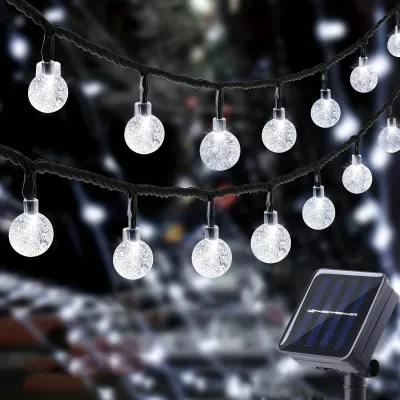
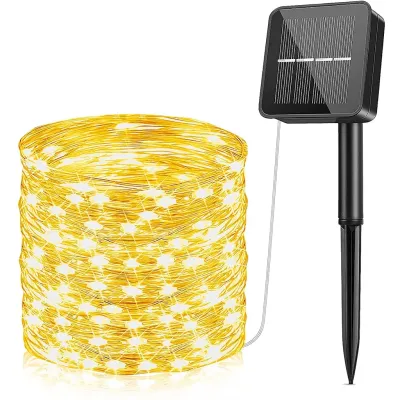
Prices are valid at publication and may change. Please refer to the product page for the latest price.
Window orientation plays a decisive role in how well your lights will perform each evening. In tropical urban environments, windows facing direct sunlight receive the most consistent daily charge, whereas north-facing or heavily shaded windows may struggle to collect sufficient energy. Additionally, modern double-glazed windows, insect screens, and UV-blocking tints significantly reduce the solar energy that reaches the panel, which can lead to shorter illumination times at night.
If your condo has restricted window access or deep structural overhangs, standard solar setups might not receive enough daily sunlight to function reliably. In these situations, look for dual-power alternative models, such as hybrid solar-and-USB light strings. These versatile systems allow you to charge the battery pack via a standard USB port on cloudy days or during the rainy season, ensuring your ambient indoor lighting remains consistent regardless of the weather.
Matching Color Temperature and Brightness to Room Moods
To establish a relaxing and comfortable atmosphere in your condo, pay close attention to the color temperature of the light-emitting diodes (LEDs). Warm white tones, typically ranging from 2700K to 3000K, are ideal for bedrooms and living areas because they mimic the soft, golden glow of traditional incandescent bulbs. This temperature range promotes relaxation, reduces eye strain, and complements warm wood tones and fabric textures commonly found in cozy living spaces.

In contrast, cool white or vibrant multicolor options are best reserved for specific, localized festive accents rather than general ambient lighting. Cool white lights can feel clinical or overly bright in a confined condo setting, while rapid multicolor flashing patterns can quickly disrupt a peaceful evening mood. If you prefer a festive touch, look for multi-mode strings that offer a slow, gentle fade or a steady-on setting to keep the visual environment calm.
Because condo rooms are often compact and feature reflective surfaces like glass coffee tables, mirrors, or glossy paint, managing brightness is essential. Prioritize solar light sets that feature dimmable settings or lower lumen outputs per bulb. Being able to adjust the intensity of the glow prevents harsh glare, allowing you to customize the light levels to suit activities like watching a movie, reading, or winding down for sleep.
Calculating String Length and Layout for Compact Spaces
Before purchasing any solar light string, take precise measurements of the architectural features you plan to decorate. In a compact condo, wrapping lights around window frames, draping them over bed headboards, or lining floating shelves can define the space beautifully. Knowing the exact dimensions of these areas prevents you from buying a string that is too short to complete the look or so long that it creates unsightly clutter.
The material of the wire itself greatly influences how neatly the lights can be integrated into your decor. Flexible, bare copper wire is highly recommended for delicate indoor displays because it can be bent easily around tight corners and remains virtually invisible during the day. Thicker, green or black PVC-coated cables are much more durable and weather-resistant, making them suitable for balcony railings, but they can look bulky and distracting when draped over indoor furniture.
Managing the excess wire and power cord slack is crucial for maintaining a clean, minimalist aesthetic in small rooms. Avoid overlapping the light string excessively in one spot, as this can create hot spots of intense light that disrupt the balanced ambiance. Plan your layout so that the unlit lead cable runs discreetly along baseboards or behind furniture, keeping the focus entirely on the soft, decorative glow.
Navigating Timer Modes and Power Controls for Daily Use
Automated power features are essential for integrating solar lighting into your daily routine without constant manual adjustments. Many high-quality solar light controllers come equipped with built-in timer functions, such as a cycle that keeps the lights on for six hours and turns them off for eighteen hours. This automation conserves the stored battery power, ensuring the lights do not run unnecessarily past midnight or drain the battery completely before the next sunny day.
One common challenge with indoor solar lighting is the interference caused by your condo’s main light fixtures. Most solar panels feature an integrated dusk-to-dawn sensor that automatically activates the light string when ambient light levels drop. If you turn on a bright overhead living room lamp, the sensor may mistake this artificial light for daytime, preventing your decorative solar lights from turning on when you want them.
To overcome sensor interference, look for solar light models that include a manual override switch or a dedicated remote control. This allows you to force the lights on even when the room is brightly lit by other sources. Alternatively, you can physically cover the solar panel with a dark cloth or piece of cardboard in the evening to trick the sensor into activating the display.
Safe Installation and Mounting Practices for Condos
When installing lightweight fairy lights and solar panels in a condo, protecting the interior finishes is just as important as securing the hardware. Use damage-free adhesive hooks, clips, or removable mounting tape to secure the light strings along walls, ceilings, or window frames. These temporary solutions hold the lightweight wires securely in place and can be removed cleanly without peeling paint or drilling holes, which is especially important for rental properties.
Securing the solar panel itself requires careful attention, particularly if you are mounting it on a balcony railing or an exterior window sill. High-rise balconies can experience sudden, strong wind gusts that can dislodge loose items, creating a serious safety hazard for those below. Use heavy-duty zip ties, adjustable mounting brackets, or suction cups designed for outdoor glass surfaces to secure the panel firmly to prevent it from falling.
Before finalizing your installation, perform a thorough safety check of the entire lighting system:
- Inspect the insulation: Check the entire length of the wire for any cuts, frays, or exposed copper, especially if the cable passes through a closed window or sliding door.
- Avoid pinch points: Ensure that heavy furniture, sliding doors, or window frames do not pinch or crush the power cable, which can damage the internal wiring.
- Keep away from heat: Route the wires away from indoor heat sources, such as space heaters, cooking appliances, or high-wattage electronic devices.
- Verify certifications: Ensure the product carries recognized electrical safety certifications to guarantee the internal battery and charging circuits are safe for indoor use.
Frequently Asked Questions (FAQ)
Can solar Christmas lights charge through a closed condo window?
Yes, solar lights can charge through a closed window, but the charging efficiency will be significantly lower than if the panel were placed outdoors in direct sunlight. Standard window glass filters out a portion of solar radiation, and modern energy-efficient windows with UV-blocking coatings or dark tints can reduce the energy reaching the panel by more than half. To maximize charging efficiency indoors, place the panel directly against the cleanest pane of glass that receives the most direct daily sunlight.
How do indoor lamps affect the solar panel's light sensor?
Indoor lamps can easily interfere with a solar panel’s automatic dusk-to-dawn sensor. If a nearby floor lamp, television, or overhead light casts bright light onto the solar panel, the sensor will register that it is still daytime and prevent the Christmas lights from turning on. To resolve this, you can position the solar panel in a dark corner away from indoor light sources, use a manual override switch on the controller, or simply cover the panel with an opaque object when you want to enjoy the lights.

Community discussion
Share your experience or ask a question. Comments are reviewed before publication.