
Choosing the right solar curtain lights for your condo depends on matching the functional vibe of each room with the physical realities of high-rise living. While a bedroom demands a soft, low-density glow that encourages deep sleep, a living room thrives on dynamic, high-density patterns that elevate social gatherings. Because these lights rely on solar energy, your choice also hinges on balcony orientation, window access, and building regulations. By balancing aesthetic preferences with technical specifications, you can transform your condo interior into a cozy sanctuary without increasing your monthly electricity bill.
Assessing Condo Window and Balcony Constraints for Solar Lights
Before purchasing any solar-powered lighting, you must evaluate how much direct sunlight your condo actually receives. In high-rise developments, units face different directions, meaning an east-facing window gets bright morning sun while a west-facing balcony catches the intense afternoon heat. Solar panels require several hours of unobstructed sunlight daily to charge their internal batteries fully. If your windows face a narrow inner courtyard or are shaded by adjacent towers, the solar panel may not gather enough energy to power a dense curtain of lights through the evening.
You also need to review your condo’s building guidelines or Property Management Office (PMO) rules. Many condominium corporations enforce strict aesthetic guidelines regarding what can be hung on balconies or visible from the building’s exterior. Some properties prohibit hanging items outside windows entirely to maintain a uniform facade or prevent falling hazards during high winds. Always verify these restrictions before planning an exterior solar panel installation.
Products mentioned in this guide
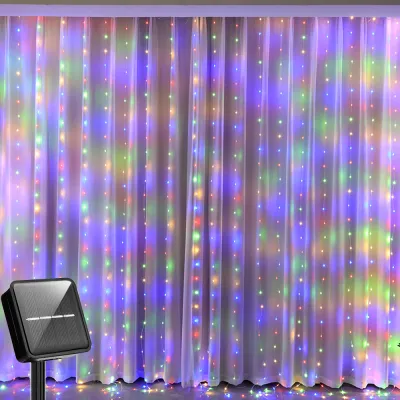
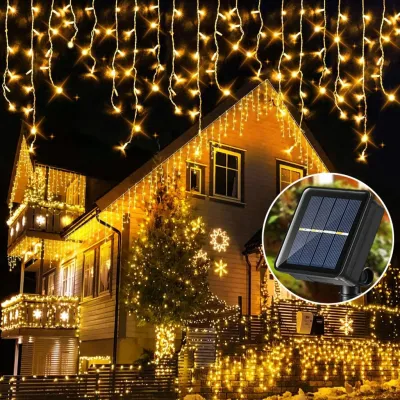
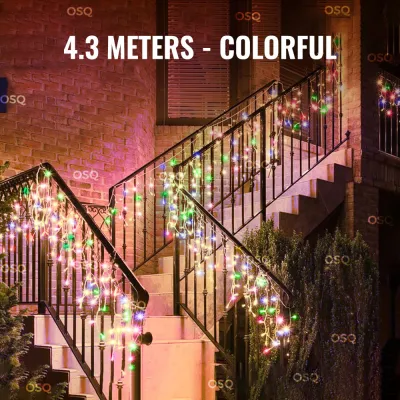
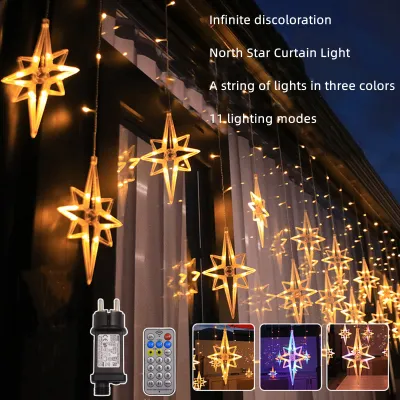
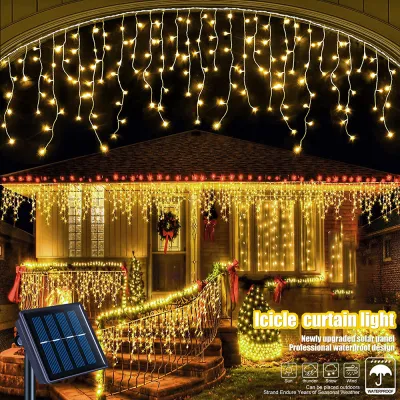
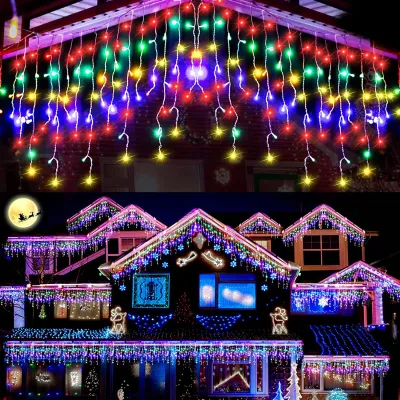
Prices are valid at publication and may change. Please refer to the product page for the latest price.
Finally, consider the physical limits of your window frames, tracks, and glass surfaces. Heavy light strings can strain delicate tracks or peel away temporary adhesives, especially when exposed to tropical heat and humidity. Assess the weight of both the light strings and the solar panel assembly. Choosing lightweight materials and verifying the load-bearing capacity of your mounting points will prevent damage to your rental or owned unit.
Designing Bedroom Ambiance for Rest and Relaxation
The bedroom is a personal sanctuary where lighting should promote rest, recovery, and a natural sleep cycle. When selecting solar curtain lights for this space, prioritize warm color temperatures, typically ranging from warm white to deep amber. Cool white or blue-toned lights emit high levels of blue light, which can interfere with melatonin production and disrupt your sleep patterns. A soft, warm glow mimics the natural sunset, signaling to your body that it is time to wind down.

Light density is another critical factor for bedroom installations. High-density curtain lights with closely spaced vertical strands can create an overwhelming glare that makes it difficult to relax. Opt for lower-density configurations where the individual LEDs are spaced further apart, creating a delicate, starry effect rather than a solid wall of light. If possible, select a model with adjustable brightness settings so you can dim the display as bedtime approaches.
To ensure your sleep remains undisturbed, look for solar light controllers that feature built-in timers or automatic shut-off functions. While solar lights naturally turn on at dusk, you may not want them shining brightly through your window all night. A system that automatically turns off after four to six hours preserves battery life for the next day and ensures a dark, sleep-friendly environment during your deepest rest hours.
Styling Living Room Ambiance for Social and Dynamic Spaces
In contrast to the quiet retreat of the bedroom, the condo living room is a multi-functional hub for socializing, entertainment, and daily activities. Here, you can experiment with higher-density solar curtain lights that make a bold visual statement. Closely spaced LED strands create a vibrant backdrop that defines the room’s character, making the space feel larger and more inviting during evening gatherings or movie nights.
Consider how different light styles align with your existing living room decor and furniture layout. Cascading drops that mimic falling rain look stunning when framed by sheer curtains, while starburst or fairy-light patterns add a whimsical touch to modern minimalist interiors. Position the lights to complement your main seating area, perhaps draping them behind the sofa or along a balcony glass door to draw the eye outward and create an illusion of extended space.
Versatility is key in a shared living area, so look for solar curtain lights that offer multiple lighting modes and adjustable brightness. A controller with settings for steady-on, slow fade, or gentle twinkle allows you to match the lighting to the mood of the moment. You can select a bright, steady glow for hosting dinner guests, and then transition to a dim, slow-fading pattern for a cozy, cinematic atmosphere when watching television.
Evaluating Cross-Room Compatibility and Core Specifications
If you are deciding whether to buy a single versatile set or separate dedicated systems for each room, you must evaluate the core technical specifications of the solar components. The capacity of the solar panel and its accompanying rechargeable battery must match the total LED count of the curtain lights. A high-density living room set with hundreds of LEDs will drain a small battery rapidly, whereas a low-density bedroom set requires far less power to run for the same duration.
Weather resistance is a non-negotiable specification if any part of your lighting setup is exposed to the elements. Check the Ingress Protection (IP) rating of both the light strings and the solar panel. For panels mounted on open balconies exposed to tropical rain and dust, look for an IP65 rating or higher to ensure long-term durability. Indoor-facing light strands can have a lower rating, but they should still be resilient enough to withstand high humidity levels near open windows.
Cable length is another practical detail that is easily overlooked. The lead wire—the distance between the solar panel and the first strand of lights—must be long enough to reach from your outdoor sunny spot to the indoor window frame. Measure this distance carefully before purchasing. If the cable is too short, you may be forced to place the solar panel in a shaded area, drastically reducing its charging efficiency and nightly runtime.
Safe Installation and Maintenance Without Property Damage
Installing solar curtain lights in a condo requires damage-free methods to protect your security deposit or preserve your property’s value. Avoid drilling holes into aluminum window frames or concrete walls. Instead, utilize heavy-duty suction cups with hooks for glass surfaces, or adjustable tension rods that fit snugly inside the window frame. These solutions provide a secure hold without leaving permanent marks or compromising the structural integrity of your windows.
Regular maintenance is essential to keep your solar lighting system operating at peak performance. In tropical environments, dust, pollen, and rain residue can quickly accumulate on the surface of the solar panel, blocking sunlight and reducing charging efficiency. Wipe the panel gently with a damp microfiber cloth every few weeks to keep it clean. Avoid using harsh chemical cleaners or abrasive pads that could scratch the protective cover.
If your installation plan requires routing cables through closed window seals or modifying exterior structures, stop and consult your building’s maintenance team or a qualified professional. Forcing thick cables through tight window frames can damage the weather stripping, leading to water leaks during heavy downpours. A professional can help you find safe, compliant pathways for your wiring without violating building codes or risking water damage.
Frequently Asked Questions (FAQ)
Can solar curtain lights charge indoors or in shaded condos?
Solar panels require direct sunlight to charge efficiently and reach their full battery capacity. Standard window glass, especially tinted or low-emissivity (Low-E) glass commonly used in modern condos, filters out a significant portion of the solar spectrum, drastically reducing charging speed. If your condo lacks a balcony or direct sun exposure, charging a solar panel indoors behind glass is generally ineffective. In these situations, you may need to position the panel on an exterior ledge where it can catch direct light, or consider alternative power sources like USB-rechargeable or plug-in curtain lights.
Is it safe to leave solar curtain lights on all night?
Generally, solar curtain lights are safe to leave on because they operate on low-voltage direct current, which generates minimal heat compared to traditional incandescent bulbs. Most systems feature built-in light sensors that automatically turn the lights off when the battery drains or when dawn arrives. However, to maximize the lifespan of the rechargeable battery and prevent unnecessary light pollution in your sleeping area, it is best to use a model with a built-in timer. Setting the lights to turn off after a few hours preserves battery health and ensures your condo remains dark and restful during the late-night hours.

Community discussion
Share your experience or ask a question. Comments are reviewed before publication.