
To successfully integrate a solar ceiling light into a low-ceiling condominium unit in the Philippines, you must prioritize low-profile flush mount designs and split-panel configurations. Standard high-rise developments in major metropolitan areas like Metro Manila, Cebu, and Davao often feature concrete slab ceilings with a clearance of only 2.4 to 2.7 meters. In these compact living spaces, traditional hanging light fixtures can make rooms feel cramped and restrict movement. A flush mount solar ceiling light solves this spatial challenge by sitting flat against the ceiling surface, preserving precious headroom while utilizing renewable energy.
However, because indoor rooms do not receive direct sunlight, a standard all-in-one solar fixture will not work. Instead, condo dwellers must rely on split-type systems where the indoor light fixture connects via a thin, flat cable to an external solar panel positioned on a balcony, window ledge, or air conditioner ledge. This setup allows you to harness the abundant tropical sunlight of the Philippines while keeping your indoor living spaces bright, modern, and uncluttered. Navigating this installation requires a clear understanding of physical dimensions, battery capacities, and building administration rules to ensure a safe, efficient, and compliant setup.
Why Flush Mount Designs Suit Low-Ceiling Condos
In a compact condominium unit, vertical space is a premium commodity that directly influences how spacious and comfortable a room feels. Hanging fixtures, such as pendant lights or low-hanging chandeliers, physically lower the visual plane of the ceiling, which can make a small studio or one-bedroom unit feel claustrophobic. A flush mount solar ceiling light, typically measuring only a few centimeters in thickness, hugs the ceiling closely. This design maximizes the distance between the floor and the light source, creating an open, airy atmosphere that enhances the overall perception of space.
Products mentioned in this guide
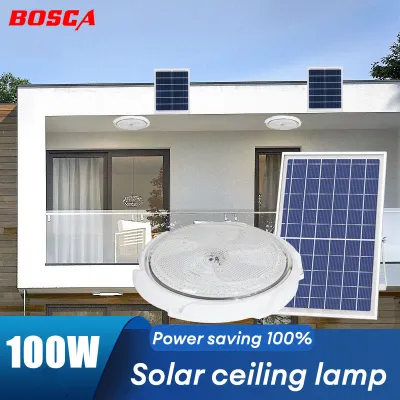
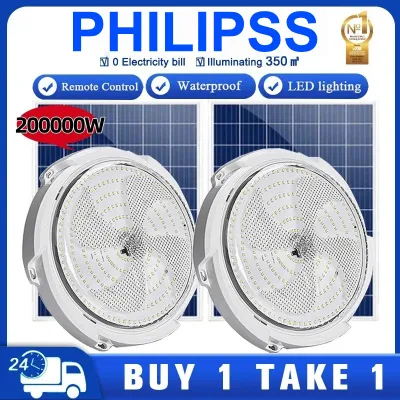
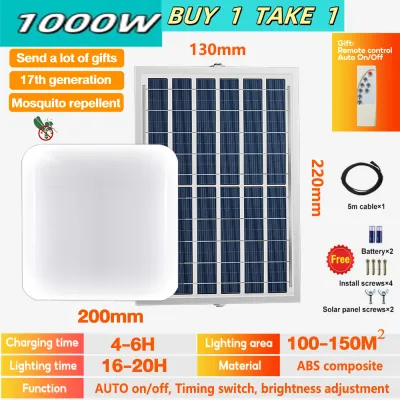
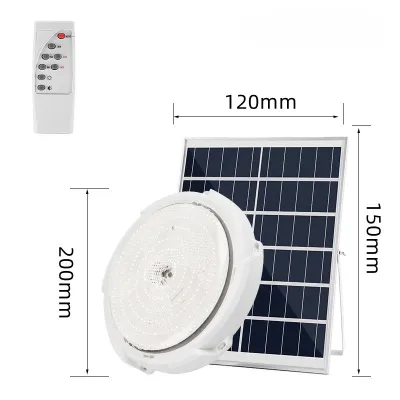
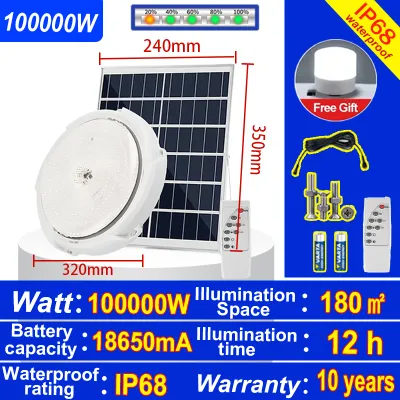
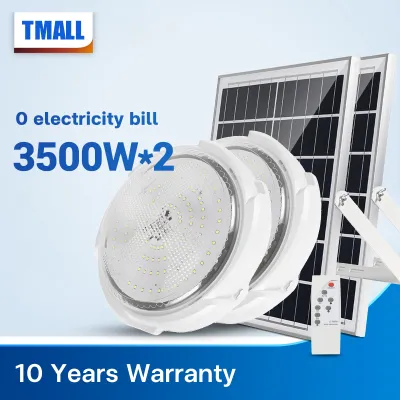
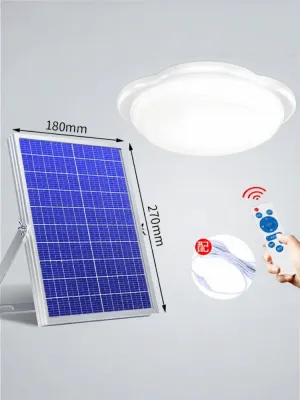
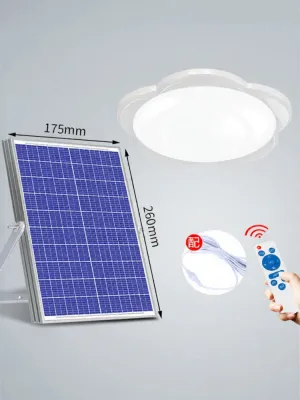
Prices are valid at publication and may change. Please refer to the product page for the latest price.
Beyond aesthetics, safety is a primary concern in low-ceiling environments. In high-traffic areas like narrow hallways, entryways, or compact bedrooms—especially those utilizing bunk beds or loft setups to maximize floor space—protruding light fixtures pose a constant physical hazard. Accidental bumps from raised arms, changing clothes, or moving furniture can easily damage a hanging fixture or cause injury. A flush mount design greatly reduces these risks by remaining entirely out of the path of daily activities, providing a secure and worry-free lighting solution for active households.
Thermal management is another critical factor when mounting fixtures directly against a ceiling in a tropical climate. The Philippines experiences high ambient temperatures year-round, and heat naturally rises and accumulates near the ceiling of concrete condo units. Quality flush mount solar lights are engineered with dedicated heat dissipation features, such as aluminum backplates or raised mounting brackets that create a tiny air gap between the fixture and the ceiling. This prevents heat buildup from degrading the LED chips or damaging the ceiling paint, ensuring the fixture remains cool and operates efficiently over its lifespan.
Key Physical and Functional Selection Criteria
When selecting a solar ceiling light for a low-ceiling condo, physical dimensions must be carefully matched to the room’s proportions. For ceilings under 2.6 meters, look for ultra-thin fixtures with a depth of 5 centimeters or less. The diameter of the light should also correspond to the room’s square footage; a small bathroom, utility room, or hallway is best served by a compact fixture of 20 to 25 centimeters, whereas a living room or dining area may require a broader fixture of 30 to 40 centimeters to distribute light evenly without looking visually overwhelming.

The light distribution pattern, or beam angle, is equally important for maintaining a sense of height in a room. Avoid fixtures that cast narrow, focused beams of light downward, as this creates a harsh spotlight effect that leaves the upper corners of the walls in deep shadow, making the ceiling feel even lower than it is. Instead, opt for fixtures equipped with frosted acrylic diffusers that offer a wide beam angle of 120 degrees or more. This wide distribution bounces light off the upper walls and ceiling, softening shadows and creating a more uniform, natural illumination that visually expands the room.
Color temperature plays a vital role in both functionality and mood, especially when paired with typical tropical interior design elements. Many Philippine condos feature light-colored walls to maximize brightness, which can reflect light differently depending on the color temperature. For task-oriented areas like kitchens, study corners, or home offices, cool white (5000K to 6500K) or daylight settings provide the crisp, high-contrast light needed for focus and visibility, particularly during gloomy rainy afternoons. For living rooms and bedrooms, warm white (3000K) offers a relaxing, cozy ambiance. Selecting a solar ceiling light with a remote control that allows you to switch between warm, neutral, and cool white settings provides the flexibility needed for multi-purpose condo spaces.
Assessing Solar Panel and Battery Configurations
The primary technical challenge of using solar lighting indoors is ensuring the system receives enough energy to operate reliably. Integrated solar ceiling lights, which feature the solar panel on the back of the light fixture itself, are designed exclusively for outdoor structures like gazebos or carports and are entirely unsuitable for indoor condo rooms. For indoor applications, you must use a split-system solar ceiling light. This configuration separates the indoor flush mount light from the solar panel, connecting them with a dedicated cable that must be routed outdoors to capture sunlight.
When evaluating split systems, pay close attention to the solar panel type and the battery specifications. Monocrystalline solar panels are generally more efficient than polycrystalline alternatives, meaning they can generate more electricity from a smaller surface area—a crucial advantage when balcony space is limited. The battery, typically housed inside the ceiling fixture, should ideally be a Lithium Iron Phosphate (LiFePO4) battery. LiFePO4 batteries are highly stable, perform well in hot tropical climates, and offer a longer lifespan compared to standard lithium-ion batteries. Check the product label for battery capacity rated in milliampere-hours (mAh) or watt-hours (Wh), ensuring it is rated to support at least 8 to 12 hours of continuous operation on a full charge.
Charging limitations are a reality in high-density urban areas where neighboring high-rise buildings or overhanging balconies can block direct sunlight for large portions of the day. If your condo unit faces north or is heavily shaded, your solar panel will have to rely on indirect or ambient sunlight. Under these conditions, a solar panel will charge at a fraction of its rated capacity. To mitigate this, look for systems that allow you to connect a larger or more sensitive solar panel, or consider whether a hybrid system that can also be charged via a USB port or standard electrical outlet during consecutive rainy days is a more practical choice for your specific unit.
Navigating Condo Installation Rules and Structural Limits
Before purchasing any solar lighting equipment, it is essential to review your condominium’s house rules and consult the Property Management Office (PMO). Most high-rise developments in the Philippines enforce strict guidelines regarding the building’s exterior appearance and structural integrity. Drilling holes into exterior concrete walls to mount a solar panel or run cables is almost universally prohibited, as it can compromise the building’s waterproofing and structural warranty. You must find non-destructive mounting solutions, such as securing the solar panel to balcony railings using heavy-duty, UV-resistant cable ties or specialized mounting brackets that do not require drilling.
The material of your condo’s ceiling also dictates how the indoor flush mount fixture must be installed. Many modern developments feature solid concrete slab ceilings, which require a hammer drill, masonry drill bits, and plastic wall anchors to secure the mounting bracket. If your unit has a gypsum or plasterboard drop ceiling—often installed to conceal air conditioning ducts or plumbing—you cannot mount the fixture directly to the board using standard wood screws. Instead, you must use toggle bolts or hollow-wall anchors that expand behind the board to distribute the weight safely, preventing the fixture from sagging or falling.
Understanding your limits is key to a safe installation. If your planned setup requires routing cables through window frames, weather stripping, or exterior walls, or if you are uncomfortable working on a ladder to drill into solid concrete, do not attempt a DIY installation. Improperly sealed cable entries can lead to water leaks during heavy monsoon rains, causing water damage to your interior walls and flooring. When in doubt, stop and consult your building’s maintenance team or hire a qualified local technician who understands the specific structural and administrative boundaries of your condominium complex.
Building Your Shortlist: What to Verify Before Buying
To build a reliable shortlist of solar ceiling lights from online marketplaces or local hardware stores, you must verify several practical specifications beyond basic brightness. First, check the Ingress Protection (IP) ratings of both the indoor fixture and the outdoor solar panel. While the indoor light itself may only require a basic IP20 rating for dry living areas, any fixture intended for a bathroom or a damp kitchen area should have at least an IP44 rating to resist moisture. The outdoor solar panel, which will be fully exposed to the elements, must have a minimum rating of IP65 to ensure it remains highly water-resistant and dustproof during intense tropical storms.
Warranty terms and after-sales support are critical indicators of product quality, especially in a market flooded with cheap, unbranded solar products. Look for reputable brands or verified distributors that offer a clear, written warranty of at least six months to one year. Avoid products that do not specify warranty terms or those that require you to ship defective items abroad for replacement. Having access to local customer support in the Philippines ensures that if a battery degrades prematurely or a cable fails, you can easily obtain replacement parts without purchasing an entirely new system.
Finally, leverage user reviews to gain real-world insights into product performance. When browsing e-commerce platforms, look for detailed reviews from buyers located in the Philippines who share photos or videos of their installations. Pay close attention to feedback regarding how well the battery holds a charge after several months of use, how the system performs during consecutive rainy days, and whether the remote control signal can easily penetrate glass balcony doors. Real-world user experiences often reveal practical limitations, such as actual runtimes and brightness levels, that may not be fully detailed on the manufacturer’s spec sheet.
Frequently Asked Questions (FAQ)
Can solar ceiling lights work if my condo unit has limited direct sunlight?
Solar panels require direct sunlight to reach their maximum charging efficiency and fully replenish the connected battery. If your condo unit faces an alley, is shaded by adjacent towers, or has a north-facing balcony, the solar panel will only receive indirect or ambient light. While modern solar panels can still generate a small amount of electricity under these conditions, the charging process will be significantly slower, resulting in much shorter runtimes at night or a dimmer light output. If your balcony receives virtually no direct sunlight, a split-system solar light may not perform satisfactorily. In such cases, installing a standard, energy-efficient LED flush mount light connected to your condo’s main electrical grid is a more reliable and practical solution for consistent daily illumination.
Do I need an electrician to install a solar flush mount light?
Because solar ceiling lights operate on low-voltage direct current (DC) supplied entirely by their own batteries, they do not connect to your condominium’s main 220V electrical grid. This means you do not need a licensed electrician to perform complex electrical wiring, wire stripping, or circuit breaker connections. However, the physical installation of the fixture and the outdoor panel still requires basic hand tools and structural mounting. If your condo has a solid concrete ceiling that requires drilling, or if you need to secure a heavy solar panel to a high-rise balcony railing where wind loads are a concern, hiring a professional handyman or consulting your building’s maintenance staff is highly recommended to ensure the installation is structurally secure and safe from falling hazards.

Community discussion
Share your experience or ask a question. Comments are reviewed before publication.