
The best solar lawn lights for typical Filipino home gardens are those designed to withstand high humidity, heavy seasonal rainfall, and intense UV exposure while matching the specific layout of your outdoor space. Because tropical climates present unique environmental challenges, selecting the right fixtures requires balancing weather-resistance ratings with battery capacity and panel efficiency. By matching your garden’s physical layout with durable, high-performing outdoor fixtures, you can create a beautifully illuminated landscape that remains functional throughout the year.
When planning your outdoor lighting, start by dividing your garden into distinct functional zones. Pathway lights guide foot traffic safely, accent spotlights highlight specific plants or architectural features, and ambient lights create a warm atmosphere for evening gatherings. Incorporating high-quality solar lights for outdoor use ensures your garden remains safe and inviting after dark without increasing your monthly electricity bill.
Quick Guide: Core Criteria for Outdoor Solar Lights
Selecting the right solar lights for outdoor use in the Philippines requires a clear understanding of your garden’s physical conditions and layout. A successful setup relies on matching the specific function of each light to the appropriate zone in your yard. Pathway lights should focus on safety, spotlights should highlight key features, and ambient lights should enhance social areas.
Products mentioned in this guide
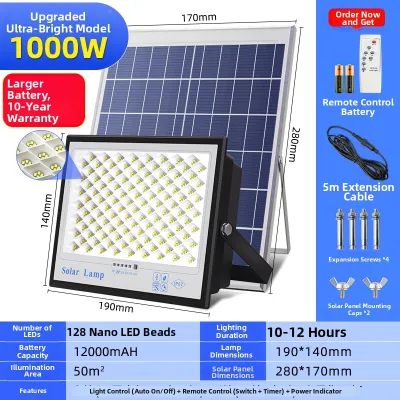
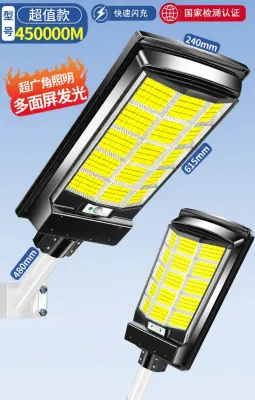
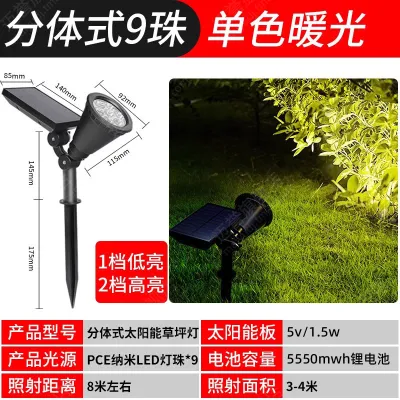
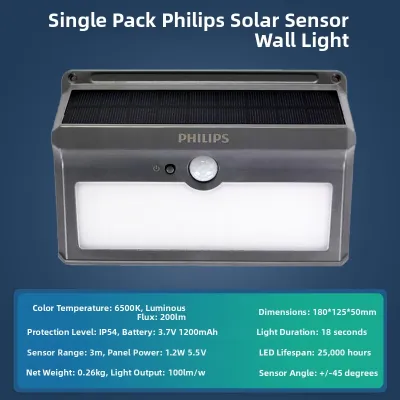
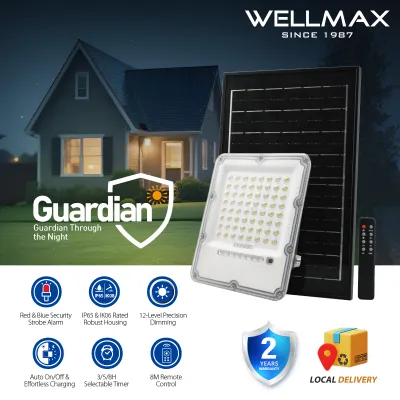
Prices are valid at publication and may change. Please refer to the product page for the latest price.
Weather resistance is the most critical factor for longevity in a tropical climate. High humidity, salt air in coastal areas, and torrential monsoon rains can quickly ruin poorly sealed fixtures. Always verify the Ingress Protection (IP) rating on the product packaging to ensure the internal electronics are fully protected against moisture and dust.
Solar panel placement is equally vital to ensure consistent performance. Because solar lights rely entirely on direct sunlight to charge, you must evaluate your yard’s daily sun exposure. Ensure that the panels are positioned where they will receive unobstructed sunlight, away from the shadows of roof overhangs, large trees, or perimeter walls.
Assessing Your Garden Layout and Lighting Needs
Before purchasing any fixtures, walk through your garden at dusk to map out where light is most needed. A well-planned layout prevents dark spots while avoiding an overly bright, cluttered look that can disrupt the natural nighttime ambiance. Grouping your lighting needs into pathways, accents, and ambient zones will help you determine the exact type and quantity of fixtures required.

For pathways and borders, focus on low-level fixtures that direct light downward onto the walking surface. Evaluate the height of the stakes and the beam spread of each light to ensure safe navigation. Walkways with uneven stones, steps, or curves require consistent, overlapping pools of light to prevent tripping hazards, meaning you may need to space fixtures closer together in these areas.
Accent and spot lighting serve to draw the eye to specific focal points, such as a mature pocket garden, a decorative water feature, or a unique palm tree. These fixtures typically feature adjustable heads that allow you to angle the beam upward. When positioning spotlights, ensure the beam does not shine directly into seating areas, pathways, or neighboring windows, as this can cause uncomfortable glare.
Ambient lighting is designed for social spaces, such as patios, verandas, or outdoor dining areas. Instead of bright, direct beams, aim for soft, low-glare illumination that mimics candlelight or warm twilight. Hanging lanterns, string lights, or low-wattage post-cap lights work well here, creating a relaxing environment where family and guests can gather comfortably during warm tropical evenings.
Essential Specifications to Verify on Product Labels
Reading the technical specifications on product packaging is the most reliable way to verify if a fixture can survive local environmental conditions. Do not rely on vague marketing terms like “waterproof” or “heavy-duty” without checking the certified ratings. Understanding these specifications allows you to make an informed decision based on measurable performance standards.
The Ingress Protection (IP) rating consists of two digits: the first measures protection against solid objects like dust, and the second measures protection against liquids. For tropical gardens exposed to heavy monsoon rains, look for a minimum rating of IP65, which indicates protection against dust ingress and low-pressure water jets from any direction. For ground-level lights that may experience temporary pooling water during heavy downpours, an IP67 rating is highly recommended.
Material durability directly impacts how long a fixture will last under intense tropical sun. ABS plastic is common and affordable, but it must be UV-stabilized to prevent cracking, fading, and becoming brittle over time. Stainless steel (specifically grade 304 or higher) and powder-coated aluminum offer superior resistance to rust and physical impact, making them excellent choices for long-term outdoor use.
Examine the solar panel and battery specifications listed on the box. Monocrystalline solar panels are more efficient at converting sunlight into electricity, making them ideal for areas with partial shade or during overcast seasons. Polycrystalline panels are generally more budget-friendly but require longer exposure to direct sunlight. Additionally, check if the packaging indicates whether the internal battery is user-replaceable; fixtures with sealed, non-replaceable batteries must be discarded entirely once the battery degrades.
Brightness is measured in lumens, not watts. For pathway lighting, a range of 10 to 50 lumens per fixture is usually sufficient to guide steps without causing glare. Accent spotlights may require 100 to 300 lumens to illuminate larger trees or walls. Color temperature, measured in Kelvin (K), determines the warmth of the light; warm white (2700K to 3000K) is a conditional preference that creates a cozy, inviting atmosphere, while cool white (5000K or higher) provides high-contrast visibility suitable for security zones.
Installation and Maintenance for Tropical Climates
Proper installation and regular upkeep are essential to ensure your solar lights perform optimally throughout the year. Even the highest-quality fixtures will fail prematurely if they are poorly positioned or neglected. Implementing a simple maintenance routine will significantly extend the lifespan of your outdoor lighting investment.
When placing your lights, ensure the solar panels receive at least six to eight hours of direct, unobstructed sunlight daily. Avoid positioning them under dense tree canopies, roof eaves, or in the shadow of walls and fences. Keep in mind that the angle of the sun changes throughout the year, so a spot that is sunny in April might be shaded in November due to seasonal shifts.
Dust, pollen, and water spots can accumulate on the solar panels, blocking sunlight and reducing charging efficiency. Clean the panels every few weeks by wiping them gently with a soft, damp microfiber cloth and mild soapy water. Avoid using abrasive scrubbers, harsh chemical cleaners, or high-pressure water sprays, as these can scratch the protective coating or compromise the water seals.
Battery performance naturally declines over time due to repeated charge cycles and high ambient temperatures. Refer to the manufacturer’s guidelines for the expected battery lifespan, which is typically one to two years. During prolonged periods of heavy rain or typhoons when there is little to no sunlight, consider turning the fixtures off or storing them indoors to prevent the batteries from draining completely, which can permanently damage their capacity.
While most stake-mounted solar lights are safe for DIY installation, certain setups require professional assistance. If you are mounting heavy fixtures to concrete walls, installing overhead suspended lighting, or integrating a hybrid system that connects to your home’s main electrical grid, consult a qualified electrician. Always isolate the power source before working on any wired components to prevent electrical shock or short circuits.
Building Your Shopping Shortlist and Budget
Creating a structured shopping plan helps you avoid low-quality purchases that fail after a few weeks of heavy rain. Start by calculating the exact number of fixtures your garden layout requires, then establish a realistic budget range in ₱. This approach ensures you allocate your funds toward durable materials where they matter most.
Entry-level plastic pathway lights may cost between ₱100 and ₱300 per piece, which is highly economical for small yards but may require more frequent replacement. Mid-range fixtures made of durable ABS or stainless steel typically range from ₱500 to ₱1,500 per unit, offering a better balance of longevity and weather resistance. High-end, heavy-duty aluminum spotlights or smart solar fixtures can exceed ₱2,500 per piece, representing a long-term investment for larger properties.
When browsing online marketplaces or local hardware stores, cross-reference the seller’s product descriptions with the official manufacturer specifications. Be skeptical of exaggerated claims, such as “infinite battery life” or “100% waterproof under all conditions.” Verify that the listed IP ratings, lumen outputs, and material types match the official documentation provided by the brand.
Before finalizing your purchase, carefully review the seller’s return policies and warranty terms. Reliable outdoor electronic goods should come with at least a six-month to one-year warranty covering manufacturing defects and premature battery failure. Confirm that the seller or manufacturer provides accessible customer support channels so you can easily obtain replacement parts or troubleshooting assistance if needed.
Frequently Asked Questions (FAQ)
Do solar lawn lights work during the rainy season?
Yes, solar lawn lights can still charge during overcast or rainy days, but their efficiency will be significantly reduced. Standard solar panels can generate electricity from indirect sunlight filtering through clouds, though the total energy stored will be much lower than on a bright, sunny day. To ensure reliable performance during the wet season, look for fixtures with high-efficiency monocrystalline panels and larger battery capacities, and check if the manufacturer specifies low-light charging capabilities.
Can I replace the batteries in solar pathway lights?
Whether you can replace the batteries depends entirely on the design of the specific fixture. Many mid-range and premium solar lights feature an accessible battery compartment secured by screws, allowing you to swap out degraded rechargeable batteries easily. Always consult the user manual to identify the correct battery chemistry (such as NiMH or Li-ion), voltage, and physical size before purchasing replacements, as using incompatible batteries can damage the internal circuitry or create a safety hazard.
How far apart should I space solar lights along a garden path?
As a general guideline, solar pathway lights should be spaced approximately 1.5 to 2.5 meters apart to create a continuous, safe walking path without dark gaps. However, the ideal spacing depends on the specific lumen output and beam angle of your chosen fixtures. Lights with a wider beam spread or higher brightness can be spaced further apart, while lower-lumen decorative lights may need to be placed closer together to achieve a cohesive visual effect.

Community discussion
Share your experience or ask a question. Comments are reviewed before publication.