
Finding the right outdoor lighting for a small condominium balcony in the Philippines can be challenging, especially when surrounding high-rises, deep concrete overhangs, or north-facing orientations block direct sunlight. Fortunately, you can successfully illuminate a shaded balcony by choosing solar lights with solar panels designed specifically for low-light environments. The key lies in selecting split-design systems rather than integrated fixtures, allowing you to position the solar collector where the sun actually reaches.
By understanding the technical specifications of solar panels, optimizing your layout, and adhering to high-rise safety protocols, you can transform your limited outdoor space into a beautifully lit evening sanctuary. Here is how to navigate the selection, placement, and safety considerations for your condo balcony.
Overcoming Limited Sunlight: Panel and Battery Specs
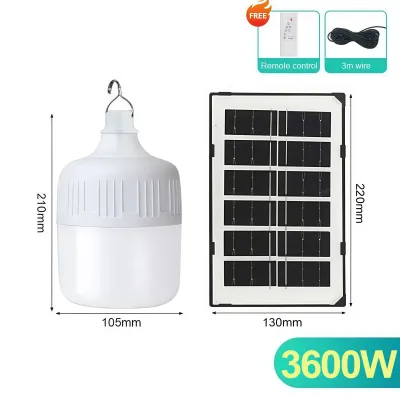
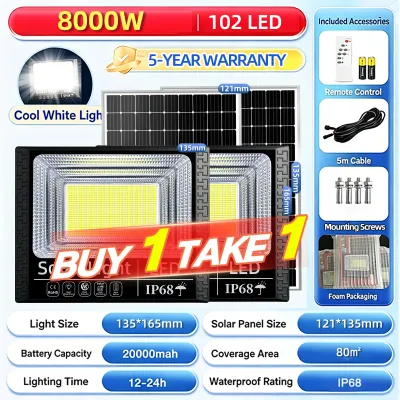
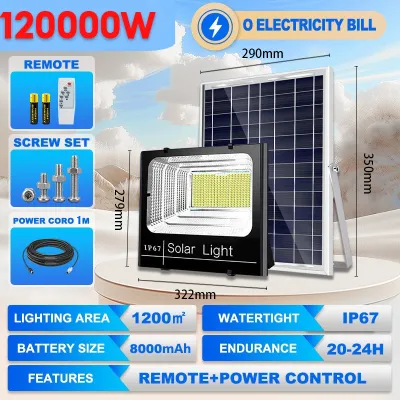
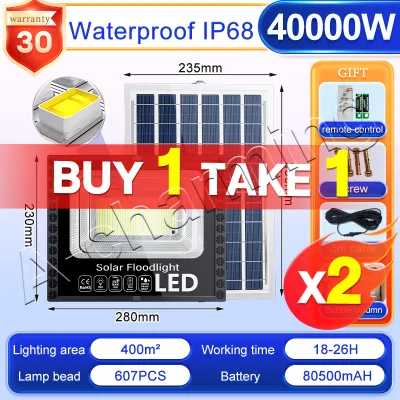
When shopping on local ecommerce platforms, you will encounter two main configurations of solar lighting: integrated and split-design. Integrated models have the solar panel built directly onto the light fixture itself. While convenient for open gardens, they are highly inefficient for covered balconies because placing the light under an overhang means the panel is also shaded. In contrast, split-design models separate the solar panel from the light fixture via a durable, low-voltage cable. This allows you to mount the light deep inside your covered seating area while placing the panel at the very edge of your railing where it can capture maximum ambient light.
Products mentioned in this guide
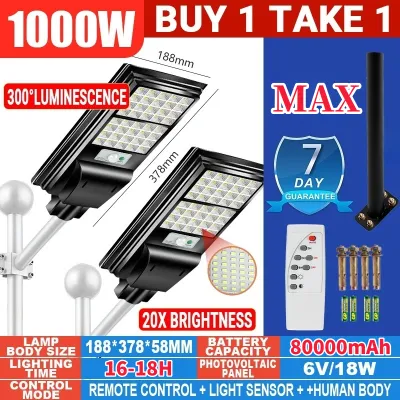
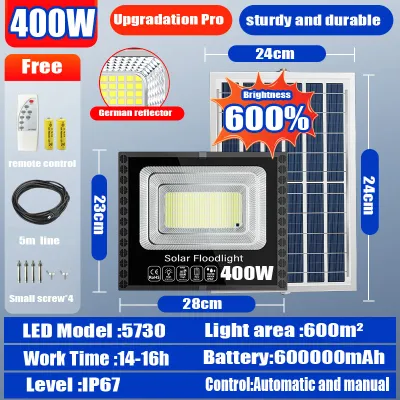
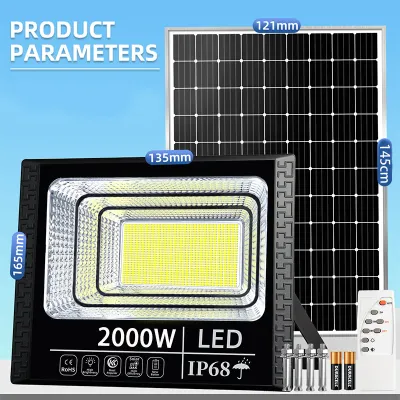
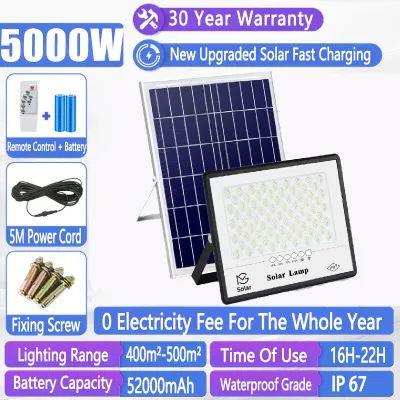
Prices are valid at publication and may change. Please refer to the product page for the latest price.
To ensure your lights charge adequately on overcast days or in partial shade, you must verify the technical specifications of the solar panel and battery system:
- Solar Panel Type: Prioritize monocrystalline solar panels over polycrystalline alternatives. Monocrystalline panels are made from high-purity silicon, allowing them to achieve superior energy conversion rates even under indirect or diffuse sunlight. Polycrystalline panels, recognizable by their speckled blue appearance, are less expensive but require intense, direct sunlight to generate sufficient voltage.
- Battery Capacity and Chemistry: Verify the battery capacity, measured in milliampere-hours (mAh), and the chemistry type. Look for lithium-ion (Li-ion) or lithium iron phosphate (LiFePO4) batteries rather than older nickel-metal hydride (NiMH) options. Li-ion batteries offer higher energy density, charge faster, and handle partial charging cycles much better. Because a shaded balcony may only provide enough sunlight for a partial charge, a larger battery capacity (such as 2000mAh to 4400mAh) acts as a larger reservoir, ensuring the system can store enough power to run for several hours in the evening.
- Voltage, Interface, and Wattage Limits: Always check that the operating voltage of the panel matches the light fixture (typically low-voltage DC, such as 3.7V or 5V). Verify that the connection interface—the plug connecting the panel to the light—uses a threaded, waterproof barrel jack to prevent moisture ingress. Ensure the total wattage of the LED array does not exceed the maximum output wattage limit of the battery and panel system, which can cause rapid draining or premature component failure.
- Electrical Certification: Look for reputable quality marks on the packaging, such as the CE, RoHS, or local import clearance markings. These certifications verify that the electrical components have undergone safety testing for overcharge protection, short-circuit prevention, and thermal stability.
Space-Saving Designs for Small Balcony Layouts
Condo balconies in metropolitan areas like Manila or Cebu are often highly space-constrained, sometimes measuring only a few square meters. Bulky floor lamps or ground-staked lights will clutter your limited floor area and create tripping hazards. To maximize your usable space, you must focus on vertical and perimeter lighting solutions. Before purchasing any fixture, carefully measure your balcony’s railing width, available wall space, and ceiling clearance to ensure a seamless fit.

Railing-Mounted and Clip-On Fixtures
Railing-mounted and clip-on solar lights are excellent for utilizing the perimeter of your balcony without sacrificing floor space. These fixtures attach directly to your balustrade, casting light inward toward your seating area.
- Railing Profile and Thickness: Always measure the thickness and shape of your railing (whether flat, rounded, or square) before selecting a clamp or strap-mounted light. A mismatched mounting bracket can lead to an unstable installation that is easily dislodged by strong winds.
- Glass Balustrade Precautions: Many modern high-rise developments feature tempered glass railings. If your balcony has glass panels, avoid high-tension metal clamps or screw-tightened brackets that apply direct, localized pressure to the glass. Thermal expansion from the tropical heat combined with mechanical stress can cause tempered glass to shatter. Instead, use lightweight, padded strap mounts or heavy-duty, UV-resistant cable ties, and always verify the maximum weight limits specified by your condominium's building administration.
Wall-Mounted and Compact Hanging Options
If your railing is unsuitable for mounting, wall sconces and hanging pendant lights offer excellent alternatives. However, these options require careful consideration of condo guidelines and environmental conditions.
- Condominium Administration Rules: Most property management offices (PMO) in the Philippines strictly prohibit drilling into exterior walls, structural concrete columns, or building facades to protect the building's structural integrity and external waterproofing. Always consult your PMO before planning any installation.
- Adhesive and Tension Alternatives: For renters or those restricted by drilling bans, heavy-duty outdoor adhesive hooks or adjustable tension rods are popular alternatives. However, you must treat these as conditional solutions. The extreme humidity and high ambient temperatures characteristic of the Philippine climate can rapidly degrade standard double-sided adhesives, causing fixtures to fall. If using adhesives, select specialized, outdoor-rated, moisture-resistant mounting tapes, and limit their use to very lightweight plastic fixtures.
- Professional Installation for Fixed Wiring: If you plan to install a fixed-wire solar hybrid system that connects to your home's electrical panel, or if you are hanging heavy suspended loads like a large solar chandelier, you must prioritize safety. Isolate the power source before beginning any electrical work, closely follow the manufacturer's installation instructions, and hire a qualified professional electrician to ensure compliance with local building codes.
Strategic Placement to Maximize Solar Exposure
To get the most out of your solar lights with solar panels in a shaded environment, you must be strategic about where you position the charging unit. A few centimeters can make a significant difference in daily power generation.
- Map the Daily Sunlight Path: Spend a weekend tracking how the sun moves across your balcony. Even a deeply shaded, north-facing balcony might receive 30 to 60 minutes of direct sunlight in a specific corner or along the outermost edge of the railing during the morning or late afternoon. Identify these micro-spots, as they are the ideal locations for your solar panel.
- Utilize Split-Panel Extension Cables: Take full advantage of the split-design configuration. Mount the solar panel in your identified sunny micro-spot—even if that means placing it on the outer side of the railing (securely fastened). Run the thin extension cable back along the railing or ceiling to the light fixture, which can be placed deep inside the shaded seating area. Secure the cable tightly with outdoor-rated zip ties to keep it neat and prevent it from catching on furniture or feet.
- Optimize the Tilt Angle: Angle your solar panel to face the widest, most unobstructed patch of open sky. While a southward tilt of 10 to 15 degrees is standard in the Philippines, the primary goal on a shaded balcony is to avoid overhead obstructions. Ensure the panel is not positioned directly beneath air conditioning condenser units, deep concrete soffits, or large potted plants like palms or snake plants that cast moving shadows as the sun shifts.
Common Sizing and Selection Mistakes to Avoid
Selecting the wrong solar lighting equipment can lead to wasted money, poor performance, or safety hazards. Avoid these common pitfalls when planning your balcony setup:
- Buying Integrated Lights for Covered Areas: Installing an integrated solar light entirely under a concrete balcony ceiling is a guarantee of failure. Without direct sky exposure, the built-in panel cannot generate the necessary voltage to trigger the charging circuit, leaving you with a non-functional fixture.
- Overestimating Lumen Needs: It is easy to assume that more lumens equal better lighting, but high-power security floodlights will create harsh, blinding glare in a small, enclosed balcony. This ruins the cozy outdoor ambiance and can lead to complaints from neighbors. Keep your ambient lighting between 50 to 150 lumens. Note that decorative style, perceived color temperature, and spatial effects are highly subjective preferences; choose what fits your personal comfort rather than treating high brightness as a universal standard of quality.
- Ignoring Panel Dimensions: While a larger solar panel collects more ambient light, a bulky panel can visually clutter a small balcony, block your view, and act as a sail during high winds. Balance the physical dimensions of the panel with your balcony's layout.
- Relying on Generic "Waterproof" Claims: The Philippine climate is notorious for intense monsoon rains and tropical typhoons. Never rely on generic marketing terms like "waterproof." Instead, verify the Ingress Protection (IP) rating. Ensure your outdoor fixtures have an IP rating of at least IP65 (dust-tight and protected against water jets) or IP67 (capable of withstanding temporary immersion) to ensure long-term durability against driving rain and high humidity.
Installation Safety and Maintenance for High-Rise Balconies
Operating outdoor fixtures on a high-rise balcony comes with unique safety responsibilities, particularly regarding wind resistance and routine maintenance.
- Wind Mitigation and Secure Fastening: High-rise balconies are subject to much stronger wind shear than ground-level spaces, especially during typhoon season. A falling solar panel or light fixture can cause catastrophic injury or property damage below. Always secure all hanging lights, solar panels, and loose cables with secondary safety tethers, such as stainless steel wire lanyards or heavy-duty, UV-resistant nylon zip ties. Never rely on simple suction cups, light spring clips, or standard double-sided tape for high-rise installations.
- Routine Panel Cleaning: Dust, vehicle emissions, pollen, and mineral deposits from air conditioning condensation can form a cloudy film over your solar panel. This film can reduce the panel's charging efficiency by 30% or more. Clean the panel surface once a month using a soft, damp microfiber cloth. Avoid abrasive sponges, steel wool, or harsh chemical detergents, as these can scratch the protective glass or plastic coating and permanently reduce light transmission.
- Monitoring Battery Health: High tropical temperatures accelerate battery degradation. If you notice your solar lights only stay illuminated for a fraction of their original runtime despite a clear day of charging, the battery is likely reaching the end of its lifespan. Check the manufacturer's care instructions to see if the battery can be safely replaced. If the battery is sealed and non-replaceable, do not attempt to force the casing open; instead, dispose of the unit safely at an authorized e-waste collection center.
Frequently Asked Questions (FAQ)
Can solar lights charge on a balcony that only gets indirect sunlight?
Yes, solar panels can generate electricity from indirect, ambient, or diffuse daylight, but their charging efficiency is significantly reduced compared to direct sunlight. A high-quality monocrystalline solar panel is essential in these conditions, as it is designed to harvest energy more effectively under overcast skies. Expect longer charging times and slightly shorter runtimes in the evening. For balconies with absolutely zero direct exposure, look for hybrid solar models that allow for manual USB charging as a backup.
Are there solar lights that plug into a standard outdoor outlet as a backup?
Yes, these are commonly referred to as hybrid solar lights. They feature a primary solar panel for daily charging but also include a USB port or a standard AC plug adapter. This design is highly practical for the Philippine monsoon season, allowing you to bring the light unit or its detachable battery pack indoors to charge via a standard wall outlet when solar charging is insufficient. If you use a backup charger on your balcony, ensure your outdoor outlet is properly grounded, equipped with a weatherproof, IP-rated cover, and approved by your condominium’s management.
How do I clean solar panels on high-rise balconies safely?
Safety must be your absolute priority when cleaning high-rise fixtures. Never lean over the balcony railing, stand on unstable chairs, or climb onto step stools near the edge to reach a solar panel. Instead, use an extendable, soft-bristled cleaning pole or a microfiber squeegee designed for windows. If a solar panel is mounted in an unreachable or hazardous position outside the railing, do not attempt to clean it yourself; either hire a professional maintenance service or relocate the panel to a safer, more accessible location within the interior perimeter of your balcony.

Community discussion
Share your experience or ask a question. Comments are reviewed before publication.