
Selecting the right solar step lights for outdoor stairs in the Philippines requires balancing illumination needs with the demands of a tropical climate. High humidity, intense seasonal heat, and torrential monsoon rains mean that standard decorative lights may not provide the durability or safety required for outdoor staircases. To find the ideal fixtures, homeowners must evaluate their specific staircase structure, assess daily sunlight exposure, and verify key technical specifications on product labels.
By focusing on weatherproofing, secure mounting, and appropriate light output, you can ensure your outdoor stairs remain safe and well-lit throughout the year. This guide outlines the essential factors to consider when choosing, installing, and maintaining solar step lights for your home.
How to Choose Solar Step Lights for Your Outdoor Stairs
Assessing your staircase environment is the first step before browsing online marketplaces or local home improvement stores. The material of your stairs plays a significant role in how light reflects and how the fixtures must be mounted. Concrete and masonry steps, which are highly common in local residential architecture, absorb heat during the day and require masonry anchors for secure drilling. Wooden stairs, often made of local hardwoods, are easier to drill but require careful sealing around screw holes to prevent water rot. The texture and color of your stairs also affect visibility; lighter concrete reflects more ambient light, while dark wood or slate absorbs it, requiring brighter fixtures for the same level of safety.
Products mentioned in this guide
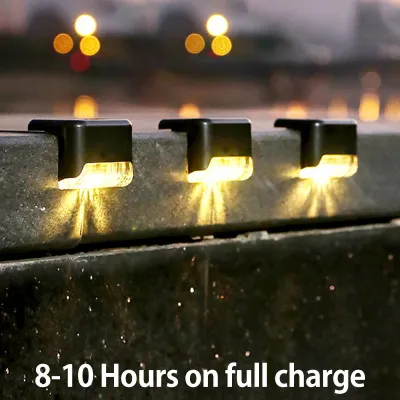
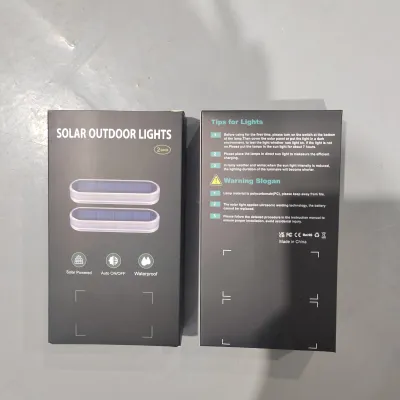
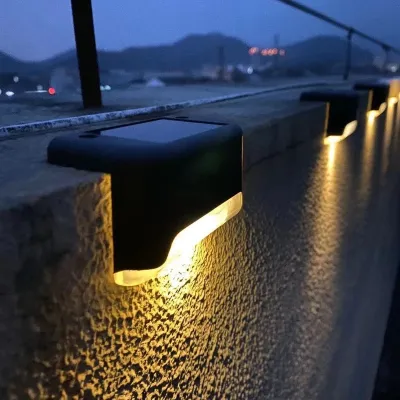
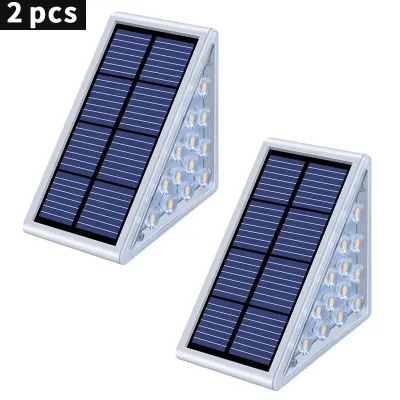
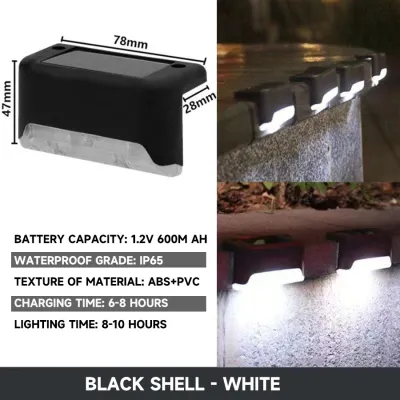
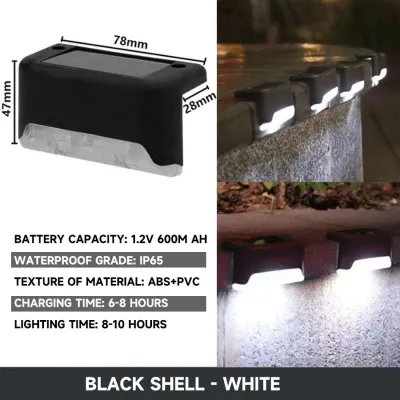
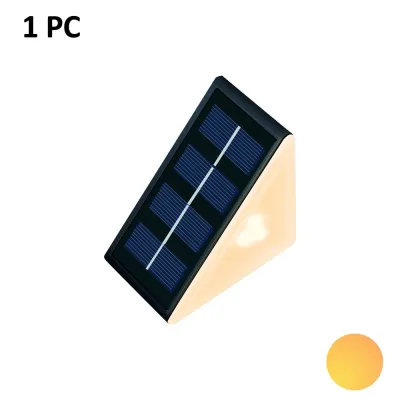
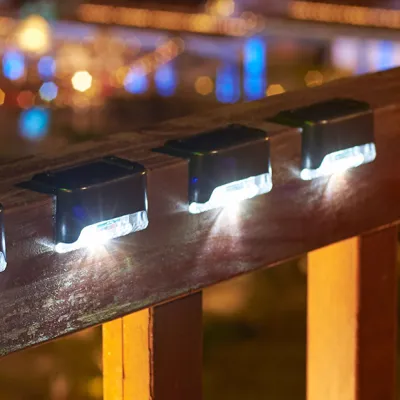
Prices are valid at publication and may change. Please refer to the product page for the latest price.
Determining your primary lighting goal helps narrow down the design of the fixtures. Safety illumination must clearly define the edge of each step, known as the tread nosing, to prevent slips and falls in the dark. This usually requires fixtures that cast a direct downward beam onto the step below. Ambient decorative lighting, on the other hand, focuses on creating a warm, welcoming atmosphere along the sides of the staircase. It highlights the architectural lines of your garden or patio without casting harsh shadows, making it ideal for outdoor entertainment areas.
Evaluating sunlight exposure around your staircase is critical for ensuring your lights charge fully. Solar step lights rely entirely on their built-in solar panels to harvest energy during the day. In tropical climates, the sun’s angle changes significantly between the wet and dry seasons. Additionally, roof overhangs, high perimeter walls, and tropical foliage can block direct sunlight from reaching low-lying steps. Before purchasing, observe your staircase at various times of the day to identify shaded areas. If the steps remain shaded for most of the afternoon, you may need to look for solar lights with detached solar panels that can be mounted higher up where sunlight is unobstructed.
Types of Solar Step Lights by Installation Method
The physical design of your staircase dictates which installation method is most practical. Modifying existing concrete steps is vastly different from planning a new outdoor deck. Understanding the three primary installation types—surface-mounted, recessed, and handrail-mounted—helps you select the right form factor based on your DIY skills and structural limitations.

Surface-Mounted and Corner Lights
Surface-mounted fixtures are the most popular choice for retrofitting existing outdoor stairs. These lights sit directly on top of the step tread, against the riser, or along the side walls of the staircase. Because they do not require deep cutouts, they can be installed quickly using screws or heavy-duty outdoor adhesives.
When choosing surface-mounted lights, pay close attention to the mounting method. While double-sided outdoor mounting tape is convenient, the high humidity and intense heat of the tropical climate can cause adhesives to degrade over time, leading to loose fixtures. Screw-mounting is highly recommended for a permanent, secure hold on both wood and concrete.
Another critical factor is the physical profile of the light. On narrow steps, bulky fixtures can become tripping hazards. Look for low-profile designs or corner-mounted lights that sit flush against the junction of the tread and riser, keeping the walking path completely clear.
Recessed and In-Ground Step Lights
Recessed solar lights offer a sleek, modern aesthetic by sitting completely flush with the stair surface. These are highly desirable for new construction projects or major outdoor renovations where you can plan the cutouts in advance.
Because these fixtures are embedded directly into the stair structure, precise planning is required. Always verify the required cutout dimensions, depth, and clearance on the product label before cutting into your steps. Making a mistake in concrete or stone can be difficult and costly to repair.
Water management is the biggest challenge for recessed installations. Since these lights are flush with the ground or step surface, rainwater can easily pool around them. It is essential to check the Ingress Protection (IP) rating on the packaging to ensure the fixture is rated to handle temporary submersion and heavy water runoff.
Handrail and Post-Mounted Lights
If your staircase features existing railings or balustrades, handrail and post-mounted solar lights offer an excellent alternative. Instead of illuminating the steps from the ground up, these fixtures mount at waist or chest height, casting a broader downward glow over the entire walking area.
Before purchasing, check the mounting bracket specifications. Ensure the clamps or screws are compatible with your railing’s diameter and material, whether it is wrought iron, wood, or stainless steel.
The primary advantage of elevated mounting is improved sunlight access. Because these lights sit higher off the ground, their solar panels are less likely to be shaded by low-lying plants or the steps themselves. This makes them highly efficient at charging, even on partially cloudy days.
Key Performance Features to Check Before Buying
When browsing product options, technical specifications are your best guide to quality. Understanding how to interpret these details prevents buying fixtures that fail after the first heavy rain.
- Lumens and Color Temperature: Lumens measure the total amount of visible light emitted by a source. For safety lighting on outdoor stairs, look for fixtures that provide clear, focused illumination without blinding those walking up. Color temperature, measured in Kelvin (K), determines the appearance of the light. Cool white light (5000K to 6500K) offers high contrast and is excellent for visibility and security. Warm white light (2700K to 3000K) creates a softer, more relaxing ambiance that complements natural wood and stone textures.
- Weather Resistance (IP Ratings): The IP rating consists of two numbers: the first indicates protection against solid objects like dust, and the second indicates protection against liquids. For the Philippine climate, where heavy monsoon rains and typhoons are common, outdoor step lights should have a minimum rating of IP65. This ensures the internal electronics are protected against dust ingress and low-pressure water jets from any direction. For recessed or ground-level lights where water might pool, look for an IP67 rating, which protects against temporary immersion.
- Battery Type and Replaceability: Solar lights store energy in rechargeable batteries, typically Nickel-Metal Hydride (NiMH) or Lithium-ion (Li-ion). Check the product specifications to see if the battery is user-replaceable. Built-in batteries that cannot be replaced mean the entire fixture must be discarded once the battery degrades. Choosing fixtures with standard, accessible battery compartments allows you to swap out old batteries after a few years, significantly extending the lifespan of your lighting system.
- Sensor Types: Most solar step lights feature built-in sensors to manage power consumption. Dusk-to-dawn sensors automatically turn the lights on at sunset and off at sunrise, providing continuous low-level illumination throughout the night. Motion-activated sensors keep the lights off or at a very dim level until movement is detected, at which point they brighten to full capacity. Motion sensors are highly effective for conserving battery power, especially during consecutive rainy days when solar charging is limited.
Installation and Safety Considerations for Outdoor Use
Proper installation is key to ensuring both the safety of your staircase and the longevity of your solar lights. Taking shortcuts during setup can lead to loose fixtures, damaged steps, or water damage.
- Preparing the Mounting Surface: Before installing any fixture, thoroughly clean the mounting area to remove dirt, moss, algae, and loose debris. If you are using adhesives, ensure the surface is completely dry. Moisture trapped behind a fixture can prevent proper bonding and encourage mold growth.
- Drilling into Masonry or Stone: When mounting lights on concrete or stone steps, always use a hammer drill equipped with the correct masonry drill bits. Standard wood or metal bits will dull quickly and can crack the concrete. Insert plastic wall anchors into the drilled holes before driving in the screws to ensure a tight, secure fit that won't loosen over time.
- Electrical Boundaries: Purely solar-powered step lights are self-contained and do not require connection to your home's electrical grid. This makes them safe for DIY installation. However, if you encounter existing low-voltage wiring or conduit while drilling into your stairs, stop immediately. Do not attempt to cut or modify existing electrical lines without isolating the power source first.
- When to Consult a Professional: While solar light installation is generally a straightforward DIY project, certain scenarios require professional expertise. If your staircase is exceptionally high, requires structural modifications to load-bearing walls, or if you are unsure about drilling into reinforced concrete, consult a qualified contractor or electrician to ensure structural integrity and safety.
Maintenance Tips to Keep Your Solar Lights Working
Regular maintenance is essential to keep your solar step lights operating at peak efficiency, especially in tropical environments where dust, humidity, and organic growth accumulate quickly.
- Cleaning the Solar Panel: Over time, a thin layer of dust, pollen, and debris can build up on the solar panel, blocking sunlight and reducing charging efficiency. Wipe the panels clean at least once a month using a soft, damp microfiber cloth. Avoid using abrasive cleaners or rough scrubbing pads, as scratches on the panel surface will permanently reduce its ability to absorb light.
- Battery Care: Rechargeable batteries naturally lose their capacity over time. If you notice your step lights are dimming much earlier in the night than usual, it may be time to replace the batteries. Always consult the manufacturer's manual for the correct battery specifications and replacement procedures. Ensure the battery compartment seal is properly aligned when closing it to maintain water resistance.
- Seasonal Checks: The transition between the dry season and the wet season brings drastic changes in weather. After heavy rains, typhoons, or strong winds, perform a quick inspection of your outdoor lights. Check for any signs of water ingress inside the lens, ensure the mounting screws remain tight, and clear away any fallen leaves or branches that might be shading the solar panels.
Frequently Asked Questions (FAQ)
Do solar step lights work during the rainy season?
Yes, solar step lights will still function during the rainy season, but their performance will be affected. Solar panels do not require direct sunlight to charge; they can harvest energy from diffuse daylight on cloudy or overcast days. However, the charging rate will be significantly lower, resulting in shorter runtimes at night. To ensure your stairs remain illuminated during prolonged rainy periods, choose fixtures with motion-sensor modes that conserve battery power by only brightening when someone is actively using the stairs.
Can I use indoor solar lights on my outdoor stairs?
No, you should never use indoor-rated solar lights on outdoor stairs. Indoor fixtures lack the necessary weatherproofing, UV-resistant plastics, and robust seals required to withstand outdoor elements. Rain, high humidity, and direct sunlight will quickly damage the internal electronics, causing the light to fail and potentially creating a safety hazard. Always check the product packaging or manufacturer’s label to verify that the light is explicitly rated for outdoor use and features an appropriate IP rating.

Community discussion
Share your experience or ask a question. Comments are reviewed before publication.