
Souvenir-style lampshades bring a sense of travel, culture, and artistry into a home, but choosing one for a bedside table requires balancing aesthetics with practical bedroom lighting needs. A bedside lamp serves a highly functional purpose, providing soft ambient light for winding down or focused illumination for reading. When selecting a souvenir lampshade—whether it is a woven piece from a tropical market or an intricate shell design—you must evaluate how its size, material, and light-filtering properties interact with your sleeping space.
The ideal bedside souvenir lampshade harmonizes with your table’s dimensions, diffuses light without harsh glare, and safely accommodates modern bulb specifications. By focusing on structural integrity, material behavior in humid climates, and proper scale, you can transform a decorative keepsake into a safe, functional, and beautiful focal point for your bedroom.
Sizing and Proportions for Bedside Tables
Finding the correct proportions for a bedside table lamp is essential for both visual balance and physical comfort. A lampshade that is too large can overwhelm a small nightstand, leaving little room for essentials like books, glasses, or a phone. Conversely, a shade that is too small will look lost and fail to provide adequate light distribution. To achieve a balanced look, start by measuring the surface area of your bedside table. As a general rule, the widest part of the lampshade should not exceed the width of the table surface, and it should ideally leave at least a few inches of clearance on all sides to prevent accidental bumps when reaching out in the dark.
Products mentioned in this guide
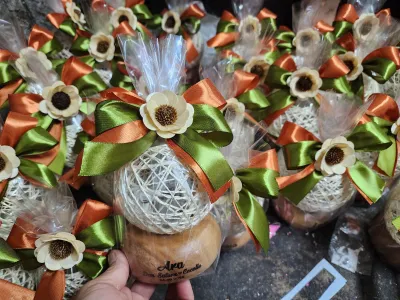
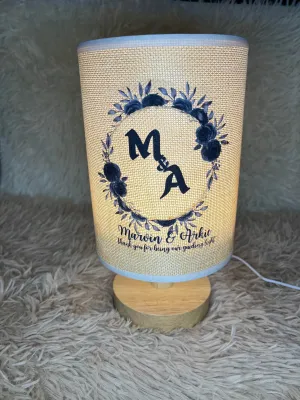
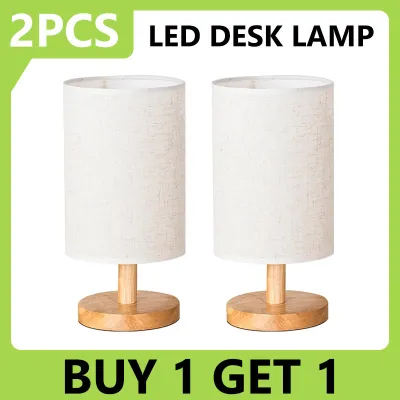
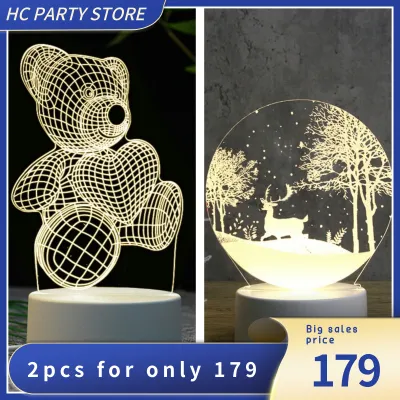
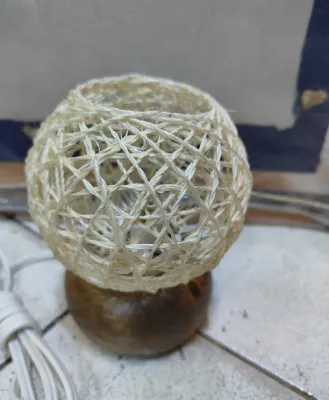
Prices are valid at publication and may change. Please refer to the product page for the latest price.
Height is another critical factor that directly impacts your comfort. When you are sitting or lying in bed, the bottom of the lampshade should align roughly with your eye level. This positioning ensures that the bulb remains hidden from direct view, preventing harsh glare that can disrupt your evening relaxation or strain your eyes. If the lamp is too tall, the exposed bulb will shine directly into your eyes; if it is too short, the light cast will be too narrow to read by comfortably. Measure the height of your nightstand relative to your mattress, and use these coordinates to determine the ideal height range for your lamp base and shade combination.
The shape of the lampshade also plays a significant role in determining its visual weight and how light is distributed across the bed. Drum shades, with their vertical sides, offer a modern, clean look and distribute light equally upward and downward, making them excellent for general ambient lighting. Cone and empire shades flare outward at the bottom, directing more light downward onto the table surface, which is highly beneficial for reading. However, flared shades have a wider footprint, so you must verify that the bottom diameter does not overhang the edge of your nightstand. Consider how these different geometries occupy the physical and visual space next to your headboard before making a final selection.
Material and Craftsmanship Considerations
Souvenir lampshades are celebrated for their unique materials and artisanal craftsmanship, but these decorative qualities must be weighed against practical bedroom requirements. Different materials interact uniquely with light, heat, and environmental factors like humidity. Before purchasing, it is vital to assess how a material behaves over time and to inspect the underlying structural framework that supports the decorative exterior.

Natural and Woven Materials (Rattan, Bamboo, Abaca)
Natural woven materials such as rattan, bamboo, and abaca are popular souvenir choices that bring an organic, tropical warmth to a bedroom. The appeal of these materials lies in their texture and the unique way they filter light. However, the density of the weave is a crucial factor to analyze. A very loose, open weave will project dramatic, high-contrast shadow patterns onto your bedroom walls. While this can create a beautiful, artistic atmosphere, it may prove distracting or insufficient if you rely on the lamp for focused reading. For a bedside setup, look for tighter weaves that diffuse light more evenly while still showcasing the natural fibers.
In tropical or humid environments, natural fibers require careful maintenance to prevent deterioration. Bedrooms that alternate between air conditioning and natural ventilation can trap moisture within the organic fibers, making them susceptible to mold or mildew. When selecting a woven souvenir shade, inspect the fibers to ensure they have been properly treated, sealed, or varnished to resist moisture absorption. Regular dusting and occasional placement in a well-ventilated, dry area will help preserve the material’s color and structural integrity over the years.
Additionally, you must verify the quality of the internal wireframe or structural skeleton. Natural fibers can warp, sag, or lose their shape over time if they are not supported by a sturdy metal frame. Gently press on the sides of the lampshade to check for stability. The frame should be securely welded and coated to prevent rust, especially in humid climates where exposed metal can quickly degrade and stain the surrounding woven material.
Shell, Glass, and Ceramic Options (Capiz, Stained Glass)
For a more polished or classic aesthetic, souvenir lampshades crafted from Capiz shells, stained glass, or ceramic offer stunning light-filtering properties. Capiz shells, native to coastal regions of the Philippines, are naturally translucent and emit a soft, pearlescent glow that is exceptionally soothing for a bedroom environment. Stained glass shades, often inspired by traditional or regional motifs, color the light to create a warm, cozy ambiance. These materials excel at softening the harshness of a bulb, transforming it into a gentle, decorative glow.
However, these rigid materials are inherently fragile and require careful placement. Bedside tables are high-traffic zones where you might reach blindly for an alarm clock or a glass of water. A heavy stained glass or delicate Capiz shell shade can easily chip, crack, or shatter if bumped. If you choose these materials, ensure the lamp base is heavy and stable enough to prevent tipping. It is also wise to position the lamp toward the back or corner of the nightstand, away from the immediate path of your hands.
Furthermore, pay close attention to the durability of any surface treatments, painted motifs, or delicate shell inlays. Hand-painted souvenir shades or glued shell segments can be sensitive to heat, sunlight, and moisture. Over time, direct exposure to sunlight from a nearby window can fade vibrant pigments, while high humidity can weaken adhesives. Inspect the craftsmanship to ensure that inlays are securely bound and that painted designs are protected by a clear, heat-resistant protective coat.
Lighting Quality and Bulb Compatibility
The performance of your bedside lamp depends heavily on matching the souvenir lampshade with the correct light bulb. To enhance the natural beauty of materials like warm rattan, golden abaca, or pearlescent Capiz shells, select a bulb with a warm color temperature, typically between 2700K and 3000K. Warm white light complements the earthy tones of organic materials and creates a relaxing, sleep-conducive atmosphere. Avoid cool white or daylight bulbs, as they can make natural materials look washed out, cold, and clinical.
Safety must always be your primary concern, particularly when dealing with combustible natural materials or delicate hand-crafted shades. Every lampshade or lamp base should have a manufacturer’s label indicating the maximum wattage limit. Exceeding this limit can cause heat to build up within the shade, leading to scorching, discoloration, or even a fire hazard. Because woven fibers and paper linings are flammable, it is highly recommended to pair them with modern LED bulbs. LEDs emit very little heat compared to traditional incandescent bulbs, significantly reducing thermal risks while consuming less energy.
Before finalizing your purchase, confirm that the bulb socket interface matches your lamp base—most commonly E27 or E26 in residential setups. Additionally, check the physical shape and size of the bulb relative to the lampshade’s internal clearance. The bulb should sit centrally within the shade, with ample space between the glass surface of the bulb and the inner walls of the lampshade. If the bulb is too large or positioned off-center, it can create hot spots on the shade, damaging delicate materials or causing uneven light distribution.
Style Integration and Cultural Motifs
Integrating a souvenir lampshade into your bedroom decor requires a thoughtful approach to design harmony. Souvenir items often feature bold cultural patterns, regional symbols, or vibrant colors that reflect their place of origin. To prevent the bedroom from feeling cluttered or visually chaotic, analyze the existing color palette of your room. Choose a lampshade whose dominant colors or accent tones match or complement your bedding, curtains, or wall paint. This creates a cohesive visual thread that ties the unique piece into the rest of the space.
Because souvenir lampshades are often highly detailed and visually intricate, pairing them with the right lamp base is crucial. A busy, heavily decorated base paired with an equally complex shade can create visual conflict. Instead, opt for neutral-colored lamp bases made of simple materials like matte ceramic, brushed metal, or plain wood. Minimalist hardware allows the unique craftsmanship of the souvenir shade to stand out as the primary design element without competing for attention.
To maintain a sophisticated bedroom environment, avoid over-theming the space. If your lampshade features a distinct tropical or coastal motif, you do not need to fill the entire room with matching themed decor. Treat the souvenir lampshade as a deliberate focal point—a conversation piece that tells a story of travel and appreciation for craftsmanship. Surrounding it with clean lines and understated furniture will highlight its unique character and elevate the overall design of your bedroom.
Pre-Purchase Checklist and Safety Checks
Before purchasing a souvenir lampshade, especially when buying from local artisan markets or online platforms, conducting a thorough safety and quality check is essential. Start by inspecting the product for clear electrical specification labels. Look for manufacturer safety instructions, voltage ratings, and certifications that verify the wiring and socket assembly meet local safety standards. If you are buying a shade separately to fit an existing base, ensure the fitter type (such as a spider, uno, or clip-on fitter) is fully compatible with your lamp’s hardware.
Next, examine the interior construction of the lampshade. High-quality shades often feature a fire-retardant inner lining, usually made of specialized plastics or treated fabrics, which acts as a barrier between the heat of the bulb and the decorative outer material. If the shade lacks a protective lining—as is common with some rustic, hand-woven pieces—ensure there is generous physical clearance for heat dissipation. You must commit to using only low-wattage, low-heat LED bulbs in such fixtures to maintain a safe sleeping environment.
Finally, review the return and exchange policies of the retailer, particularly if you are purchasing online. Souvenir items can be fragile and are susceptible to transit damage if not packaged securely. Furthermore, online photos can sometimes misrepresent the true scale or color of a handmade item. Ensuring that the seller offers a reliable return or replacement policy protects your investment, especially when spending several thousand ₱ on a premium handcrafted piece, in case the lampshade arrives damaged or does not fit your bedside table as expected.
Frequently Asked Questions (FAQ)
Can I use a high-wattage bulb in a woven souvenir lampshade?
No, you should avoid using high-wattage incandescent or halogen bulbs in woven souvenir lampshades. Natural materials like rattan, bamboo, and abaca are combustible and can dry out, discolor, or even ignite if exposed to excessive heat over prolonged periods. Always locate the manufacturer’s maximum wattage label on the lamp socket or shade frame and strictly adhere to it. To achieve bright illumination safely, use low-heat LED bulbs, which provide high light output (measured in lumens) while drawing very low wattage and generating minimal heat.
How do I clean delicate capiz shell or painted lampshades?
To clean delicate Capiz shell or hand-painted lampshades, always unplug the lamp and allow the bulb to cool completely before starting. Avoid using chemical solvents, abrasive cleaners, or harsh detergents, as these can strip the natural luster of the shells or dissolve painted motifs. Instead, use a soft, dry microfiber cloth or a static duster to gently remove surface dust. For stubborn dirt on Capiz shells, you may use a slightly damp cloth with plain water, wiping very gently and drying the surface immediately with a clean towel to prevent moisture from seeping into the joints.

Community discussion
Share your experience or ask a question. Comments are reviewed before publication.