
Living in a modern condominium in the Philippines often means balancing stylish interior design with the realities of limited vertical space. With typical condo ceiling heights ranging from 2.4 to 2.7 meters, traditional hanging light fixtures like chandeliers or low-hanging pendants can quickly make a room feel cramped and visually cluttered. Taller residents and guests might even find these fixtures physically intrusive, creating an uncomfortable living environment.
To preserve precious headroom while maintaining a bright, modern aesthetic, spotlight flush mount lights have emerged as a highly effective solution. These fixtures mount directly against the ceiling surface, minimizing their physical footprint while delivering powerful, directed illumination. By choosing the right spotlight flush mounts, you can elevate your condo’s interior design, highlight key architectural features, and ensure every corner of your home is perfectly lit.
Why Spotlight Flush Mounts Suit Low Ceilings
Preserving vertical clearance is the primary advantage of installing flush mount spotlights in a low-ceiling condo. Unlike semi-flush fixtures or pendant lights that extend downward into the living space, flush mounts hug the ceiling plane. This low-profile design keeps the sightlines open, which visually expands the room and makes the entire living area feel more spacious and airy.
Products mentioned in this guide
![[Ship From Local]DingDian LED 1W 3W Mini Ceiling Mount LED Ceiling Spotlight Dimmable Adjustable Spotlight for Display Ceiling Light for Background WallArt WorkHeadboard Picture](https://img.lazcdn.com/g/p/f60a24f6cf7b552c133ff8fa6bd9afc4.jpg_400x400q80.jpg_.webp)
Prices are valid at publication and may change. Please refer to the product page for the latest price.
Beyond saving physical space, spotlight-style flush mounts offer exceptional functional benefits through directional beam control. Standard flush mount lights typically scatter light in all directions, which can wash out a small room and create a flat, uninspiring atmosphere. Spotlights, however, allow you to direct light precisely where it is needed, creating depth, contrast, and a more dynamic visual environment.
The visual weight of a light fixture plays a crucial role in how large or small a room feels. Bulky, ornate fixtures draw the eye downward, emphasizing the low ceiling height. In contrast, minimalist spotlight flush mounts blend seamlessly into the ceiling surface, reducing visual clutter and allowing other design elements, such as artwork or furniture, to take center stage.
Core Selection Criteria for Condo Lighting
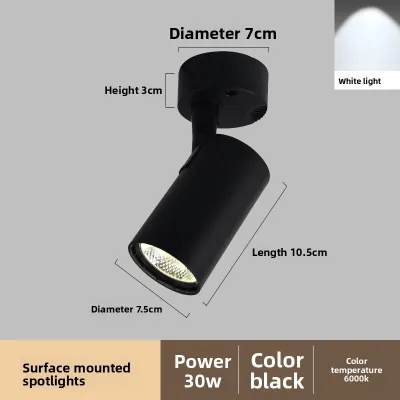
Selecting the right spotlight flush mount requires a careful evaluation of both physical dimensions and technical specifications. The first factor to consider is the profile thickness of the fixture housing. In many Philippine condominiums, ceilings are constructed from solid concrete slabs, meaning there is no hollow ceiling cavity to accommodate recessed housings. For these structures, surface-mounted spotlight fixtures with a shallow housing depth are essential, as they do not require deep drilling or structural modifications.

Beam angle selection is another critical decision that dictates how light is distributed throughout your space. A narrow beam angle, typically between 15 and 24 degrees, creates a concentrated pool of light that is perfect for highlighting artwork, decorative niches, or architectural details. A medium beam angle, ranging from 36 to 45 degrees, is highly effective for task lighting over kitchen counters or study desks. For general ambient illumination, a wide flood beam angle of 60 degrees or more is recommended to ensure even light distribution across the room.
Understanding brightness and color temperature is vital for creating the right ambiance in a tropical climate. Brightness is measured in lumens, and you should calculate the total lumens required based on the square footage of each room. Color temperature, measured in Kelvin (K), significantly influences the mood of a space. Warm white light (2700K to 3000K) mimics the cozy glow of traditional incandescent bulbs, making it ideal for bedrooms and living areas. Neutral white light (4000K) offers a clean, natural daylight appearance that enhances focus and visibility in kitchens, bathrooms, and home offices.
Electrical compatibility is a non-negotiable safety consideration when purchasing lighting fixtures. In the Philippines, the standard electrical system operates at 220V to 240V at a frequency of 60Hz. Always verify that any fixture you purchase is rated for this specific voltage and frequency to prevent electrical hazards, overheating, or premature component failure. Additionally, check the type of junction box installed in your ceiling; standard circular or octagonal utility boxes are common, and your new fixture’s mounting bracket must align with these existing screw holes. Finally, if you plan to use dimmable lights, ensure your wall switch is compatible with the specific dimming technology used by the fixture’s LED driver, such as trailing-edge or electronic low-voltage (ELV) dimmers.
Conditional Shortlist: Matching Features to Room Needs
Different zones within a condominium serve distinct purposes, meaning a one-size-fits-all lighting approach will rarely yield the best results. In high-activity areas like the kitchen and dedicated workspaces, visibility and safety are the top priorities. These spaces benefit most from high-lumen spotlight flush mounts with neutral white light (4000K) and focused beam angles. Multi-light fixtures with individually adjustable heads are particularly useful here, as they allow you to direct light simultaneously toward food preparation areas, the sink, and storage cabinets.
For living areas and bedrooms, flexibility and comfort are paramount. These rooms require a softer, more inviting atmosphere that can adapt to different times of day. Opt for adjustable spotlight flush mounts with wider beam angles and warm white light (2700K to 3000K) to create a relaxing environment. Integrating dimmable fixtures in these spaces is highly recommended, allowing you to easily transition from bright, functional daytime lighting to a cozy, low-light setting for evening relaxation or movie nights.
Hallways, entryways, and walk-in closets present unique spatial challenges that require ultra-compact lighting solutions. Because these areas often feature narrow passages and swinging doors, fixtures must have an extremely low profile to prevent accidental contact. Choose fixed, wide-beam spotlight flush mounts that distribute light evenly across the floor without creating harsh shadows. For added convenience and energy efficiency, consider pairing these fixtures with motion-sensor switches that automatically illuminate the path when you enter.
To help you plan your condo’s lighting layout, the following comparison table outlines the recommended specifications for each key living zone:
| Room Type | Recommended Beam Style | Color Temperature | Profile Limit (Height) |
|---|---|---|---|
| Kitchen / Workspace | Focused / Multi-directional | 4000K (Neutral White) | Under 15 cm |
| Living / Bedroom | Adjustable / Wide Flood | 2700K – 3000K (Warm White) | Under 12 cm |
| Hallway / Entryway | Fixed / Wide Flood | 3000K – 4000K | Under 8 cm |
Installation and Safety Checks for Condo Ceilings
Installing new light fixtures in a condominium requires careful preparation and strict adherence to safety protocols. Before purchasing any heavy or complex fixture, verify the weight limit and structural integrity of your ceiling’s junction box. In concrete slab ceilings, the junction box is typically cast directly into the concrete, providing a highly stable mounting point. However, securing the mounting bracket to the concrete requires specialized masonry drill bits and expansion anchors rather than standard plastic wall plugs, which can fail under tension.
Always consult your condominium association’s guidelines and building administration before initiating any electrical modifications. Many condo developments have strict rules regarding drilling into structural concrete slabs, as improper drilling can damage post-tension cables, embedded electrical conduits, or plumbing lines. You may need to submit a work permit application and coordinate with the building’s maintenance team before starting the installation.
Knowing when to hire a licensed electrician is crucial for maintaining safety and compliance with local electrical codes. If your installation involves running new wiring, relocating a junction box, upgrading old wiring, or resolving compatibility issues with dimmer switches, professional assistance is highly recommended. Working with 220V electrical systems carries significant risks of severe electrical shock, short circuits, and electrical fires if the work is not performed to professional standards.
If you are comfortable performing a basic fixture replacement yourself, always prioritize safety by turning off the power at the main circuit breaker panel. Do not rely solely on the wall switch to cut the power, as some wiring configurations may leave the hot wire live even when the switch is in the off position. Use a reliable non-contact voltage tester to confirm that no electrical current is flowing through the wires before touching them. Ensure you have the necessary tools on hand, including insulated screwdrivers, wire strippers, electrical tape, wire connectors, and safety goggles to protect your eyes from falling debris.
Maintenance and Longevity
Proper maintenance is essential for preserving the light output, appearance, and operational lifespan of your spotlight flush mounts. Over time, dust, airborne particles, and cooking grease—especially in open-concept condo layouts—can accumulate on the lenses and housings of your fixtures. To clean them safely, turn off the power and allow the fixtures to cool completely, then gently wipe the surfaces with a dry or slightly damp microfiber cloth. Avoid using harsh chemical solvents, abrasive cleaners, or rough scrubbing pads, as these can scratch optical lenses or damage protective coatings on the metal housing.
In the warm and humid tropical climate of the Philippines, heat dissipation is a critical factor in the longevity of LED fixtures. While LEDs generate significantly less heat than traditional halogen bulbs, their internal electronic drivers are highly sensitive to elevated temperatures. Ensure that your flush mount fixtures are installed in well-ventilated areas and are not tightly enclosed by decorative trim or insulation that could trap heat. Allowing adequate airflow around the fixture housing helps prevent thermal stress, ensuring the electronics operate within their safe temperature limits.
Regularly inspect your lighting fixtures for early signs of component degradation or failure. Common indicators of a failing LED driver or worn-out diodes include persistent flickering, audible buzzing sounds, delayed turn-on times, or a noticeable shift in color temperature over time. Addressing these issues promptly by replacing the bulb or the driver not only restores optimal lighting quality but also prevents potential damage to your home’s electrical circuits.
Frequently Asked Questions (FAQ)
Can I install a dimmable spotlight flush mount on any condo switch?
No, you cannot safely install a dimmable spotlight flush mount on a standard, non-dimmable wall switch or an older dimmer designed for incandescent bulbs. Modern LED spotlight fixtures require compatible dimming technology, typically trailing-edge or electronic low-voltage (ELV) dimmers, to function smoothly. Using an incompatible dimmer switch can lead to severe flickering, buzzing noises, reduced dimming range, and permanent damage to the fixture’s internal LED driver. Always check the manufacturer’s specifications for both the light fixture and the dimmer switch to ensure complete compatibility before installation.
How close to the ceiling should a flush mount spotlight be?
A true flush mount spotlight is designed to sit directly against the ceiling surface, leaving no visible gap between the fixture housing and the ceiling plane. However, you must ensure there is sufficient physical clearance inside the junction box to accommodate the fixture’s wiring, wire connectors, and any internal driver components without pinching or crushing them. Forcing components into an overcrowded junction box can damage wire insulation, create short circuits, and trap heat. Always adhere to the manufacturer’s specified clearance and installation depth requirements to ensure a safe and secure fit.
Do spotlight flush mounts provide enough light for a whole room?
While a single spotlight flush mount can provide excellent focused illumination for a specific task or accent area, it is rarely sufficient to light an entire room on its own. Because spotlights produce directional beams rather than scattered ambient light, relying on a single fixture can create harsh shadows and leave the rest of the room feeling dark and uninviting. To achieve balanced illumination in a low-ceiling condo, it is best to layer your lighting by combining multiple spotlight fixtures in a grid layout, using track-style flush mounts, or pairing spotlights with ambient light sources like LED strip lights in cove ceilings.

Community discussion
Share your experience or ask a question. Comments are reviewed before publication.