
Condominium living in the Philippines offers modern convenience, but it often comes with architectural constraints, most notably limited ceiling heights. Standard residential units in high-rise developments across Metro Manila and other urban hubs typically feature ceiling clearances ranging from 2.4 to 2.7 meters. In these compact spaces, traditional hanging fixtures like chandeliers or low-hanging pendants can make rooms feel cramped and present physical hazards. Selecting a square flush mount light—often referred to in local trade as a “pin light square type 3 color” when looking for compact, low-profile, or recessed options—is an excellent way to maximize vertical space. By sitting tight against the ceiling, these fixtures preserve headroom, distribute light evenly, and offer the flexibility of adjustable color temperatures to suit different times of day.
Key Specifications for Low-Ceiling Condos
When selecting a square flush mount light for a low-ceiling condo, the first physical dimension to evaluate is the fixture’s profile height. For ceilings under 2.7 meters, look for ultra-thin surface-mounted fixtures or recessed options that protrude no more than 2 to 5 centimeters from the ceiling surface. This ultra-low profile ensures that the light source blends seamlessly into the ceiling plane, preventing the visual clutter that taller fixtures create. If you opt for a recessed model, you must also measure the depth of your ceiling cavity, especially if you have a dropped gypsum ceiling, to ensure the fixture’s rear housing fits without hitting structural concrete or utility pipes.
Electrical compatibility is another non-negotiable factor that directly impacts safety and performance. In the Philippines, the standard residential electrical supply operates at 220 volts AC with a frequency of 60 Hertz. Many lighting fixtures sold online are manufactured for international markets with different electrical standards, such as 110 volts or 50 Hertz. Connecting an incompatible fixture can lead to immediate driver failure, severe flickering, or fire hazards. Always check the product label or specification sheet to confirm that the integrated LED driver is rated for 220V to 240V at 60Hz, or features a wide-voltage range that safely accommodates local grid fluctuations. Additionally, verify that the fixture’s mounting bracket aligns with standard local junction boxes, which are typically 4-inch octagonal or round utility boxes embedded in the ceiling.
Products mentioned in this guide

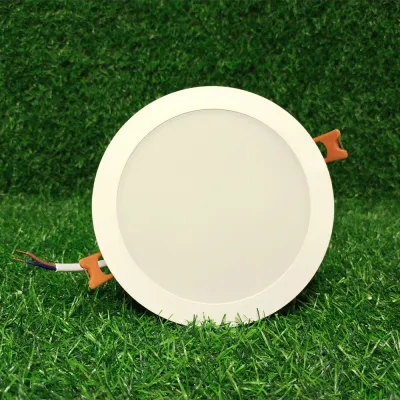
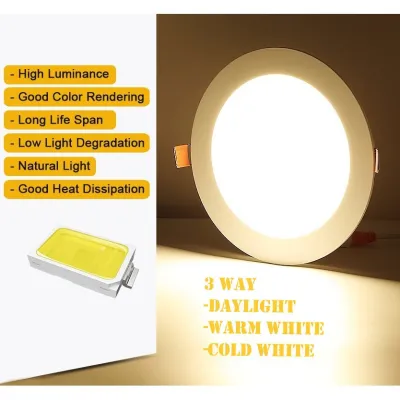

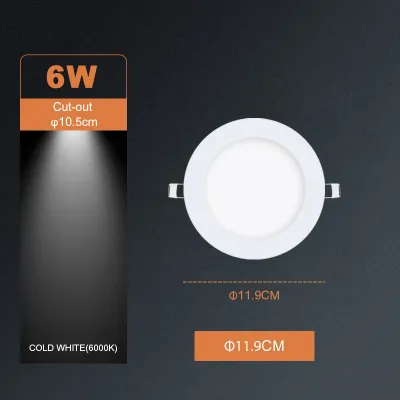
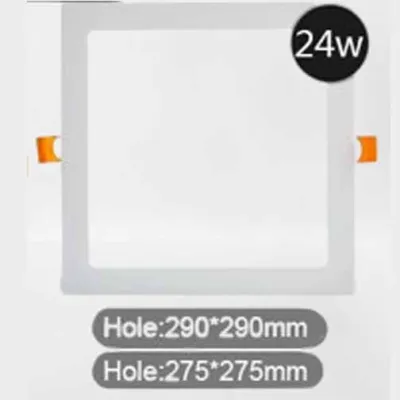
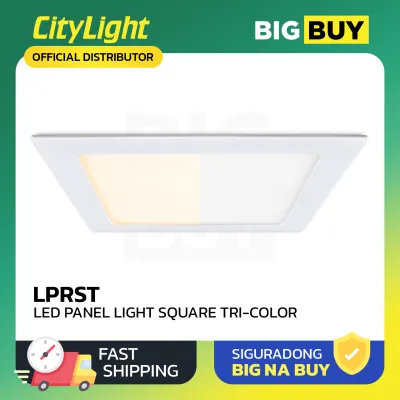
Prices are valid at publication and may change. Please refer to the product page for the latest price.
Proportional sizing is equally critical for maintaining visual balance in a compact condo. A fixture that is too small will look lost and fail to provide adequate illumination, while an oversized unit will visually dominate the room and make the ceiling feel even lower. As a general guideline, a square fixture measuring 30 by 30 centimeters is highly suitable for small bedrooms, study nooks, or hallways. For larger open-plan living and dining areas, a size of 40 by 40 centimeters or 50 by 50 centimeters provides a more balanced scale. Measuring your room’s floor area beforehand allows you to select a fixture size that complements, rather than overwhelms, the spatial layout.
Understanding 3-Color Temperature Functionality
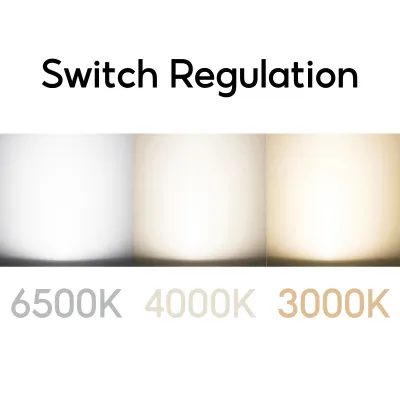
The primary appeal of a 3-color temperature fixture is its ability to adapt to different daily routines and moods within a single living space. These fixtures typically offer three distinct settings: Warm White (around 3000 Kelvin), Neutral White or Daylight (around 4000 Kelvin to 4500 Kelvin), and Cool White (around 6000 Kelvin to 6500 Kelvin). Warm White creates a cozy, relaxing ambiance perfect for evening winding down in the bedroom or living area. Neutral White mimics natural daylight, making it ideal for reading, working, or preparing meals. Cool White provides a bright, high-contrast light that enhances focus and visibility, which is highly useful for detailed tasks or utility spaces like bathrooms and kitchens.

To utilize these settings effectively, you must understand the switching mechanism of the fixture. The most common and cost-effective method is wall-switch toggling, where cycling the physical wall switch off and on within a few seconds changes the color temperature. While simple, this method requires you to flip the switch multiple times to reach your desired setting, and some budget models may lose their memory, resetting to a default color every time they are turned off for an extended period. Alternatively, models equipped with dedicated remote controls or smart home integration allow you to select the exact color temperature and dimming level directly, offering greater convenience at a slightly higher price point.
When evaluating these fixtures, do not overlook the Color Rendering Index, which measures how accurately a light source reveals the true colors of objects compared to natural sunlight. For residential spaces, look for a CRI rating of Ra 80 or higher. A high CRI ensures that your interior decor, furniture, food, and skin tones look vibrant and natural under the light. Low-CRI fixtures can make spaces look dull, gray, or unnaturally tinted, detracting from the aesthetic appeal of your condo’s interior design.
Evaluating Light Distribution and Glare Control
In low-ceiling environments, the way light is emitted and diffused directly impacts visual comfort. Because the light source is closer to eye level, poor light distribution can lead to harsh glare and eye strain. Square flush mount lights generally fall into two design categories: edge-lit and direct-lit. Edge-lit panels feature LED chips mounted along the inner frame, directing light sideways into a light guide plate that distributes it evenly downward. This design allows for an incredibly thin profile and produces a soft, uniform glow with minimal glare. Direct-lit fixtures, on the other hand, position the LED chips directly behind the diffuser, pointing downward. While direct-lit models are often more energy-efficient, they require a deeper housing to allow the light to mix properly; otherwise, they can create visible “hotspots” or bright dots on the diffuser.
The material and finish of the diffuser play a pivotal role in softening the light. High-quality acrylic or polycarbonate diffusers with a frosted or matte finish are excellent at scattering light smoothly across the room. Avoid cheap, thin plastic diffusers that can warp over time due to heat or allow the individual LED chips to be seen through the cover. A well-designed diffuser ensures that the square fixture casts a wide, gentle beam angle, minimizing harsh shadows in the corners of your room.
Before finalizing a purchase, it is wise to check product specifications and user feedback regarding light leakage and dark spots. Poorly constructed square fixtures often suffer from light escaping through the seams where the metal frame meets the diffuser. In the tropical climate of the Philippines, these gaps can also become entry points for small insects, which are attracted to the light and eventually die inside the fixture, creating unsightly dark spots that are difficult to clean. Opt for fixtures with sealed, dust-proof, and insect-proof designs to maintain a clean appearance over years of use.
Installation and Safety Checks for Condos
Installing new lighting fixtures in a Philippine condominium requires navigating both physical structural limits and administrative regulations. Most high-rise condos feature solid concrete slab ceilings. If your unit does not have a dropped gypsum ceiling, installing a recessed “pin light” is virtually impossible without major renovation. In such cases, surface-mounted square flush mounts are the practical choice. However, mounting these fixtures requires drilling into the concrete slab to secure the mounting bracket. Before drilling, you must consult your condo’s property management office to obtain the necessary work permits and verify if there are restrictions on drilling depth, as structural slabs contain tension cables and electrical conduits that must not be damaged.
Before beginning any physical installation, safety must be your absolute priority. Always turn off the main power supply at your unit’s circuit breaker panel rather than relying solely on the wall switch. Use a reliable non-contact voltage tester to confirm that the wires are completely dead before touching them. When connecting the wires, ensure that the live, neutral, and ground wires are correctly matched to the fixture’s terminal block. Secure all connections using proper wire connectors or high-grade electrical tape to prevent loose contacts, which can cause electrical arcing, flickering, or short circuits.
Recognizing when to transition from a DIY approach to hiring a licensed professional is crucial for your safety and the integrity of your home. If you open your existing ceiling outlet and find degraded, brittle wiring, or if there is no junction box installed, stop immediately. Similarly, if you plan to install a dimmable flush mount light but your wall switch uses an older analog dimmer, you will need a professional to verify compatibility or upgrade the switch. A licensed electrician ensures that the installation complies with the Philippine Electrical Code, protecting your property from potential electrical hazards.
Building Your Shortlist: What to Verify Before Buying
With countless options available on e-commerce platforms and in local home improvement centers, building a reliable shortlist requires systematic filtering. Start by evaluating energy efficiency. Look for fixtures that display clear energy labels or state their luminous efficacy in lumens per watt. A higher lumen-per-watt ratio means the fixture delivers more brightness while consuming less electricity, helping you manage your monthly Meralco bills. In a tropical country where air conditioning already consumes a significant portion of household energy, choosing cool-running, efficient LED fixtures also helps minimize heat buildup in small rooms.
Next, scrutinize customer reviews with a critical eye, focusing on long-term reliability rather than initial appearance. Look specifically for mentions of flickering, buzzing noises, or premature failure of the internal driver. Buzzing is often a sign of low-quality electromagnetic components in the driver, which can be incredibly distracting in a quiet bedroom or study. Furthermore, check if users report issues with color-shifting desynchronization, where one fixture in a room accidentally switches to a different color temperature than the adjacent ones, disrupting the visual harmony of your space.
Finally, verify the manufacturer’s warranty terms and the seller’s return policy. Reliable brands typically offer at least a one-year warranty on the integrated LED driver and chips. Since online purchases can sometimes arrive with transit damage or manufacturing defects, buying from authorized flagship stores or reputable local distributors ensures that you can easily exchange incompatible or defective units without hassle.
Frequently Asked Questions (FAQ)
Can I install a flush mount light if my condo has a concrete ceiling?
Yes, you can install a surface-mounted flush light on a concrete ceiling, but recessed models are generally not feasible unless you have a dropped ceiling. Surface-mounted fixtures use a metal bracket that screws directly into the concrete slab using plastic wall plugs or masonry anchors. Always check with your condo’s property management office before drilling, as they may have strict guidelines regarding drilling depth to avoid damaging embedded conduits or structural reinforcement bars.
Does switching color temperatures frequently reduce the LED lifespan?
No, standard switching to change color temperatures does not inherently shorten the lifespan of the LED chips themselves. Modern 3-color LED drivers are designed to handle the rapid power cycles required to toggle between warm, neutral, and cool settings. However, the overall longevity of the fixture depends heavily on the quality of the driver. Low-quality drivers are highly sensitive to voltage fluctuations, which are common in some areas, and using them with incompatible wall dimmers can cause premature driver failure.
How do I calculate the right wattage for my room size?
Instead of relying solely on wattage, which only measures power consumption, you should calculate your lighting needs based on lumens, which measure actual light output. For general living spaces and bedrooms, a good rule of thumb is to aim for approximately 100 to 150 lumens per square meter. For example, a 10-square-meter bedroom would require a total light output of 1,000 to 1,500 lumens. You can then check the product specifications of the square flush mount light to find its total lumen output and select a wattage that meets this target efficiently.

Community discussion
Share your experience or ask a question. Comments are reviewed before publication.