
Finding the best Aimo solar lights for your home garden in the Philippines requires matching the specific light fixture to your garden’s layout and verifying the technical specifications on the product packaging. Because outdoor spaces in the Philippines experience intense tropical sun, high humidity, and heavy seasonal rainfall, a generic approach to solar lighting will not suffice. To get the most value out of your investment, you must evaluate each product’s weatherproofing, battery capacity, and light output against the unique conditions of your yard.
Selecting the right solar lighting setup involves understanding that there is no single superior model for every application. A light that works perfectly for illuminating a dark perimeter wall may be entirely unsuitable for lighting a low-lying garden path. By focusing on verifiable product specifications and matching them to the distinct zones of your outdoor space, you can design an efficient, reliable, and beautiful garden lighting system that stands up to the local climate.
Before making a purchase, it is essential to establish a clear framework for evaluating solar fixtures. Rather than relying on broad brand-wide generalizations, you should inspect the product labels and user manuals of individual Aimo home models. This careful approach ensures that the fixtures you install will deliver the performance, durability, and aesthetic appeal you expect for your residential property.
Products mentioned in this guide
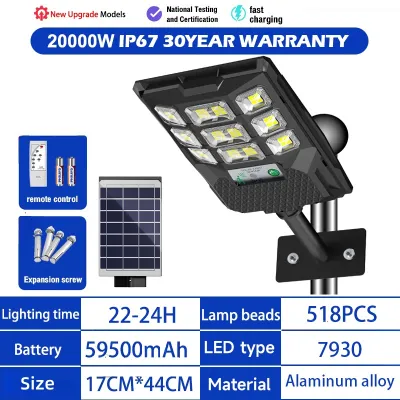
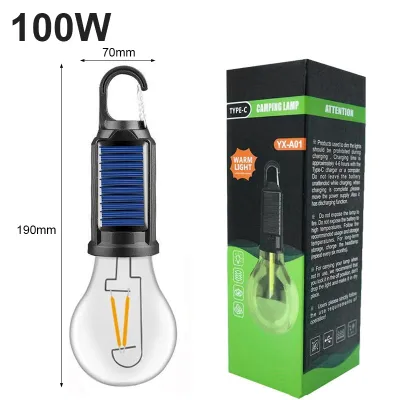
Prices are valid at publication and may change. Please refer to the product page for the latest price.
Core Specifications to Check Before Buying
When browsing Aimo home solar lights on online marketplaces or in local home improvement stores, the product packaging and specification sheets are your most reliable guides. Understanding how to read these technical details will help you avoid common purchasing mistakes and ensure the lights perform as intended in your garden.
Brightness and Lumens
Lumens measure the total amount of visible light emitted by a source. To choose the right brightness level, you must first identify the primary purpose of the light fixture. For ambient or decorative lighting, such as highlighting flower beds or creating a soft glow along a garden border, look for fixtures rated between 10 and 50 lumens. This lower output provides a gentle illumination that does not overpower the natural nighttime environment.
For functional pathway lighting where safety and navigation are the main concerns, look for product labels specifying 50 to 150 lumens. This level of brightness is sufficient to illuminate steps, walkways, and potential tripping hazards without causing uncomfortable glare. For security lighting, entryway illumination, or spotlighting large trees and architectural features, select fixtures that offer 200 lumens or more to ensure clear visibility over a wider area.
Battery and Solar Panel Type
The performance and runtime of a solar light depend heavily on its internal battery chemistry and the efficiency of its solar panel. Most modern solar garden lights utilize one of three battery types: Nickel-Metal Hydride (Ni-MH), Lithium-ion (Li-ion), or Lithium Iron Phosphate (LiFePO4). Ni-MH batteries are common in budget-friendly, low-lumen decorative lights, but they generally have a shorter lifespan and lower energy density compared to lithium-based alternatives.
For longer runtimes and better durability in hot tropical climates, look for fixtures equipped with Li-ion or LiFePO4 batteries. These chemistries handle deep discharge cycles more effectively and maintain their capacity over a longer period. Additionally, check the solar panel type listed on the specifications. Monocrystalline solar panels offer higher energy conversion efficiency than polycrystalline panels, making them better suited for charging batteries under overcast skies or during the rainy season.
Weather Resistance
The Ingress Protection (IP) rating is a critical specification that indicates how well a light fixture is sealed against solid objects and liquids. The rating consists of two digits: the first digit (ranging from 0 to 6) measures protection against solids like dust and dirt, while the second digit (ranging from 0 to 8) measures protection against water. In the Philippines, where outdoor fixtures must endure heavy monsoon rains and high humidity, verifying the IP rating is essential for long-term reliability.
For lights placed in fully exposed garden areas, such as lawn stakes or open-air spotlights, look for a minimum rating of IP65. An IP65 rating indicates that the fixture is completely dust-tight and can withstand water jets from any direction. For fixtures installed in slightly sheltered locations, such as under roof eaves or on covered patios, an IP44 rating may be sufficient, as it protects against solid objects larger than 1 millimeter and splashing water.
Color Temperature
Color temperature is measured in Kelvin (K) and determines the visual warmth or coolness of the light emitted. This specification is a matter of personal preference and functional requirement rather than performance. Warm white light, typically ranging from 2700K to 3000K, produces a soft, yellowish glow that mimics traditional incandescent bulbs. This temperature is ideal for creating a cozy, relaxing atmosphere in seating areas, patios, and decorative garden beds.
Cool white light, ranging from 5000K to 6500K, emits a bright, bluish-white light that closely resembles daylight. Cool white is highly effective for security lighting, driveways, and task-oriented areas because it provides high contrast and clear visibility. When planning your garden layout, consider mixing color temperatures strategically, using warm white for leisure zones and cool white for perimeters and entry points.
Matching Aimo Light Styles to Your Garden Layout
To create a balanced and functional outdoor lighting design, you must match different styles of Aimo home solar lights to the specific zones of your garden. Each area of your yard has unique lighting requirements, structural characteristics, and exposure to sunlight.

Pathway and Walkway Illumination
Pathway lights, often designed as stakes or low bollards, are essential for guiding family members and guests safely through your garden after dark. When selecting stake lights, pay close attention to the physical construction of the stake and the stability of the base. Soil conditions in the Philippines can vary dramatically, from hard-packed clay during the dry season to soft, muddy earth during the wet season. Ensure the stakes are long enough and made of durable, corrosion-resistant materials to remain securely anchored in your specific soil type.
Proper spacing is crucial to achieving a cohesive look and avoiding patchy, uneven lighting. As a general guideline, space pathway lights approximately 1.5 to 2.5 meters apart, depending on their lumen output and beam spread. Spacing them too closely can create a cluttered, runway-like appearance, while spacing them too far apart leaves dark gaps that compromise safety. Check the product specifications for the light beam angle; fixtures that direct light downward onto the ground are preferable, as they prevent glare from shining directly into the eyes of people walking along the path.
Landscape and Accent Spotlights
Landscape spotlights are designed to draw attention to specific focal points in your garden, such as ornamental trees, statues, water features, or textured walls. To maximize the effectiveness of these lights, look for models that feature adjustable solar panels that can be angled independently from the light head. This design allows you to point the light beam precisely at the garden feature while positioning the solar panel at the optimal angle to capture maximum daily sunlight.
Consider the beam spread of the spotlight based on the size and shape of the object you wish to illuminate. A narrow beam spread (15 to 30 degrees) is ideal for tall, slender features like palm trees or columns, as it concentrates the light in a tight column. A wide beam spread (60 degrees or more) is better suited for broad shrubbery, wide retaining walls, or expansive flower beds. If the spotlight design features a separate solar panel connected by a wire, verify the cable length in the product specifications to ensure it can reach a sunny spot while the light remains in the shade.
Wall-Mounted and Security Lighting
Wall-mounted solar lights are excellent for illuminating perimeters, fences, side pathways, and entryways. When selecting these fixtures for security purposes, check the motion sensor specifications in the product manual. Look for details on the detection range (the distance at which the sensor can detect movement) and the detection angle (the horizontal spread of the sensor’s field of view). A wider detection angle, such as 120 to 180 degrees, provides better coverage for corners and entry points.
Before installing wall-mounted lights, evaluate the mounting hardware and the weight limits of the fixture to ensure compatibility with your wall materials. Many homes in the Philippines feature concrete hollow block (CHB) walls, which require masonry drill bits and appropriate plastic wall anchors for secure mounting. If you are mounting the lights on wooden fences or metal gates, ensure you use the correct screws and brackets to prevent the fixture from sagging or falling over time.
Additionally, check if the fixture offers multiple operating modes. Some models feature a “dusk-to-dawn” mode, where the light remains on at a low, continuous brightness throughout the night. Others feature a “motion-activated” mode, where the light remains off or dim until motion is detected, at which point it switches to full brightness. Choosing a motion-activated mode is highly effective for conserving battery power, especially during consecutive cloudy days when solar charging is limited.
Placement, Installation, and Upkeep Guidelines
Proper placement, careful installation, and regular maintenance are vital to ensuring your solar lights operate efficiently and last for years in a tropical environment. Neglecting these aspects can lead to poor performance, premature battery failure, or physical damage to the fixtures.
Sunlight Exposure
Solar lights require direct, unshaded sunlight to charge their internal batteries fully. Before installing any fixtures, spend a day mapping out your garden to observe how shadows move across the space. Identify areas that receive at least 6 to 8 hours of unobstructed sunlight daily. Avoid placing solar panels directly under roof eaves, awning structures, dense tree canopies, or large garden plants that cast persistent shadows.
Keep in mind that the angle of the sun changes throughout the year. A spot that receives full sunlight during the dry season might be shaded by a nearby building or tree during other months. If your selected Aimo home lights feature adjustable solar panels, tilt them toward the equator (southward in the Philippines) to maximize solar energy collection across all seasons.
Installation Safety
When installing wall-mounted or elevated solar fixtures, prioritize safety at all times. Ensure the mounting surface is completely dry, clean, and structurally sound before drilling or attaching brackets. Use the specific anchors and screws recommended in the product manual to secure the weight of the fixture, taking into account potential wind loads during stormy weather.
For any installation that requires working at significant heights, modifying existing structural elements, or integrating solar fixtures with fixed electrical wiring, consult a qualified professional. Always isolate the main power supply before working near any existing outdoor electrical lines to prevent accidental shocks or short circuits.
Routine Maintenance
The tropical climate in the Philippines can cause rapid buildup of dust, pollen, bird droppings, and mold on outdoor surfaces. This accumulation on solar panels acts as a barrier, blocking sunlight and significantly reducing charging efficiency. To maintain optimal performance, establish a routine schedule to wipe the solar panels clean using a soft, damp microfiber cloth and plain water. Avoid using abrasive sponges or harsh chemical cleaners, as these can scratch or degrade the protective coating on the panel.
During your cleaning routine, inspect the light fixtures for any signs of trapped moisture, condensation behind the lens, or insect buildup. High humidity and heavy rains can sometimes test the seals of outdoor lights. If you notice water inside a fixture, turn it off, remove it from its mounting, and allow it to dry completely. Check the seals for damage and consult the manufacturer’s instructions for troubleshooting or warranty support.
Battery Care
Over time, all rechargeable batteries experience a reduction in their capacity to hold a charge. If you notice that your solar lights are turning off significantly earlier than they used to, or if they fail to turn on at all despite receiving a full day of direct sunlight, the battery may be reaching the end of its useful life. Inspect the battery compartment for any signs of swelling, leakage, or corrosion on the terminals.
Consult the product manual to determine if your specific Aimo home model features a user-replaceable battery. If the unit is designed with a sealed, integrated battery, do not attempt to force it open, as this will destroy the waterproof seal and void the warranty. If the battery is replaceable, ensure you purchase a replacement that matches the exact chemistry, voltage, and milliampere-hour (mAh) capacity specified by the manufacturer.
Frequently Asked Questions (FAQ)
How long do Aimo solar light batteries typically last before needing replacement?
The lifespan of solar light batteries depends on the specific battery chemistry used in the fixture and the frequency of charge-discharge cycles. Generally, standard rechargeable batteries in outdoor solar lights last between 1 to 3 years before showing noticeable signs of capacity loss. To find the estimated cycle life for your specific model, refer to the manufacturer’s product manual.
Observable signs that a battery needs replacement include the light operating for only a very short duration at night, emitting a dim or flickering light, or failing to illuminate entirely. When replacing the battery, always check the product label to confirm the correct battery type and capacity required for your fixture.
Do Aimo solar lights work well during the rainy season in the Philippines?
Solar lights can still operate during the rainy season, but their performance depends heavily on the efficiency of the solar panel and the capacity of the battery. On overcast or rainy days, solar panels receive indirect sunlight, which reduces the rate of charge. Consequently, the lights may not stay on as long or shine as brightly at night during periods of prolonged cloudy weather.
To ensure durability during heavy downpours, it is critical to verify that the fixtures have an appropriate IP rating, such as IP65 or higher, which indicates a strong seal against water intrusion. For decorative or low-rated models that are not designed to withstand severe weather, consider temporarily storing them indoors during typhoons or periods of extreme rainfall, following the manufacturer’s care guidelines.
Can I replace the built-in battery in my Aimo solar garden light?
Whether you can replace the battery depends entirely on the design of your specific solar light model. Many pathway and spotlight fixtures feature a dedicated battery compartment secured by screws, allowing users to easily swap out old batteries. Always consult the product manual or manufacturer specifications to verify if your unit supports user replacement.
If the fixture features a sealed, seamless design, attempting to force the housing open will compromise the waterproof integrity of the light and void any manufacturer warranties. If the battery is replaceable, always use the exact battery chemistry, voltage, and capacity specified by the manufacturer to avoid damaging the internal circuitry of the light.

Community discussion
Share your experience or ask a question. Comments are reviewed before publication.