
Selecting the right floor lamp for a living room reading corner involves balancing directional task lighting, physical space constraints, and safety. When choosing a floor lamp aomao offers several designs that cater to different seating arrangements, from compact corner armchairs to large sectional sofas. The optimal choice depends on your specific layout: adjustable gooseneck models provide highly directed light for tight spaces, arc lamps offer overhead illumination without requiring adjacent floor space, and dual-source torchiere lamps supply both ambient room light and focused reading illumination.
To find the best fit for your home, you must evaluate how a lamp’s physical design, light output, and safety certifications align with your daily reading habits and living room environment. This guide breaks down the essential lighting requirements, compares the primary design configurations, and outlines the critical technical specifications to verify before making a purchase.
Core Lighting and Spatial Needs for a Reading Nook
Creating a comfortable reading corner requires a clear understanding of task lighting versus ambient lighting. Ambient lighting provides general illumination throughout the room, which reduces the harshness of high-contrast shadows. However, it is rarely sufficient on its own for reading fine print or viewing digital screens. Task lighting delivers a concentrated beam of light directly onto your book, tablet, or e-reader. This focused illumination increases contrast and reduces eye strain, allowing your eyes to focus comfortably for extended periods without squinting.
Products mentioned in this guide
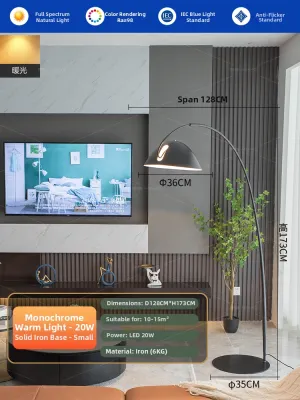
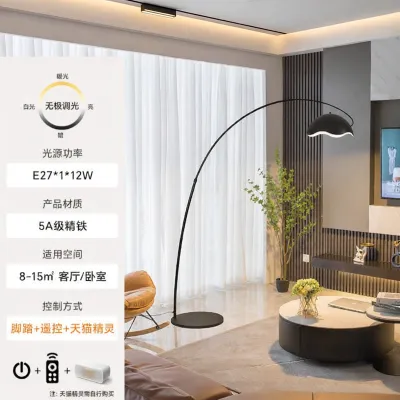

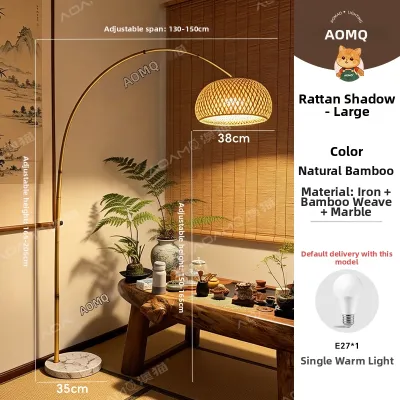
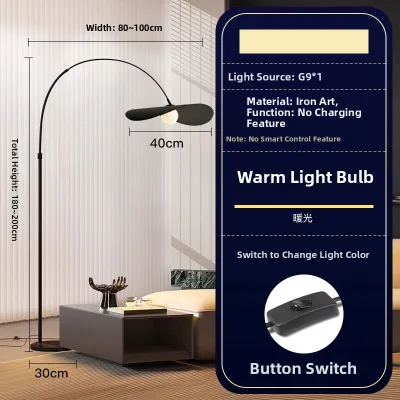
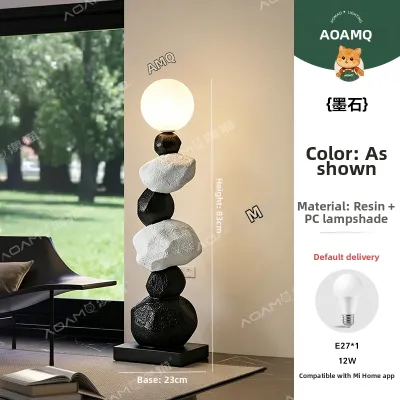
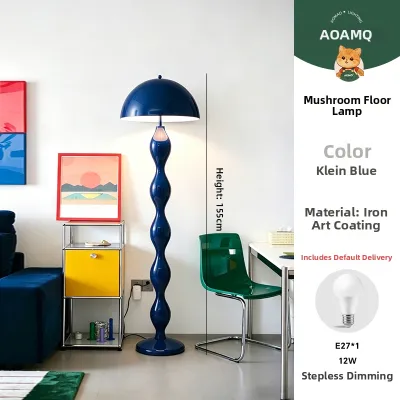
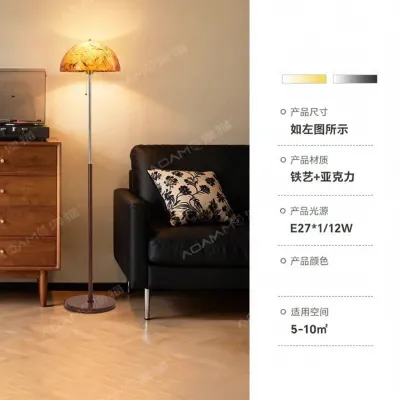
Prices are valid at publication and may change. Please refer to the product page for the latest price.
The quality of this task light depends heavily on color temperature and brightness. For a cozy living room reading nook, a color temperature between 3000K (warm white) and 4000K (cool white) is ideal. Light below 2700K tends to be too warm and dim, which can induce drowsiness, while light above 5000K can feel clinical and harsh. In terms of brightness, look for a lamp or bulb that delivers between 400 and 800 lumens. This range provides sufficient clarity for reading physical pages without creating excessive glare on digital screens.
Spatial constraints also play a major role in your decision. Living rooms must accommodate foot traffic, seating, and other furniture. The floor lamp you choose must have a footprint that fits comfortably within your designated nook. It should sit close enough to your reading chair or sofa to cast light directly over your shoulder or page, yet remain clear of walkways. In tropical climates like the Philippines, where open windows and electric fans are common to manage humidity, a lamp’s physical stability is crucial. A lightweight or poorly balanced lamp can easily wobble or tip over when placed in the path of strong airflow from a stand fan.
Matching Aomao Floor Lamp Designs to Your Reading Layout
The physical layout of your living room reading nook dictates the most suitable lamp architecture. Different furniture arrangements require different methods of light delivery to ensure the source is positioned correctly relative to your seated posture.

Adjustable Task and Gooseneck Lamps
Adjustable task lamps featuring flexible goosenecks or articulated joints are highly effective for dedicated reading chairs. These designs allow you to bend, twist, or tilt the lamp head to direct the light beam precisely onto your book or device, minimizing shadows cast by your hands or head.
When evaluating these lamps, pay close attention to the reach of the adjustable arm and the stiffness of the joints. The joints must be tight enough to support the weight of the lamp head without sagging over time, yet smooth enough to allow easy adjustment. These models are best suited for smaller, dedicated reading corners where you can place the lamp base directly beside or slightly behind a single armchair.
Arc and Overhead Floor Lamps
Arc floor lamps feature a long, curved neck that extends upward and outward from a heavy base. This design allows the light source to hang directly overhead, casting light down onto your reading material from above or behind your shoulder without requiring the base to sit immediately next to your chair.
Because the light source hangs at a distance from the base, you must verify your ceiling height clearance to ensure the curve of the neck fits comfortably in your room. Additionally, evaluate the weight of the base. Because the cantilever design shifts the center of gravity away from the center of the lamp, a heavy base—often constructed from solid marble or dense steel—is absolutely necessary to prevent the unit from tipping forward. Arc lamps are ideal for reading corners integrated into larger seating arrangements, such as mid-room sectional sofas or deep recliners.
Torchiere Lamps with Side Reading Arms
Torchiere lamps with integrated side reading arms offer a dual-purpose lighting solution. The main, upward-facing light bowl bounces light off the ceiling to provide soft, indirect ambient illumination throughout the living room. Meanwhile, a smaller, adjustable arm extends from the main pole to provide focused task lighting for reading.
This configuration is highly advantageous in multi-use living rooms where the reading corner is not completely isolated from the rest of the family space. When selecting a torchiere, verify that the main upward light and the side reading arm are controlled by independent switches. Independent controls allow you to turn off the bright ambient light when you want to focus solely on your book, or keep only the upward light on to create a relaxed evening atmosphere.
Key Specifications to Verify on the Product Label
Before purchasing any floor lamp, you must verify its technical, safety, and functional specifications on the product label or official user manual. Relying solely on a brand name does not guarantee that a specific model is safe or compatible with your home’s electrical system.
- Dimming and Color Controls: Look for models that offer stepless dimming or multiple preset brightness levels. This flexibility allows you to adjust the light output as natural daylight fades. Adjustable color temperature controls are also valuable, enabling you to switch from a stimulating cool white during daytime tasks to a relaxing warm white for late-night reading.
- Adjustability Limits: Check the specification sheet for the physical dimensions, including the maximum and minimum height, as well as the tilt and rotation angles of the lamp head. Ensure these limits align with the height of your reading chair or sofa so the light can be positioned safely above eye level to prevent direct glare.
- Base Stability and Weight: Verify the diameter and weight of the base. A wider, heavier base provides better resistance to tipping. This is especially critical in high-traffic living rooms, homes with children or pets, or environments where floor fans are frequently operated.
- Electrical Compatibility and Safety: In the Philippines, the standard residential electrical supply is 220V at 60Hz. Always check the physical label on the lamp, power adapter, or cord to ensure it is rated for 220V/60Hz operation. Using a lamp designed exclusively for 110V systems without a proper transformer can cause electrical failure, overheating, or fire hazards. Look for official safety certification marks on the plug, cord, and power adapter. If the lamp requires assembly, always isolate the power supply by unplugging the unit before connecting any internal wiring or changing bulbs. For any complex electrical issues or if you plan to connect the lamp to a dimmable wall outlet, consult a qualified professional.
Positioning and Styling Tips for the Living Room
Once you have selected your lamp, proper positioning is key to maximizing reading comfort and maintaining a safe, visually appealing living room.
To avoid casting distracting shadows on your pages, place the floor lamp slightly behind and to the side of your reading chair. If you are right-handed, positioning the light over your left shoulder prevents your writing or page-turning hand from blocking the light; if you are left-handed, place it over your right shoulder. The bottom of the lamp shade should be positioned so that the bare bulb is not directly visible to your eyes when you are seated.
Reading on digital screens, such as tablets, smartphones, or e-readers, presents unique challenges. To manage reflective screen glare, adjust the angle of the lamp head so that the light does not bounce directly off the screen into your eyes. Dimming the lamp’s brightness to match the screen’s backlighting can also help reduce eye fatigue.
Cable management is another critical consideration for safety and aesthetics. In tropical environments where humidity can affect floors, or where open layouts invite frequent foot traffic, loose power cords pose a serious tripping hazard. Route the power cord along baseboards or secure it with low-profile cord covers. Avoid running power cords under heavy area rugs, as foot traffic can wear down the protective insulation over time, creating a hidden fire risk.
Finally, consider the visual proportions of your reading corner. The visual weight and finish of your floor lamp should complement your existing furniture. For example, a sleek, matte black gooseneck lamp pairs well with modern, minimalist chairs, while a brushed brass or chrome arc lamp can add a classic accent next to a traditional leather recliner. These aesthetic choices are highly subjective and depend on your personal design preferences, but maintaining a consistent style helps create a cohesive, inviting nook.
Frequently Asked Questions (FAQ)
This section provides quick answers to common questions regarding the setup and ergonomics of reading floor lamps.
What is the ideal height for a reading floor lamp next to a sofa?
As a general rule of thumb, the bottom of the lamp shade should be positioned at eye or shoulder level when you are seated in your reading chair—typically between 40 and 48 inches (approximately 101 to 122 centimeters) from the floor. This height ensures that the light spreads adequately over your reading material while keeping the direct glare of the bulb shielded from your eyes. If your lamp is taller or non-adjustable, position it slightly further behind your seating area to widen the light distribution.
Can I use a smart Aomao floor lamp for reading?
Yes, smart floor lamps offer convenient features such as app-based scheduling, voice control, and precise color temperature adjustments. These features allow you to automate your lighting to match your daily routine. However, ensure the smart lamp you choose also includes physical manual overrides, such as a touch panel on the pole or a physical cord switch. This ensures you can easily turn the lamp on or off or adjust the brightness without needing to unlock your smartphone or rely on a stable internet connection during a quiet reading session.

Community discussion
Share your experience or ask a question. Comments are reviewed before publication.