
To create the perfect condo ambiance using bluecore solar fairy string lights, you must match the light’s color temperature and length to your specific room layout while ensuring your solar panel has direct access to sunlight. While high-rise living offers stunning city views, it also introduces unique lighting challenges, such as limited balcony space, window glass filtration, and structural shading from neighboring towers.
Selecting the right decorative lighting requires balancing your aesthetic goals with the practical realities of solar charging in an apartment. By choosing the correct light variant, measuring your space accurately, and mounting the solar panel safely, you can transform a sterile condo interior into a warm, inviting sanctuary without increasing your monthly electricity bill.
This guide outlines the exact decision path to help you select, size, and safely install the ideal solar-powered string lights for your bedroom or living room.
Products mentioned in this guide
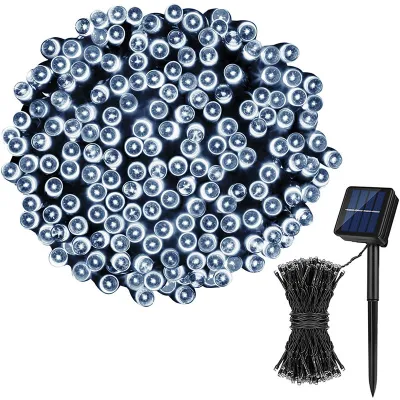
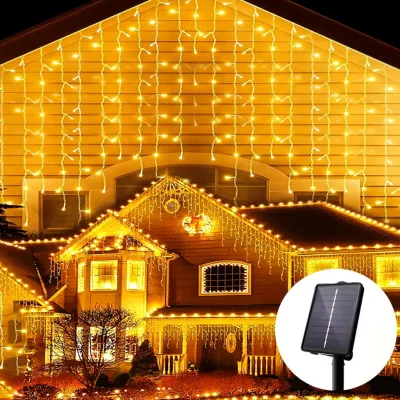
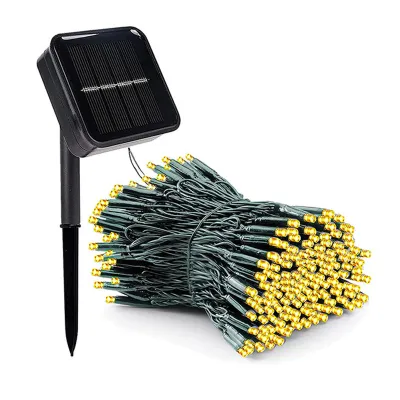
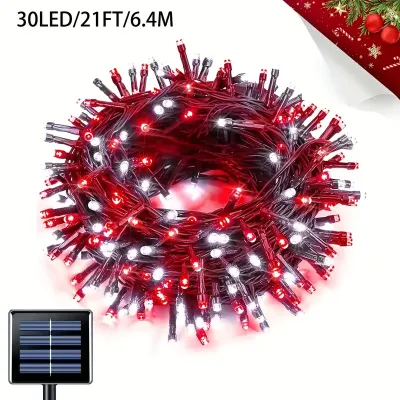
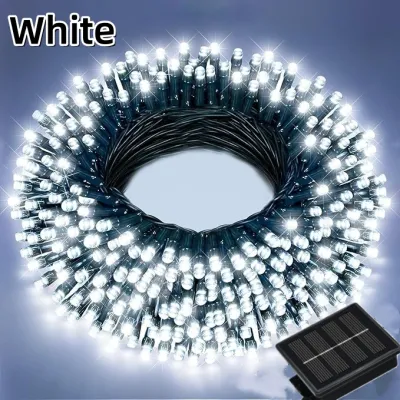
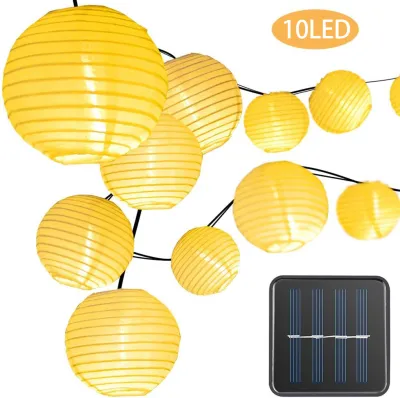
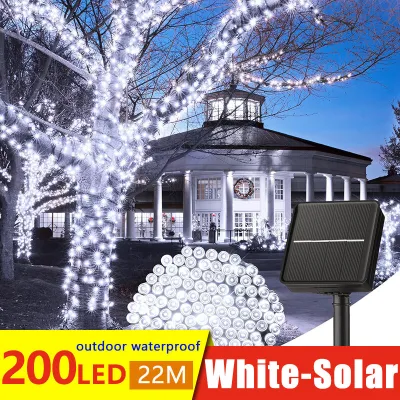
Prices are valid at publication and may change. Please refer to the product page for the latest price.
Quick Selection Guide: Matching Variants to Your Space
Choosing the right light variant depends heavily on the primary function of the room and the layout of your condo. Warm white lights are best suited for intimate, low-activity zones where relaxation is the priority, while color-changing options excel in active, multi-functional spaces.
Before making a purchase, you must verify the most critical constraint of any solar-powered lighting system: consistent access to direct sunlight. Because high-rise condos lack open yards, your solar panel must be positioned on a balcony railing, an exterior window sill, or a highly exposed sunroom window to function effectively.
To find your ideal setup, follow this simple three-step decision path:
- Assess the Mood: Determine whether the room requires a calm, static environment for winding down or a vibrant, adjustable atmosphere for entertaining.
- Measure the Area: Calculate the physical dimensions of the furniture, walls, or fixtures you plan to illuminate, accounting for natural draping.
- Verify Sunlight Availability: Identify a location in your condo that receives at least four to six hours of direct, unobstructed sunlight daily to charge the solar panel.
Warm White vs. Color-Changing: Setting the Right Mood
Deciding between warm white and color-changing (RGB) fairy lights is a matter of personal preference, lifestyle, and interior design coordination. Each option interacts differently with your furniture, wall colors, and daily routines.

Warm White (2700K–3000K)
Warm white light mimics the soft, golden glow of candlelight or traditional incandescent bulbs. This color temperature is highly effective at signaling to your brain that it is time to rest, making it the ideal choice for cozy bedroom retreats, reading nooks, and quiet study corners.
In typical condo interiors, warm white light beautifully complements natural wood finishes, warm-toned textiles, and indoor foliage. It softens harsh architectural lines and makes small spaces feel more intimate and physically comforting after a long day in the city.
Color-Changing (RGB)
Color-changing or multi-color variants offer dynamic versatility, making them excellent for living room entertainment centers, dining areas, or balcony setups. These lights allow you to match the illumination to specific occasions, such as a cool blue for movie nights, a soft green for a relaxing lounge feel, or vibrant cycling colors for social gatherings.
If your living room serves multiple purposes—such as a home office by day and a relaxation space by night—RGB lights let you transition the room’s energy instantly. You can set them to a static, neutral tone during focus hours and switch to a playful, colorful pattern when it is time to unwind.
Evaluating Quality and Performance
When comparing variants, look closely at the product packaging and manufacturer specifications. While decorative fairy lights are not designed for primary room illumination, their perceived brightness depends on LED density and battery output.
Check the product label for the total number of LEDs per string and look for certified safety markings, such as the Philippine Standard (PS) mark or Import Commodity Clearance (ICC) sticker, to ensure the electrical components meet local safety standards. Keep in mind that dynamic color-changing modes often consume battery power faster than static single-color modes, which may result in a slightly shorter nightly runtime.
Sizing Guide: Choosing the Right Length for Your Rooms
One of the most common mistakes when buying fairy lights is purchasing a string that is too short, resulting in a tight, strained look. To achieve a professional, professionally styled aesthetic, always add 20% to 30% extra length to your final measurements.
This extra length provides the necessary slack for elegant draping, wrapping around furniture legs, or creating soft zig-zag patterns. Pulling thin copper or PVC wires taut puts physical stress on the internal connections, which can cause the string to fail prematurely.
Sizing for Condo Bedrooms
In a condo bedroom, fairy lights are typically used to accent headboards, outline window frames, or drape along the wall above the bed.
- Standard Headboards: For a standard queen-size bed (approximately 1.5 meters wide), a 10-meter (33-foot) string light is usually sufficient to wrap around the headboard frame with a gentle drape.
- King-Size Beds: If you have a king-size bed or want to cascade the lights down the sides of the bed frame, look for a string length of at least 15 meters (49 feet).
- Window Borders: To outline a standard bedroom window, measure the perimeter of the frame and add 1.5 meters to allow the wire to reach the power source or solar panel cable comfortably.
Always position the delicate wires away from pillows, heavy blankets, or areas where they might be pinched by the mattress. Although low-voltage LED lights generate minimal heat, constant friction or physical pressure can wear down the protective insulation, creating a safety hazard and damaging the product.
Sizing for Living Rooms
Living rooms offer larger canvases for decorative lighting, such as long curtain rods, floating shelves, or large indoor potted plants.
- Curtain Rods: A standard living room sliding door or window curtain rod is typically 2 to 3 meters wide. If you want to drape the lights horizontally across the rod, a 10-meter string provides plenty of slack for deep, elegant loops.
- Curtain Cascade Effect: If you prefer a vertical "waterfall" effect down your sheer curtains, you will need a specialized curtain-style fairy light or multiple shorter strings (such as three 5-meter strings) connected to separate solar panels.
- Indoor Plants: Wrapping a tall indoor plant, like a Fiddle-Leaf Fig or a Monstera, requires more length than you might expect. A 1.5-meter-tall plant easily requires 10 to 15 meters of wire to wrap from the base of the trunk to the outer leaves.
For large living rooms, using multiple shorter strings with individual solar panels is often much easier than trying to route a single, massive 30-meter wire across the entire space. This approach prevents unsightly cable runs across your floor and keeps your walking paths free of tripping hazards.
Essential Specs to Verify for Condo Living
Before purchasing your bluecore solar lights, review the technical specifications on the product label to ensure they are compatible with your condo’s layout and environmental conditions.
Battery Capacity and Runtime
Look for the battery capacity, which is typically measured in milliampere-hours (mAh). A larger battery capacity (such as 1200mAh or 1800mAh) allows the lights to remain illuminated longer into the night, provided the solar panel receives enough sunlight during the day. In tropical environments like the Philippines, where sudden afternoon rain showers or overcast skies are common, a higher-capacity battery provides a helpful energy reserve for cloudy days.
Timer and Memory Functions
Because the solar panel is often mounted outside on a balcony or window sill, manually turning the lights on and off every night is highly inconvenient. Ensure the model you choose features an automatic dusk-to-dawn sensor that turns the lights on at nightfall and off at sunrise. A built-in memory function is also essential; it ensures the lights return to your preferred setting (such as steady-on or soft fade) every time they turn on, rather than resetting to a distracting flashing mode.
Wire Material and Flexibility
Fairy lights generally come in two wire types:
- Bare Copper Wire: Extremely thin, highly flexible, and nearly invisible during the day. It is perfect for delicate indoor projects, wrapping around small items, or creating intricate shapes, though it must be handled gently to prevent kinking.
- PVC-Coated Wire: Thicker, more durable, and highly resistant to physical wear. This wire type is excellent for long, straight runs along balcony railings or ceiling lines, though it is more visible against light-colored walls.
IP Ratings and Weather Resistance
Even if you plan to keep the fairy lights entirely indoors, the solar panel and its connected battery housing must be placed outdoors to charge. You must check the Ingress Protection (IP) rating of the outdoor components. An IP65 rating is highly recommended to protect the solar panel from heavy tropical downpours, high humidity, and dust. Never place a non-rated battery box or an indoor-only controller in an area exposed to rain or moisture.
Solar Panel Placement and Safe Installation in High-Rises
Installing solar-powered lights in a high-rise condo requires careful planning. You must maximize sunlight exposure while ensuring all external components are mounted securely to prevent safety hazards.
Finding the Best Sunlight Exposure
To get the best performance from your solar panel, place it in a location that receives direct, unobstructed sunlight for several hours a day. South-facing balconies and windows typically receive the most consistent sunlight throughout the year, while east-facing spots capture excellent morning sun.
Be aware that modern condo windows often feature double-glazing, low-E coatings, or dark tints designed to block heat. These treatments also filter out a significant portion of the light wavelengths needed to charge solar panels, reducing charging efficiency by 50% or more. For optimal charging, mount the solar panel on the exterior side of the window glass or directly on an open balcony railing.
When mounting the panel, angle it at approximately 15 to 20 degrees. This tilt maximizes sun exposure during peak hours and allows rainwater to wash away dust and dirt naturally, keeping the panel clean and efficient.
Damage-Free Mounting for Renters
Most condo association rules and rental agreements strictly prohibit drilling holes into exterior walls, window frames, or balcony railings. Fortunately, you can achieve a secure, damage-free installation using temporary mounting solutions.
- Adhesive Hooks: Use heavy-duty, weather-resistant outdoor adhesive hooks to secure the solar panel to exterior tiles or window frames. Always clean the surface thoroughly with rubbing alcohol and let it dry completely before applying the adhesive.
- Suction Cups: For glass windows or sliding doors, high-quality suction cups with integrated clips are an excellent way to hold lightweight solar panels and route the thin wires cleanly.
- Tension Rods: If you want to hang lights across a balcony opening without drilling, a heavy-duty shower tension rod wedged between two concrete walls provides a sturdy, temporary mounting bar.
Safety is paramount in high-rise buildings, where strong winds during typhoons or tropical storms can easily dislodge loose items. Always secure your outdoor solar panel with a secondary safety tether, such as a heavy-duty UV-resistant zip tie wrapped around a permanent balcony railing. Keep all interior wires neatly routed and pinned against walls or baseboards to prevent children, pets, or vacuum cleaners from catching and pulling on them.
Frequently Asked Questions (FAQ)
Use this quick reference section to troubleshoot common issues and maximize the lifespan of your solar-powered fairy lights in a condo environment.
Can I charge the solar panel indoors near a window?
While some charging will occur if the solar panel is placed directly against a highly exposed pane of glass, it is not highly efficient. Standard window glass, especially tinted or double-glazed condo windows, filters out a significant portion of the light spectrum required to charge the battery. For the best performance and a full nightly runtime, always place the solar panel on the exterior side of the window or on an open balcony.
Do solar fairy lights work during the rainy season?
Yes, but their performance will vary. Solar panels do not require hot weather to work, but they do require light. During the heavy cloud cover of the rainy season, the solar panel will still charge at a reduced rate. As a result, the lights may turn on at night but run for a significantly shorter duration or appear slightly dimmer than they do during bright, sunny months.
How do I safely store the lights when not in use?
To prolong the life of your lights, turn the power switch off and clean the solar panel with a soft, damp microfiber cloth to remove dust and salt residue. Gently wind the wire around a clean piece of cardboard or a plastic spool to prevent tight kinks and tangles. Store the entire unit in a cool, dry place away from direct sunlight, and ensure the battery is fully discharged or removed (if the model allows) to prevent corrosion during long-term storage.

Community discussion
Share your experience or ask a question. Comments are reviewed before publication.