
Finding the right outdoor solar lighting for your home in the Philippines requires balancing durability, brightness, and weather resistance. With the country’s distinct tropical climate—characterized by intense, direct sunlight for half the year and heavy monsoon rains and typhoons during the other half—selecting a reliable brand like Bosca involves looking closely at product specifications rather than just aesthetic appeal. To secure your perimeter, illuminate your garden pathways, or light up a dark driveway, you must evaluate how these solar fixtures harvest energy, withstand moisture, and perform when consecutive rainy days limit solar charging.
By focusing on verified specifications such as Ingress Protection (IP) ratings, battery capacities, and solar panel types, you can choose fixtures that remain operational year-round. This guide outlines the essential decision-making framework for selecting, installing, and maintaining Bosca outdoor solar lights to ensure your outdoor spaces remain bright, safe, and energy-efficient.
Key Factors for Choosing Bosca Solar Lights
Before purchasing any solar lighting fixture, you must clearly define the primary purpose of the light in your outdoor space. Security lighting requires high-intensity illumination to deter intruders or light up entryways when motion is detected. Pathway lighting focuses on safety, requiring a softer, continuous glow to mark walkways or driveway borders. If your goal is decorative, such as highlighting garden features, prioritize fixtures with warm color temperatures and subtle, low-wattage designs.
Products mentioned in this guide
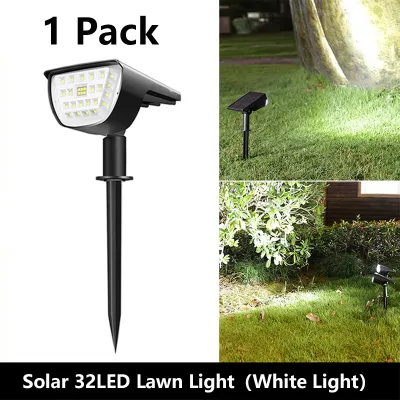
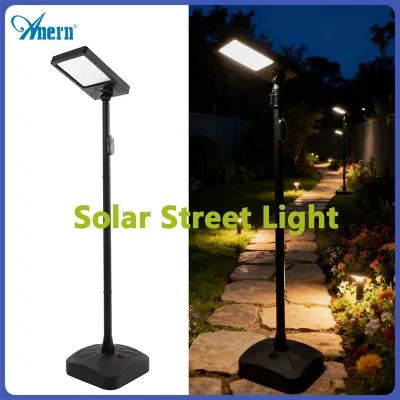
Prices are valid at publication and may change. Please refer to the product page for the latest price.
The physical layout of your property plays a decisive role in solar light performance. In the Philippines, properties are often surrounded by high firewalls, dense tropical foliage, or neighboring buildings that cast long shadows. Because solar lights rely on direct sunlight to charge, you must map out your space to identify areas receiving at least six to eight hours of unobstructed sunlight daily. Placing a solar panel in a semi-shaded area, even under a thin tree canopy, drastically reduces charging efficiency, resulting in dim lighting or premature shutoffs.
Understanding operational modes is equally important for managing battery life. Many Bosca outdoor lights feature built-in motion sensors utilizing Passive Infrared (PIR) technology. These lights typically operate in a dim standby mode or remain off until triggered, conserving battery power for security. Alternatively, dusk-to-dawn models use integrated photocells to automatically turn the light on at sunset and off at sunrise, providing continuous illumination. For areas where you only need light during specific hours, fixtures with manual switches or remote controls allow you to turn the system off entirely, preserving the battery during extended rainy weather.
Matching Bosca Light Types to Your Outdoor Space
Selecting the right form factor ensures that your solar lights perform their intended function while complementing your home’s architecture. Pathway and stake lights are designed for ground-level installation, making them excellent for illuminating walkways, garden borders, and driveways. These lights cast a downward pool of light, preventing glare while ensuring steps and uneven terrain are visible. Because they are inserted directly into the soil or mounted along concrete paths, they are highly exposed to lawnmowers, foot traffic, and ground-level moisture, requiring robust housing materials.

For structural perimeters, walls, and fences, wall-mounted fixtures and solar floodlights offer robust security and broad area illumination. Wall-mounted lights are ideal near front doors, garage entryways, and along side gates where focused, downward light is needed for key entry. Solar floodlights, which often feature detached solar panels connected by a cable, allow you to mount the light fixture under an eave or inside a carport while placing the solar panel on the roof for maximum sunlight. This split-panel design is highly practical for typical Philippine residential layouts, where carports and covered lanais block direct sunlight from reaching the walls.
If you want to enhance the aesthetic appeal of outdoor living areas like patios, gazebos, or outdoor dining spaces, hanging solar lights or solar string lights are the most suitable options. These fixtures focus on creating a welcoming atmosphere rather than high-intensity security lighting. They can be draped along rafters, wrapped around posts, or suspended from tree branches to provide a warm, diffused glow. When selecting hanging fixtures, consider how wind and rain will affect them; lightweight string lights must be securely anchored to prevent them from tangling or breaking during strong winds, which are common during the local typhoon season.
Essential Specifications to Check Before Buying
To ensure your selected solar lights deliver reliable performance, you must evaluate their technical specifications rather than relying solely on product category names. Brightness is measured in lumens, and the required output depends on the application. For decorative pathway lights, a modest output of 10 to 100 lumens is usually sufficient. For security floodlights or streetlights, look for fixtures specifying higher outputs, often ranging from 1,000 to several thousand lumens, to ensure wide-area coverage. Additionally, consider the color temperature, measured in Kelvin (K); cool white light (5000K to 6500K) provides high contrast and is preferred for security, while warm white light (2700K to 3000K) creates a relaxing, soft ambiance suitable for leisure areas.
The battery is the heart of any solar lighting system, determining how long the light can operate after sunset. When reviewing specifications, check the battery chemistry and capacity, typically listed in milliampere-hours (mAh) or watt-hours (Wh). Modern solar fixtures often utilize Lithium Iron Phosphate (LiFePO4) or Lithium-ion batteries, which offer longer lifespans, better thermal stability under intense tropical heat, and higher charge-discharge cycle counts compared to older Nickel-Metal Hydride (NiMH) batteries. Verify the manufacturer’s stated runtime on a full charge, keeping in mind that these figures are based on optimal sunlight conditions.
Given the heavy rainfall and high humidity levels in the Philippines, verifying the Ingress Protection (IP) rating is a critical safety and durability check. The IP rating consists of two digits: the first indicates protection against solid objects like dust, and the second indicates protection against liquids. For outdoor solar lights exposed to direct rain, wind-blown dust, and high humidity, an IP65 rating is highly recommended, certifying that the fixture is dust-tight and protected against water jets. For fixtures installed in highly exposed areas, such as pole-mounted streetlights or ground-level pathway lights subject to temporary pooling water, look for IP66 or IP67 ratings to prevent moisture ingress that can corrode internal circuitry.
The efficiency of the solar panel dictates how quickly and effectively the battery charges during the day. Solar panels are generally categorized as monocrystalline or polycrystalline. Monocrystalline panels are more efficient, especially in low-light or overcast conditions, and have a smaller footprint for the same power output, making them highly desirable for areas with frequent cloud cover. Polycrystalline panels are more cost-effective but require slightly more surface area to produce the same amount of electricity. Ensure the solar panel’s wattage is properly matched to the battery capacity so that the fixture can achieve a full charge within six to eight hours of standard daylight.
Where to Buy and What to Verify at Checkout
Purchasing authentic Bosca solar lights requires careful selection of retail channels, as counterfeit and substandard imitation products are common in the online marketplace. To ensure you are buying genuine fixtures, prioritize authorized online retailers, official brand stores on major ecommerce platforms, or established local hardware depots. When shopping on online marketplaces, look for verified seller badges, official mall indicators, and high positive feedback ratings. Avoid listings with unusually low prices that seem too good to be true, as these often indicate counterfeit goods made with inferior batteries, low-efficiency solar panels, and non-waterproof housings.
Before finalizing your purchase, carefully review the seller’s return policies and the specific terms of the local warranty coverage. A reputable seller should offer a clear return window for manufacturing defects and a warranty period that covers the LED chips, solar panels, and internal circuitry. Because shipping fragile lighting fixtures carries a risk of damage during transit, verify that the seller uses robust packaging standards, such as thick bubble wrap and sturdy outer boxes. Additionally, compare shipping costs and estimated delivery times, especially if you are ordering larger fixtures like integrated solar streetlights, which can incur higher shipping fees due to their weight and dimensions.
Installation and Maintenance Best Practices
Proper installation is key to maximizing the lifespan and performance of your outdoor solar lights. When mounting your fixtures, position the solar panel so that it faces the direction of maximum daily sun exposure, which in the Philippines is generally toward the south or southwest to capture the most intense afternoon sun. Ensure that the panel is tilted at an angle of at least 15 degrees rather than mounted completely flat; this tilt allows rainwater to run off easily, washing away accumulated dust and debris naturally. If you are installing fixed wiring, mounting fixtures at significant heights, or integrating solar systems with existing electrical grids, always prioritize safety by isolating power sources, following the manufacturer’s detailed installation instructions, and consulting a qualified professional.
Routine maintenance is essential to keep your solar lights operating at peak efficiency throughout the year. Dust, pollen, bird droppings, and salt residue (if you live near coastal areas) can form a thin film over the solar panel, blocking sunlight and reducing charging efficiency by up to thirty percent. Clean the solar panels every few months using a soft, damp microfiber cloth and mild soapy water; avoid using abrasive sponges or harsh chemical cleaners that can scratch or degrade the protective tempered glass or plastic coating. At the same time, inspect the light covers for dirt or insect nesting, and wipe them clean to ensure maximum light output.
Over time, all rechargeable batteries lose their capacity to hold a charge, typically after two to three years of daily charge and discharge cycles. If you notice that your solar lights are dimming significantly earlier in the night or failing to turn on at all despite sunny daytime weather, it is likely time to replace the internal batteries. When replacing batteries, always refer to the manufacturer’s instructions to identify the exact compatible battery chemistry, voltage, and physical size. Ensure that the waterproof rubber gaskets and seals are properly aligned and seated when reassembling the fixture housing to prevent water leaks, and always dispose of the old rechargeable cells safely at designated electronic waste recycling centers.
Frequently Asked Questions (FAQ)
Do Bosca solar lights work during the rainy season?
Yes, solar lights will continue to charge and operate during the rainy season, but their overall performance and runtime will be reduced. Solar panels do not require direct, hot sunlight to generate electricity; they can harvest ambient daylight through cloud cover, though at a much lower efficiency rate. To ensure reliable operation during consecutive rainy or overcast days, choose fixtures equipped with high-efficiency monocrystalline solar panels and large-capacity batteries. Additionally, utilizing motion-sensor modes rather than continuous dusk-to-dawn lighting will help conserve the stored battery power, ensuring the light remains functional when security illumination is needed.
Can I replace the batteries in Bosca solar lights?
Many outdoor solar light models allow for battery replacement, but this depends entirely on the specific design of the fixture. Some models feature easily accessible battery compartments secured by screws and sealed with rubber gaskets, allowing you to swap out the old cells with compatible rechargeable batteries. Other highly integrated or compact designs may have sealed housings that are not intended to be opened by the user. Before attempting a replacement, consult the product manual to verify if the battery is user-replaceable, and ensure you use the exact battery chemistry, voltage, and capacity specified by the manufacturer to avoid damaging the internal electronics or voiding the warranty.
How long do Bosca outdoor solar lights typically last?
The overall lifespan of an outdoor solar light is determined by its individual components, which degrade at different rates. The LED light sources are highly durable and can easily last for 50,000 hours or more of operational use. The solar panels typically maintain high efficiency for five to ten years, depending on the quality of the protective outer layer. However, the rechargeable batteries are the most common wear item and generally require replacement every two to three years. Additionally, the outer housing materials—whether heavy-duty ABS plastic or aluminum alloy—will gradually degrade under constant exposure to intense tropical UV rays and high humidity, making regular cleaning and proper placement vital to extending the fixture’s overall service life.

Community discussion
Share your experience or ask a question. Comments are reviewed before publication.