
Creating a warm, relaxing sanctuary in a high-rise condominium often requires creative lighting solutions that do not rely on drilling holes or crowding limited wall outlets. Battery-operated fairy lights offer the perfect balance of flexibility and charm, allowing you to introduce a soft, ambient glow to any corner of your bedroom. Because these lights run independently of the main electrical grid, they are highly portable and safe for rental units where permanent modifications are restricted.
To find the ideal set for your space, you must look beyond simple aesthetics. The right choice depends on evaluating wire materials, battery efficiency, control features, and how the light style complements your existing decor. By focusing on these practical specifications, you can transform your condo bedroom into a cozy retreat that feels spacious, inviting, and tailored to your personal style.
Identifying Your Bedroom Ambiance and Layout Needs
Condo bedrooms in urban areas often feature compact layouts where space optimization is essential. Before purchasing any lighting accessories, take a close look at your room’s existing light sources. Observe how natural light enters during the day and where your main overhead fixtures cast shadows at night. Identifying these darker corners or flat zones helps you determine exactly where a warm, low-intensity glow will have the greatest visual impact.
Products mentioned in this guide
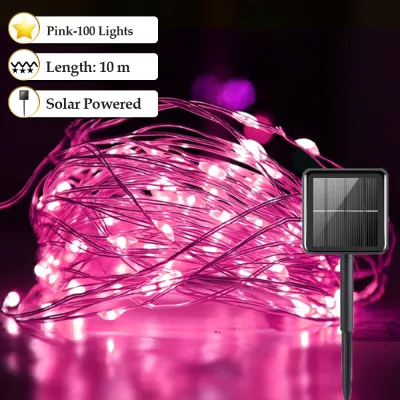
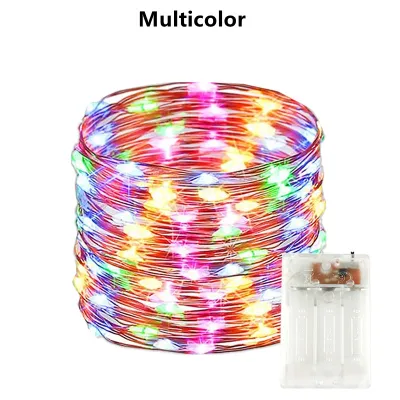
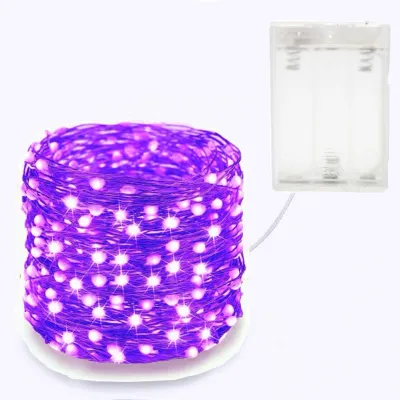
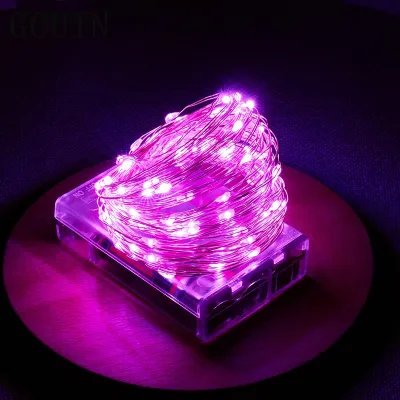
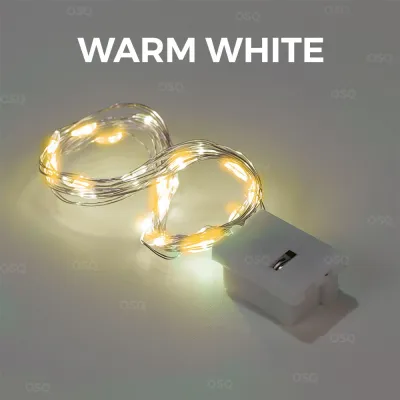

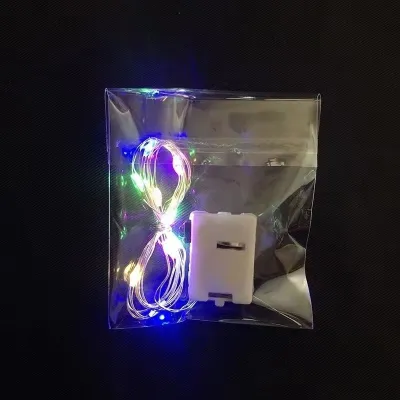
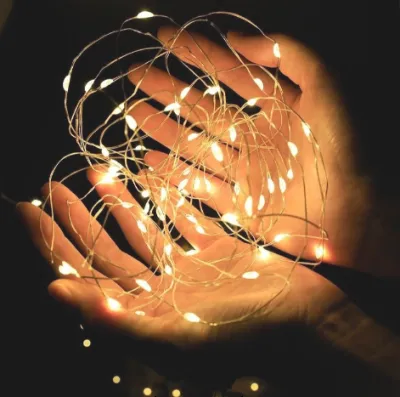
Prices are valid at publication and may change. Please refer to the product page for the latest price.
Next, define the primary role your new fairy lights will play in the overall design. If you want them to serve as a soft ambient light source for winding down in the evening, you will need a longer, more dense strand that can be draped across a wide area. If you prefer a subtle accent, a shorter wire wrapped around a headboard, woven through a shelf, or placed inside a glass vessel might be more appropriate. Clarifying this purpose prevents you from buying lights that are either too dim for functional relaxation or too bright for a restful sleep environment.
Accurate measurement is a crucial step that is often overlooked. Use a flexible measuring tape to trace the exact path where you plan to hang or weave the lights, whether it is along the perimeter of a window frame, across a headboard, or draped along a curtain rod. Always add a small buffer of about 30 to 50 centimeters to your measurement to account for natural draping, sagging, or wrapping. Purchasing a strand that is too short can disrupt your design, while an excessively long wire can result in a cluttered look or a heavy, sagging battery pack that is difficult to secure.
Furthermore, consider your layout’s proximity to other functional zones in your condo. In studio units, the bedroom area often sits adjacent to a workspace. Choosing fairy lights that can be easily adjusted or turned off independently ensures that your sleeping area remains a peaceful zone, even if someone else is working nearby. This spatial awareness helps you select a lighting setup that enhances both the beauty and the utility of your limited square footage.
Key Technical Features to Evaluate Before Buying
When browsing online marketplaces or local home decor shops, pay close attention to the physical construction of the wire. Copper wire fairy lights are highly flexible, allowing you to bend them into precise shapes, wrap them tightly around thin structures, or form them into custom wall art. Silver wire options offer a similar level of flexibility but present a cooler, more modern aesthetic when the lights are turned off. For a more traditional draped look, thicker insulated plastic wires are highly durable, though they are less discreet and harder to conceal against minimalist backdrops.

Control options and functional features significantly impact your daily experience with battery-operated lights. Look for models that include a dedicated remote control, which allows you to adjust brightness levels and switch between modes without climbing out of bed. Built-in timers are exceptionally useful for bedroom settings; these systems typically keep the lights on for six hours and turn them off automatically for eighteen hours. This feature not only preserves battery life but also ensures you do not have to worry about manually switching them off before falling asleep.
Power requirements and battery life are critical factors that determine the long-term cost of your lighting setup. Most standard fairy light strands require two or three AA or AAA batteries, which are widely available in local convenience stores. Check the manufacturer’s packaging or product description for the estimated run time, which can range from 30 to over 100 hours depending on the quality of the LEDs and the battery capacity. While basic strands are highly affordable, often starting around ₱100 to ₱300, investing slightly more in a set with energy-efficient LEDs and robust battery compartments will save you money on replacements over time.
Additionally, check the moisture resistance of the lights if you live in a highly humid tropical climate. While indoor fairy lights do not need to be fully waterproof, a basic level of protection prevents the delicate copper wires from tarnishing or short-circuiting due to high indoor humidity or air conditioning condensation.
Choosing the Right Light Style for Your Decor
The color temperature of your fairy lights plays a massive role in setting the psychological mood of your bedroom. Warm white LEDs, typically ranging from 2700K to 3000K, emit a soft, golden glow that mimics candlelight, making them the ideal choice for creating a cozy, relaxing atmosphere. Cool white lights, on the other hand, have a crisp, blue-toned output that suits ultra-modern or industrial condo designs but can feel too clinical for a bedroom. Multicolor options are excellent for festive occasions or vibrant, eclectic spaces, but they may not provide the soothing, consistent ambiance needed for daily relaxation.
The physical format of the light strand also dictates how it integrates with your bedroom furniture. Curtain or canopy-style fairy lights feature multiple vertical strands hanging from a single horizontal wire, making them perfect for framing a window, hanging behind sheer curtains, or creating a glowing backdrop behind your bed. These styles distribute light evenly across a large vertical surface, instantly making a small condo bedroom feel taller and more spacious.
For more detailed, intricate styling, micro LED wire lights—often called dewdrop lights—are incredibly versatile. Because the tiny bulbs are embedded directly into a thin, flexible wire, they can be woven seamlessly through wooden or metal bed frames without looking bulky. You can also coil these micro strands inside clear glass jars, lanterns, or dome displays on your nightstand to create custom, self-contained accent lamps. This approach adds depth to your bedside decor while keeping the overall look clean and organized.
If your bedroom features a minimalist design, consider matching the wire color to your walls. A copper wire blends beautifully with warm wood tones, while a silver wire disappears against white or grey walls. Selecting a coordinating wire color ensures the lights look elegant even during the day when turned off.
Safe, Outlet-Free Installation in Condos
One of the greatest advantages of battery-powered fairy lights is that they do not require proximity to a wall outlet, giving you complete freedom over their placement. However, because most condo units are rented or have strict rules against drilling and permanent wall damage, you must use non-destructive mounting methods. Damage-free adhesive hooks, clear clips, or reusable mounting putty are excellent tools for securing lightweight wires to painted drywall, concrete, or wooden surfaces. Ensure the surface is clean and dry before applying any adhesive to guarantee a strong, lasting hold.
The battery compartment itself is the heaviest part of the lighting system and requires careful placement. Before mounting your lights, check the weight limit of your adhesive clips to ensure they can support both the wire and the battery pack. If the pack is too heavy to hang safely, position it on a nearby flat surface, such as a nightstand, shelf, or headboard ledge. Never let the battery box dangle freely from the wire, as the constant tension can damage the delicate connections inside the strand and cause the lights to flicker or fail.
Safety should always be a priority when installing electrical accessories near bedding and textiles. Although low-voltage LED fairy lights generate very little heat compared to traditional incandescent bulbs, the battery pack can still warm up during prolonged use. Always place the battery compartment in a well-ventilated area where air can circulate freely around it. Avoid tucking the pack directly under heavy blankets, pillows, or flammable fabrics, and ensure it is kept away from direct sunlight or humid areas near open windows to prevent moisture buildup.
Furthermore, ensure the wires do not cross high-traffic pathways where they could be snagged by passing feet or pets. If you must run the wire along a wall, use low-profile cable clips to keep it flush against the surface, reducing the risk of accidental pulling that could tear down your display.
Battery Care and Routine Maintenance
To keep your fairy lights operating safely and efficiently, establish a simple routine for battery care and maintenance. If you plan to travel or do not intend to use the lights for several weeks, always remove the batteries from the compartment. Over time, idle batteries can leak corrosive chemicals that ruin the metal contacts inside the box, rendering the entire light strand unusable. Storing the batteries separately in a cool, dry place preserves their charge and protects your decorative investment.
When replacing batteries, consult the manufacturer’s instructions regarding the use of rechargeable versus standard alkaline batteries. While rechargeable batteries are an environmentally friendly and cost-effective choice for high-use items, they sometimes have a slightly lower voltage output, which might make the LEDs appear marginally dimmer than they would with fresh alkaline batteries. Always avoid mixing old and new batteries, or combining different brands and chemistry types in the same compartment, as this can lead to uneven power discharge and potential leakage.
Keeping your light strands clean ensures they continue to shine brightly and look attractive in your bedroom. Over time, dust and airborne particles can settle on the thin wires and tiny LED bulbs, dulling their glow. To clean them, turn off the power and gently wipe the length of the strand with a dry, soft microfiber cloth. Avoid using damp cloths, liquid cleaners, or harsh chemicals, as moisture can easily penetrate the unsealed wire connections or the battery compartment, causing short circuits or permanent rust.
Finally, inspect the battery compartment contacts periodically for any signs of oxidation, which can occur more quickly in humid environments. If you notice a white residue, carefully clean it off using a dry cotton swab while the batteries are removed to ensure a stable, flicker-free electrical connection.
Frequently Asked Questions (FAQ)
Can I leave battery fairy lights on all night? (FAQ)
While low-voltage LED fairy lights are generally safe and run cool to the touch, it is not recommended to leave them operating continuously overnight without supervision. Always consult the manufacturer’s safety guidelines regarding maximum continuous run times. To enjoy a glowing bedroom safely, choose a model equipped with an automatic timer function that shuts the lights off after a few hours. Additionally, always ensure the battery pack is placed in an open, well-ventilated spot away from pillows, sheets, or heavy drapery to prevent any localized heat buildup.
How do I hide the battery pack in my bedroom? (FAQ)
Concealing the plastic battery box is key to maintaining a clean, clutter-free bedroom aesthetic. You can easily tuck the compartment behind a wooden headboard, slip it into the side pocket of a fabric bed organizer, or hide it within the folds of a hanging curtain. On a nightstand or shelf, place the pack inside a small decorative box with a small notch cut out for the wire, or tuck it behind a row of books. Whichever method you choose, make sure the wire is not pinched or crushed, and ensure the pack remains easily accessible for battery replacements.

Community discussion
Share your experience or ask a question. Comments are reviewed before publication.