
Setting up an efficient work-from-home or study station in the Philippines requires more than just a reliable internet connection and a comfortable chair. The quality of your desk lighting directly impacts your productivity, focus, and eye comfort during long hours of reading or screen work. While modern minimalist LED bars are popular, a classic lampshade light—sometimes searched online as a lumpshade light—remains an exceptional choice for creating a balanced, glare-free workspace.
Unlike exposed bulbs that cast harsh, direct light, a shaded fixture diffuses illumination across your desk, softening shadows and reducing the contrast between your screen and the surrounding room. This visual balance is particularly crucial in local households, where study areas are frequently set up in shared bedrooms, living rooms, or dining spaces. Choosing the right desk lamp involves understanding how different shade materials, bulb compatibilities, and physical designs interact with your specific workspace.
Why Choose a Lampshade Desk Light for WFH and Study?
A primary advantage of a lampshade light is its superior ability to reduce glare. Direct glare occurs when light from an exposed bulb or an unshielded LED panel bounces directly off your computer screen or glossy study materials into your eyes. By enclosing the light source, a lampshade intercepts these harsh rays, scattering them evenly across your immediate working area. This diffusion minimizes the sharp, high-contrast reflections that often lead to squinting and digital eye strain.
Products mentioned in this guide
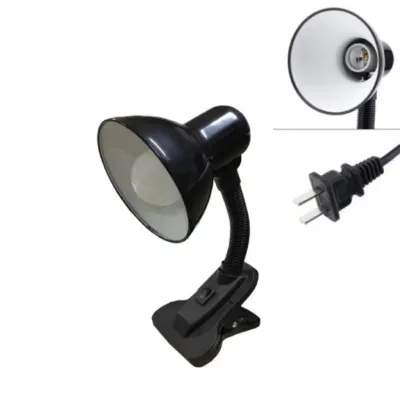
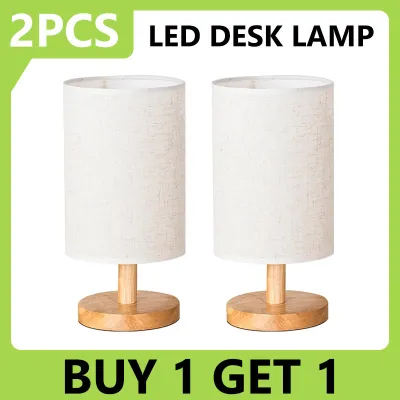
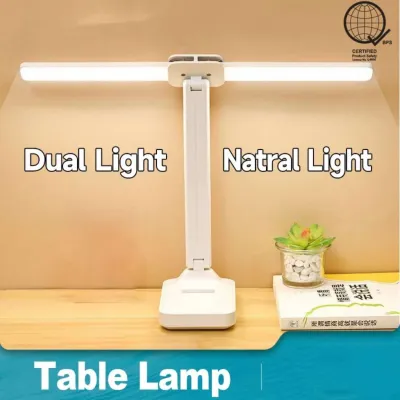
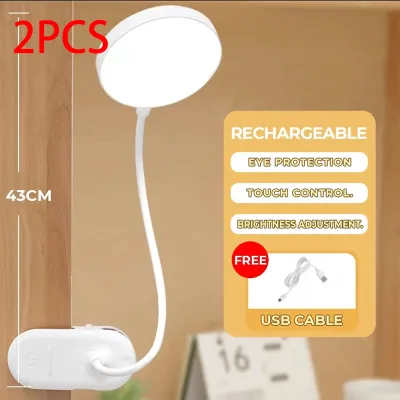
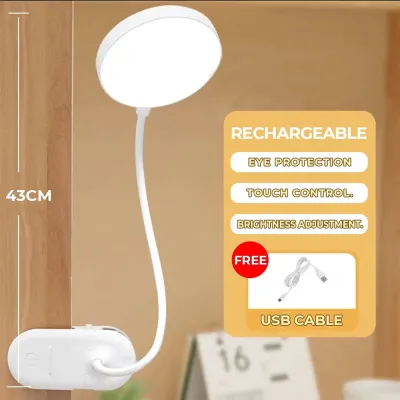
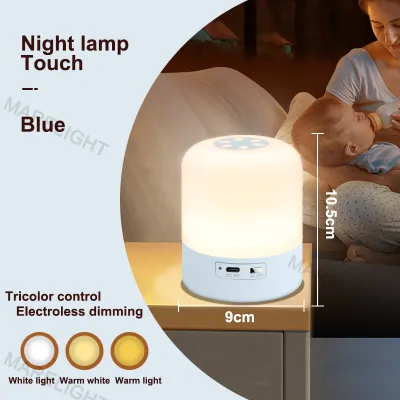
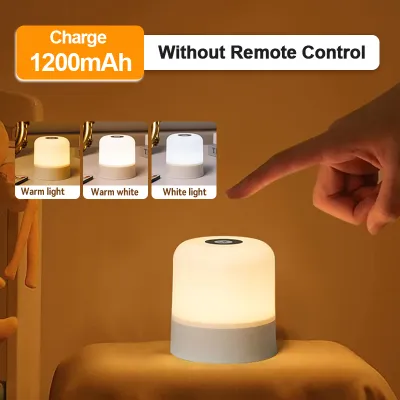
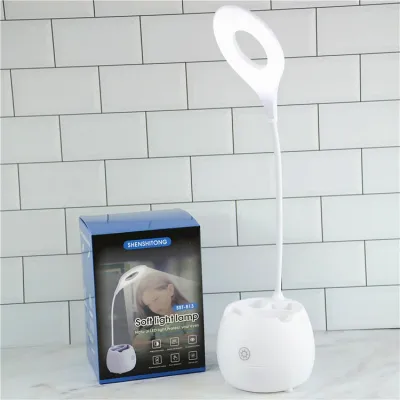
Prices are valid at publication and may change. Please refer to the product page for the latest price.
Beyond physical eye comfort, shaded lamps offer distinct psychological benefits during extended work or study sessions. The soft, warm glow emitted through a semi-translucent shade creates a welcoming, low-stress atmosphere. This ambient effect helps lower cognitive fatigue, making it easier to maintain focus during late-night report writing or exam preparation. The gentle transition between the illuminated desk space and the rest of the room prevents the stark, clinical feel associated with bare utility lighting.
In multi-purpose or shared Filipino households, containing light spill is a practical necessity. If you share a bedroom or work in a corner of the living room while family members are resting or watching television, an unshielded lamp can cause unwanted disruption. A well-designed lampshade directs the light downward onto your documents and keyboard, keeping the rest of the room relatively dark. This localized illumination allows you to work productively at any hour without disturbing others in the immediate vicinity.
Essential Features for Long Study and Work Sessions
When browsing e-commerce platforms for a lampshade light, adjustability should be at the top of your checklist. A fixed-stem lamp limits your control over where the light falls, which can be problematic if you need to shift between typing on a laptop and writing in a notebook. Look for models featuring a flexible gooseneck or an adjustable swing-arm. These designs allow you to position the shade precisely, directing the light below eye level to prevent direct glare while keeping your workspace fully illuminated.

Base stability and weight distribution are equally critical, especially on compact desks where space is at a premium. A top-heavy lamp with a flimsy base is prone to tipping over if accidentally bumped during a busy workday. Prioritize lamps with a weighted metal or ceramic base that anchors the fixture securely to your desk. If your workstation is particularly crowded, consider a clamp-on shaded lamp, which secures directly to the edge of your table, freeing up valuable surface area for your laptop, books, and notebooks.
The type of switch and its placement can significantly affect your daily user experience. Inline cord switches, which sit along the power cable, can sometimes slip behind the desk, forcing you to reach into tight spaces to turn the lamp on or off. Base-mounted switches, such as tactile touch buttons, rotary dials, or classic pull-chains, offer much better convenience. Touch-sensitive bases are particularly useful for late-night sessions, allowing you to operate the lamp with a simple tap without fumbling for a small switch in the dark.
Recommended Lampshade Styles for Different Desk Needs
Different desk tasks require different patterns of light distribution, making the style of your lampshade a key decision factor. For highly focused, high-contrast tasks like reading fine print, sketching, or studying physical textbooks, a banker-style lamp is highly effective. These lamps feature an elongated, downward-facing opaque shade—traditionally made of green glass or dark metal—that completely blocks upward and outward light. This design channels a concentrated pool of light directly onto your desk surface, keeping your eyes focused on the task at hand.
If your work-from-home setup involves a mix of screen time, video conferences, and general paperwork, a fabric, linen, or paper drum shade is often the most versatile option. These semi-translucent materials allow a portion of the light to filter through the sides of the shade, creating a soft, ambient glow throughout the immediate area. This diffused light softens harsh shadows on your face, which can improve your appearance on video calls, while still providing sufficient downward illumination for reading and writing.
For a modern aesthetic combined with highly directional task lighting, cone-shaped metal shades are an excellent choice. Because metal is completely opaque, these shades prevent any lateral light transmission, directing the entire output of the bulb downward in a controlled cone. This style is ideal for minimalist desks where you want to highlight a specific working zone without any side-glare. The sleek profile of metal cone shades also complements contemporary home office decors, offering a clean, industrial look.
How to Check Brightness, Bulb Compatibility, and Eye Comfort
To ensure your new desk lamp provides adequate light without posing a safety hazard, you must carefully check the manufacturer’s specification label. Every lamp has a maximum wattage limit, which dictates the highest amount of heat and electrical current the fixture can safely handle. Exceeding this limit can damage the socket or the shade. Look for standard screw-type sockets, with E27 being the most widely compatible and easily sourced bulb interface in the Philippines. Opting for an E27 socket ensures you can easily find replacement LED bulbs at any local hardware store.
Color temperature plays a vital role in managing your energy levels and eye comfort throughout the day. For daytime study and high-focus work, a cool white or daylight bulb (ranging from 4000K to 6500K) can help keep you alert and reduce eye strain during detailed tasks. However, as evening approaches, transitioning to a warm white bulb (around 2700K to 3000K) is highly recommended. Warm light minimizes blue light exposure, helping your mind wind down and preparing your body for a better night’s sleep after a long shift.
The material and inner lining of the lampshade also dictate the quality of the light output. When evaluating a lamp, check if the inside of the shade features a white or reflective silver lining. A light-colored inner lining maximizes the efficiency of the bulb by reflecting more light downward onto your desk, ensuring you get the brightest possible illumination without needing a higher-wattage bulb. Conversely, a dark or unlined interior absorbs light, resulting in a dimmer, less efficient workspace.
Safety, Power, and Placement Checks Before Buying
Before finalizing your purchase, verify that the lamp’s electrical specifications match local standards. In the Philippines, the standard residential voltage is 220V to 230V at 60Hz. Many imported lamps sold online are designed for 110V markets; plugging these directly into a local outlet without a transformer can destroy the bulb or damage the fixture’s internal wiring. Ensure the product description explicitly states compatibility with 220V–230V and features a standard flat two-pin plug (Type A or Type B) to avoid the need for bulky, unstable adapters.
Cord management is another crucial safety factor that is often overlooked. Measure the distance from your desk to the nearest wall outlet before buying, and check the lamp’s cord length in the product specifications. A cord that is too short will be stretched tight across your workspace, creating a tripping hazard and risking damage to both the lamp and your outlet. Avoid relying on cheap, uncertified extension cords or multi-plug adapters, as these can overheat under continuous use in tropical climates. For any electrical adjustments beyond simple bulb replacement, or if you suspect a wiring fault, always isolate the power by unplugging the unit and consult a qualified professional.
Finally, consider the physical placement of the lamp relative to your computer monitor. The top of the lampshade should ideally sit slightly below your eye level when you are seated. If the lamp is too tall, the exposed bulb underneath the shade may shine directly into your eyes, causing discomfort. Position the lamp on the opposite side of your dominant hand—to the left if you are right-handed—to prevent your hand from casting shadows over your paperwork as you write.
Frequently Asked Questions (FAQ)
Can I use a smart bulb in a traditional lampshade desk light?
Yes, you can use a smart bulb in a traditional lampshade desk light, provided the bulb’s base matches the lamp’s socket, which is typically an E27 screw type. Before purchasing, measure the physical dimensions of the smart bulb, as some models are larger or longer than standard LED bulbs and may protrude past the bottom of the shade. Additionally, ensure the lampshade allows for adequate ventilation. Smart bulbs contain sensitive internal electronics that can degrade or fail prematurely if heat is trapped inside a tightly enclosed or narrow shade.
How do I clean a fabric or paper lampshade without damaging it?
To clean a fabric or paper lampshade safely, start by unplugging the lamp and removing the shade if possible. For routine maintenance, use a clean lint roller, a soft-bristled paint brush, or a dry microfiber cloth to gently sweep away accumulated dust and pet dander. Avoid using water, liquid sprays, or chemical cleaners on paper shades, as moisture can warp the material, dissolve adhesives, or leave permanent water stains. For fabric shades, only spot-clean with a damp cloth if the manufacturer’s care label explicitly permits it, and allow it to dry completely before reassembling.

Community discussion
Share your experience or ask a question. Comments are reviewed before publication.