
Selecting a peacock figurine for outdoor display requires balancing intricate aesthetics with long-term weather resistance. While resin, ceramic, and metal are the most common materials for garden ornaments, none is universally perfect for every environment. The ideal choice depends on your specific microclimate, placement zone, and willingness to perform routine maintenance. This guide breaks down the practical characteristics of each material to help you make an informed decision for your garden.
Assessing Your Outdoor Environment
Before choosing a peacock figurine, evaluate the specific environmental challenges of your outdoor space. In tropical climates like the Philippines, garden ornaments face intense, year-round sun exposure and heavy seasonal rainfall. High humidity levels can accelerate material degradation, promoting rust on untreated metals or mold growth on porous surfaces.
Consider the exact placement zone within your yard. A figurine placed on an open lawn will experience full sun and wind, while one tucked under a covered patio or veranda is shielded from the harshest elements.
Products mentioned in this guide
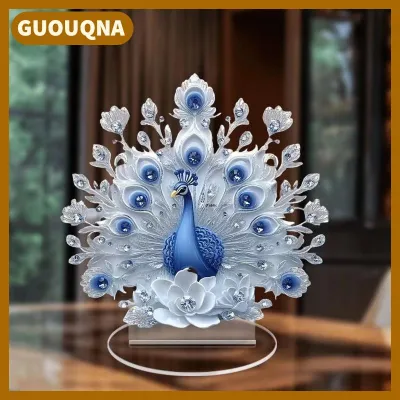
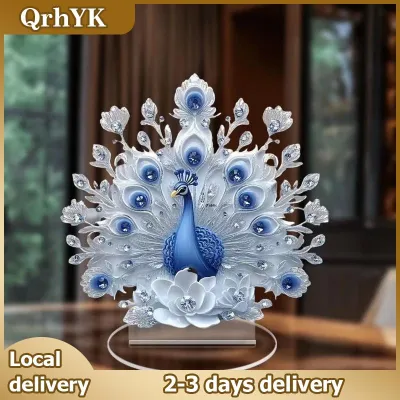
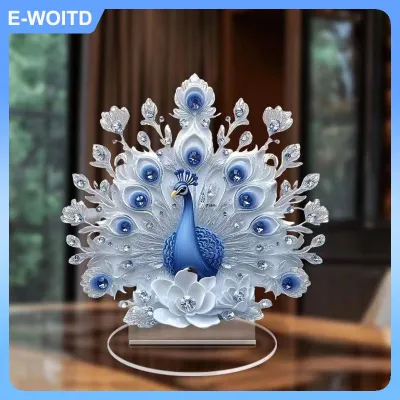
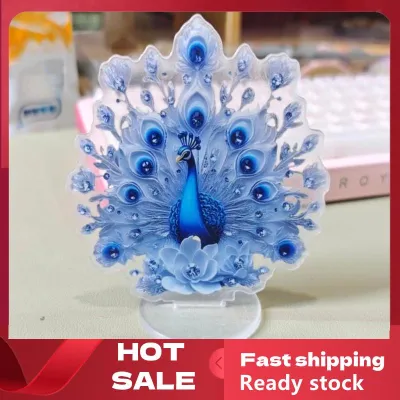
Prices are valid at publication and may change. Please refer to the product page for the latest price.
Physical hazards also play a significant role in your decision. High-traffic garden paths increase the risk of accidental bumps from guests or pets. Additionally, falling debris from overhanging trees during stormy weather can easily chip or crack delicate decorative items.
Resin Peacock Figurines: Detail and Weight Considerations
Resin is a popular choice for garden decor because it can be molded into highly detailed shapes, capturing the intricate texture of a peacock’s feathers. However, when selecting a resin peacock figurine, you must verify the material specifications to ensure it can withstand outdoor conditions.

First, check the manufacturer’s product details for UV-resistant coatings or UV-stabilized pigments. Without these protective treatments, prolonged exposure to direct sunlight can cause the vibrant blues and greens of the peacock to fade, chalk, or discolor.
Weight is another critical factor to evaluate. Synthetic resin is relatively lightweight compared to stone or heavy metal, which makes it easy to move but vulnerable to strong winds. If you plan to place a lightweight resin figurine in an exposed area, look for designs with a wide, stable base, or plan to anchor the piece using garden stakes or adhesive museum gel on flat surfaces.
Always inspect the product labels to confirm the figurine is rated specifically for outdoor use. Indoor-only resin formulations can quickly become brittle, warp, or crack when exposed to fluctuating outdoor temperatures and moisture.
Ceramic Peacock Figurines: Aesthetics and Weather Limits
Ceramic peacock figurines offer a classic, glossy aesthetic with rich, baked-in glazes that do not fade easily in the sun. To ensure your ceramic ornament survives the outdoors, look for pieces labeled as high-fired, vitrified, or frost-proof. These manufacturing processes ensure the clay is fired at extremely high temperatures, reducing its porosity.
Unglazed or poorly sealed ceramic can absorb moisture from the air or soil. In humid environments, this trapped moisture can lead to mold growth, unsightly staining, or structural weakening over time.
Because ceramic is naturally brittle, it is highly susceptible to cracking from physical impacts. A sudden gust of wind or an accidental kick can shatter a delicate ceramic tail feather.
To protect your investment, plan for sheltered placement. Positioning ceramic figurines on covered verandas, shaded garden nooks, or semi-enclosed patios keeps them safe from direct heavy downpours and minimizes the risk of accidental damage.
Metal Peacock Figurines: Longevity and Temperature Factors
Metal peacock figurines provide excellent structural durability and a distinct, often rustic or modern artistic appeal. When shopping for metal decor, confirm the specific type of metal used and check for protective surface treatments. Look for items treated with rust-inhibiting primers, galvanized coatings, or durable powder-coated finishes to prevent corrosion.
Pay close attention to the structural joints and welds of the figurine. Poorly executed welds can leave tiny gaps where moisture accumulates, leading to localized rust and eventual structural failure.
Another factor to consider is heat absorption. Dark or solid metal figurines can become exceptionally hot when exposed to direct tropical sunlight. This intense heat can damage nearby delicate foliage if the figurine is placed directly in a flower bed, and it poses a minor burn risk to curious children or pets.
For safety and longevity, ensure the metal figurine is securely anchored. Many metal peacock statues feature hollow bodies or slender legs that require ground stakes to remain upright during windy conditions.
Matching the Material to Your Garden Setup
To maximize the lifespan of your peacock figurine, match the material characteristics to the specific zones of your garden.
Resin figurines are highly suited for elevated shelves, hanging displays, or upper-tier planters. Their lightweight nature prevents overloading delicate structures, while their detailed designs can be appreciated at eye level.
Reserve ceramic figurines for transition spaces, such as covered verandas, entryways, or deeply shaded garden nooks. These areas protect the delicate glaze from harsh weather while keeping the fragile material away from high-traffic zones where bumps are common.
Assign sturdy metal figurines to open lawns, exposed garden beds, or stone pedestals. Their weight and structural integrity allow them to withstand strong winds and direct sun, making them the ideal choice for open-air focal points.
Caring for Your Outdoor Peacock Decor
Establishing a routine maintenance schedule will help preserve the appearance and structural integrity of your garden ornaments. Clean your figurines regularly using a soft cloth, warm water, and mild, non-abrasive soap. Avoid harsh chemical cleaners or stiff brushes, which can scratch glazes, strip UV coatings, or damage protective paint layers.
Perform seasonal inspections of your outdoor decor. Look closely for chips in ceramic glazes, rust spots on metal joints, or chalking on resin surfaces. If you notice wear, apply a manufacturer-approved clear protective sealant or rust-inhibitor spray to restore the barrier.
During extreme weather events, such as typhoons or severe tropical storms, take proactive measures to protect your decor. Move lightweight resin and fragile ceramic figurines indoors, or secure heavier metal statues under breathable, heavy-duty tarps to prevent wind damage and impact from flying debris.
Frequently Asked Questions (FAQ)
Can I leave a ceramic peacock figurine outside during the rainy season?
It depends on the ceramic’s construction. High-fired, vitrified, or fully glazed ceramic figurines can handle moderate rain, but unglazed or porous pieces will absorb water, leading to mold or structural cracking. To protect your figurine, check the manufacturer’s waterproof rating or move the piece to a covered patio during prolonged heavy rains.
How do I prevent a metal peacock statue from rusting?
To prevent rust, ensure the factory powder coating or paint remains intact. Avoid using abrasive cleaning tools that can scratch the protective finish. If the metal is exposed to high humidity, you can apply a thin coat of clear, outdoor-rated polyurethane or rust-preventative spray, provided it is compatible with the manufacturer’s guidelines.
Will the colors on a resin peacock fade in direct sunlight?
Yes, standard resin will fade and degrade over time when exposed to ultraviolet rays. To maintain the vibrant colors of a resin peacock, verify that the product specifications mention UV-stabilized pigments or a UV-resistant clear coat. You can also periodically apply a specialized UV-protectant spray designed for outdoor plastics and resins.

Community discussion
Share your experience or ask a question. Comments are reviewed before publication.