
The best movable solar lights for Philippine garden landscapes are highly weather-resistant, versatile fixtures that can be easily repositioned to capture maximum tropical sunlight while highlighting pathways, foliage, and outdoor living areas. Because Philippine gardens experience intense seasonal shifts—ranging from scorching summer sun to torrential monsoon rains and high humidity—the ideal choices are those with robust Ingress Protection (IP) ratings, durable materials like UV-stabilized polymers or rust-resistant metals, and high-efficiency solar panels. By opting for movable fixtures such as stake-mounted spotlights, freestanding lanterns, and flexible hanging lights, you can adapt your landscape lighting to changing plant growth, seasonal weather patterns, and social gatherings without the need for permanent, costly electrical wiring.
Unlike fixed outdoor lighting systems that require extensive trenching, conduit laying, and professional electrical installation, movable solar lights offer a plug-and-play solution that keeps your garden adaptable. This flexibility is particularly valuable in the Philippines, where residential gardens often undergo rapid seasonal transformations as tropical plants grow vigorously during the rainy season and require pruning or rearranging during the dry months. Furthermore, utilizing solar energy eliminates the ongoing electricity costs associated with traditional mains-powered lighting, saving you thousands of pesos (₱) over the lifespan of the fixtures while providing a safer, low-voltage alternative for wet outdoor environments.
Key Factors for Selecting Movable Solar Lights in the Philippines
When choosing movable solar lights for a Philippine garden, local weather conditions must be your primary consideration. The tropical climate presents unique challenges, including intense ultraviolet (UV) radiation during the dry season and extreme humidity and heavy rainfall during the monsoon months. Materials that perform well in temperate climates may quickly degrade here; for instance, cheap, untreated plastics can become brittle and crack under prolonged sun exposure, while low-grade metals are highly susceptible to rust and corrosion. To ensure longevity, look for fixtures constructed from high-impact ABS plastic with UV-resistant coatings, anodized aluminum, or marine-grade stainless steel.
Products mentioned in this guide
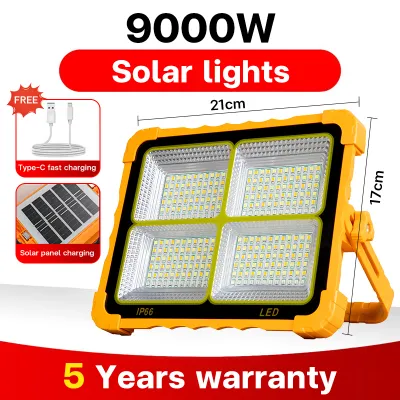
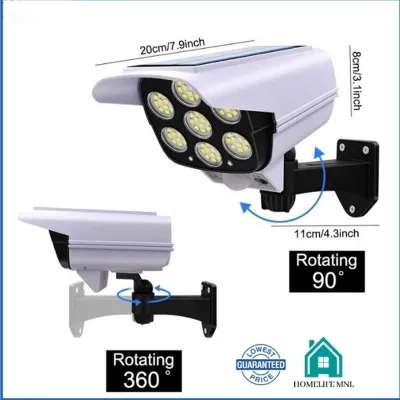
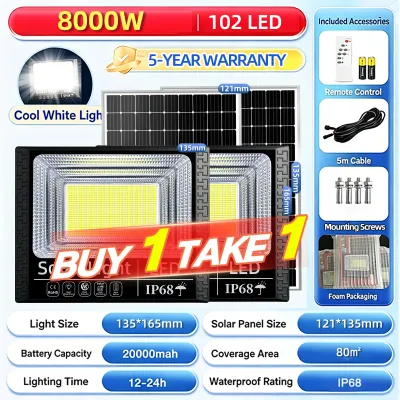
Prices are valid at publication and may change. Please refer to the product page for the latest price.
Defining what “movable” means in the context of your specific garden layout will help you narrow down your options. Movable solar lights generally fall into three categories: stake-mounted, freestanding, and hanging. Stake-mounted lights are designed to be pushed directly into soft soil, lawn borders, or planter boxes, making them incredibly easy to reposition as your garden beds evolve. Freestanding options, such as tabletop lanterns or heavy-base floor lamps, can be placed on patios, verandas, or garden steps and moved indoors during severe weather. Hanging solar lights, including string lights and lantern-style fixtures with integrated hooks, can be draped over tree branches, pergolas, or fences, allowing you to elevate your lighting scheme without permanent hardware.
Another critical factor is the balance between solar panel exposure and your desired light placement. In many Philippine residential yards, mature fruit trees, ornamental palms, and high perimeter firewall structures cast deep shadows throughout the day. If you place an all-in-one solar light in a heavily shaded garden bed, it will not receive enough direct sunlight to charge its internal battery. To overcome this, consider split-panel solar lights, where the light fixture itself is separate from the solar panel and connected by a weather-resistant cable. This design allows you to position the solar panel on a sunny roof, fence top, or open lawn area while placing the actual light fixture deep within a shaded garden path or under dense foliage.
Matching Light Types to Your Garden Layout
To create a visually appealing and functional landscape, you should match different types of movable solar lights to specific zones within your garden. Pathway and border lighting should focus on safety and navigation, guiding family members and guests along walkways, driveways, or pool surrounds. For these areas, select low-glare, downward-facing stake lights. These fixtures direct light precisely where it is needed—on the ground—preventing harsh glare from shining directly into your eyes and minimizing light pollution, allowing you to still enjoy the natural night sky.

Accent and spotlighting are ideal for drawing attention to the unique architectural features of your home or the dramatic shapes of your tropical plants. Adjustable movable spotlights can be angled upward to highlight the textured trunk of a palm tree, the vibrant leaves of a pocket garden, or a decorative water feature. Because these spotlights are mounted on stakes, you can easily adjust their distance from the plant as it grows, ensuring that the lighting effect remains perfectly balanced over time. Using warm white light for foliage can create a soft, natural glow, while cool white light can emphasize the clean lines of modern architectural elements.
For social spaces like patios, courtyards, and outdoor dining areas, ambient and decorative lighting is essential for setting a welcoming mood. Portable solar lanterns can be placed on dining tables or hung from shepherd’s hooks around a seating area to cast a soft, diffused glow. Movable solar string lights can be draped along patio railings or woven through a pergola to create a festive, cozy atmosphere for evening gatherings and family barbecues. Because these fixtures are completely portable, you can easily pack them away at the end of the evening or relocate them to another part of the yard depending on where your guests gather.
Essential Specifications to Verify Before Purchase
Before purchasing any movable solar lights from local retailers or online marketplaces, it is crucial to verify their technical specifications on the product packaging or manufacturer data sheets. Start by checking the battery type and capacity, as this directly determines how long the lights will stay illuminated at night. Look for fixtures equipped with Lithium-ion (Li-ion) or Lithium Iron Phosphate (LiFePO4) batteries, which offer superior energy density, faster charging times, and a significantly longer overall lifespan compared to older Nickel-Metal Hydride (NiMH) batteries. Always check the battery capacity, measured in milliampere-hours (mAh), and verify whether the battery is user-replaceable so you can extend the life of the fixture when the original battery eventually degrades.
Weather resistance is another non-negotiable specification for outdoor lighting in the Philippines. You must check the Ingress Protection (IP) rating printed on the product packaging. The IP rating consists of two digits: the first indicates protection against solid particles like dust, and the second indicates protection against liquids. For general garden use, a minimum rating of IP44 is acceptable for splash resistance, but for fixtures placed directly on the ground where water can pool during heavy tropical downpours, look for IP65 or IP67 ratings. An IP65-rated light is completely dust-tight and protected against water jets, making it highly durable against intense monsoon rains.
Finally, evaluate the solar panel efficiency and the light’s brightness specifications. Monocrystalline solar panels are highly recommended over polycrystalline panels because they have a higher conversion rate, meaning they can generate more electricity even on overcast, cloudy days during the rainy season. When it comes to brightness, look at the lumen output rather than the wattage. For subtle pathway marking or ambient decorative lighting, a range of 10 to 50 lumens per fixture is usually sufficient. For security lighting or accent spotlights meant to illuminate tall trees, look for fixtures that offer 100 to 300 lumens or more, ensuring you can adjust the brightness settings if the fixture features multiple power modes.
Placement and Maintenance for Optimal Performance
To maximize the performance and lifespan of your movable solar lights, strategic placement is key. Ensure that the solar panels receive at least six to eight hours of unshaded, direct sunlight daily. Keep in mind that the angle of the sun shifts throughout the year; a spot that receives full sunlight in April might be completely shaded by your house or a neighbor’s wall in December. Because your lights are movable, you can easily adjust their positions seasonally to track the sun and maintain optimal charging efficiency. Avoid placing solar panels directly under bright streetlights or existing home security lights, as the ambient light can trick the solar sensor into thinking it is still daytime, preventing the fixture from turning on automatically at dusk.
Routine maintenance is essential to keep your solar lights operating at peak efficiency, especially in tropical environments where dust, pollen, and soot from nearby roads can quickly accumulate on the solar panels. A dirty panel blocks sunlight, drastically reducing the battery’s ability to charge fully. Wipe the solar panels clean at least once a month using a soft, damp microfiber cloth and mild soapy water if necessary. Avoid using abrasive scrubbers, harsh chemical cleaners, or dry cloths, as these can scratch the protective coating on the panel, permanently reducing its light-absorption capabilities.
In addition to cleaning, conduct regular seasonal checks on your lighting fixtures, particularly after severe weather events such as typhoons or heavy monsoon weeks. Inspect the structural integrity of the stakes and mounts, ensuring they remain securely anchored in the soil and have not been loosened by heavy rain or wind. Check the battery compartment for any signs of moisture ingress or corrosion, and wipe away any dirt that may have accumulated around the seals. If you anticipate an extremely severe storm or flooding in your area, take advantage of the lights’ portability and temporarily store them indoors to protect them from flying debris, falling branches, or deep water accumulation.
Frequently Asked Questions (FAQ)
Can movable solar lights withstand heavy tropical rain?
Yes, movable solar lights can withstand heavy tropical rain, provided they have an appropriate Ingress Protection (IP) rating. When purchasing lights for your garden, look for fixtures with a rating of IP65 or higher, which indicates they are designed to resist heavy downpours and water jets from any direction. Avoid placing lower-rated fixtures (such as IP44) in low-lying areas of your garden where water tends to pool or puddle during intense storms, as prolonged submersion can damage the internal electronics. If severe flooding is expected, it is always best to temporarily move your portable lights to a dry, elevated location.
How do I improve the brightness of my existing solar garden lights?
To improve the brightness of your existing solar garden lights, start by thoroughly cleaning the solar panels with a damp microfiber cloth to remove any accumulated dust, dirt, or pollen that may be blocking sunlight. Next, inspect the surrounding garden area and trim back any overgrown foliage, branches, or weeds that might be casting shadows on the panels during the day. If the lights remain dim or run out of power quickly despite receiving full, direct sunlight, the internal rechargeable battery may have reached the end of its lifespan. Check the manufacturer’s guidelines to see if the battery can be replaced with a fresh, compatible rechargeable battery of the same voltage and capacity.

Community discussion
Share your experience or ask a question. Comments are reviewed before publication.