
Creating a cozy, functional reading corner in your living room requires a thoughtful balance of style and visual comfort. In a Nordic-inspired space, where clean lines and natural elements dominate, your choice of floor lamp shade plays a critical role in preventing eye strain. A highly functional lampshade for a living room reading corner is one that shields your eyes from the direct glare of the bulb while directing a clean, focused pool of light onto your book or tablet.
In the Philippines, where living rooms often serve as multi-functional family hubs cooled by ceiling fans or air conditioning, selecting the right lampshade also means considering how materials interact with local humidity and ambient light. Whether you prefer the soft, organic texture of woven linen or the precise directionality of a matte-finished metal dome, understanding how different materials and shapes control light will help you curate a comfortable, glare-free reading sanctuary.
Evaluating Shade Materials for Glare-Free Reading
The material of your lampshade determines how light is dispersed throughout your reading corner. Different materials offer distinct levels of diffusion, transmission, and directionality, which directly impact your visual comfort during extended reading sessions.
Products mentioned in this guide
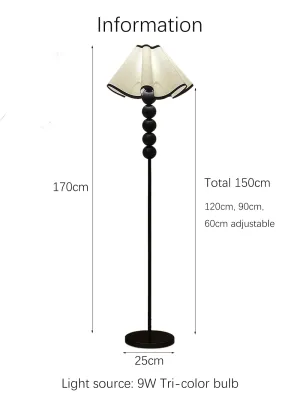
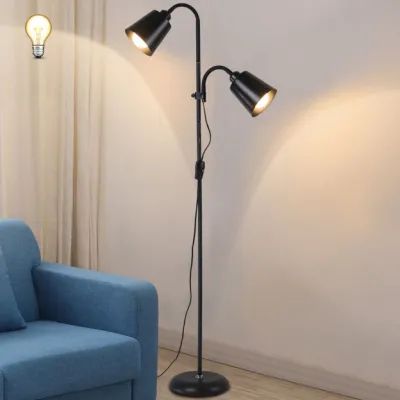
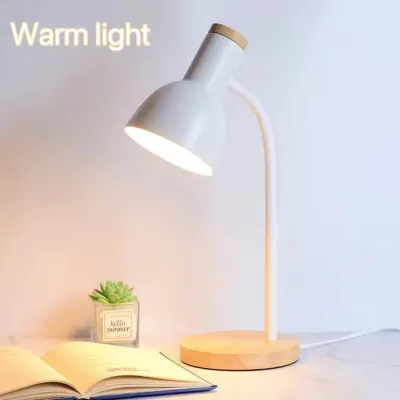
Prices are valid at publication and may change. Please refer to the product page for the latest price.
Linen and cotton fabrics are classic choices for Nordic design, celebrated for their ability to provide soft, warm diffusion. These woven materials scatter light in all directions, softening harsh shadows and creating a gentle ambient glow that reduces overall eye strain. When selecting fabric shades in tropical climates, it is wise to inspect the weave density; tighter weaves diffuse light more effectively, while looser weaves might let distracting pinpricks of bright light pass through. Additionally, check if the fabric has been treated to resist moisture, as high humidity can sometimes affect untreated natural fibers over time.
Frosted or opal glass shades offer an exceptionally even, uniform illumination. Unlike clear glass, which exposes the bare bulb and creates intense glare, frosted glass acts as a very efficient diffuser. It scatters the light output evenly across its surface, minimizing the sharp contrasts that force your eyes to constantly adjust. This makes opal glass a practical option if you want your reading lamp to contribute to the room’s general ambient lighting while still providing enough brightness for your book.
Opaque metal or rigid plastic shades with matte white interiors serve a completely different purpose: they block all lateral light transmission and focus the entire output of the bulb in one direction. By lining the interior with a matte white finish, manufacturers ensure that the directed light is reflective yet softly dispersed, preventing the harsh, specular glare that polished metallic interiors can cause. This setup is very practical for dedicated task lighting, especially if you prefer to read in a darkened room without disturbing others nearby.
Choosing the Right Shade Shape for Light Direction
The geometry of a lampshade dictates the path of the light, helping you position the illumination precisely where you need it. Matching the shape of the shade to your reading habits ensures that light reaches your pages without spilling directly into your eyes.

Dome and bell shapes are practical for creating focused downward light pools. Because these shapes taper outward toward the bottom, they cast a wide, downward cone of light that easily covers an open book or a lap-held device. The enclosed top and sides of a dome shade completely hide the bulb from side angles, making it very effective at preventing direct glare when you are seated next to the lamp.
Drum and cylinder shades offer a balanced compromise between ambient room lighting and localized task lighting. With open tops and bottoms of equal or similar diameter, these shades cast light both upward to bounce off the ceiling and downward onto your reading material. This dual-directional output helps soften the contrast between the reading light and the rest of the room, which is a key factor in reducing eye fatigue during late-night reading sessions.
Open-bottom cone designs provide concentrated reading illumination with a controlled upward light spill. The wide flare of a cone shade maximizes the spread of light at the seating level, making it easier to position the lamp slightly further away from your chair while still receiving adequate illumination. However, because the wide opening can sometimes expose the bulb to your direct line of sight, careful positioning is essential when using this shape.
Positioning the Lampshade for Your Reading Setup
Even the most well-designed lampshade can cause discomfort if it is positioned incorrectly relative to your seating arrangement. Achieving a glare-free reading environment requires aligning the physical height and angle of the shade with your eyes and furniture.
As a general rule, the bottom edge of the lampshade should sit at or slightly below your eye level when you are comfortably seated in your reading chair. This physical barrier ensures that the bright, unshielded bulb remains hidden from your direct line of sight, preventing the sudden, blinding glare that occurs when you look up from your page. If the lamp is too tall or the shade is set too high, you will find yourself constantly adjusting your posture to avoid looking directly at the light source.
Balancing your localized task lighting with the living room’s overall ambient light is equally important. Reading in a completely dark room with a single, intense spotlight creates a high-contrast environment that tires the eyes quickly. To prevent this, ensure your reading corner has a gentle layer of background light, or choose a semi-translucent fabric or glass shade that allows some light to filter into the surrounding space, softening the transition between light and shadow.
When selecting a floor lamp, consider whether an adjustable arm or a fixed-height design suits your furniture best. Adjustable floor lamps, such as swing-arm or arc designs, allow you to bring the shade closer to your book and adjust the angle as you shift positions. This flexibility is particularly useful for deep, low-slung sofas or lounge chairs. Fixed-height lamps, on the other hand, offer a clean, minimalist Nordic silhouette that works beautifully alongside standard upright armchairs, provided the height of the shade aligns correctly with your seated eye level.
Pre-Purchase Checks for Floor Lamps and Shades
Before finalizing your purchase, taking the time to verify a few technical and physical specifications will ensure your new Nordic floor lamp is safe, compatible, and durable.
First, check the product label for electrical compatibility, including the bulb base type (such as E27 or E14), the maximum allowable wattage, and compatibility with dimmer switches. In the Philippines, standard household voltage is 220V, so ensure any integrated LED components or included bulbs are rated for this voltage. If you plan to use a dimmable bulb to adjust the light level between reading and relaxing, verify that both the lamp’s built-in switch and the bulb itself support dimming.
Next, evaluate the physical stability of the lamp. A high-quality floor lamp should feature a heavy, well-weighted base to prevent tipping, especially in high-traffic living rooms or households with pets, children, and active cooling fans. If you are choosing an arc lamp or a model with a heavy glass shade, a stable base is critical to counterbalancing the extended weight.
Finally, review the manufacturer’s care instructions and heat tolerance guidelines for your chosen shade material. Fabric and paper shades can degrade or discolor if exposed to excessive heat from high-wattage incandescent bulbs, making energy-efficient, low-heat LED bulbs the preferred choice. In warm, humid environments, choosing materials that are easy to dust and resistant to moisture buildup will keep your Nordic reading corner looking pristine and functioning safely for years to come.
Frequently Asked Questions (FAQ)
Is clear glass suitable for a reading lamp shade?
Clear glass is generally not recommended for a dedicated reading lamp because it does not diffuse light, leaving the bright bulb fully exposed to your eyes and causing significant glare. If you prefer the aesthetic of clear glass, you can mitigate eye strain by using a frosted or warm-toned LED bulb with a lower lumen output, or by choosing a lamp design that features an internal frosted diffuser inside the clear glass outer shade.
How should I clean and maintain fabric lampshades?
To maintain fabric lampshades without damaging their structure, dust them regularly using a soft-bristled brush, a clean microfiber cloth, or a lint roller to remove accumulated dust. Avoid using liquid cleaners, wet cloths, or harsh chemical sprays unless the manufacturer’s care label explicitly states they are safe, as moisture can stain delicate fabrics, dissolve adhesives, or cause the shade’s frame to rust.

Community discussion
Share your experience or ask a question. Comments are reviewed before publication.