
Selecting the ideal solar pathway lights from the Oxhead official store requires balancing your garden’s physical layout with the technical specifications of each fixture. Because solar-powered lighting relies entirely on local weather conditions and physical placement, finding the right match involves looking beyond mere aesthetics. By evaluating key metrics such as solar panel efficiency, battery capacity, and beam angles, you can ensure your outdoor spaces remain safely illuminated throughout the night, even during the overcast periods common in the Philippines.
To make an informed purchase, it is best to approach the selection process systematically. Start by measuring your designated pathways, identifying areas that receive unobstructed sunlight, and determining whether you need focused safety lighting or soft decorative accents. The following sections will guide you through the essential technical specifications, layout strategies, and maintenance practices required to get the most out of your Oxhead solar pathway lights.
Core Specifications to Evaluate on Product Pages
When browsing the Oxhead official store on your preferred e-commerce platform, technical specifications provide the most reliable indication of how a light will perform in your yard. Relying solely on product photos can lead to mismatched expectations regarding brightness and coverage.
Products mentioned in this guide
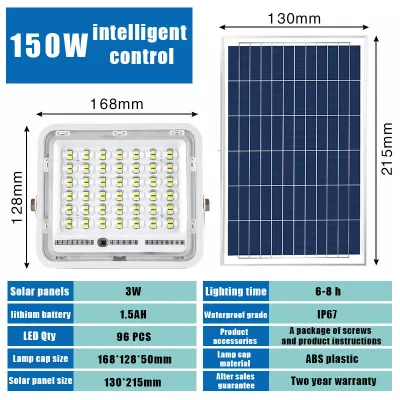
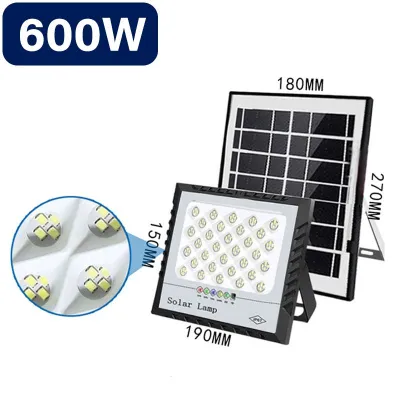
Prices are valid at publication and may change. Please refer to the product page for the latest price.
Brightness and Light Distribution
To understand a fixture’s true light output, you must distinguish between luminous flux (measured in lumens) and illuminance (measured in lux). Lumens indicate the total amount of light emitted by the LED source in all directions, whereas lux measures how much of that light actually reaches a specific surface area on the ground. A high-lumen fixture with a poorly designed lens may scatter light upward, causing glare rather than illuminating your path. Conversely, a moderately bright Oxhead model equipped with a focused reflector or a downward-facing lens will direct the light precisely where your feet land.
Additionally, pay close attention to the beam angle specified on the product page. A narrow beam angle (around 30 to 60 degrees) creates concentrated pools of light, which are excellent for highlighting specific architectural features or garden ornaments. A wide beam angle (90 to 120 degrees or more) distributes light across a broader footprint, making it far more suitable for general pathway safety and wide-area visibility.
Solar Panel and Battery Capacity
Solar panel efficiency directly dictates how quickly and effectively the internal battery charges during the day. Most modern solar pathway lights utilize either monocrystalline or polycrystalline silicon panels. Monocrystalline panels generally offer higher energy conversion rates, which is a critical advantage in tropical regions where cloudy skies or passing storms can limit direct sunlight. Look for the panel’s wattage rating; even a small increase in wattage can significantly improve charging speeds.
Equally important is the battery capacity, typically measured in milliampere-hours (mAh), along with its nominal voltage (commonly 1.2V for Nickel-Metal Hydride or 3.2V to 3.7V for Lithium-ion chemistry). A higher mAh rating indicates a larger energy reservoir. For consistent nighttime performance, the battery capacity must be properly balanced with the solar panel’s output. A large battery paired with an underpowered solar panel will rarely reach a full charge, while a small battery paired with a powerful panel will waste excess solar energy and run out of power early in the night.
Color Temperature and Spatial Effects
Color temperature is measured in Kelvin (K) and determines the visual warmth or coolness of the light. It is important to treat decorative styles, perceived color temperatures, and spatial lighting effects as conditional preferences based on personal taste and garden design, rather than universal performance facts. A warm white glow (typically 2700K to 3000K) is not inherently superior to a cool white beam; rather, its effectiveness depends entirely on your aesthetic goals and the layout of your outdoor space.
Warm white light tends to create a cozy, traditional, and relaxing atmosphere that complements natural wood, brick, and lush green foliage. Cool white light (ranging from 5000K to 6500K) provides high-contrast, crisp visibility that mimics daylight. This makes cool white highly practical for security lighting along driveways, perimeter walls, or dark steps where clear detail recognition is paramount.
Voltage, Compatibility, and Safety Certifications
Before finalizing your purchase, verify the electrical specifications and certifications listed on the product page. While most solar pathway lights operate on low-voltage direct current (DC) and do not pose a high risk of electrical shock, verifying build quality remains essential. Look for international safety and environmental certifications such as CE and RoHS, which indicate that the internal circuitry and battery components meet standardized safety metrics. If you are considering a model that includes an optional hybrid charging port or a separate, wired solar panel, ensure all connectors match your installation environment and that the physical dimensions of the stakes or mounting brackets are compatible with your soil or wall surfaces.
Matching Oxhead Light Designs to Your Garden Layout
Every garden has a unique physical layout, and choosing the wrong fixture design can result in uneven lighting, distracting glare, or physical damage to the lights themselves. Visualizing how light behaves in different outdoor zones allows you to select the appropriate form factor and spacing for each area.

Narrow Pathways and Driveways
For narrow pathways, walkways, and driveways, the primary goal is to guide movement safely without blinding pedestrians or drivers. Unshielded, high-intensity lights placed at eye level can cause temporary glare, which compromises safety. To prevent this, select downward-facing or heavily shielded Oxhead designs that direct light exclusively toward the ground.
Spacing is critical along linear paths. To create a continuous, cohesive guiding line, place lower-profile fixtures at shorter, regular intervals—typically 1.5 to 2 meters apart. Using shorter pole heights keeps the light source close to the ground, containing the illumination within the borders of the path and preventing light spill into neighboring garden beds.
Wide Lawns and Open Borders
Wide lawns, expansive patios, and open garden borders require a different approach. Here, tight spacing and low-profile lights can make the space feel cluttered and fragmented. Instead, opt for Oxhead models featuring wider beam angles, taller poles, or multi-head designs that elevate the light source.
By elevating the light, you expand its physical footprint, allowing a single fixture to illuminate a much larger surface area. To avoid creating dark, unlit patches across a large grassy expanse, calculate your spacing based on the estimated coverage diameter of each light. Placing fixtures slightly overlapping their light pools ensures a smooth, continuous wash of light across the lawn.
Dense Landscaping and Flower Beds
Lighting dense landscaping, low shrubs, and flower beds requires fixtures that can integrate seamlessly with organic shapes without being choked out by growing foliage. Tall, thin plastic stakes are easily obscured by leaves, which blocks the solar panels from receiving light and hides the illumination.
For these areas, compact, low-profile stake lights made of durable materials are highly recommended. Position these fixtures close to the ground to uplight the undersides of leaves or highlight the textures of ornamental grasses. Be mindful of plant growth; place the lights slightly forward of the foliage line so that expanding summer leaves do not shade the integrated solar panels.
Verifying Authenticity and Weather Resistance
Because outdoor lighting is constantly exposed to the elements, purchasing genuine products with verified weather protection is essential for long-term durability and safety.
Official Store Verification
To ensure you are purchasing genuine Oxhead products rather than low-quality counterfeits, always verify the seller’s credentials on your chosen e-commerce platform. Look for the platform’s official brand registry badge, verified mall status, or authorized distributor markers on the seller’s profile page. Genuine stores will display clear product documentation, detailed specification sheets, and responsive customer service channels. Avoid listings with generic, unbranded descriptions or unusually low prices that seem too good to be true, as these often indicate counterfeit goods with substandard batteries and poor weather sealing.
Weather and Dust Resistance
In the Philippines, outdoor fixtures must endure extreme weather conditions, including intense tropical heat, high humidity, salt-laden coastal air, and torrential rains during the typhoon season. The most reliable way to assess a fixture’s durability is by checking its Ingress Protection (IP) rating on the product label.
An IP rating consists of two digits. The first digit (ranging from 0 to 6) indicates protection against solid objects and dust, while the second digit (ranging from 0 to 9) indicates protection against moisture. For general outdoor pathway use, a minimum rating of IP65 is highly recommended, meaning the fixture is completely dust-tight and protected against water jets from any angle. For low-lying areas prone to temporary pooling water or heavy splashing, look for IP67-rated models, which can withstand temporary immersion in water.
Warranty and Support
Review the manufacturer’s warranty terms and return policies before completing your purchase. A reputable official store should offer a clear warranty period—typically ranging from 6 months to a year or more—covering manufacturing defects, premature battery failure, and water intrusion. Additionally, check if the official store sells individual replacement parts, such as replacement stakes, mounting brackets, or battery covers. Having access to official replacement parts ensures that a single broken component does not force you to discard the entire fixture.
Maximizing Performance in Tropical Climates
Operating solar-powered lighting in a tropical environment presents unique challenges. High humidity, rapid vegetation growth, and intense seasonal rainfall require proactive installation and maintenance strategies to keep your lights functioning at peak efficiency.
Optimal Placement
Solar panels require direct, unobstructed sunlight to charge their internal batteries fully. When planning your installation, walk your garden at various times of the day to identify potential shadows. Avoid placing fixtures directly under roof eaves, wide gutters, tall trees, or dense banana leaves that block the sun as it moves across the sky.
In the southern hemisphere or tropical zones near the equator, angling your solar panels slightly can optimize solar harvesting. While many pathway lights have fixed, flat panels, models with adjustable solar heads should be tilted to capture the maximum amount of daily sunlight based on your specific location. Ensure that the panels receive at least 6 to 8 hours of unshaded exposure daily.
Routine Cleaning
Humid tropical climates accelerate the accumulation of dust, pollen, mold, and bird droppings on outdoor surfaces. A dirty solar panel can experience a significant drop in charging efficiency, leading to shorter runtimes or a complete failure to turn on at night.
Establish a routine to clean your solar panels at least once a month. Gently wipe the surface of the panels with a soft, damp microfiber cloth and clean water to remove accumulated grime. Never use harsh abrasive cleaners, chemical solvents, or rough scrubbing pads, as scratching the protective glass or plastic cover will permanently degrade the panel’s ability to transmit light to the solar cells beneath.
Battery Care and Maintenance
Rechargeable batteries naturally degrade over time, typically lasting between 1 to 2 years depending on usage patterns and environmental temperatures. High ambient temperatures can accelerate this degradation process, reducing the battery’s overall capacity to hold a charge.
When you notice a significant decrease in the duration of nighttime illumination, it is likely time to replace the internal cells. Always refer to the manufacturer’s instructions before opening the battery compartment to ensure you do not void the warranty or compromise the water-resistant seals. Replace old cells with new batteries of the exact same chemistry, voltage, and recommended capacity. Dispose of the old batteries responsibly by taking them to a local recycling center or designated electronic waste drop-off point.
Installation Safety and Professional Boundaries
While low-voltage, self-contained solar stake lights are safe for DIY installation, certain setups require extra caution. If your Oxhead solar lighting system features a remote solar panel with fixed wiring, wall-mounted brackets, or suspended decorative elements, always prioritize safety. For any installations involving fixed electrical wiring or mounting at heights, ensure you isolate any connected power supplies before starting work. Strictly follow the manufacturer’s step-by-step installation instructions, and consult a qualified professional if you are unsure about safe mounting, structural load limits, or making electrical connections in damp outdoor environments.
Frequently Asked Questions (FAQ)
Do solar pathway lights perform well during the rainy season?
Yes, solar pathway lights will continue to function during the rainy season, though their performance will be temporarily reduced. Solar panels do not require perfectly clear skies to charge; they can still harvest energy from diffuse daylight on cloudy or rainy days. However, because the intensity of diffuse light is much lower than direct sunlight, the internal battery will not charge fully. This results in a shorter runtime at night.
To mitigate this issue during prolonged overcast periods, look for Oxhead models equipped with high-efficiency monocrystalline solar panels and larger battery capacities. Some advanced models also feature energy-saving modes or smart power-management systems that automatically dim the light output on low-charge nights, extending the runtime so the light remains active for safety throughout the night.
Are the batteries in solar pathway lights replaceable?
Whether the batteries are replaceable depends entirely on the specific design of the Oxhead model you select. Many high-quality solar pathway lights feature an accessible battery compartment, usually secured by a few small screws and a rubber gasket to maintain water resistance. These models typically use standard rechargeable battery sizes, such as AA or AAA Nickel-Metal Hydride (NiMH) batteries, or 18650 Lithium-ion (Li-ion) cells, which are easy to source and replace.
Conversely, some ultra-compact or budget-friendly models feature completely sealed housings where the battery is permanently soldered to the internal circuit board. These sealed units are designed to be maintenance-free but must be replaced entirely once the battery reaches the end of its lifecycle. Always check the product specifications or user manual on the official store before purchasing if you prefer a model with user-replaceable batteries.

Community discussion
Share your experience or ask a question. Comments are reviewed before publication.