
Selecting the right Philips solar lights for your garden and yard landscaping involves matching the specific environmental conditions of your outdoor space with the technical capabilities of each fixture. Because a single yard often features distinct zones—ranging from sun-drenched pathways to shaded garden beds—there is no universal “best” model. Instead, achieving an effective, reliable, and visually appealing landscape design requires evaluating your property’s daily sunlight exposure, identifying the primary function of each light, and verifying key product specifications before making a purchase.
Transitioning to solar-powered landscape lighting offers significant advantages, such as eliminating the need for complex underground trenching and reducing your monthly electricity costs. However, the tropical climate of the Philippines presents unique environmental challenges, including high humidity, intense seasonal rainfall, and prolonged overcast periods. By taking a systematic approach to assessing your yard’s layout and understanding the technical ratings of solar fixtures, you can design a durable outdoor lighting system that enhances both the safety and beauty of your home.
Assessing Your Garden and Yard Lighting Needs
Before browsing specific product catalogs, you must map out the distinct lighting functions your outdoor space requires. Landscape lighting generally falls into three categories: ambient lighting for overall visibility, task lighting for safe navigation, and accent lighting to highlight architectural or natural features. For instance, a winding garden path requires clear, downward-focused task lighting to prevent trips, while a mature tree, a water feature, or a decorative stone wall benefits from upward-pointing accent fixtures that create depth and visual interest.
Products mentioned in this guide
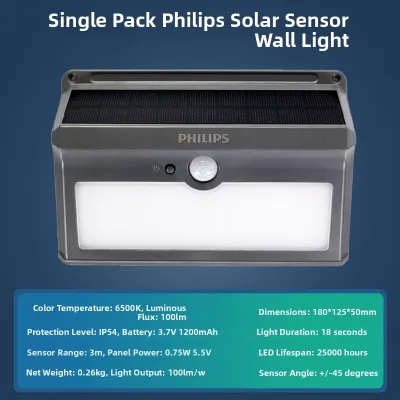
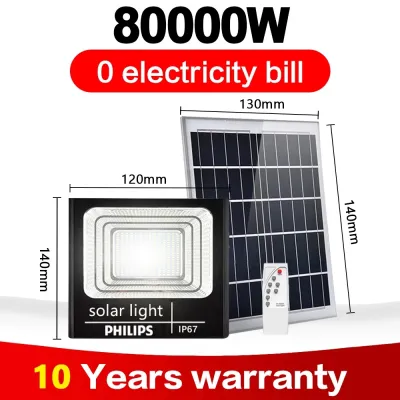
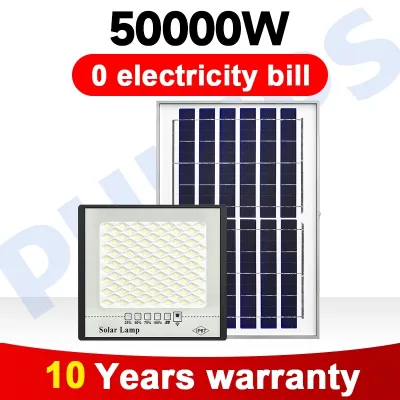
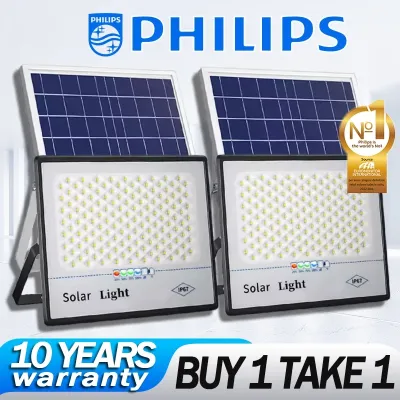
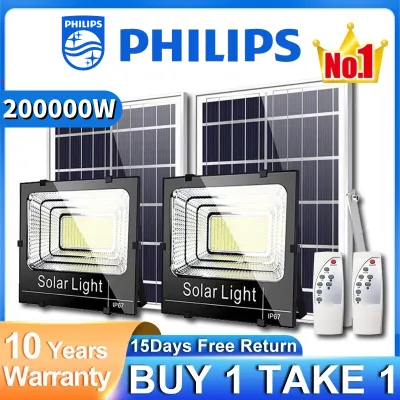
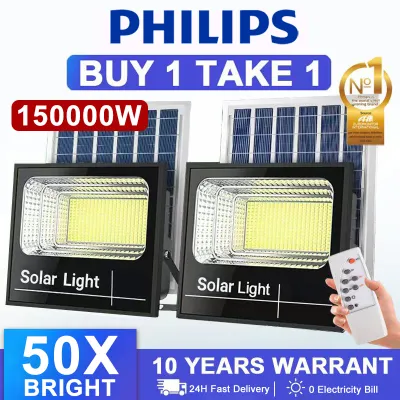
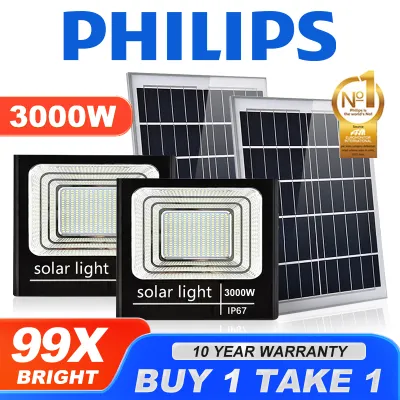
Prices are valid at publication and may change. Please refer to the product page for the latest price.
Because solar-powered fixtures rely entirely on local weather conditions, assessing daily sunlight exposure is a critical first step. In the Philippines, open lawn areas and uncovered driveways typically receive abundant direct sunlight, making them ideal locations for integrated solar panels. However, areas beneath dense tree canopies, roof overhangs, lanais, or high perimeter walls may remain in shade for most of the day. Placing a solar fixture in these shaded zones will significantly limit its ability to recharge, resulting in dim light output or premature shutoff at night.
To map your yard’s solar potential, observe how sunlight moves across your property from morning to late afternoon. Note any permanent obstructions that cast long shadows, and identify where solar panels can receive at least six to eight hours of unshaded sunlight daily. If a specific garden bed you wish to illuminate is permanently shaded, you will need to look for solar models that feature a detached solar panel connected by a cable, allowing you to position the panel in a sunny spot while placing the light fixture in the shade.
You should also distinguish between zones that require continuous illumination and those that only need light when active. High-traffic areas like main entryways, gates, and primary walkways often demand continuous, dusk-to-dawn pathway lighting to ensure safety throughout the night. Conversely, side yards, utility areas, or perimeter fences are often better served by motion-activated security lights. These fixtures remain dim or completely off until their sensors detect movement, conserving stored battery power and ensuring bright light is available precisely when needed.
Essential Specifications to Verify in Philips Solar Models
To ensure your selected fixtures can withstand the demanding outdoor conditions of the Philippines, you must carefully verify several technical specifications on the product packaging or official datasheets. The first and most critical rating to check is the Ingress Protection (IP) rating, which indicates how well the fixture resists dust and water. For general garden use, look for at least an IP65 rating, which ensures protection against heavy rain and dust. Fixtures placed in low-lying garden beds prone to temporary pooling or those fully exposed to severe tropical storms may require even higher protection levels to prevent internal moisture damage.

Next, evaluate the light output, measured in lumens, and the color temperature, measured in Kelvin (K). For subtle accent lighting along garden beds or seating areas, lower outputs of 50 to 150 lumens with a warm color temperature (around 2700K to 3000K) help create a relaxing, cozy atmosphere. For security perimeters, driveways, or active work areas, look for fixtures delivering 400 lumens or more with a cool white color temperature (4000K to 6500K) to maximize visibility and alertness. Keep in mind that perceived color temperature and spatial effects are highly subjective; choose a color temperature that complements your home’s architectural style and your personal design preferences.
Battery specifications directly dictate how long your lights will remain illuminated after a day of charging. Review the battery chemistry—such as Lithium Iron Phosphate (LiFePO4), which is highly stable in warm tropical temperatures—along with its capacity (measured in milliampere-hours or mAh) and the manufacturer’s stated runtime under optimal conditions. Keep your budget in mind, as high-capacity batteries and premium solar panels will naturally command a higher price in ₱, but they offer greater reliability during consecutive overcast days. Comparing these specifications helps you balance initial costs against long-term performance.
Finally, always confirm that the fixtures carry recognized electrical safety certifications and review the manufacturer’s warranty terms specifically for outdoor applications. Even though solar lights operate on low-voltage direct current (DC) and pose a lower risk of electrical shock than mains-voltage systems, certified components ensure the internal charging circuitry, overcharge protection, and housing materials are built to safe, durable standards. Checking for these certifications protects your investment and ensures the product is safe to use around children and pets.
Matching Philips Solar Light Categories to Landscape Zones
Different areas of your yard require specific light distribution patterns and physical designs to function effectively. For pathways, walkways, and driveway borders, stake lights and bollards are the most practical choices. These fixtures are designed to sit low to the ground, casting a controlled downward pool of light that clearly defines boundaries and highlights potential tripping hazards without causing uncomfortable glare for pedestrians walking nearby. Spacing these fixtures evenly along the edge of a path creates a clean, guided look.
For social spaces like patios, verandas, and outdoor seating areas, the goal is to create a warm, inviting ambiance. Wall-mounted solar lanterns, decorative sconces, or overhead solar string lights work exceptionally well here by distributing soft, diffused light at eye level. These fixtures help define the boundaries of your outdoor living room, making the space feel secure and comfortable for evening gatherings. Because these areas are often partially covered, ensure any wall-mounted solar panels are positioned on the outer edge of the roofline or wall to catch sufficient sunlight.
If you want to draw attention to specific focal points, such as ornamental plants, palms, water features, or textured walls, look for solar spotlights and floodlights featuring adjustable heads. These allow you to position the solar panel in a sunny spot while angling the light emitter precisely toward the target object. Using directional lighting in this manner adds dramatic contrast and prevents your landscape from looking flat or washed out after dark. Uplighting trees or washing a wall with light can make a small yard feel significantly larger.
For security perimeters and dark side gates, prioritize solar fixtures equipped with integrated Passive Infrared (PIR) motion sensors. These models typically operate in a low-power standby mode, preserving battery life, and then instantly switch to full brightness when motion is detected. This sudden increase in light serves as an effective deterrent to intruders while providing bright, temporary illumination for homeowners navigating dark corners of the property. Ensure the sensor’s detection range and angle match the physical layout of the entry point you wish to monitor.
Installation, Safety, and Maintenance Boundaries
Proper installation is key to maximizing the lifespan and performance of your solar landscape lights. When positioning your fixtures, ensure the solar panels are angled to receive the maximum amount of direct sunlight possible, completely free from the shadows of trees, roof gutters, or adjacent buildings. In the Philippines, orienting panels slightly toward the south can help optimize solar energy collection throughout the changing seasons of the year. Avoid placing solar panels near bright artificial light sources, such as streetlights or porch lights, as this can trick the internal dusk-to-dawn sensors into thinking it is still daytime, preventing the lights from turning on.
When mounting fixtures to walls, fences, or posts, always follow the manufacturer’s specific installation instructions to prevent structural damage or water ingress. Use appropriate masonry anchors or wood screws, and apply outdoor-rated silicone sealant around mounting holes if there is any risk of water seeping into wall cavities. For any work involving heights, such as mounting floodlights on high eaves, prioritize safety by using stable ladders, working during dry weather, and securing the work area to prevent falls.
Ongoing maintenance is essential to keep your solar lights operating at peak efficiency. Dust, pollen, bird droppings, and salt residue in coastal areas can form a film over the solar panel, significantly reducing its charging capacity. Clean the panels regularly using a soft, damp microfiber cloth and mild soapy water, avoiding abrasive scrubbers that could scratch the surface. Additionally, monitor the light output over time; if you notice a significant drop in runtime despite sunny weather, it may indicate that the internal battery is reaching the end of its useful life and needs replacement.
While installing standalone solar stake lights is a straightforward DIY task, clear boundaries exist when dealing with complex or integrated systems. If you plan to connect solar fixtures to existing hardwired outdoor lighting systems, or if you are installing high-voltage hybrid solar systems that switch to grid power when the battery is low, stop and consult a qualified professional. Any fixed wiring, connection to mains power, or integration with household electrical panels must be handled by a licensed electrician to ensure compliance with local electrical codes and to prevent fire or shock hazards.
Frequently Asked Questions (FAQ)
Do solar landscape lights work effectively during the rainy season in the Philippines?
Yes, solar landscape lights can still function during the rainy season, but their runtime and brightness will be reduced due to prolonged cloud cover. Solar panels do not require direct, scorching sunlight to charge; they can still generate electricity from ambient daylight, though at a much lower efficiency. To mitigate this, look for Philips solar models equipped with high-efficiency monocrystalline solar panels and larger battery capacities, or those featuring intelligent power-saving modes that automatically dim the light output to extend battery life through consecutive rainy days.
Can I replace the built-in batteries in Philips solar garden lights?
Whether you can replace the battery depends entirely on the specific model’s design. Many entry-level solar stake lights feature accessible battery compartments that allow you to easily swap out standard rechargeable AA or AAA NiMH batteries once they degrade. However, many premium, highly weather-sealed models utilize integrated lithium-ion or LiFePO4 batteries that are permanently soldered or sealed inside the housing to maintain a high IP rating. Attempting to open a sealed, non-user-serviceable unit can compromise its water resistance, void the manufacturer’s warranty, and potentially create safety hazards, so always consult the product manual before attempting a replacement.

Community discussion
Share your experience or ask a question. Comments are reviewed before publication.